Knives & Tools · Gear type
Pocket Knife
A pocket knife is any knife whose blade folds into the handle, and the first choice is simple: a slip joint that a spring holds open, or a locking blade that stays put until you release it. After that it's blade count, blade shape, steel and size. I've carried one since 1979, mostly to open feed sacks and sharpen the logbook pencil. Neither job has ever needed a lock. Gutting a deer is another story.

We earn a commission if you buy through our links, at no cost to you. Disclosure
| Model | Weight | Blade length | Blade steel | Steel type | Blade shape | Edge | Amazon |
|---|---|---|---|---|---|---|---|
CRKT Box Key 7118Folding knife More specs
| — | 1.24 inlisting | 12C27listing | Stainlesslisting | Otherlisting | — | Check price |
Spyderco BugFolding knife More specs
| — | 1.27 inlisting | 3Cr13listing | Stainlesslisting | — | Plainlisting | Check price |
CRKT Compano 9083Folding knife More specs
| — | 1.44 inlisting | — | Stainlesslisting | Sheepsfootlisting | — | Check price |
Gerber EAB Lite Razor KnifeFolding knife More specs
| — | 1.5 inlisting | — | — | — | — | Check price |
BÖKER Urban SurvivalFolding knife More specs
| — | 1.625 inlisting | 440Clisting | Stainlesslisting | — | Plainlisting | Check price |
CRKT Dually 7086Folding knife More specs
| — | 1.72 inlisting | — | Stainlesslisting | Drop pointlisting | — | Check price |
Imperial IMP14 Small StockmanFolding knife More specs
| — | 1.8 inlisting | 3Cr13listing | Stainlesslisting | Clip pointlisting | — | Check price |
Kershaw ChiveFolding knife More specs
| — | 1.9 inlisting | 420HClisting | Stainlesslisting | Drop pointlisting | Plainlisting | Check price |
Kershaw KapsuleFolding knife More specs
| — | 1.9 inlisting | 8Cr13MoVlisting | — | Spear pointlisting | — | Check price |
Spyderco ManbugFolding knife More specs
| — | 1.96 inlisting | VG-10listing | — | — | Plainlisting | Check price |
Buck Knives 375 DeuceFolding knife | — | 2 inlisting | 420J2listing | Stainlesslisting | Clip pointlisting | — | Check price |
Cold Steel Micro Recon 1 2"Folding knife More specs
| — | 2 inlisting | 4034SSlisting | Stainlesslisting | Tantolisting | — | Check price |
Old Timer 108OT JuniorFolding knife More specs
| — | 2 inlisting | High carbon stainless steellisting | Stainlesslisting | — | — | Check price |
Old Timer 104OTCP Small CanoeFolding knife More specs
| — | 2 inlisting | High carbon stainless steellisting | Stainlesslisting | Clip pointlisting | — | Check price |
Uncle Henry 807UH JRFolding knife More specs
| — | 2 inlisting | 7Cr17MoVlisting | Stainlesslisting | Clip pointlisting | — | Check price |
Fallkniven U4Folding knife More specs
| — | 2.09 inlisting | — | — | — | Plainlisting | Check price |
CRKT Squid 2490KSFolding knife More specs
| — | 2.16 inlisting | — | Stainlesslisting | Drop pointlisting | — | Check price |
Helle BergetFolding knife More specs
| — | 2.17 inlisting | 12C27listing | Stainlesslisting | Drop pointlisting | — | Check price |
CRKT MinimalX 5915Folding knife More specs
| 2.6 ozmaker | 2.19 inlisting | 12C27listing | Stainlesslisting | — | — | Check price |
Gerber Paraframe Mini Fine EdgeFolding knife More specs
| 1.6 ozmaker | 2.2 inlisting | — | Stainlesslisting | Clip pointlisting | Plainlisting | Check price |
Grand Way 2.3-Inch Folding Pocket KnifeFolding knife More specs
| — | 2.2 inlisting | 420listing | Stainlesslisting | — | — | Check price |
Imperial IMP19PRT Small TrapperFolding knife More specs
| — | 2.2 inlisting | 3Cr13listing | Stainlesslisting | Clip pointlisting | — | Check price |
Old Timer 12OT PalFolding knife More specs
| — | 2.2 inlisting | High carbon stainless steellisting | Stainlesslisting | Clip pointlisting | — | Check price |
Old Timer 12OTCP PalFolding knife More specs
| — | 2.2 inlisting | High carbon stainless steellisting | Stainlesslisting | Clip pointlisting | — | Check price |
Old Timer 3OT BearheadFolding knife More specs
| — | 2.2 inlisting | High carbon stainless steellisting | Stainlesslisting | Drop pointlisting | — | Check price |
Old Timer 3OT BearheadFolding knife More specs
| — | 2.2 inlisting | High carbon stainless steellisting | Stainlesslisting | Drop pointlisting | — | Check price |
Old Timer 44OT WorkmateFolding knife More specs
| — | 2.2 inlisting | High carbon stainless steellisting | Stainlesslisting | Clip pointlisting | — | Check price |
Smith & Wesson Skeletonized Drop PointFolding knife More specs
| — | 2.2 inlisting | 7Cr17MoVlisting | Stainlesslisting | Drop pointlisting | — | Check price |
Uncle Henry LB3 Brown BearFolding knife More specs
| — | 2.2 inlisting | High carbon stainless steellisting | Stainlesslisting | Clip pointlisting | — | Check price |
Gerber Paraframe Mini SerratedFolding knife More specs
| 2 ozmaker | 2.22 inlisting | — | Stainlesslisting | — | Serratedlisting | Check price |
Buck Knives 379 SoloFolding knife More specs
| — | 2.25 inlisting | 420J2listing | Stainlesslisting | Clip pointlisting | — | Check price |
Buck Knives 385 ToothpickFolding knife More specs
| — | 2.25 inlisting | 420J2listing | Stainlesslisting | Clip pointlisting | — | Check price |
Buck Knives 379 SoloFolding knife | — | 2.25 inlisting | 420J2listing | Stainlesslisting | Clip pointlisting | — | Check price |
Case Texas Toothpick Sparxx 60180Folding knife More specs
| — | 2.25 inlisting | — | — | — | — | Check price |
Kershaw CathodeFolding knife More specs
| — | 2.25 inlisting | 4Cr14listing | — | Tantolisting | Plainlisting | Check price |
Old Timer Bearhead FolderFolding knife | — | 2.25 inlisting | — | — | — | — | Check price |
Ontario Knife Company Traveler ON8901Folding knife More specs
| — | 2.25 inlisting | — | Stainlesslisting | — | — | Check price |
QSP PenguinFolding knife More specs
| — | 2.25 inlisting | 14C28Nlisting | Stainlesslisting | — | — | Check price |
Spyderco Dragonfly 2 LightweightFolding knife More specs
| — | 2.28 inlisting | VG-10listing | Stainlesslisting | — | Plainlisting | Check price |
CJRB Cutlery Boxer Folding Utility KnifeFolding knife More specs
| — | 2.3 inlisting | — | — | — | — | Check price |


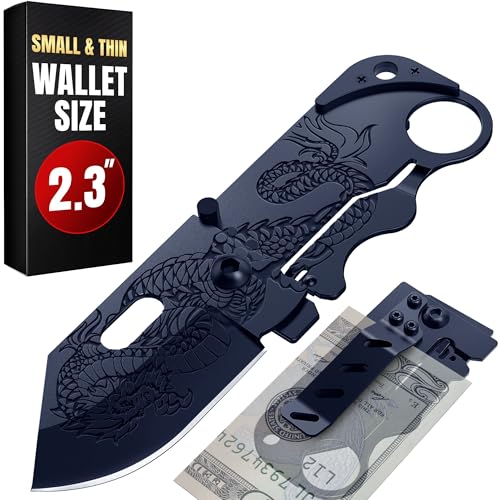





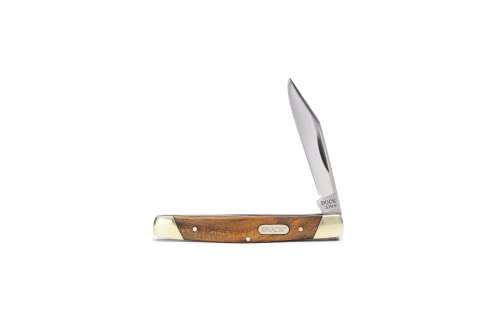


Smith & Wesson CKLPR RainbowFolding knife More specs
| — | 2.3 inlisting | 7Cr17MoVlisting | Stainlesslisting | Drop pointlisting | — | Check price |
|---|---|---|---|---|---|---|---|
Spyderco Ambitious LightweightFolding knife More specs
| — | 2.31 inlisting | 8Cr13MoVlisting | Stainlesslisting | — | Plainlisting | Check price |
Spyderco Ambitious Lightweight Black OxideFolding knife More specs
| — | 2.31 inlisting | 8Cr13MoVlisting | Stainlesslisting | — | Plainlisting | Check price |
Fallkniven LTCFolding knife More specs
| — | 2.32 inlisting | — | — | — | Plainlisting | Check price |
Fallkniven LTCpuFolding knife More specs
| — | 2.32 inlisting | — | — | — | Plainlisting | Check price |
Fallkniven LTCrdFolding knife More specs
| — | 2.32 inlisting | — | — | — | Plainlisting | Check price |
Fallkniven LTCsbFolding knife More specs
| — | 2.32 inlisting | — | — | — | Plainlisting | Check price |
CIVIVI Baby BanterFolding knife More specs
| — | 2.34 inlisting | Nitro-Vlisting | — | — | — | Check price |
CIVIVI Baby Banter 2 C24074-1Folding knife More specs
| — | 2.34 inlisting | 14C28Nlisting | Stainlesslisting | — | — | Check price |
CJRB Cutlery Mica J1934 Black PVDFolding knife More specs
| — | 2.36 inlisting | AR-RPM9listing | — | — | — | Check price |
CRKT Squid 2493Folding knife More specs
| — | 2.37 inlisting | 8Cr14MoVlisting | Stainlesslisting | Drop pointlisting | — | Check price |
Buck Knives 55Folding knife More specs
| — | 2.375 inlisting | 420HClisting | Stainlesslisting | Clip pointlisting | — | Check price |
CJRB Cutlery Maileah 2.39"Folding knife More specs
| — | 2.39 inlisting | AR-RPM9listing | — | — | — | Check price |
Flissa 2.4" 14C28N Folding Pocket KnifeFolding knife More specs
| — | 2.4 inlisting | 14C28Nlisting | Stainlesslisting | — | — | Check price |
Imperial 278 Jackmaster BarlowFolding knife More specs
| — | 2.4 inlisting | 3Cr13listing | Stainlesslisting | — | — | Check price |
Kershaw ScallionFolding knife More specs
| — | 2.4 inlisting | 420HClisting | Stainlesslisting | Drop pointlisting | Plainlisting | Check price |
Old Timer 34OT MiddlemanFolding knife More specs
| — | 2.4 inlisting | High carbon stainless steellisting | Stainlesslisting | Clip pointlisting | — | Check price |
Old Timer 23OT ScoutFolding knife More specs
| — | 2.4 inlisting | High carbon stainless steellisting | Stainlesslisting | — | — | Check price |
CRKT Provoke 4040Folding knife More specs
| — | 2.41 inlisting | D2listing | Tool steellisting | Otherlisting | — | Check price |
Buck Knives 373 TrioFolding knife More specs
| — | 2.5 inlisting | 420J2listing | Stainlesslisting | — | — | Check price |
Buck Knives 503 PrinceFolding knife More specs
| — | 2.5 inlisting | 420HClisting | Stainlesslisting | Drop pointlisting | — | Check price |
Buck Knives 389 CanoeFolding knife | — | 2.5 inlisting | 420J2listing | Stainlesslisting | Spear pointlisting | — | Check price |
Flissa Mini Folding Pocket Knife 2.5"Folding knife More specs
| — | 2.5 inlisting | — | Stainlesslisting | Drop pointlisting | — | Check price |
Flissa 4" Folding Knife with Built-In ToolsFolding knife More specs
| — | 2.5 inlisting | 5Cr15listing | Stainlesslisting | — | — | Check price |
Hogue Expel 2.5-Inch Folding ScalpelFolding knife More specs
| — | 2.5 inlisting | — | Carbonlisting | — | — | Check price |
Imperial IMP16S StockmanFolding knife More specs
| — | 2.5 inlisting | 3Cr13MoVlisting | Stainlesslisting | Clip pointlisting | — | Check price |
Kershaw GravelFolding knife More specs
| — | 2.5 inlisting | 8Cr13MoVlisting | Stainlesslisting | Reverse tantolisting | Partially serratedlisting | Check price |
LionSteel Nano Black MicartaFolding knife More specs
| — | 2.5 inlisting | MagnaCutlisting | — | Drop pointlisting | — | Check price |
LionSteel Nano Natural MicartaFolding knife More specs
| — | 2.5 inlisting | MagnaCutlisting | — | Drop pointlisting | — | Check price |
LionSteel Nano Silver TitaniumFolding knife More specs
| — | 2.5 inlisting | MagnaCutlisting | — | Drop pointlisting | — | Check price |
Mossy Oak Mini Folding G10Folding knife More specs
| — | 2.5 inlisting | 3Cr13listing | Stainlesslisting | Drop pointlisting | — | Check price |
Mossy Oak Mini Folding Wood HandleFolding knife More specs
| — | 2.5 inlisting | — | Stainlesslisting | Drop pointlisting | — | Check price |
Old Timer 5OT Bruin HeritageFolding knife More specs
| — | 2.5 inlisting | D2listing | — | Drop pointlisting | — | Check price |
Uncle Henry 834UH RancherFolding knife More specs
| — | 2.5 inlisting | High carbon stainless steellisting | Stainlesslisting | Clip pointlisting | — | Check price |
CRKT Snap Lock 5102NFolding knife More specs
| — | 2.55 inlisting | 420J2listing | Stainlesslisting | Drop pointlisting | — | Check price |
Fox Knives FX-597 The DartFolding knife More specs
| — | 2.56 inlisting | N690Colisting | Stainlesslisting | Tantolisting | — | Check price |
Joker Setter NA112Folding knife More specs
| — | 2.56 inlisting | MOVAlisting | — | — | — | Check price |
Joker Setter NC111Folding knife More specs
| — | 2.56 inlisting | MOVAlisting | Stainlesslisting | Drop pointlisting | — | Check price |
Ganzo Firebird F759MFolding knife More specs
| — | 2.6 inlisting | 440Clisting | Stainlesslisting | — | — | Check price |
Gerber STL 2.0Folding knife More specs
| — | 2.6 inlisting | — | — | — | — | Check price |
Kershaw Shuffle IIFolding knife | — | 2.6 inlisting | 8Cr13MoVlisting | — | Tantolisting | Plainlisting | Check price |
Kershaw OutlierFolding knife More specs
| — | 2.6 inlisting | 8Cr13MoVlisting | Stainlesslisting | Otherlisting | — | Check price |
BÖKER Mini Copperhead Lock 2.63 InchFolding knife | — | 2.63 inlisting | D2listing | Tool steellisting | — | — | Check price |
SOG Twitch II TWI8-CPFolding knife More specs
| — | 2.65 inlisting | AUS-8listing | Stainlesslisting | — | Plainlisting | Check price |
SOG Twitch II TWI17-CPFolding knife More specs
| — | 2.65 inlisting | AUS-8listing | Stainlesslisting | — | — | Check price |
Joker Piston NN144Folding knife More specs
| — | 2.67 inlisting | MOVAlisting | Stainlesslisting | Otherlisting | — | Check price |
Gerber QuadrantFolding knife More specs
| — | 2.7 inlisting | — | Stainlesslisting | — | Plainlisting | Check price |
Imperial IMP22YFolding knife More specs
| — | 2.7 inlisting | 7Cr17listing | Stainlesslisting | Drop pointlisting | — | Check price |
Imperial IMP22Folding knife More specs
| — | 2.7 inlisting | 7Cr17listing | Stainlesslisting | Drop pointlisting | — | Check price |
Imperial IMP16T TrapperFolding knife More specs
| — | 2.7 inlisting | 3Cr13listing | Stainlesslisting | Clip pointlisting | — | Check price |
Helle NipaFolding knife More specs
| — | 2.72 inlisting | 12C27listing | Stainlesslisting | — | — | Check price |
CRKT Pazoda 6480Folding knife More specs
| — | 2.74 inlisting | — | Stainlesslisting | Drop pointlisting | — | Check price |
Buck Knives 284 Bantam BBWFolding knife More specs
| — | 2.75 inlisting | 420HClisting | Stainlesslisting | Drop pointlisting | — | Check price |
Buck Knives 371 StockmanFolding knife | — | 2.75 inlisting | 420J2listing | Stainlesslisting | Clip pointlisting | — | Check price |
Havalon Piranta-ZFolding knife More specs
| — | 2.75 inlisting | — | Stainlesslisting | — | — | Check price |
Havalon Piranta-Bolt Blaze OrangeFolding knife | — | 2.75 inlisting | — | Stainlesslisting | — | — | Check price |
Havalon ForgeFolding knife More specs
| — | 2.75 inlisting | — | Stainlesslisting | — | — | Check price |
Hogue X1-Microflip 2.75-Inch WharncliffeFolding knife More specs
| — | 2.75 inlisting | — | — | Wharncliffelisting | — | Check price |
Hogue Elishewitz X1-Microflip WharncliffeFolding knife More specs
| — | 2.75 inlisting | — | — | Wharncliffelisting | — | Check price |
Joker Koala NC124Folding knife More specs
| — | 2.75 inlisting | MOVAlisting | — | — | — | Check price |
Joker NO77Folding knife More specs
| — | 2.75 inlisting | 420listing | Stainlesslisting | — | — | Check price |
Kershaw CryoFolding knife More specs
| — | 2.75 inlisting | 8Cr13MoVlisting | — | Drop pointlisting | Plainlisting | Check price |
Kershaw AppaFolding knife More specs
| — | 2.75 inlisting | — | Stainlesslisting | Reverse tantolisting | Plainlisting | Check price |
Kershaw Appa OliveFolding knife More specs
| — | 2.75 inlisting | — | — | Reverse tantolisting | — | Check price |
Kizer C01C 275 SheepdogFolding knife More specs
| — | 2.75 inlisting | AEB-Llisting | — | Sheepsfootlisting | — | Check price |
Mtech USA MT-472RBFolding knife More specs
| — | 2.75 inlisting | — | Stainlesslisting | — | — | Check price |
Mtech USA MT-A882BLFolding knife More specs
| — | 2.75 inlisting | — | Stainlesslisting | — | Plainlisting | Check price |
Smith & Wesson M&P BodyguardFolding knife More specs
| — | 2.75 inlisting | 8Cr13MoVlisting | Stainlesslisting | Clip pointlisting | — | Check price |
Snake Eye Tactical Mini-Cleaver Style FolderFolding knife More specs
| — | 2.75 inlisting | 440listing | Stainlesslisting | Otherlisting | — | Check price |
Fallkniven TK4Folding knife More specs
| — | 2.76 inlisting | — | — | — | Plainlisting | Check price |
Fallkniven TK3OAKCFolding knife More specs
| — | 2.76 inlisting | 3Glisting | — | — | — | Check price |
Fox Knives Zero 2.0 Desert Warrior FX-FA311Folding knife More specs
| — | 2.76 inlisting | N690Colisting | Stainlesslisting | — | — | Check price |
Grand Way 2.76-Inch Wood Handle Pocket KnifeFolding knife More specs
| — | 2.76 inlisting | 440Clisting | Stainlesslisting | Otherlisting | — | Check price |
Benchmade Mini Bugout 533Folding knife More specs
| 1.5 ozmaker | 2.8 inlisting | CPM-S30Vlisting | Powder steellisting | Drop pointlisting | — | Check price |
Case Sod Buster 00032Folding knife More specs
| — | 2.8 inlisting | — | — | Skinnerlisting | — | Check price |
Grand Way 5-in-1 Pocket Knife with Serrated TantoFolding knife More specs
| — | 2.8 inlisting | 440Clisting | Stainlesslisting | Tantolisting | Serratedlisting | Check price |
Hogue Saxum Collector Series Damascus 2.8-InchFolding knife More specs
| — | 2.8 inlisting | — | Damascuslisting | Drop pointlisting | — | Check price |
Hogue Saxum Collector Series 2.8-InchFolding knife More specs
| — | 2.8 inlisting | CPM MagnaMaxlisting | — | Drop pointlisting | — | Check price |
Kershaw LoneRock RBK 2Folding knife | — | 2.8 inlisting | — | — | Drop pointlisting | — | Check price |
Kizer Aegis V3774M3Folding knife More specs
| — | 2.8 inlisting | D2listing | — | Drop pointlisting | — | Check price |
Old Timer 5OT BruinFolding knife More specs
| — | 2.8 inlisting | High carbon stainless steellisting | Stainlesslisting | Drop pointlisting | — | Check price |
Smith & Wesson Executive CK110GLFolding knife More specs
| — | 2.8 inlisting | 7Cr17MoVlisting | Stainlesslisting | Drop pointlisting | — | Check price |
Uncle Henry LB5 SmokeyFolding knife More specs
| — | 2.8 inlisting | 7Cr17 high carbonlisting | Stainlesslisting | Clip pointlisting | — | Check price |
Uncle Henry 897UH Premium StockFolding knife More specs
| — | 2.8 inlisting | High carbon stainless steellisting | Stainlesslisting | Clip pointlisting | — | Check price |
Uncle Henry 5UH BruinFolding knife More specs
| — | 2.8 inlisting | High carbon stainless steellisting | Stainlesslisting | Drop pointlisting | — | Check price |
Kizer Nice Guy V3011A4Folding knife More specs
| — | 2.84 inlisting | Nitro Vlisting | — | — | — | Check price |
Kizer Nice Guy V3011M1Folding knife More specs
| — | 2.84 inlisting | D2listing | — | Drop pointlisting | — | Check price |
Kizer Nice Guy V3011BDM1Folding knife More specs
| — | 2.84 inlisting | AEB-Llisting | — | — | — | Check price |
QSP Canary Folder NeonFolding knife More specs
| — | 2.84 inlisting | 14C28Nlisting | Stainlesslisting | — | — | Check price |
QSP Canary Folder BlackFolding knife More specs
| — | 2.84 inlisting | 14C28Nlisting | Stainlesslisting | — | — | Check price |
QSP Canary GlydeFolding knife More specs
| — | 2.84 inlisting | 14C28Nlisting | Stainlesslisting | — | — | Check price |
Kizer Nice Guy V3011BCM1Folding knife More specs
| — | 2.86 inlisting | D2listing | — | — | — | Check price |
Fallkniven PCxFolding knife More specs
| — | 2.87 inlisting | — | — | — | Plainlisting | Check price |
Ganzo G630 2.87-InchFolding knife More specs
| — | 2.87 inlisting | 8Cr14listing | Stainlesslisting | Drop pointlisting | — | Check price |
CIVIVI Yonder 2.88"Folding knife More specs
| — | 2.88 inlisting | 14C28Nlisting | Stainlesslisting | — | — | Check price |
CRKT Drifter 6450SFolding knife More specs
| 3.2 ozmaker | 2.88 inlisting | 8Cr14MoVlisting | Stainlesslisting | Drop pointlisting | — | Check price |
CRKT Drifter 6450KFolding knife More specs
| — | 2.88 inlisting | 8Cr14MoVlisting | Stainlesslisting | Drop pointlisting | — | Check price |
LionSteel TRE Titanium FramelockFolding knife More specs
| — | 2.88 inlisting | Bohler M390listing | — | Drop pointlisting | — | Check price |
Benchmade Mini Griptilian 556-S30VFolding knife More specs
| — | 2.9 inlisting | S30Vlisting | Stainlesslisting | Drop pointlisting | — | Check price |
Kershaw ConduitFolding knife More specs
| — | 2.9 inlisting | 8Cr13MoVlisting | Stainlesslisting | Spear pointlisting | Plainlisting | Check price |
Old Timer 31OTCP Medium LockbackFolding knife More specs
| — | 2.9 inlisting | High carbon stainless steellisting | Stainlesslisting | Drop pointlisting | — | Check price |
Old Timer 900OT Assisted OpeningFolding knife More specs
| — | 2.9 inlisting | High carbon stainless steellisting | Stainlesslisting | Drop pointlisting | — | Check price |
Spyderco Delica 4 LightweightFolding knife More specs
| — | 2.9 inlisting | VG-10listing | — | — | — | Check price |
Spyderco Delica 4 Lightweight SignatureFolding knife More specs
| — | 2.9 inlisting | VG-10listing | — | — | Plainlisting | Check price |
Spyderco Delica 4 LightweightFolding knife More specs
| — | 2.9 inlisting | VG-10listing | — | — | Plainlisting | Check price |
Spyderco Delica 4 Lightweight SignatureFolding knife More specs
| — | 2.9 inlisting | VG-10listing | — | — | Plainlisting | Check price |
Ruike P662Folding knife More specs
| — | 2.91 inlisting | Sandvik 14C28Nlisting | Stainlesslisting | Drop pointlisting | — | Check price |
Kizer Phoca CC V3780M1Folding knife More specs
| — | 2.93 inlisting | D2listing | — | Clip pointlisting | — | Check price |
CRKT M16-10KSFFolding knife More specs
| 2.7 ozmaker | 2.94 inlisting | 8Cr14MoVlisting | Stainlesslisting | Tantolisting | — | Check price |
BÖKER Lockback 2.95 InchFolding knife More specs
| — | 2.95 inlisting | D2listing | Tool steellisting | — | — | Check price |
BÖKER Lockback 2.95 InchFolding knife More specs
| — | 2.95 inlisting | D2listing | Tool steellisting | — | — | Check price |
BÖKER Lockback 2.95 InchFolding knife More specs
| — | 2.95 inlisting | D2listing | Tool steellisting | — | — | Check price |
CJRB Cutlery Maximal 2.95"Folding knife More specs
| — | 2.95 inlisting | AR-RPM9listing | — | — | — | Check price |
Fox Knives 479 W Emerson Wave KarambitFolding knife More specs
| — | 2.95 inlisting | N690Colisting | Stainlesslisting | Otherlisting | — | Check price |
Huaao D2 Carbon Fiber Folding KnifeFolding knife More specs
| — | 2.95 inlisting | D2listing | Tool steellisting | — | — | Check price |
Joker Iberica NV138Folding knife More specs
| — | 2.95 inlisting | MOVA 1.4116listing | Stainlesslisting | — | — | Check price |
Joker Cocker Cub NN159Folding knife More specs
| — | 2.95 inlisting | — | — | — | — | Check price |
Kizer Amicus L3002A4Folding knife More specs
| — | 2.95 inlisting | Nitro Vlisting | — | — | — | Check price |
Kizer AmicusFolding knife More specs
| — | 2.95 inlisting | Nitro Vlisting | — | — | — | Check price |
NedFoss DA75 MiniFolding knife More specs
| — | 2.95 inlisting | 8Cr14Movlisting | — | Drop pointlisting | — | Check price |
SOG Terminus XR G10Folding knife More specs
| — | 2.95 inlisting | — | — | — | — | Check price |
CIVIVI Elementum C907EFolding knife More specs
| 2.89 ozmaker | 2.96 inlisting | D2listing | Tool steellisting | — | — | Check price |
CIVIVI Elementum C907UFolding knife More specs
| 2.74 ozmaker | 2.96 inlisting | D2listing | Tool steellisting | — | — | Check price |
CIVIVI Elementum IIFolding knife More specs
| — | 2.96 inlisting | Nitro-Vlisting | — | — | — | Check price |
CIVIVI Elementum II Damascus Carbon FiberFolding knife More specs
| — | 2.96 inlisting | — | Damascuslisting | — | — | Check price |
Kizer Drop Bear V3619M2Folding knife More specs
| — | 2.97 inlisting | Nitro-Vlisting | — | — | — | Check price |
Ruike P881-WFolding knife More specs
| — | 2.97 inlisting | 14C28Nlisting | — | — | — | Check price |
CIVIVI Mini Praxis OD GreenFolding knife More specs
| — | 2.98 inlisting | D2listing | Tool steellisting | — | — | Check price |
CIVIVI Mini Praxis BlackFolding knife More specs
| — | 2.98 inlisting | D2listing | Tool steellisting | — | — | Check price |
CIVIVI QubitFolding knife More specs
| — | 2.98 inlisting | 14C28Nlisting | Stainlesslisting | — | — | Check price |
CIVIVI Vexron C24066-1Folding knife More specs
| — | 2.98 inlisting | 14C28Nlisting | Stainlesslisting | Drop pointlisting | — | Check price |
BÖKER BRLW EDC Barlow FoldingFolding knife More specs
| — | 2.99 inlisting | MagnaCutlisting | Stainlesslisting | Clip pointlisting | — | Check price |
Gerber Fast Draw Fine EdgeFolding knife More specs
| — | 2.99 inlisting | — | Stainlesslisting | — | Plainlisting | Check price |
Gerber Fast Draw SerratedFolding knife More specs
| — | 2.99 inlisting | — | Stainlesslisting | — | Serratedlisting | Check price |
Artisancutlery Proponent SmallFolding knife More specs
| — | 3 inlisting | D2listing | Tool steellisting | Otherlisting | — | Check price |
Artisancutlery MousebirdFolding knife More specs
| — | 3 inlisting | N690listing | Stainlesslisting | — | — | Check price |
Benchmade Mini Adira 18065SBT-01Folding knife | — | 3 inlisting | CPM-MagnaCutlisting | Stainlesslisting | Drop pointlisting | — | Check price |
BÖKER Mini Texas Toothpick 3 InchFolding knife | — | 3 inlisting | D2listing | Tool steellisting | — | — | Check price |
Buck Knives 112 RangerFolding knife More specs
| — | 3 inlisting | 420HClisting | Stainlesslisting | Clip pointlisting | — | Check price |
Buck Knives 112 Slim SelectFolding knife More specs
| — | 3 inlisting | 420HClisting | Stainlesslisting | Clip pointlisting | — | Check price |
Buck Knives 112 Slim Select Blaze OrangeFolding knife More specs
| — | 3 inlisting | 420HClisting | Stainlesslisting | Clip pointlisting | — | Check price |
Buck Knives 112 Ranger SportFolding knife More specs
| — | 3 inlisting | S35VNlisting | — | Clip pointlisting | — | Check price |
Camillus Dominator II 7"Folding knife More specs
| — | 3 inlisting | VG10listing | Stainlesslisting | — | — | Check price |
Cold Steel Mini Recon 1 3"Folding knife More specs
| — | 3 inlisting | AUS10Alisting | Stainlesslisting | Clip pointlisting | — | Check price |
Cold Steel Verdict 3"Folding knife More specs
| — | 3 inlisting | 4116listing | Stainlesslisting | Clip pointlisting | — | Check price |
CRKT M16-10KZFolding knife More specs
| — | 3 inlisting | 1.4116listing | Stainlesslisting | Tantolisting | — | Check price |
Ganzo Firebird F759MFolding knife More specs
| — | 3 inlisting | 440Clisting | Stainlesslisting | — | — | Check price |
Gerber Paraframe I SerratedFolding knife More specs
| — | 3 inlisting | — | Stainlesslisting | Drop pointlisting | Serratedlisting | Check price |
Gerber Paraframe I Fine EdgeFolding knife More specs
| — | 3 inlisting | — | Stainlesslisting | Clip pointlisting | — | Check price |
Gerber Paraframe I SerratedFolding knife More specs
| — | 3 inlisting | — | — | Drop pointlisting | Partially serratedlisting | Check price |
Gerber Fastball WharncliffeFolding knife More specs
| — | 3 inlisting | S30Vlisting | Stainlesslisting | Wharncliffelisting | — | Check price |
Havalon REDI GreenFolding knife More specs
| — | 3 inlisting | AUS-8listing | Stainlesslisting | Drop pointlisting | — | Check price |
Havalon REDI BlackFolding knife More specs
| — | 3 inlisting | AUS-8listing | Stainlesslisting | Drop pointlisting | — | Check price |
Havalon REDI OrangeFolding knife More specs
| — | 3 inlisting | AUS-8listing | Stainlesslisting | Drop pointlisting | — | Check price |
Imperial IMP13LFolding knife More specs
| — | 3 inlisting | 3Cr13listing | Stainlesslisting | Clip pointlisting | — | Check price |
Imperial IMP14L Large StockmanFolding knife More specs
| — | 3 inlisting | 3Cr13listing | Stainlesslisting | Clip pointlisting | — | Check price |
Kershaw LeekFolding knife More specs
| — | 3 inlisting | Sandvik 14C28Nlisting | Stainlesslisting | Drop pointlisting | Plainlisting | Check price |
Kershaw Oso SweetFolding knife More specs
| — | 3 inlisting | 8Cr13MoVlisting | — | Drop pointlisting | Plainlisting | Check price |
Kershaw BrawlerFolding knife More specs
| — | 3 inlisting | 8Cr13MoVlisting | Stainlesslisting | Tantolisting | Plainlisting | Check price |
Kershaw OutrightFolding knife More specs
| — | 3 inlisting | 8Cr13MoVlisting | — | Trailing pointlisting | Plainlisting | Check price |
Kershaw FringeFolding knife | — | 3 inlisting | 8Cr13MoVlisting | Stainlesslisting | Drop pointlisting | Plainlisting | Check price |
Kershaw CamshaftFolding knife More specs
| — | 3 inlisting | 4Cr14listing | — | Clip pointlisting | Plainlisting | Check price |
Kershaw Misdirect RainbowFolding knife More specs
| — | 3 inlisting | 4Cr14listing | — | Reverse tantolisting | Plainlisting | Check price |
Mossy Oak 7 inch Folding Pocket KnifeFolding knife More specs
| — | 3 inlisting | — | Stainlesslisting | Drop pointlisting | — | Check price |
Mossy Oak 7 inch Folding Pocket Knife BlueFolding knife | — | 3 inlisting | — | Stainlesslisting | Drop pointlisting | — | Check price |
Mossy Oak D2 Crossbar Lock Folder OrangeFolding knife More specs
| — | 3 inlisting | D2listing | — | Drop pointlisting | — | Check price |
Mossy Oak D2 Crossbar Lock Folder GreenFolding knife More specs
| — | 3 inlisting | D2listing | — | Drop pointlisting | — | Check price |
Mossy Oak D2 Crossbar Lock Folder Light BlueFolding knife More specs
| — | 3 inlisting | D2listing | — | Drop pointlisting | — | Check price |
Mossy Oak D2 Folder BlackFolding knife More specs
| — | 3 inlisting | D2listing | — | — | — | Check price |
Nextool Knight K40Folding knife More specs
| — | 3 inlisting | Sandvik 14C28Nlisting | Stainlesslisting | Sheepsfootlisting | — | Check price |
Old Timer 8OT SeniorFolding knife More specs
| — | 3 inlisting | High carbon stainless steellisting | Stainlesslisting | Clip pointlisting | — | Check price |
Old Timer 8OTW SeniorFolding knife More specs
| — | 3 inlisting | High carbon stainless steellisting | Stainlesslisting | Clip pointlisting | — | Check price |
Old Timer 8OTB SeniorFolding knife More specs
| — | 3 inlisting | High carbon stainless steellisting | Stainlesslisting | Clip pointlisting | — | Check price |
Old Timer Ti-Nitride Spring AssistedFolding knife More specs
| — | 3 inlisting | High carbon stainless steellisting | Stainlesslisting | Drop pointlisting | — | Check price |
Old Timer 8OTY SeniorFolding knife More specs
| — | 3 inlisting | High carbon stainless steellisting | Stainlesslisting | Clip pointlisting | — | Check price |
Ontario Knife Company RAT 2 ON8828Folding knife More specs
| — | 3 inlisting | D2listing | Tool steellisting | Drop pointlisting | — | Check price |
Ontario Knife Company RAT II ON8860Folding knife More specs
| — | 3 inlisting | AUS-8listing | Stainlesslisting | Drop pointlisting | Plainlisting | Check price |
Ontario Knife Company RAT II BoneFolding knife More specs
| — | 3 inlisting | AUS-8listing | Stainlesslisting | Drop pointlisting | — | Check price |
Ontario Knife Company RAT II ON8861ORFolding knife More specs
| — | 3 inlisting | AUS-8listing | Stainlesslisting | — | — | Check price |
Snake Eye Tactical Assisted EDC PakkawoodFolding knife More specs
| — | 3 inlisting | — | Stainlesslisting | — | — | Check price |
Snake Eye Tactical Karambit Folding KnifeFolding knife More specs
| — | 3 inlisting | 3Cr13listing | Stainlesslisting | Otherlisting | — | Check price |
Snake Eye Tactical Cupid HeartFolding knife More specs
| — | 3 inlisting | 3Cr13listing | Stainlesslisting | Drop pointlisting | — | Check price |
Snake Eye Tactical God Bless America 250thFolding knife More specs
| — | 3 inlisting | 3Cr13listing | Stainlesslisting | — | — | Check price |
SOG Adventurer LBFolding knife More specs
| — | 3 inlisting | Cryo 5Cr15MoVlisting | — | Drop pointlisting | — | Check price |
CRKT Razel GT 4031Folding knife More specs
| — | 3.02 inlisting | — | Stainlesslisting | Otherlisting | — | Check price |
Spyderco AstuteFolding knife More specs
| — | 3.02 inlisting | 8Cr13MoVlisting | Stainlesslisting | — | Plainlisting | Check price |
Fox Knives Tribal K FX-802Folding knife More specs
| — | 3.03 inlisting | M390listing | Stainlesslisting | Otherlisting | — | Check price |
CRKT M16-10KSFolding knife More specs
| — | 3.06 inlisting | 8Cr14MoVlisting | Stainlesslisting | Tantolisting | — | Check price |
Havalon EXP Folding KnifeFolding knife More specs
| — | 3.06 inlisting | AUS-8listing | Stainlesslisting | Tantolisting | — | Check price |
Kizer Madrac V3693M1Folding knife More specs
| — | 3.06 inlisting | D2listing | — | — | — | Check price |
QSP PenguinFolding knife More specs
| — | 3.06 inlisting | 14C28Nlisting | Stainlesslisting | — | — | Check price |
QSP Penguin V2 Green MicartaFolding knife More specs
| — | 3.06 inlisting | D2listing | Tool steellisting | — | — | Check price |
QSP Penguin V2 Blue CF OverlayFolding knife More specs
| — | 3.06 inlisting | D2listing | Tool steellisting | — | — | Check price |
QSP Penguin GlydeFolding knife More specs
| — | 3.06 inlisting | 14C28Nlisting | Stainlesslisting | — | — | Check price |
Fallkniven Gpdi FolderFolding knife More specs
| — | 3.07 inlisting | Lam CoSlisting | — | — | — | Check price |
Artisancutlery HolmFolding knife More specs
| — | 3.1 inlisting | AR-RPM9listing | — | — | — | Check price |
Ganzo Firebird FB727S-BKFolding knife More specs
| — | 3.1 inlisting | 440Clisting | Stainlesslisting | — | Plainlisting | Check price |
Gerber ZilchFolding knife More specs
| — | 3.1 inlisting | — | — | — | Plainlisting | Check price |
Joker Classic NF109Folding knife More specs
| — | 3.1 inlisting | MOVAlisting | Stainlesslisting | — | — | Check price |
Kizer Drop Bear Zero Ki3619BDA3Folding knife More specs
| — | 3.1 inlisting | Elmaxlisting | — | Drop pointlisting | — | Check price |
Old Timer 194OT Gunstock TrapperFolding knife More specs
| — | 3.1 inlisting | High carbon stainless steellisting | Stainlesslisting | Clip pointlisting | — | Check price |
Smith & Wesson Extreme Ops SWA24SFolding knife More specs
| — | 3.1 inlisting | 7Cr17MoVlisting | Stainlesslisting | Clip pointlisting | Serratedlisting | Check price |
SOG Salute Mini FF1001-CPFolding knife More specs
| — | 3.1 inlisting | 8Cr13MoVlisting | Stainlesslisting | — | — | Check price |
Ruike P856-BFolding knife More specs
| — | 3.11 inlisting | 14C28Nlisting | — | — | — | Check price |
Artisancutlery Stippled Boa 1862G-FGYFolding knife More specs
| — | 3.12 inlisting | S35VNlisting | Powder steellisting | — | — | Check price |
Artisancutlery Rustic Boa 1862G-ODGFolding knife More specs
| — | 3.12 inlisting | S35VNlisting | Powder steellisting | — | — | Check price |
CRKT M16-01KZFolding knife More specs
| — | 3.12 inlisting | — | Stainlesslisting | Spear pointlisting | — | Check price |
CRKT M16-01DZFolding knife More specs
| — | 3.12 inlisting | D2listing | Tool steellisting | Spear pointlisting | — | Check price |
Buck Knives 285 Bantam BLWFolding knife More specs
| — | 3.125 inlisting | 420HClisting | Stainlesslisting | Drop pointlisting | — | Check price |
Joker Pachon NF99Folding knife More specs
| — | 3.14 inlisting | Sandvik 12C27listing | — | — | — | Check price |
Joker NO23Folding knife More specs
| — | 3.14 inlisting | 420listing | Stainlesslisting | — | — | Check price |
Joker NO21Folding knife More specs
| — | 3.14 inlisting | 420listing | Stainlesslisting | — | — | Check price |
Joker Pointer NO67Folding knife More specs
| — | 3.14 inlisting | MOVAlisting | — | Drop pointlisting | — | Check price |
Joker Pointer NC09Folding knife More specs
| — | 3.14 inlisting | MOVAlisting | — | — | — | Check price |
Joker Artica 155Folding knife More specs
| — | 3.14 inlisting | 14C28Nlisting | Stainlesslisting | Drop pointlisting | — | Check price |
Kizer Pokiman BLL V3789BSM1Folding knife More specs
| — | 3.14 inlisting | AEB-Llisting | — | Sheepsfootlisting | — | Check price |
CJRB Cutlery Bowie Pyrite 3.15"Folding knife More specs
| — | 3.15 inlisting | AR-RPM9listing | — | Clip pointlisting | — | Check price |
Grand Way Pocket Knife with Glass BreakerFolding knife More specs
| — | 3.15 inlisting | 440Clisting | Stainlesslisting | — | — | Check price |
Ontario Knife Company Ti22 Equinox ON9805Folding knife More specs
| — | 3.15 inlisting | CPM S35VNlisting | Stainlesslisting | Tantolisting | — | Check price |
Kizer Pokiman CC V3789M2Folding knife More specs
| — | 3.16 inlisting | D2listing | — | Clip pointlisting | — | Check price |
Kizer Pokiman CS V3789M3Folding knife More specs
| — | 3.16 inlisting | D2listing | — | Sheepsfootlisting | — | Check price |
Kizer Original 2 V3605.2DM2Folding knife More specs
| — | 3.17 inlisting | D2listing | — | Drop pointlisting | — | Check price |
CRKT Endorser 1105KFolding knife More specs
| — | 3.18 inlisting | 8Cr14MoVlisting | Stainlesslisting | Drop pointlisting | — | Check price |
SOG SlimJim SJ31-CPFolding knife More specs
| — | 3.18 inlisting | AUS-8listing | Stainlesslisting | — | — | Check price |
CIVIVI Natterjack 3.19"Folding knife More specs
| — | 3.19 inlisting | 14C28Nlisting | Stainlesslisting | — | — | Check price |
Benchmade Bugout Outdoor EDCFolding knife More specs
| 1.85 ozmaker | 3.2 inlisting | CPM-S30Vlisting | Powder steellisting | Drop pointlisting | Plainlisting | Check price |
Flissa GAZEL 4.5"Folding knife More specs
| — | 3.2 inlisting | 14C28Nlisting | Stainlesslisting | — | — | Check price |
Gerber Scout MicartaFolding knife More specs
| — | 3.2 inlisting | 440Alisting | Stainlesslisting | Drop pointlisting | Plainlisting | Check price |
NedFoss Tactical Serrated FolderFolding knife More specs
| — | 3.2 inlisting | 8Cr14Movlisting | — | Drop pointlisting | Partially serratedlisting | Check price |
Smith & Wesson CK5TBSFolding knife More specs
| — | 3.2 inlisting | 7Cr17MoVlisting | Stainlesslisting | Tantolisting | Serratedlisting | Check price |
CIVIVI Kitefin 3.22" DamascusFolding knife More specs
| — | 3.22 inlisting | — | Damascuslisting | — | — | Check price |
QSP HawkFolding knife More specs
| — | 3.22 inlisting | 14C28Nlisting | Stainlesslisting | — | — | Check price |
CIVIVI Zygon C25035C-1Folding knife More specs
| — | 3.24 inlisting | Nitro-Vlisting | — | Drop pointlisting | — | Check price |
CRKT LCK+ 3802KFolding knife More specs
| — | 3.24 inlisting | — | Stainlesslisting | Tantolisting | — | Check price |
Buck Knives 722 SpitfireFolding knife More specs
| — | 3.25 inlisting | 420HClisting | Stainlesslisting | Drop pointlisting | — | Check price |
Camillus Carbide Edge 7.75"Folding knife More specs
| — | 3.25 inlisting | 420listing | Stainlesslisting | Drop pointlisting | Plainlisting | Check price |
Camillus Classic 7.25" Pocket KnifeFolding knife More specs
| — | 3.25 inlisting | 440listing | Stainlesslisting | Drop pointlisting | Plainlisting | Check price |
CJRB Cutlery Bolt 3.25"Folding knife More specs
| — | 3.25 inlisting | AR-RPM9listing | — | — | — | Check price |
Flissa Copper and Wood Folding Pocket KnifeFolding knife More specs
| — | 3.25 inlisting | D2listing | Tool steellisting | — | — | Check price |
Fox Knives Vox KitaFolding knife More specs
| — | 3.25 inlisting | Nioloxlisting | Stainlesslisting | — | — | Check price |
Gerber Swagger Drop PointFolding knife More specs
| — | 3.25 inlisting | — | — | Drop pointlisting | Serratedlisting | Check price |
Hogue Deka 3.25-Inch WharncliffeFolding knife More specs
| — | 3.25 inlisting | CPM 20CVlisting | Powder steellisting | Wharncliffelisting | — | Check price |
Hogue Deka 3.25-Inch Clip PointFolding knife More specs
| — | 3.25 inlisting | — | — | Clip pointlisting | — | Check price |
Hogue Deka 3.25-Inch MagnaCut WharncliffeFolding knife More specs
| — | 3.25 inlisting | CPM MagnaCutlisting | Stainlesslisting | Wharncliffelisting | — | Check price |
Hogue Deka 3.25-Inch MagnaCut Clip PointFolding knife More specs
| — | 3.25 inlisting | CPM MagnaCutlisting | Stainlesslisting | Clip pointlisting | — | Check price |
Kershaw FilterFolding knife More specs
| — | 3.25 inlisting | 4Cr14listing | — | Drop pointlisting | Plainlisting | Check price |
Kershaw AnalystFolding knife More specs
| — | 3.25 inlisting | 8Cr13MoVlisting | Stainlesslisting | Tantolisting | Partially serratedlisting | Check price |
Kershaw Analyst TantoFolding knife More specs
| — | 3.25 inlisting | 8Cr13MoVlisting | Stainlesslisting | Tantolisting | Plainlisting | Check price |
Mtech USA Tactical Rescue KnifeFolding knife More specs
| — | 3.25 inlisting | 440listing | Stainlesslisting | — | — | Check price |
Mtech USA MT-A840PFolding knife More specs
| — | 3.25 inlisting | — | Stainlesslisting | — | — | Check price |
Mtech USA Two-Tone Tanto FolderFolding knife More specs
| — | 3.25 inlisting | 3Cr13listing | Stainlesslisting | Tantolisting | — | Check price |
QSP Parrot V2Folding knife More specs
| — | 3.25 inlisting | D2listing | Tool steellisting | — | — | Check price |
Smith & Wesson Unwavered FolderFolding knife More specs
| — | 3.25 inlisting | 8Cr13MoVlisting | Stainlesslisting | Drop pointlisting | — | Check price |
Snake Eye Tactical Fantasy Folding KnifeFolding knife More specs
| — | 3.25 inlisting | — | Stainlesslisting | — | — | Check price |
Gerber Air RangerFolding knife More specs
| — | 3.26 inlisting | — | Stainlesslisting | — | Serratedlisting | Check price |
BÖKER Magnum SkeksisFolding knife More specs
| — | 3.27 inlisting | 440listing | — | — | — | Check price |
Flissa BronFolding knife More specs
| — | 3.3 inlisting | D2listing | Tool steellisting | — | — | Check price |
NedFoss ELFFolding knife More specs
| — | 3.3 inlisting | D2listing | — | — | — | Check price |
Old Timer 96OT Bearhead TrapperFolding knife More specs
| — | 3.3 inlisting | High carbon stainless steellisting | Stainlesslisting | — | — | Check price |
Old Timer 69OT Premium TrapperFolding knife More specs
| — | 3.3 inlisting | High carbon stainless steellisting | Stainlesslisting | Clip pointlisting | — | Check price |
Smith & Wesson SWFRSFolding knife More specs
| — | 3.3 inlisting | 7Cr17MoVlisting | Stainlesslisting | Drop pointlisting | Serratedlisting | Check price |
Smith & Wesson SWFR2SFolding knife More specs
| — | 3.3 inlisting | 7Cr17MoVlisting | Stainlesslisting | Tantolisting | Serratedlisting | Check price |
Smith & Wesson SWFRSFolding knife More specs
| — | 3.3 inlisting | 7Cr17MoVlisting | Stainlesslisting | Drop pointlisting | Serratedlisting | Check price |
Smith & Wesson Extreme Ops SWA25Folding knife More specs
| — | 3.3 inlisting | 7Cr17MoVlisting | Stainlesslisting | Clip pointlisting | — | Check price |
SOG Fielder G10 FF38-CPFolding knife More specs
| — | 3.3 inlisting | 7Cr17MoVlisting | Stainlesslisting | — | — | Check price |
Spyderco TenaciousFolding knife More specs
| — | 3.3 inlisting | 8Cr13MoVlisting | — | — | — | Check price |
Spyderco Tenacious LightweightFolding knife More specs
| — | 3.3 inlisting | 8Cr13MoVlisting | Stainlesslisting | — | Plainlisting | Check price |
Artisancutlery ArroyoFolding knife More specs
| — | 3.31 inlisting | AR-RPM9listing | — | — | — | Check price |
Artisancutlery AhabFolding knife More specs
| — | 3.31 inlisting | AR-RPM9listing | Powder steellisting | Drop pointlisting | — | Check price |
CJRB Cutlery Pyrite-Light 3.34"Folding knife More specs
| — | 3.34 inlisting | AR-RPM9listing | — | Wharncliffelisting | — | Check price |
Ganzo Firebird G704B-BKFolding knife More specs
| — | 3.34 inlisting | 440Clisting | Stainlesslisting | — | — | Check price |
Joker Classic N104Folding knife More specs
| — | 3.34 inlisting | 420listing | Stainlesslisting | Clip pointlisting | — | Check price |
CIVIVI Over Yonder 3.35"Folding knife More specs
| — | 3.35 inlisting | 14C28Nlisting | Stainlesslisting | — | — | Check price |
CRKT CEO 7097Folding knife More specs
| — | 3.35 inlisting | AUS 8listing | Stainlesslisting | Clip pointlisting | — | Check price |
Grand Way 4-Inch Slim Folding KnifeFolding knife More specs
| — | 3.35 inlisting | 440Clisting | Stainlesslisting | — | — | Check price |
Helle BlejaFolding knife More specs
| — | 3.35 inlisting | — | — | Drop pointlisting | — | Check price |
Joker Canguro NO129Folding knife More specs
| — | 3.35 inlisting | MOVA 1.4116listing | Stainlesslisting | — | — | Check price |
Opinel No. 08Folding knife More specs
| — | 3.35 inlisting | Sandvik 12C27listing | Stainlesslisting | — | — | Check price |
Opinel No. 08 InoxFolding knife More specs
| — | 3.35 inlisting | Sandvik 12C27listing | Stainlesslisting | — | — | Check price |
Opinel No. 08 CarboneFolding knife More specs
| — | 3.35 inlisting | XC90listing | Carbonlisting | — | — | Check price |
Opinel Colorama No. 08Folding knife More specs
| — | 3.35 inlisting | — | — | — | — | Check price |
Opinel Colorama No. 08Folding knife More specs
| — | 3.35 inlisting | — | — | — | — | Check price |
Ruike P882-BFolding knife More specs
| — | 3.35 inlisting | 12C27listing | — | Drop pointlisting | — | Check price |
Kizer Militaw V3634A3Folding knife More specs
| — | 3.36 inlisting | Nitro Vlisting | — | Drop pointlisting | — | Check price |
QSP RavenFolding knife More specs
| — | 3.37 inlisting | D2listing | Tool steellisting | — | — | Check price |
Spyderco Manix 2 LightweightFolding knife More specs
| — | 3.37 inlisting | CTS BD1Nlisting | Stainlesslisting | — | Plainlisting | Check price |
Buck Knives 251 Langford EDCFolding knife More specs
| — | 3.375 inlisting | 7Cr17MoVlisting | Stainlesslisting | Drop pointlisting | — | Check price |
Buck Knives 791 Range Pro FoldingFolding knife More specs
| — | 3.375 inlisting | 154CMlisting | Stainlesslisting | Drop pointlisting | — | Check price |
Gil Hibben Folding Recurve KarambitFolding knife More specs
| — | 3.375 inlisting | 7Cr17listing | Stainlesslisting | Otherlisting | — | Check price |
Ruike All-Metal Frame LockFolding knife More specs
| — | 3.39 inlisting | 14C28Nlisting | Stainlesslisting | — | — | Check price |
Ruike P801-JFolding knife More specs
| — | 3.39 inlisting | Sandvik 14C28Nlisting | — | Drop pointlisting | — | Check price |
Spyderco Tenacious Lightweight Black OxideFolding knife | — | 3.39 inlisting | 8Cr13MoVlisting | Stainlesslisting | — | Partially serratedlisting | Check price |
Benchmade Osborne 940Folding knife More specs
| 2.9 ozmaker | 3.4 inlisting | CPM-S30Vlisting | Powder steellisting | Reverse tantolisting | — | Check price |
Flissa G10 Liner Lock Folding KnifeFolding knife More specs
| — | 3.4 inlisting | D2listing | Tool steellisting | — | — | Check price |
Flissa ARKANFolding knife More specs
| — | 3.4 inlisting | 14C28Nlisting | Stainlesslisting | Drop pointlisting | — | Check price |
Ganzo G729-GRFolding knife More specs
| — | 3.4 inlisting | 440Clisting | Stainlesslisting | — | Plainlisting | Check price |
Ganzo Firebird F7601Folding knife More specs
| — | 3.4 inlisting | 440Clisting | Stainlesslisting | — | Plainlisting | Check price |
Ganzo Firebird FH13-SSFolding knife More specs
| — | 3.4 inlisting | D2listing | Tool steellisting | — | Plainlisting | Check price |
Ganzo Firebird FH91-BKFolding knife More specs
| — | 3.4 inlisting | D2listing | Tool steellisting | — | — | Check price |
Hogue Trauma First Response ToolFolding knife More specs
| — | 3.4 inlisting | Bohler N680listing | Stainlesslisting | Sheepsfootlisting | Partially serratedlisting | Check price |
Hogue Elemental Mysto 3.4-Inch WaterFolding knife More specs
| — | 3.4 inlisting | CPM MagnaCutlisting | Stainlesslisting | Clip pointlisting | — | Check price |
Hogue Mysto Collector Series 3.4-InchFolding knife More specs
| — | 3.4 inlisting | — | — | Drop pointlisting | — | Check price |
Kershaw BlurFolding knife More specs
| — | 3.4 inlisting | Sandvik 14C28Nlisting | Stainlesslisting | Otherlisting | Plainlisting | Check price |
Kershaw Blur Partially SerratedFolding knife More specs
| — | 3.4 inlisting | — | — | Otherlisting | Partially serratedlisting | Check price |
Kershaw Select FireFolding knife More specs
| — | 3.4 inlisting | 8Cr13MoVlisting | — | Drop pointlisting | Plainlisting | Check price |
Kershaw IridiumFolding knife More specs
| — | 3.4 inlisting | D2listing | Tool steellisting | Spear pointlisting | — | Check price |
Kershaw IridiumFolding knife More specs
| — | 3.4 inlisting | D2listing | — | Spear pointlisting | Plainlisting | Check price |
Kizer Wharning V3738BM1Folding knife More specs
| — | 3.4 inlisting | AEB-Llisting | — | Wharncliffelisting | — | Check price |
LionSteel KURFolding knife More specs
| — | 3.4 inlisting | Sleipnerlisting | — | — | — | Check price |
NedFoss FA46Folding knife More specs
| — | 3.4 inlisting | 8Cr14Movlisting | Stainlesslisting | — | — | Check price |
NedFoss FA49 UpgradedFolding knife More specs
| — | 3.4 inlisting | 8Cr14Movlisting | — | — | — | Check price |
NedFoss M17Folding knife More specs
| — | 3.4 inlisting | D2listing | — | Spear pointlisting | — | Check price |
Smith & Wesson Black Ops SWBLOP3SFolding knife More specs
| — | 3.4 inlisting | 4034 high carbon stainlesslisting | Stainlesslisting | Drop pointlisting | Serratedlisting | Check price |
Smith & Wesson SW608BLSFolding knife More specs
| — | 3.4 inlisting | 8Cr13MoVlisting | Stainlesslisting | Drop pointlisting | Serratedlisting | Check price |
SOG Kilowatt EL01-CPFolding knife More specs
| — | 3.4 inlisting | AUS-8listing | Stainlesslisting | Clip pointlisting | — | Check price |
SOG Escape FF25-CPFolding knife More specs
| — | 3.4 inlisting | 9Cr18MoVlisting | — | — | Serratedlisting | Check price |
CRKT Fossil Compact 5460Folding knife More specs
| — | 3.41 inlisting | — | Stainlesslisting | Drop pointlisting | — | Check price |
Grand Way 3.4-Inch Safety Lock Pocket KnifeFolding knife More specs
| — | 3.42 inlisting | 440Clisting | Stainlesslisting | — | — | Check price |
CJRB Cutlery Crag 3.43" Carbon FiberFolding knife More specs
| — | 3.43 inlisting | AR-RPM9listing | — | Sheepsfootlisting | — | Check price |
NedFoss DA169Folding knife | — | 3.43 inlisting | 8Cr14MoVlisting | Stainlesslisting | Drop pointlisting | — | Check price |
Spyderco Para Military 2Folding knife More specs
| — | 3.45 inlisting | CPM S45VNlisting | Stainlesslisting | — | Plainlisting | Check price |
Spyderco Para Military 2 SaltFolding knife More specs
| — | 3.45 inlisting | CPM MagnaCutlisting | — | — | Plainlisting | Check price |
CIVIVI Brazen 3.46" TantoFolding knife More specs
| — | 3.46 inlisting | D2listing | Tool steellisting | Tantolisting | — | Check price |
CIVIVI Brazen C19059C-2Folding knife More specs
| — | 3.46 inlisting | 14C28Nlisting | Stainlesslisting | Tantolisting | — | Check price |
Fallkniven PXL Folder (PXLbm)Folding knife More specs
| — | 3.46 inlisting | 3Glisting | — | — | — | Check price |
Ruike 3.46in Frame LockFolding knife More specs
| — | 3.46 inlisting | Sandvik 14C28Nlisting | Stainlesslisting | — | — | Check price |
Ruike P873-GFolding knife More specs
| — | 3.46 inlisting | Sandvik 14C28Nlisting | — | Drop pointlisting | — | Check price |
Artisancutlery Simoon Recoil Lock V2Folding knife More specs
| — | 3.47 inlisting | AR-RPM9listing | — | — | — | Check price |
CIVIVI Cogent C20038D-DFolding knife More specs
| — | 3.47 inlisting | — | Damascuslisting | Clip pointlisting | — | Check price |
CJRB Cutlery Latitude 3.47"Folding knife More specs
| — | 3.47 inlisting | AR-RPM9listing | — | Drop pointlisting | — | Check price |
CIVIVI Incindie 3.48" DamascusFolding knife More specs
| — | 3.48 inlisting | — | Damascuslisting | — | — | Check price |
CRKT Ripsnort II 7271Folding knife More specs
| — | 3.48 inlisting | — | Stainlesslisting | Otherlisting | — | Check price |
BÖKER Congress 3.5 InchFolding knife | — | 3.5 inlisting | D2listing | Tool steellisting | — | — | Check price |
CIVIVI Baklash C801HFolding knife More specs
| — | 3.5 inlisting | 9Cr18MoVlisting | Stainlesslisting | — | — | Check price |
CJRB Cutlery Caldera 3.5"Folding knife More specs
| — | 3.5 inlisting | AR-RPM9listing | Powder steellisting | Otherlisting | — | Check price |
CJRB Cutlery Tigris 3.5"Folding knife More specs
| — | 3.5 inlisting | AR-RPM9listing | — | — | — | Check price |
CJRB Cutlery Gobi 3.5"Folding knife More specs
| — | 3.5 inlisting | AR-RPM9listing | — | — | — | Check price |
Cold Steel Finn Wolf 3.5"Folding knife More specs
| — | 3.5 inlisting | AUS8Alisting | Stainlesslisting | Straight backlisting | — | Check price |
Cold Steel Code 4 3.5" S35VNFolding knife More specs
| — | 3.5 inlisting | S35VNlisting | Powder steellisting | Spear pointlisting | — | Check price |
Cold Steel Crawford Model 1Folding knife More specs
| 4.1 ozmaker | 3.5 inlisting | 4034SSlisting | Stainlesslisting | Clip pointlisting | — | Check price |
Cold Steel Air Lite 3.5"Folding knife More specs
| — | 3.5 inlisting | AUS10Alisting | Stainlesslisting | Drop pointlisting | — | Check price |
Cold Steel Oyabun 3.5"Folding knife More specs
| — | 3.5 inlisting | 4034SSlisting | Stainlesslisting | Tantolisting | — | Check price |
Flissa 3.5" Folding Pocket KnifeFolding knife More specs
| — | 3.5 inlisting | — | Stainlesslisting | Reverse tantolisting | — | Check price |
Hogue X5 3.5-Inch FlipperFolding knife More specs
| — | 3.5 inlisting | CPM 154listing | Powder steellisting | Spear pointlisting | — | Check price |
Hogue X5 Emperor Scorpion 3.5-InchFolding knife More specs
| — | 3.5 inlisting | CPM 154listing | Powder steellisting | Spear pointlisting | — | Check price |
Hogue K320 M17 & M18 TantoFolding knife More specs
| — | 3.5 inlisting | CPM S30Vlisting | Powder steellisting | Tantolisting | Partially serratedlisting | Check price |
Hogue K320 Nitron Drop PointFolding knife More specs
| — | 3.5 inlisting | CPM S30Vlisting | Powder steellisting | Drop pointlisting | — | Check price |
Hogue K320 Nitron TantoFolding knife More specs
| — | 3.5 inlisting | CPM S30Vlisting | Powder steellisting | Tantolisting | — | Check price |
Hogue K320 AXG Classic 3.5-InchFolding knife More specs
| — | 3.5 inlisting | CPM S30Vlisting | Powder steellisting | Drop pointlisting | — | Check price |
Kershaw BarricadeFolding knife More specs
| — | 3.5 inlisting | 8Cr13MoVlisting | — | Drop pointlisting | — | Check price |
Kershaw DawnstarFolding knife More specs
| — | 3.5 inlisting | 8Cr13MoVlisting | Stainlesslisting | Otherlisting | Plainlisting | Check price |
Kershaw BareknuckleFolding knife More specs
| — | 3.5 inlisting | MagnaCutlisting | — | — | — | Check price |
Mossy Oak 4.75in Tactical FolderFolding knife More specs
| — | 3.5 inlisting | — | Stainlesslisting | Tantolisting | — | Check price |
Mossy Oak D2 G10 Multi-feature FolderFolding knife More specs
| — | 3.5 inlisting | D2listing | — | — | — | Check price |
Mtech USA 8in Rescue Style FolderFolding knife More specs
| — | 3.5 inlisting | — | Stainlesslisting | — | Partially serratedlisting | Check price |
Mtech USA MT-A2044PLFolding knife More specs
| — | 3.5 inlisting | 3Cr13MoVlisting | — | — | — | Check price |
NedFoss FA49Folding knife More specs
| — | 3.5 inlisting | 8Cr14Movlisting | Stainlesslisting | Clip pointlisting | — | Check price |
NedFoss Unicorn DamascusFolding knife More specs
| — | 3.5 inlisting | VG10 67-layer Damascuslisting | Damascuslisting | — | — | Check price |
NedFoss DA52Folding knife More specs
| — | 3.5 inlisting | 8Cr14Movlisting | — | — | — | Check price |
NedFoss Tanto FlipperFolding knife More specs
| — | 3.5 inlisting | — | — | Tantolisting | — | Check price |
Ontario Knife Company Rat I 8848Folding knife More specs
| — | 3.5 inlisting | AUS-8listing | Stainlesslisting | — | Plainlisting | Check price |
Ontario Knife Company RAT-1 ON8847Folding knife More specs
| — | 3.5 inlisting | AUS-8listing | Stainlesslisting | — | Partially serratedlisting | Check price |
Ontario Knife Company Rat 1 ON8846Folding knife More specs
| — | 3.5 inlisting | AUS-8listing | Stainlesslisting | Drop pointlisting | — | Check price |
Ontario Knife Company Rat 1 ON8846ODFolding knife More specs
| — | 3.5 inlisting | AUS-8listing | Stainlesslisting | Drop pointlisting | — | Check price |
Ontario Knife Company Rat 1 ON8846ORFolding knife More specs
| — | 3.5 inlisting | AUS-8listing | Stainlesslisting | Drop pointlisting | — | Check price |
Ontario Knife Company RAT I ON8867OR D2Folding knife More specs
| — | 3.5 inlisting | D2listing | Tool steellisting | — | — | Check price |
Ontario Knife Company Rat 1 ON8991Folding knife More specs
| — | 3.5 inlisting | S35VNlisting | Stainlesslisting | Drop pointlisting | — | Check price |
Ontario Knife Company Rat 1 ON8992Folding knife More specs
| — | 3.5 inlisting | S35VNlisting | Stainlesslisting | Drop pointlisting | — | Check price |
Outdoor Edge Razor-LiteFolding knife More specs
| — | 3.5 inlisting | — | Stainlesslisting | — | — | Check price |
Outdoor Edge RazorLite EDCFolding knife More specs
| — | 3.5 inlisting | — | Stainlesslisting | — | — | Check price |
Outdoor Edge Onyx EDCFolding knife More specs
| — | 3.5 inlisting | — | — | — | — | Check price |
Smith & Wesson M&P SWMP13BSFolding knife More specs
| — | 3.5 inlisting | 8Cr13MoVlisting | Stainlesslisting | Clip pointlisting | Serratedlisting | Check price |
Smith & Wesson M&P Spring AssistedFolding knife More specs
| — | 3.5 inlisting | 8Cr13MoVlisting | Stainlesslisting | Drop pointlisting | Serratedlisting | Check price |
Snake Eye Tactical Rescue Style AssistedFolding knife More specs
| — | 3.5 inlisting | 3Cr13listing | Stainlesslisting | — | — | Check price |
Snake Eye Tactical Fantasy Spider Web 707Folding knife More specs
| — | 3.5 inlisting | 440listing | Stainlesslisting | — | Partially serratedlisting | Check price |
Snake Eye Tactical Spring Assist SkullFolding knife More specs
| — | 3.5 inlisting | — | Stainlesslisting | — | — | Check price |
Snake Eye Tactical Fantasy Rescue FolderFolding knife More specs
| — | 3.5 inlisting | 3Cr13listing | — | Straight backlisting | — | Check price |
Snake Eye Tactical Rescue Style Tanto CamoFolding knife More specs
| — | 3.5 inlisting | — | Stainlesslisting | Tantolisting | — | Check price |
Snake Eye Tactical USMC Assisted M-A1002DPFolding knife More specs
| — | 3.5 inlisting | — | Stainlesslisting | Drop pointlisting | — | Check price |
SOG Flare FLA1001-CPFolding knife More specs
| — | 3.5 inlisting | — | Stainlesslisting | — | Plainlisting | Check price |
CJRB Cutlery Feldspar LargeFolding knife More specs
| — | 3.53 inlisting | AR-RPM9listing | — | — | — | Check price |
CRKT Foresight K221KKPFolding knife More specs
| — | 3.53 inlisting | 1.4116listing | Stainlesslisting | Drop pointlisting | — | Check price |
Artisancutlery Sirius 1849PFolding knife More specs
| — | 3.54 inlisting | AR-RPM9listing | Powder steellisting | Drop pointlisting | — | Check price |
Artisancutlery RevelFolding knife More specs
| — | 3.54 inlisting | AR-RPM9listing | — | Clip pointlisting | — | Check price |
Artisancutlery Orthodox V2Folding knife More specs
| — | 3.54 inlisting | AR-RPM9listing | — | — | — | Check price |
BÖKER Bad Guy SlipjointFolding knife More specs
| — | 3.54 inlisting | — | — | Clip pointlisting | — | Check price |
CIVIVI Vision FG C22036-DS1Folding knife More specs
| — | 3.54 inlisting | — | Damascuslisting | Reverse tantolisting | — | Check price |
Grand Way 3.54-Inch Wood Handle Pocket KnifeFolding knife More specs
| — | 3.54 inlisting | 440Clisting | Stainlesslisting | Drop pointlisting | — | Check price |
Grand Way 3.54-Inch Aluminum Handle Pocket KnifeFolding knife More specs
| — | 3.54 inlisting | 440Clisting | Stainlesslisting | — | — | Check price |
Grand Way 3.5-Inch Spring Assisted TantoFolding knife More specs
| — | 3.54 inlisting | 440listing | Stainlesslisting | Tantolisting | — | Check price |
Joker Cocker NC47Folding knife More specs
| — | 3.54 inlisting | MOVA 1.4116listing | Stainlesslisting | — | — | Check price |
Mossy Oak D2 G10 FolderFolding knife More specs
| — | 3.54 inlisting | D2listing | — | Drop pointlisting | — | Check price |
Ruike P155Folding knife More specs
| — | 3.54 inlisting | Sandvik 14C28Nlisting | Stainlesslisting | — | — | Check price |
CRKT M16-03KSFolding knife More specs
| — | 3.55 inlisting | 12C27listing | Stainlesslisting | Spear pointlisting | — | Check price |
Artisancutlery Tradition V2Folding knife More specs
| — | 3.58 inlisting | AR-RPM9listing | — | Drop pointlisting | — | Check price |
Artisancutlery Tradition V2Folding knife More specs
| — | 3.58 inlisting | — | — | Drop pointlisting | — | Check price |
CJRB Cutlery Lanky 3.58"Folding knife More specs
| — | 3.58 inlisting | AR-RPM9listing | — | Wharncliffelisting | — | Check price |
Benchmade Adira 18060Folding knife | — | 3.6 inlisting | CPM-MagnaCutlisting | Stainlesslisting | Drop pointlisting | — | Check price |
Buck Knives 264 Cavalier EDCFolding knife More specs
| — | 3.6 inlisting | 7Cr17MoVlisting | Stainlesslisting | Drop pointlisting | — | Check price |
Gerber FlatironFolding knife More specs
| — | 3.6 inlisting | D2listing | Tool steellisting | Otherlisting | Plainlisting | Check price |
Huaao 7.7-Inch EDC Reverse TantoFolding knife More specs
| — | 3.6 inlisting | D2listing | Tool steellisting | Reverse tantolisting | Plainlisting | Check price |
Mtech USA 8.1in Frame Lock FolderFolding knife More specs
| — | 3.6 inlisting | 3Cr13MoVlisting | — | — | — | Check price |
NedFoss SwanFolding knife More specs
| — | 3.6 inlisting | D2listing | — | — | — | Check price |
Smith & Wesson SWMP4LSFolding knife More specs
| — | 3.6 inlisting | 4034 black oxide high carbon stainless steellisting | Stainlesslisting | Clip pointlisting | Serratedlisting | Check price |
Smith & Wesson SW609Folding knife More specs
| — | 3.6 inlisting | 8Cr13MoVlisting | Stainlesslisting | Drop pointlisting | — | Check price |
CRKT LCK+ 3810Folding knife More specs
| — | 3.62 inlisting | — | Stainlesslisting | Drop pointlisting | — | Check price |
QSP SwordfishFolding knife More specs
| — | 3.62 inlisting | 14C28Nlisting | Stainlesslisting | — | — | Check price |
Grand Way 3.66-Inch Spring Assisted Pocket KnifeFolding knife More specs
| — | 3.66 inlisting | 440Clisting | Stainlesslisting | — | — | Check price |
Ruike P128-SFFolding knife More specs
| — | 3.66 inlisting | Sandvik 14C28Nlisting | Stainlesslisting | — | — | Check price |
Ruike Gravity Frame LockFolding knife More specs
| — | 3.66 inlisting | Sandvik 14C28Nlisting | Stainlesslisting | — | — | Check price |
Gerber PledgeFolding knife More specs
| — | 3.7 inlisting | — | Stainlesslisting | — | Plainlisting | Check price |
Kershaw GridFolding knife More specs
| — | 3.7 inlisting | 8Cr13MoVlisting | — | Drop pointlisting | Plainlisting | Check price |
NedFoss DA76Folding knife | — | 3.7 inlisting | 8Cr14MoVlisting | Stainlesslisting | — | — | Check price |
SOG Trident ATFolding knife More specs
| — | 3.7 inlisting | Cryo D2listing | — | Clip pointlisting | Partially serratedlisting | Check price |
Uncle Henry LB8 Bear PawFolding knife More specs
| — | 3.7 inlisting | High carbon stainless steellisting | Stainlesslisting | Clip pointlisting | — | Check price |
Grand Way 3.74-Inch Paracord Handle Pocket KnifeFolding knife More specs
| — | 3.74 inlisting | 440Clisting | Stainlesslisting | — | — | Check price |
BÖKER Copperhead 3.75 InchFolding knife | — | 3.75 inlisting | D2listing | Tool steellisting | — | — | Check price |
Buck Knives 286 Bantam BHWFolding knife More specs
| — | 3.75 inlisting | 420HClisting | Stainlesslisting | Drop pointlisting | — | Check price |
Buck Knives 110 Folding HunterFolding knife More specs
| — | 3.75 inlisting | 420HClisting | Stainlesslisting | Clip pointlisting | — | Check price |
Buck Knives 110 Folding HunterFolding knife More specs
| — | 3.75 inlisting | 420HClisting | Stainlesslisting | Clip pointlisting | — | Check price |
Buck Knives 110 Folding Hunter NylonFolding knife More specs
| — | 3.75 inlisting | 420HClisting | Stainlesslisting | Clip pointlisting | — | Check price |
Buck Knives 252 Trunk EDCFolding knife More specs
| — | 3.75 inlisting | 7Cr17MoVlisting | Stainlesslisting | Otherlisting | — | Check price |
Buck Knives 252 Trunk EDCFolding knife More specs
| — | 3.75 inlisting | 7Cr17MoVlisting | Stainlesslisting | Otherlisting | — | Check price |
CIVIVI Praxis C803FFolding knife More specs
| — | 3.75 inlisting | 9Cr18MoVlisting | Stainlesslisting | — | — | Check price |
CIVIVI Button Lock Praxis DamascusFolding knife More specs
| — | 3.75 inlisting | — | Damascuslisting | — | — | Check price |
Mtech USA MT-A845DMFolding knife More specs
| — | 3.75 inlisting | — | Stainlesslisting | — | — | Check price |
Mtech USA Titanium-Coated Half-Serrated FolderFolding knife More specs
| — | 3.75 inlisting | — | Stainlesslisting | — | Partially serratedlisting | Check price |
Mtech USA 250th Anniversary FlagFolding knife More specs
| — | 3.75 inlisting | — | Stainlesslisting | — | — | Check price |
Ontario Knife Company RAT I ON8848ORFolding knife More specs
| — | 3.75 inlisting | AUS-8listing | Stainlesslisting | — | — | Check price |
Snake Eye Tactical Dark Fantasy Skull BladeFolding knife More specs
| — | 3.75 inlisting | 440listing | Stainlesslisting | — | — | Check price |
Snake Eye Tactical 250th Anniversary Rescue FolderFolding knife More specs
| — | 3.75 inlisting | — | Stainlesslisting | Drop pointlisting | — | Check price |
Spyderco Cara Cara 2Folding knife More specs
| — | 3.77 inlisting | 8Cr13MoVlisting | Stainlesslisting | — | Partially serratedlisting | Check price |
Spyderco Cara Cara 2 LightweightFolding knife More specs
| — | 3.77 inlisting | 8Cr13MoVlisting | Stainlesslisting | — | Partially serratedlisting | Check price |
Gerber 06 FAST Serrated TantoFolding knife More specs
| — | 3.8 inlisting | 7Cr17MoVlisting | Stainlesslisting | Tantolisting | Partially serratedlisting | Check price |
Smith & Wesson M&P SWMP11BFolding knife More specs
| — | 3.8 inlisting | 7Cr17MoVlisting | Stainlesslisting | Tantolisting | — | Check price |
Artisancutlery Proponent TacticalFolding knife More specs
| — | 3.85 inlisting | S35VNlisting | — | — | — | Check price |
Snake Eye Tactical Assist Style EDCFolding knife More specs
| — | 3.85 inlisting | — | Stainlesslisting | Otherlisting | — | Check price |
Snake Eye Tactical Assisted EDC FolderFolding knife More specs
| — | 3.85 inlisting | — | Stainlesslisting | Otherlisting | — | Check price |
Snake Eye Tactical Assisted EDC FolderFolding knife More specs
| — | 3.85 inlisting | — | Stainlesslisting | Otherlisting | — | Check price |
Artisancutlery Xcellerator Double Black MicartaFolding knife More specs
| — | 3.86 inlisting | AR-RPM9listing | — | — | — | Check price |
Artisancutlery Xcellerator OD Green MicartaFolding knife More specs
| — | 3.86 inlisting | AR-RPM9listing | — | — | — | Check price |
CJRB Cutlery Doubletap 3.86"Folding knife More specs
| — | 3.86 inlisting | D2listing | Tool steellisting | — | — | Check price |
Ruike EDC Folding Liner LockFolding knife More specs
| — | 3.86 inlisting | 8Cr13MoVlisting | Stainlesslisting | Drop pointlisting | — | Check price |
CJRB Cutlery Frack 3.9"Folding knife More specs
| — | 3.9 inlisting | AR-RPM9listing | Powder steellisting | — | — | Check price |
SOG Seal XRFolding knife | — | 3.9 inlisting | S35VNlisting | — | — | — | Check price |
Spyderco Cara Cara 2 RescueFolding knife More specs
| — | 3.91 inlisting | 8Cr13MoVlisting | Stainlesslisting | Sheepsfootlisting | Serratedlisting | Check price |
Opinel No. 10 CarboneFolding knife More specs
| — | 3.92 inlisting | XC90listing | Carbonlisting | — | — | Check price |
Opinel No. 10 InoxFolding knife More specs
| — | 3.92 inlisting | Sandvik 12C27listing | Stainlesslisting | — | — | Check price |
Joker Classic N103Folding knife More specs
| — | 3.93 inlisting | 420listing | Stainlesslisting | — | — | Check price |
Joker Classic N103CFolding knife More specs
| — | 3.93 inlisting | 420listing | Stainlesslisting | — | — | Check price |
CRKT M16-14DSFGFolding knife More specs
| — | 3.95 inlisting | 1.4116listing | Stainlesslisting | Tantolisting | — | Check price |
CRKT M16-14ZSFFolding knife More specs
| — | 3.99 inlisting | AUS 8listing | Stainlesslisting | Tantolisting | — | Check price |
Cold Steel Recon 1 4" TantoFolding knife More specs
| — | 4 inlisting | S35VNlisting | Powder steellisting | Tantolisting | Plainlisting | Check price |
Hogue X5 4.0-Inch FlipperFolding knife More specs
| — | 4 inlisting | CPM 154listing | Powder steellisting | Spear pointlisting | — | Check price |
Joker Classic N105Folding knife More specs
| — | 4 inlisting | — | Stainlesslisting | — | — | Check price |
Mossy Oak Axis Lock Folding KnifeFolding knife More specs
| — | 4 inlisting | 7Cr17MoVlisting | Stainlesslisting | — | — | Check price |
Mtech USA Marine Tactical EGAFolding knife More specs
| — | 4 inlisting | — | Stainlesslisting | Tantolisting | Partially serratedlisting | Check price |
Smith & Wesson M&P Special Ops AssistedFolding knife More specs
| — | 4 inlisting | 9Cr18MoVlisting | Stainlesslisting | Tantolisting | — | Check price |
Snake Eye Tactical USMC Assisted 1001Folding knife More specs
| — | 4 inlisting | — | Stainlesslisting | Reverse tantolisting | Partially serratedlisting | Check price |
Snake Eye Tactical Razor Style FolderFolding knife More specs
| — | 4 inlisting | — | Stainlesslisting | — | — | Check price |
Uncle Henry 227UHFolding knife More specs
| — | 4 inlisting | High carbon stainless steellisting | Stainlesslisting | Clip pointlisting | — | Check price |
Kizer Momo V4663M2Folding knife More specs
| — | 4.11 inlisting | 14C28Nlisting | — | Otherlisting | — | Check price |
Joker Sevillana NC00Folding knife More specs
| — | 4.2 inlisting | MOVAlisting | — | — | — | Check price |
Smith & Wesson Border Guard SWBG6TSFolding knife More specs
| — | 4.2 inlisting | 7Cr17MoVlisting | Stainlesslisting | Tantolisting | Serratedlisting | Check price |
Cold Steel Kudu Lite 4.25"Folding knife More specs
| — | 4.25 inlisting | 5Cr15MoVlisting | Stainlesslisting | Clip pointlisting | — | Check price |
Spyderco ResilienceFolding knife More specs
| — | 4.25 inlisting | 8Cr13MoVlisting | Stainlesslisting | — | Plainlisting | Check price |
Spyderco Resilience LightweightFolding knife More specs
| — | 4.25 inlisting | 8Cr13MoVlisting | Stainlesslisting | — | Plainlisting | Check price |
Joker Decorated N108BFolding knife More specs
| — | 4.33 inlisting | 420listing | Stainlesslisting | — | — | Check price |
CRKT Ritual 7471Folding knife More specs
| — | 4.37 inlisting | — | — | Otherlisting | — | Check price |
Huaao 4.4-Inch Rosewood Tactical FolderFolding knife More specs
| — | 4.4 inlisting | 440Clisting | Stainlesslisting | Drop pointlisting | — | Check price |
Smith & Wesson Border Guard 10inFolding knife More specs
| — | 4.4 inlisting | 7Cr17MoVlisting | Stainlesslisting | Tantolisting | — | Check price |
Cold Steel Pocket Bushman 4.5"Folding knife More specs
| — | 4.5 inlisting | 4116listing | Stainlesslisting | Clip pointlisting | — | Check price |
Cold Steel Spartan 4.5"Folding knife More specs
| — | 4.5 inlisting | AUS10Alisting | Stainlesslisting | — | Plainlisting | Check price |
Joker Jerezana Sevillana NO00Folding knife More specs
| — | 4.52 inlisting | MOVAlisting | — | — | — | Check price |
Joker Jerezana Sevillana NR00Folding knife More specs
| — | 4.52 inlisting | MOVAlisting | — | — | — | Check price |
Bubba Lucky Lew 5 Inch Folding FilletFolding knife More specs
| — | 5 inlisting | 8Cr13MoVlisting | Stainlesslisting | — | — | Check price |
Bubba 5 Inch Tapered Flex FoldingFolding knife More specs
| — | 5 inlisting | 8Cr13MoVlisting | — | — | — | Check price |
NedFoss DA52Folding knife More specs
| — | 5 inlisting | 8Cr14Movlisting | — | — | — | Check price |
Mtech USA Xtreme MX-8054Folding knife More specs
| — | 5.5 inlisting | 440 stainless steellisting | Stainlesslisting | Tantolisting | — | Check price |
Snake Eye Tactical Jumbo Cleaver AssistedFolding knife More specs
| — | 5.5 inlisting | — | Stainlesslisting | — | — | Check price |
United Cutlery USMC Tanto MaximumFolding knife More specs
| — | 5.5 inlisting | 3Cr13listing | Stainlesslisting | Tantolisting | — | Check price |
Cold Steel Rajah II 6"Folding knife More specs
| — | 6 inlisting | AUS10Alisting | Stainlesslisting | — | — | Check price |
Bubba 7 Inch Tapered Flex FoldingFolding knife More specs
| — | 7 inlisting | — | — | — | — | Check price |
Grand Way 12.2-Inch Retro Folding KnifeFolding knife More specs
| — | 7.87 inlisting | 440Clisting | Stainlesslisting | Clip pointlisting | — | Check price |
Accusharp Lockback Folding Knife with Allen WrenchFolding knife More specs
| — | — | — | — | — | — | Check price |
Accusharp Replaceable Blade Razor KnifeFolding knife | — | — | — | Stainlesslisting | — | — | Check price |
Artisancutlery ArionFolding knife More specs
| — | — | AR-RPM9listing | — | — | — | Check price |
Benchmade Barrage 583SBKFolding knife More specs
| — | — | 154CMlisting | Stainlesslisting | — | — | Check price |
Benchmade Griptilian 551-S30VFolding knife More specs
| — | — | CPM-S30Vlisting | Powder steellisting | Drop pointlisting | — | Check price |
Benchmade Griptilian 550-S30VFolding knife More specs
| — | — | CPM-S30Vlisting | Powder steellisting | Sheepsfootlisting | — | Check price |
Benchmade Mini Osborne 945BK-1Folding knife More specs
| — | — | CPM-S30Vlisting | Powder steellisting | Reverse tantolisting | — | Check price |
Benchmade Mini Bugout 533BK-2Folding knife More specs
| — | — | CPM-S30Vlisting | Powder steellisting | Drop pointlisting | — | Check price |
Benchmade Taggedout 15535Folding knife More specs
| — | — | CPM-154listing | — | Spear pointlisting | — | Check price |
Benchmade Mini Adamas 273-03Folding knife More specs
| — | — | MagnaCutlisting | — | Drop pointlisting | — | Check price |
Benchmade Bailout 537BK-06Folding knife | — | — | CPM-S30Vlisting | Stainlesslisting | Tantolisting | — | Check price |
Benchmade Mini Bedlam 865BK-01Folding knife More specs
| — | — | CPM-S90Vlisting | Stainlesslisting | Otherlisting | — | Check price |
Benchmade Mini Crooked River 15085BK-04Folding knife | — | — | CPM MagnaCutlisting | Stainlesslisting | Clip pointlisting | — | Check price |
Benchmade Osborne 940-04Folding knife More specs
| — | — | M390listing | — | Reverse tantolisting | — | Check price |
BÖKER NebulaFolding knife More specs
| — | — | D2listing | Tool steellisting | — | — | Check price |
BÖKER Atlas SWFolding knife More specs
| — | — | 12C27listing | Stainlesslisting | — | — | Check price |
BÖKER Fragment Minimalist EDCFolding knife More specs
| — | — | 9Cr13CoMoVlisting | — | Sheepsfootlisting | — | Check price |
BÖKER Atlas BrassFolding knife More specs
| — | — | 12C27listing | Stainlesslisting | — | — | Check price |
BÖKER Zenshin 42 BrassFolding knife More specs
| — | — | 440Clisting | Stainlesslisting | — | — | Check price |
BÖKER Treebrand Smooth LockbackFolding knife More specs
| — | — | D2listing | Tool steellisting | — | — | Check price |
BÖKER Treebrand Lockback Smooth WhiteFolding knife More specs
| — | — | D2listing | Tool steellisting | — | — | Check price |
BÖKER Traditional Series 2.0 Bird KnifeFolding knife More specs
| — | — | D2listing | Tool steellisting | — | — | Check price |
BÖKER Magnum Rockstub MicartaFolding knife More specs
| — | — | 440Blisting | — | Drop pointlisting | — | Check price |
BÖKER Atlas CopperFolding knife More specs
| — | — | 12C27listing | Stainlesslisting | Drop pointlisting | — | Check price |
BÖKER Barlow Traditional Series 2.0Folding knife More specs
| — | — | D2listing | Tool steellisting | — | — | Check price |
BÖKER Kihon DC 2.0Folding knife More specs
| — | — | D2listing | Tool steellisting | Drop pointlisting | — | Check price |
BÖKER Magnum Blackjay FlipperFolding knife More specs
| — | — | 440Alisting | Stainlesslisting | — | — | Check price |
BÖKER HermodFolding knife More specs
| — | — | D2listing | Tool steellisting | — | — | Check price |
BÖKER Traditional Series 2.0 TrapperFolding knife More specs
| — | — | D2listing | Tool steellisting | — | — | Check price |
BÖKER Traditional Series 2.0 Medium StockmanFolding knife More specs
| — | — | D2listing | Tool steellisting | — | — | Check price |
BÖKER Traditional Series 2.0 CopperheadFolding knife More specs
| — | — | D2listing | Tool steellisting | — | — | Check price |
Camillus 7.5" Folder with Marlin SpikeFolding knife More specs
| — | — | AUS-8listing | Stainlesslisting | Sheepsfootlisting | Plainlisting | Check price |
Camillus CamLite 19200Folding knife More specs
| — | — | 440listing | Stainlesslisting | Drop pointlisting | — | Check price |
Camillus Chunk 7.25" Folding KnifeFolding knife More specs
| — | — | 420listing | Stainlesslisting | Otherlisting | Plainlisting | Check price |
Camillus Keto 19392Folding knife More specs
| — | — | 420listing | Stainlesslisting | Drop pointlisting | — | Check price |
Case Peanut 3220 CVFolding knife More specs
| — | — | — | — | — | — | Check price |
Case Mini Copperlock 61749LFolding knife More specs
| — | — | — | — | Clip pointlisting | — | Check price |
Case Caliber Small Lockback Lt1225Folding knife More specs
| — | — | — | — | Drop pointlisting | — | Check price |
Case Slimline Trapper 61048Folding knife More specs
| — | — | — | — | Clip pointlisting | — | Check price |
Case Peanut 6220Folding knife More specs
| — | — | — | — | — | — | Check price |
Case Trapper 3254 CSFolding knife More specs
| — | — | — | — | — | — | Check price |
Case Trapper 6254 SSFolding knife More specs
| — | — | — | — | — | — | Check price |
Case Russlock 61953LFolding knife More specs
| — | — | — | — | Clip pointlisting | — | Check price |
Case Trapper Bone HandleFolding knife More specs
| — | — | — | — | — | — | Check price |
Case Mini Copperlock 61749L Corn Cob BoneFolding knife More specs
| — | — | — | — | — | — | Check price |
Case Small Stockman 6333 SSFolding knife More specs
| — | — | — | — | — | — | Check price |
Case 3-Blade StockmanFolding knife More specs
| — | — | — | — | — | — | Check price |
Case Medium Stockman 63032 SSFolding knife More specs
| — | — | — | — | — | — | Check price |
Case Sparxx Trapper 60182Folding knife More specs
| — | — | — | — | — | — | Check price |
Case Trapper Smooth Bone 8795Folding knife More specs
| — | — | — | — | — | — | Check price |
Case Trapper 6721 Natural BoneFolding knife More specs
| — | — | — | — | — | — | Check price |
Case Medium Stockman 2318 CSFolding knife More specs
| — | — | — | Carbonlisting | — | — | Check price |
Case Trapper Peachseed 6540Folding knife More specs
| — | — | — | — | — | — | Check price |
Case Caliber Small Lockback 156Folding knife More specs
| — | — | — | — | Drop pointlisting | — | Check price |
Case Trapper Caribbean Blue 25592Folding knife More specs
| — | — | — | — | — | — | Check price |
Case Mini Trapper Caribbean Blue 25593Folding knife More specs
| — | — | — | Stainlesslisting | — | — | Check price |
Case Peach Seed Jig Trapper 6254C CSFolding knife More specs
| — | — | — | Carbonlisting | — | — | Check price |
Case Medium Stockman Bone HandleFolding knife More specs
| — | — | — | — | — | — | Check price |
Case Lockback 61225L SSFolding knife More specs
| — | — | — | — | — | — | Check price |
Case Barlow 6.5 Bonestag CA65339Folding knife More specs
| — | — | — | Stainlesslisting | — | — | Check price |
Case Trapper Natural Bone 1445EFolding knife More specs
| — | — | — | — | — | — | Check price |
Case Trapper Blue Sycamore 63730Folding knife More specs
| — | — | — | — | — | — | Check price |
Case Trapper Gator Jig 11440Folding knife More specs
| — | — | — | — | — | — | Check price |
CJRB Cutlery Crag 3.3" G10Folding knife More specs
| — | — | AR-RPM9listing | — | — | — | Check price |
CJRB Cutlery Pyrite J1925LFolding knife More specs
| — | — | AR-RPM9listing | — | — | — | Check price |
Cold Steel Luzon MediumFolding knife More specs
| — | — | 8Cr13MoVlisting | Stainlesslisting | — | — | Check price |
Cold Steel LuzonFolding knife More specs
| — | — | 8Cr13MoVlisting | Stainlesslisting | — | — | Check price |
Cold Steel 1911 Folding KnifeFolding knife More specs
| — | — | 4034listing | Stainlesslisting | Clip pointlisting | — | Check price |
CRKT M21-14SFFolding knife More specs
| — | — | AUS 8listing | Stainlesslisting | — | — | Check price |
CRKT M16-12ZLEKFolding knife More specs
| — | — | — | Stainlesslisting | Tantolisting | Serratedlisting | Check price |
CRKT Halfachance K920KKPFolding knife More specs
| — | — | 65Mnlisting | Carbonlisting | Drop pointlisting | — | Check price |
CRKT Fulcrum 2Folding knife More specs
| — | — | — | — | — | — | Check price |
| — | — | — | — | — | — | Check price | |
| — | — | — | — | — | — | Check price | |
ESEE Medellin IIFolding knife More specs
| — | — | S35VNlisting | Stainlesslisting | — | — | Check price |
Extrema Ratio Ferrum EFolding knife More specs
| — | — | N690listing | Stainlesslisting | — | — | Check price |
Extrema Ratio RAO CFolding knife More specs
| — | — | N690listing | Stainlesslisting | — | — | Check price |
Extrema Ratio BD4 ContractorFolding knife More specs
| — | — | N690listing | Stainlesslisting | — | — | Check price |
Extrema Ratio BD2 ContractorFolding knife More specs
| — | — | N690listing | Stainlesslisting | Drop pointlisting | — | Check price |
Extrema Ratio Caimano N.A.Folding knife More specs
| — | — | N690listing | Stainlesslisting | — | — | Check price |
Extrema Ratio BF2 CTFolding knife More specs
| — | — | N690listing | Stainlesslisting | — | — | Check price |
Fallkniven FNTK4-BRK Tre KronorFolding knife More specs
| — | — | — | — | — | — | Check price |
Fiskars Pro Folding Utility KnifeFolding knife More specs
| — | — | — | — | — | — | Check price |
Flissa Tanto Liner Lock Folding KnifeFolding knife More specs
| — | — | 7Cr17MoVlisting | Stainlesslisting | Tantolisting | — | Check price |
Flissa Folding Pocket Knife with Glass BreakerFolding knife More specs
| — | — | — | Stainlesslisting | — | — | Check price |
Flissa KÖSMO 4.5"Folding knife More specs
| — | — | D2listing | Tool steellisting | — | — | Check price |
Flissa 4-3/4" Reverse Tanto Wood HandleFolding knife More specs
| — | — | 5Cr15listing | — | Reverse tantolisting | — | Check price |
Flissa 4-3/4" Reverse Tanto G10Folding knife More specs
| — | — | 5Cr15listing | — | Reverse tantolisting | — | Check price |
Flissa SKARD 4-3/4"Folding knife More specs
| — | — | 5Cr15listing | — | Reverse tantolisting | — | Check price |
Flissa G10 D2 Liner Lock Folding KnifeFolding knife More specs
| — | — | D2listing | Tool steellisting | — | — | Check price |
Flissa Folding Pocket Knife with Glass BreakerFolding knife More specs
| — | — | — | Stainlesslisting | — | — | Check price |
Flissa Folding Pocket Knife with Glass BreakerFolding knife More specs
| — | — | — | Stainlesslisting | — | — | Check price |
Flissa KantFolding knife More specs
| — | — | — | — | — | — | Check price |
Flissa Carbon Fiber G10 Front FlipperFolding knife More specs
| — | — | D2listing | Tool steellisting | — | — | Check price |
Flissa 14C28N Carbon Fiber Folding KnifeFolding knife More specs
| — | — | 14C28Nlisting | Stainlesslisting | — | — | Check price |
Flissa BronFolding knife More specs
| — | — | D2listing | Tool steellisting | — | — | Check price |
Flissa KyneFolding knife More specs
| — | — | D2listing | Tool steellisting | — | — | Check price |
Flissa Mini Pocket Folding KnifeFolding knife | — | — | 7Cr17MoVlisting | — | — | — | Check price |
Fox Knives FX-599 Emerson Wave KarambitFolding knife More specs
| — | — | N690Colisting | Stainlesslisting | Otherlisting | — | Check price |
Fox Knives Core Design by VoxFolding knife More specs
| — | — | N690Colisting | Stainlesslisting | — | — | Check price |
Fox Knives 479 EVO KarambitFolding knife More specs
| — | — | — | — | Otherlisting | — | Check price |
Ganzo Firebird F759MFolding knife More specs
| — | — | 440Clisting | Stainlesslisting | — | — | Check price |
Ganzo Firebird F753M1Folding knife More specs
| — | — | 440Clisting | Stainlesslisting | — | — | Check price |
Ganzo Firebird FH41Folding knife More specs
| — | — | D2listing | Tool steellisting | — | — | Check price |
Ganzo Firebird FH41S-GYFolding knife More specs
| — | — | D2listing | — | — | — | Check price |
Ganzo G729-BKFolding knife More specs
| — | — | 440Clisting | Stainlesslisting | — | — | Check price |
Ganzo G729-GYFolding knife More specs
| — | — | 440Clisting | Stainlesslisting | — | — | Check price |
Ganzo Firebird G768PT-BKFolding knife More specs
| — | — | D2listing | Tool steellisting | — | — | Check price |
Ganzo Firebird G768-GBFolding knife More specs
| — | — | D2listing | Tool steellisting | — | — | Check price |
Ganzo Firebird G769-GRFolding knife More specs
| — | — | D2listing | Tool steellisting | — | — | Check price |
Ganzo Firebird G627-GBFolding knife More specs
| — | — | 8Cr14listing | Stainlesslisting | — | — | Check price |
Ganzo Firebird FH927Folding knife More specs
| — | — | D2listing | Tool steellisting | — | — | Check price |
Ganzo Firebird G772Folding knife More specs
| — | — | 8Cr14listing | Stainlesslisting | — | — | Check price |
Gerber Gator Folding KnifeFolding knife More specs
| — | — | 420HClisting | Stainlesslisting | Clip pointlisting | Serratedlisting | Check price |
| — | — | — | — | — | — | Check price | |
Gerber EAB Utility KnifeFolding knife More specs
| — | — | — | — | — | — | Check price |
Gerber STL Folding KnifeFolding knife More specs
| — | — | — | — | Drop pointlisting | Plainlisting | Check price |
Gerber RemixFolding knife More specs
| — | — | — | Stainlesslisting | Tantolisting | Partially serratedlisting | Check price |
| — | — | — | — | — | — | Check price | |
Gerber LST Mini Fine EdgeFolding knife More specs
| — | — | 440Alisting | Stainlesslisting | — | Plainlisting | Check price |
Gerber AffirmFolding knife More specs
| — | — | 7Cr17MoVlisting | Stainlesslisting | Clip pointlisting | — | Check price |
Grand Way Long Blade Folding KnifeFolding knife More specs
| — | — | — | — | Clip pointlisting | — | Check price |
Grand Way 5Cr15MoV Wood Handle Pocket KnifeFolding knife More specs
| — | — | 5Cr15MoVlisting | Stainlesslisting | Drop pointlisting | — | Check price |
Grand Way Custom Engraved KnifeFolding knife | — | — | — | — | — | — | Check price |
Grand Way 3.42-Inch Spring Assisted KnifeFolding knife More specs
| — | — | 440Clisting | Stainlesslisting | — | — | Check price |
Grand Way 5.5-Inch Japanese Utility KnifeFolding knife More specs
| — | — | 420listing | Stainlesslisting | — | — | Check price |
Grand Way Personalized Groomsmen Pocket KnifeFolding knife | — | — | — | — | — | — | Check price |
Grand Way Pocket Knife with Glass Breaker and BearingFolding knife More specs
| — | — | 440Clisting | Stainlesslisting | — | — | Check price |
Havalon Piranta-EdgeFolding knife More specs
| — | — | — | Stainlesslisting | — | — | Check price |
Havalon Hydra Dual-Blade Kit Hunter GreenFolding knife More specs
| — | — | — | — | — | — | Check price |
Holtzman's Gorilla Survival Straightback Folding KnifeFolding knife More specs
| — | — | D2listing | Tool steellisting | Straight backlisting | — | Check price |
Holtzman's Gorilla Survival D2 G10 Folding KnifeFolding knife More specs
| — | — | D2listing | Tool steellisting | — | — | Check price |
Holtzman's Gorilla Survival D2 G10 Folding KnifeFolding knife More specs
| — | — | D2listing | Tool steellisting | Drop pointlisting | — | Check price |
Holtzman's Gorilla Survival D2 G10 Folding KnifeFolding knife More specs
| — | — | D2listing | Tool steellisting | Drop pointlisting | — | Check price |
Holtzman's Gorilla Survival D2 G10 Folding KnifeFolding knife More specs
| — | — | D2listing | Tool steellisting | Drop pointlisting | — | Check price |
| — | — | — | — | — | — | Check price | |
| — | — | — | — | — | — | Check price | |
Kershaw Misdirect 1365Folding knife More specs
| — | — | 4Cr14listing | — | Reverse tantolisting | Plainlisting | Check price |
| — | — | — | — | — | — | Check price | |
| — | — | — | — | — | — | Check price | |
| — | — | — | — | — | — | Check price | |
| — | — | — | — | — | — | Check price | |
Kershaw Misdirect XLFolding knife | — | — | 4Cr14listing | Stainlesslisting | Reverse tantolisting | — | Check price |
| — | — | — | — | — | — | Check price | |
Leatherman Skeletool KBFolding knife | — | — | 420HClisting | Stainlesslisting | — | Plainlisting | Check price |
Leatherman Skeletool KB Onyx BlackFolding knife | — | — | 420HClisting | Stainlesslisting | — | Plainlisting | Check price |
Leatherman Skeletool KB Olive GreenFolding knife | — | — | 420HClisting | Stainlesslisting | — | Plainlisting | Check price |
Leatherman Skeletool KB SandstormFolding knife | — | — | 420HClisting | Stainlesslisting | — | Plainlisting | Check price |
LionSteel SR22AFolding knife More specs
| — | — | Sleipnerlisting | — | — | — | Check price |
LionSteel ROK TitaniumFolding knife More specs
| — | — | M390listing | — | — | — | Check price |
LionSteel Jack JK1 CFFolding knife More specs
| — | — | M390listing | Stainlesslisting | — | — | Check price |
LionSteel Myto MT01AFolding knife More specs
| — | — | M390listing | Powder steellisting | — | — | Check price |
LionSteel Thrill Slip-JointFolding knife More specs
| — | — | Bohler M390listing | — | — | — | Check price |
LionSteel Thrill Slip-JointFolding knife More specs
| — | — | Bohler M390listing | — | — | — | Check price |
LionSteel bestMAN BM1 CFFolding knife More specs
| — | — | M390listing | Stainlesslisting | — | — | Check price |
LionSteel Barlow Sheepsfoot Ram InlayFolding knife | — | — | M390listing | — | Sheepsfootlisting | — | Check price |
LionSteel Barlow Clip Point Blue Carbon FiberFolding knife More specs
| — | — | M390listing | — | Clip pointlisting | — | Check price |
LionSteel Barlow Clip Point Gold Carbon FiberFolding knife More specs
| — | — | M390listing | — | Clip pointlisting | — | Check price |
LionSteel Twain Double IntegralFolding knife More specs
| — | — | MagnaCutlisting | — | — | — | Check price |
LionSteel EmmetFolding knife | — | — | CPM MagnaCutlisting | — | — | — | Check price |
Maxam SKLW002 Liner LockFolding knife More specs
| — | — | — | — | — | — | Check price |
Maxam Extra Heavy-Duty LockbackFolding knife More specs
| — | — | — | — | — | — | Check price |
Maxam Lockback KnifeFolding knife More specs
| — | — | — | — | — | — | Check price |
Maxam Falcon VIIFolding knife More specs
| — | — | — | Stainlesslisting | — | — | Check price |
Maxam 5 in Saltwater KnifeFolding knife More specs
| — | — | — | Stainlesslisting | — | Serratedlisting | Check price |
Mossy Oak Keychain Karambit Mini FolderFolding knife More specs
| — | — | — | Stainlesslisting | Otherlisting | — | Check price |
Mossy Oak Dual Blade Stag HandleFolding knife | — | — | — | Stainlesslisting | Clip pointlisting | — | Check price |
Mossy Oak TrailclipFolding knife More specs
| — | — | 3Cr13listing | Stainlesslisting | — | — | Check price |
Mossy Oak CrossridgeFolding knife More specs
| — | — | 440Clisting | Stainlesslisting | — | — | Check price |
Mtech USA Xtreme MX-A805Folding knife More specs
| — | — | 3Cr13listing | Stainlesslisting | Tantolisting | — | Check price |
Mtech USA USMC Spring Assisted RescueFolding knife More specs
| — | — | 3Cr13listing | Stainlesslisting | — | — | Check price |
Mtech USA MT-A907RDFolding knife More specs
| — | — | — | — | — | Plainlisting | Check price |
Mtech USA Xtreme MX-A849ASFolding knife More specs
| — | — | 3Cr13listing | Stainlesslisting | Drop pointlisting | — | Check price |
Mtech USA MT-A882SCHFolding knife More specs
| — | — | — | Stainlesslisting | — | — | Check price |
Mtech USA M-A1052BKFolding knife More specs
| — | — | 3Cr13listing | Stainlesslisting | — | Partially serratedlisting | Check price |
Mtech USA MT-1160SDFolding knife More specs
| — | — | 3Cr13listing | Stainlesslisting | — | — | Check price |
Mtech USA MT-1160LDFolding knife More specs
| — | — | 3Cr13listing | Stainlesslisting | — | — | Check price |
Mtech USA MT-A1114RDFolding knife More specs
| — | — | 3Cr13listing | Stainlesslisting | Tantolisting | — | Check price |
Mtech USA MT-A1197BRFolding knife More specs
| — | — | 3Cr13listing | Stainlesslisting | — | — | Check price |
Mtech USA MT-A1201RDFolding knife More specs
| — | — | 3Cr13listing | Stainlesslisting | — | — | Check price |
NedFoss FA48Folding knife More specs
| — | — | 8Cr14Movlisting | Stainlesslisting | — | — | Check price |
NedFoss DA169Folding knife | — | — | 8Cr14MoVlisting | — | Drop pointlisting | — | Check price |
NedFoss 3D Chain PatternFolding knife | — | — | 440Clisting | Stainlesslisting | — | — | Check price |
NedFoss Tiger RoarFolding knife More specs
| — | — | — | — | — | — | Check price |
NedFoss AK10Folding knife | — | — | 8Cr14Movlisting | Stainlesslisting | — | — | Check price |
NedFoss DA75Folding knife More specs
| — | — | 8Cr14Movlisting | — | Drop pointlisting | — | Check price |
| — | — | — | — | — | — | Check price | |
NedFoss Smilodon DamascusFolding knife | — | — | 67-layer Damascuslisting | Damascuslisting | — | — | Check price |
| — | — | — | — | — | — | Check price | |
| — | — | — | — | — | — | Check price | |
NedFoss FA48 5-in-1Folding knife More specs
| — | — | 8Cr14MoVlisting | — | — | Partially serratedlisting | Check price |
Old Timer Heritage Clip PointFolding knife More specs
| — | — | D2listing | — | Clip pointlisting | — | Check price |
Old Timer 34OT Middleman ImperialFolding knife | — | — | — | — | — | — | Check price |
Ontario Knife Company Shikra ON8599Folding knife More specs
| — | — | — | — | — | — | Check price |
Ontario Knife Company Ice Series 8798CLFolding knife More specs
| — | — | AUS-8listing | Stainlesslisting | — | — | Check price |
Ontario Knife Company Ice Series Fire 8798REDFolding knife More specs
| — | — | AUS-8listing | Stainlesslisting | — | — | Check price |
Ontario Knife Company Ice Series Glacier 8798SBFolding knife More specs
| — | — | AUS-8listing | Stainlesslisting | — | — | Check price |
Ontario Knife Company Old Hickory Outdoors FolderFolding knife | — | — | — | — | — | — | Check price |
Ontario Knife Company Camp Plus EDC ON4315Folding knife More specs
| — | — | 420listing | Stainlesslisting | — | — | Check price |
| — | — | — | — | — | — | Check price | |
Ontario Knife Company Camp Plus EDC WhiteFolding knife More specs
| — | — | 420listing | Stainlesslisting | — | — | Check price |
Opinel No. 08 Mushroom KnifeFolding knife More specs
| — | — | — | Stainlesslisting | — | — | Check price |
Opinel No. 08 PadoukFolding knife More specs
| — | — | Sandvik 12C27listing | Stainlesslisting | — | — | Check price |
Opinel Giant No. 13Folding knife More specs
| — | — | — | Stainlesslisting | — | — | Check price |
Opinel No. 12 CarboneFolding knife More specs
| — | — | XC90listing | Carbonlisting | — | — | Check price |
Opinel No. 06 CarboneFolding knife More specs
| — | — | XC90listing | Carbonlisting | — | — | Check price |
Opinel No. 09 InoxFolding knife More specs
| — | — | Sandvik 12C27listing | Stainlesslisting | — | — | Check price |
Opinel No. 12 InoxFolding knife More specs
| — | — | Sandvik 12C27listing | Stainlesslisting | — | — | Check price |
Opinel No. 07 InoxFolding knife More specs
| — | — | Sandvik 12C27listing | Stainlesslisting | — | — | Check price |
Opinel No. 06 InoxFolding knife More specs
| — | — | Sandvik 12C27listing | Stainlesslisting | — | — | Check price |
Opinel No. 07 CarboneFolding knife More specs
| — | — | XC90listing | Carbonlisting | — | — | Check price |
Opinel No. 09 CarboneFolding knife More specs
| — | — | XC90listing | Carbonlisting | — | — | Check price |
Opinel No. 08 GardenFolding knife More specs
| — | — | — | Stainlesslisting | — | — | Check price |
Opinel My First Knife No. 07Folding knife More specs
| — | — | — | — | — | — | Check price |
Opinel No. 09 Oyster KnifeFolding knife More specs
| — | — | Sandvik 12C27listing | Stainlesslisting | — | — | Check price |
Opinel My First Opinel No. 07Folding knife More specs
| — | — | — | Stainlesslisting | — | — | Check price |
Opinel No. 09 DIYFolding knife More specs
| — | — | Sandvik 12C27listing | Stainlesslisting | — | — | Check price |
Opinel No. 10 PruningFolding knife | — | — | Sandvik 12C27listing | Stainlesslisting | — | — | Check price |
Opinel Outdoor Junior No. 07Folding knife | — | — | Sandvik 12C27listing | Stainlesslisting | — | — | Check price |
Opinel Colorama No. 06Folding knife More specs
| — | — | — | Stainlesslisting | — | — | Check price |
Opinel Colorama No. 07Folding knife More specs
| — | — | — | Stainlesslisting | — | — | Check price |
Opinel No. 07 ScoringFolding knife More specs
| — | — | — | Stainlesslisting | Drop pointlisting | — | Check price |
Opinel My First Knife Box Set No. 07Folding knife | — | — | — | — | — | — | Check price |
Opinel No. 10 CorkscrewFolding knife More specs
| — | — | — | Stainlesslisting | — | — | Check price |
Opinel Effile Fillet No. 10Folding knife More specs
| — | — | — | Stainlesslisting | — | — | Check price |
Opinel Effile Fillet No. 15Folding knife More specs
| — | — | — | Stainlesslisting | — | — | Check price |
Opinel NEO6 OpiflexFolding knife More specs
| — | — | — | — | — | — | Check price |
Outdoor Edge RazorPro Double BladeFolding knife More specs
| — | — | — | — | — | — | Check price |
Outdoor Edge RazorBoneFolding knife More specs
| — | — | 420J2listing | Stainlesslisting | — | — | Check price |
Purple Dragon Heft Folding Knife SilverFolding knife More specs
| — | — | D2listing | — | — | — | Check price |
Purple Dragon Heft Folding Knife Blue and GoldFolding knife More specs
| — | — | D2listing | — | — | — | Check price |
Purple Dragon 3D Iron Chain Handle FolderFolding knife | — | — | — | Stainlesslisting | — | — | Check price |
Purple Dragon Black Curved Blade FolderFolding knife | — | — | — | Stainlesslisting | — | — | Check price |
Purple Dragon 6-in-1 Serrated FolderFolding knife More specs
| — | — | 440Clisting | Stainlesslisting | Clip pointlisting | Serratedlisting | Check price |
Purple Dragon Damascus Pocket Knife with SheathFolding knife More specs
| — | — | Damascuslisting | Damascuslisting | — | — | Check price |
Purple Dragon Compact Camping EDC BlackFolding knife More specs
| — | — | D2listing | Tool steellisting | — | — | Check price |
Purple Dragon D2 EDC Jade GreenFolding knife More specs
| — | — | D2listing | — | — | — | Check price |
Purple Dragon D2 EDC Small BlackFolding knife More specs
| — | — | D2listing | — | — | — | Check price |
Purple Dragon D2 EDC PinkFolding knife More specs
| — | — | D2listing | — | — | — | Check price |
QSP Penguin Titanium FramelockFolding knife More specs
| — | — | S35VNlisting | — | — | — | Check price |
Rite Edge Congress Knife Purple PearlFolding knife More specs
| — | — | — | Stainlesslisting | — | — | Check price |
Rite Edge Large StockmanFolding knife More specs
| — | — | — | Stainlesslisting | — | — | Check price |
Rite Edge Deer Design Folding KnifeFolding knife More specs
| — | — | — | Stainlesslisting | — | — | Check price |
Rough Rider RR072 Razor TrapperFolding knife More specs
| — | — | — | — | — | — | Check price |
Rough Rider RR515-BRK Razor TrapperFolding knife | — | — | — | — | — | — | Check price |
Rough Rider Small StockmanFolding knife More specs
| — | — | — | — | — | — | Check price |
Rough Rider RR244-BRK Small StockmanFolding knife | — | — | — | — | — | — | Check price |
Rough Rider LockbackFolding knife More specs
| — | — | — | — | — | — | Check price |
Rough Rider RR1672 Black Widow ToothpickFolding knife | — | — | — | — | — | — | Check price |
Rough Rider KB201 Rams Horn TrapperFolding knife More specs
| — | — | — | Stainlesslisting | — | — | Check price |
Rough Rider Trapper G-10Folding knife More specs
| — | — | — | — | — | — | Check price |
Rough Rider Doctors Knife Classic Carbon RR1732Folding knife More specs
| — | — | — | Carbonlisting | Spear pointlisting | — | Check price |
Rough Rider RR1738 Lockback Classic CarbonFolding knife More specs
| — | — | — | Carbonlisting | Clip pointlisting | — | Check price |
Rough Rider RR1740 StockmanFolding knife | — | — | — | — | — | — | Check price |
Rough Rider RR2041 Barlow Buckshot BoneFolding knife More specs
| — | — | — | Stainlesslisting | Tantolisting | — | Check price |
Rough Rider RR2040 Barlow Classic CarbonFolding knife | — | — | — | — | — | — | Check price |
Rough Rider RR1987 Kamo KingFolding knife | — | — | — | — | — | — | Check price |
Rough Rider RR1978 Brass LockbackFolding knife More specs
| — | — | — | — | — | — | Check price |
Rough Rider RR2181 FolderFolding knife More specs
| — | — | — | — | — | — | Check price |
Rough Rider RR2153 Small BarlowFolding knife | — | — | — | — | — | — | Check price |
Rough Rider RR2446 Barlow Imitation TortoiseFolding knife | — | — | — | — | — | — | Check price |
RoverTac D2 Carbon Fiber FolderFolding knife More specs
| — | — | D2listing | Stainlesslisting | — | — | Check price |
| — | — | — | — | — | — | Check price | |
Roxon S502U PhantasyFolding knife More specs
| — | — | 8Cr13MoVlisting | — | Drop pointlisting | — | Check price |
Ruike P108-SFFolding knife More specs
| — | — | 14C28Nlisting | — | — | — | Check price |
Ruike P801-SFFolding knife More specs
| — | — | 14C28Nlisting | Stainlesslisting | — | — | Check price |
Ruike P121Folding knife More specs
| — | — | Sandvik 14C28Nlisting | Stainlesslisting | Drop pointlisting | — | Check price |
Ruike P105-QFolding knife More specs
| — | — | 14C28Nlisting | Stainlesslisting | — | — | Check price |
Ruike P138BFolding knife More specs
| — | — | 14C28Nlisting | Stainlesslisting | — | — | Check price |
Ruike P108-SBFolding knife More specs
| — | — | 14C28Nlisting | — | — | — | Check price |
Ruike P135Folding knife More specs
| — | — | Sandvik 14C28Nlisting | — | — | — | Check price |
Ruike P801-SBFolding knife More specs
| — | — | 14C28Nlisting | — | — | — | Check price |
Ruike Frame Lock FlipperFolding knife More specs
| — | — | 8Cr13MoVlisting | Stainlesslisting | — | — | Check price |
Ruike P105-Q Multi KnifeFolding knife More specs
| — | — | 14C28Nlisting | Stainlesslisting | — | — | Check price |
Ruike Ruike 155Folding knife More specs
| — | — | 14C28Nlisting | Stainlesslisting | Clip pointlisting | — | Check price |
Ruike P121Folding knife More specs
| — | — | Sandvik 14C28Nlisting | Stainlesslisting | Drop pointlisting | — | Check price |
Ruike EDC Liner Lock Drop PointFolding knife More specs
| — | — | 8Cr13MoVlisting | — | Drop pointlisting | — | Check price |
| — | — | — | — | — | — | Check price | |
Smith & Wesson CKLPBFolding knife More specs
| — | — | 7Cr17MoVlisting | Stainlesslisting | Drop pointlisting | — | Check price |
Smith & Wesson Border Guard SWBG10SFolding knife More specs
| — | — | 7Cr17MoVlisting | Stainlesslisting | Tantolisting | Serratedlisting | Check price |
SOG SaluteFolding knife More specs
| — | — | 8Cr13MoVlisting | Stainlesslisting | — | — | Check price |
SOG Terminus XR G10Folding knife More specs
| — | — | D2listing | — | — | — | Check price |
SOG Flash ATFolding knife More specs
| — | — | D2listing | — | — | Partially serratedlisting | Check price |
SOG Terminus XR DamascusFolding knife More specs
| — | — | Damascuslisting | Damascuslisting | — | — | Check price |
Spyderco C07P Police ModelFolding knife More specs
| — | — | VG-10listing | Stainlesslisting | — | Plainlisting | Check price |
Spyderco Persistence LightweightFolding knife More specs
| — | — | — | — | — | — | Check price |
Uncle Henry 897UH Next GenFolding knife More specs
| — | — | 7Cr17MoVlisting | Stainlesslisting | Clip pointlisting | — | Check price |
Uncle Henry 885UH SR RancherFolding knife More specs
| — | — | 7Cr17MoVlisting | Stainlesslisting | Clip pointlisting | — | Check price |
Victorinox 1 Alox MediumFolding knife More specs
| — | — | — | — | — | — | Check price |
Victorinox Sentinel ClipFolding knife More specs
| — | — | — | — | — | — | Check price |
Victorinox Tinker Sharpener ComboFolding knife | — | — | — | — | — | — | Check price |
Victorinox Evoke BS AloxFolding knife More specs
| — | — | — | — | — | — | Check price |
Victorinox Evoke Alox Single BladeFolding knife More specs
| — | — | — | — | — | — | Check price |


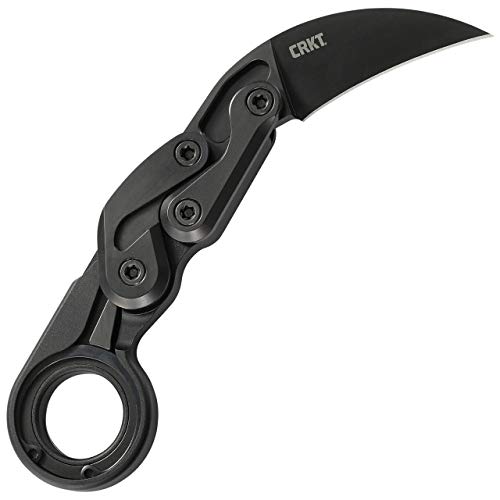


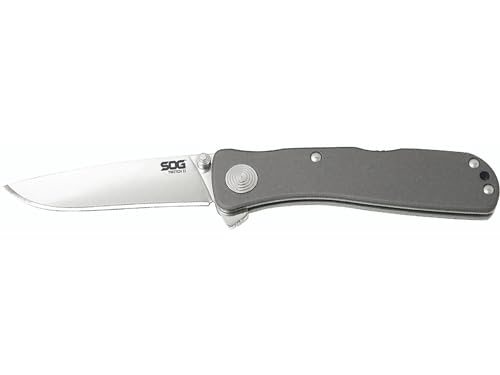


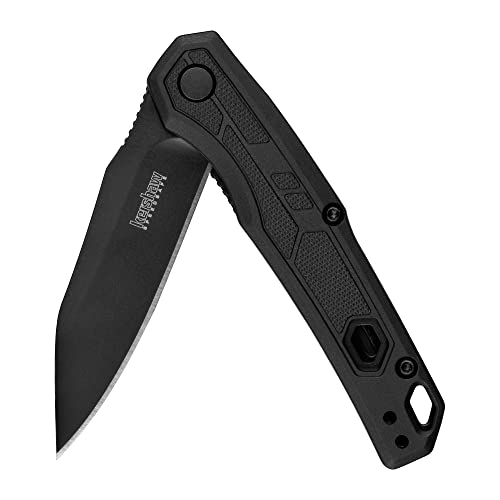
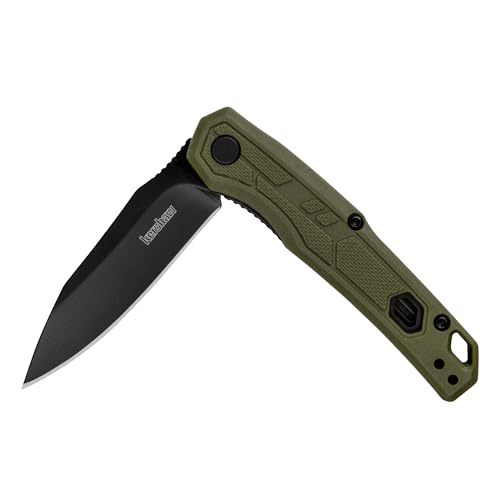


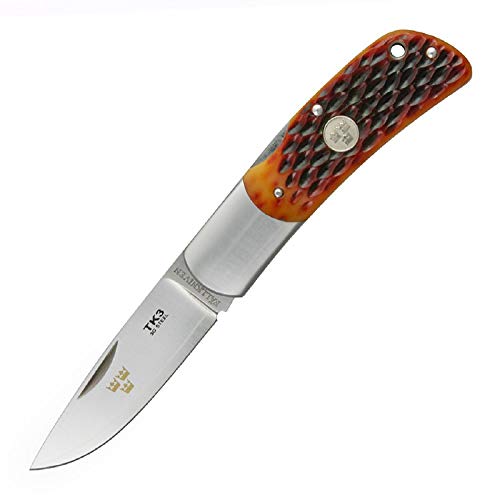


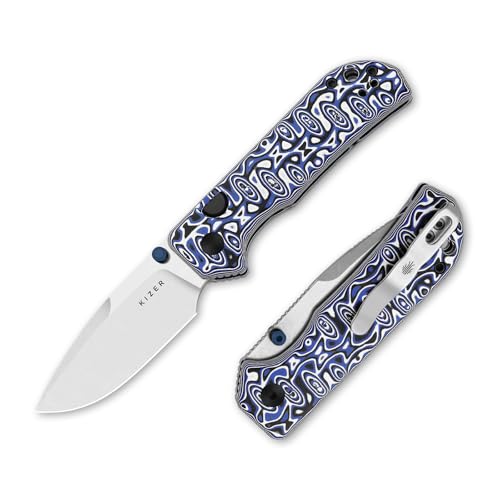


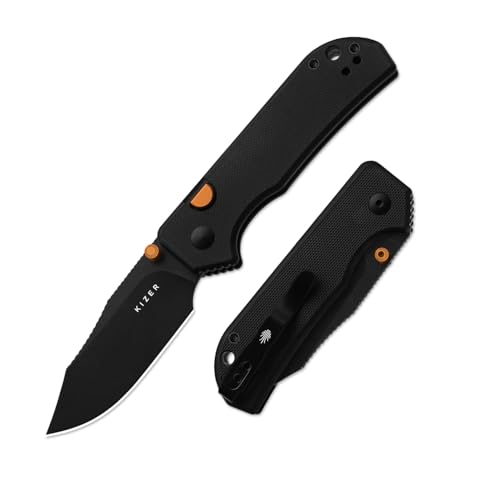


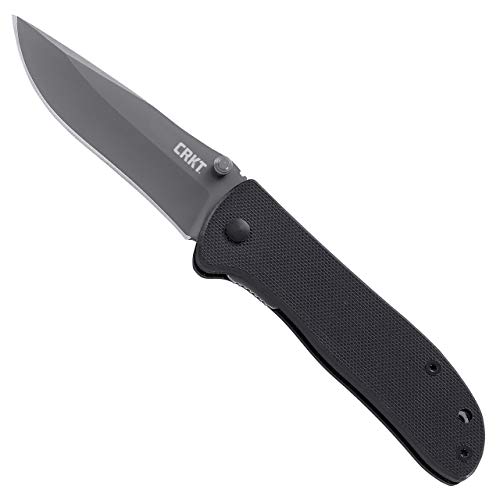


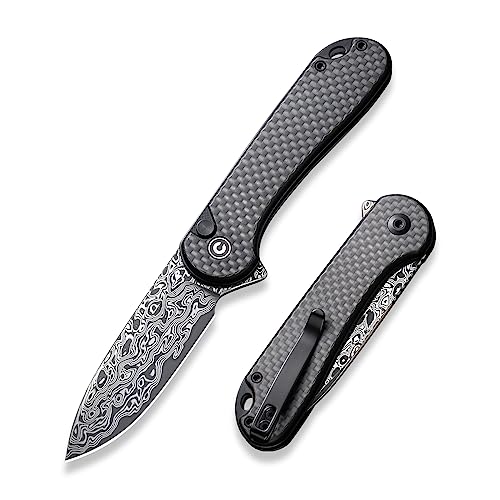


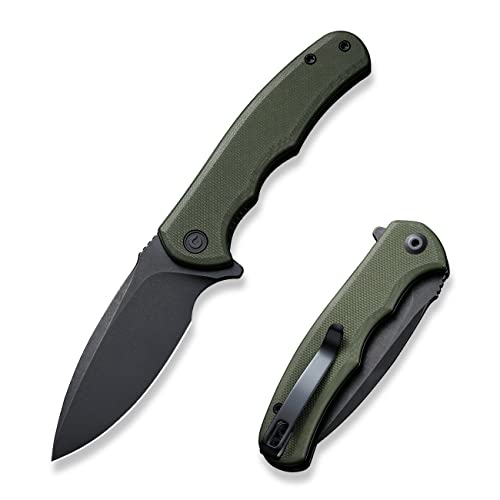

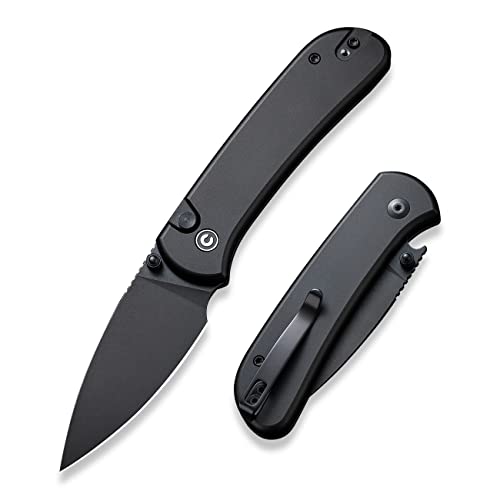


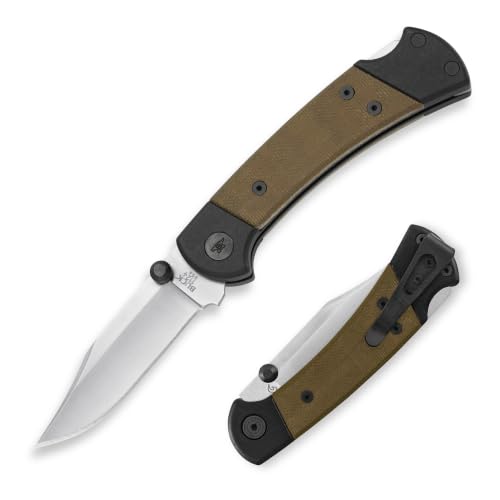


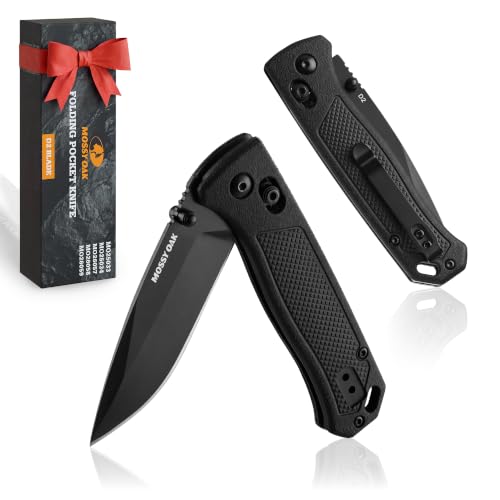


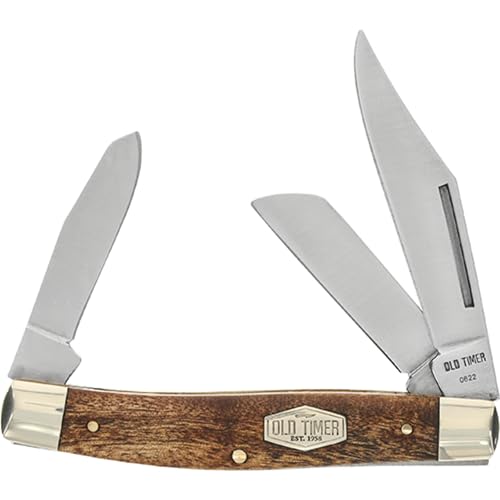


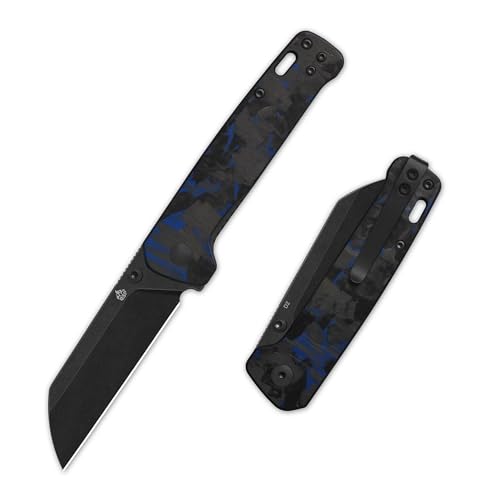


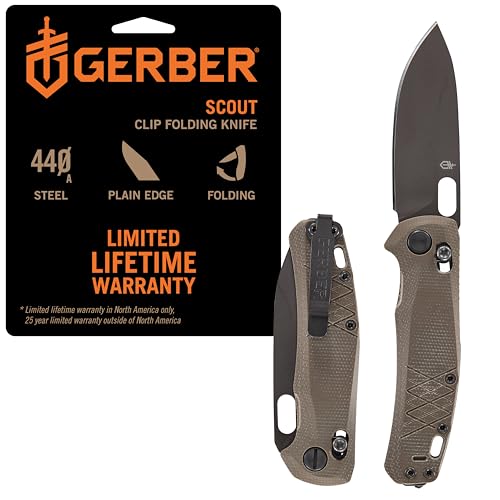


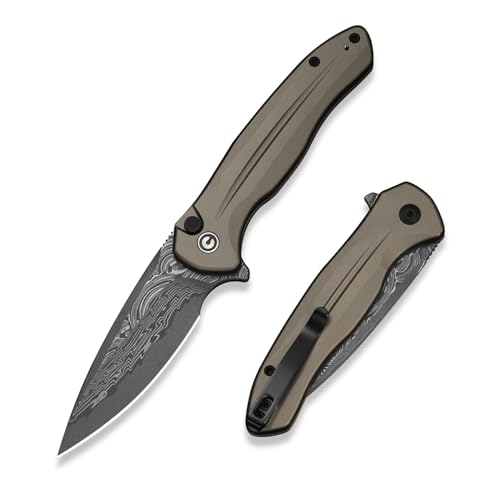


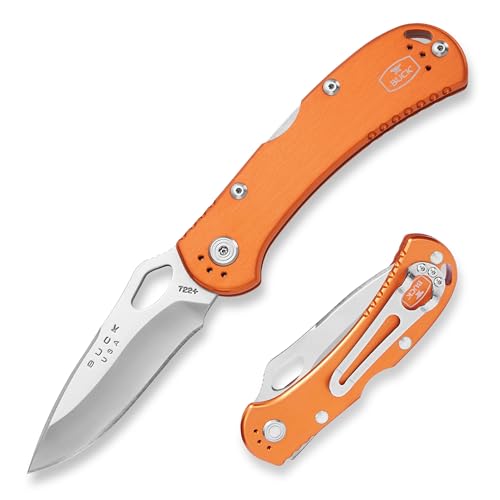


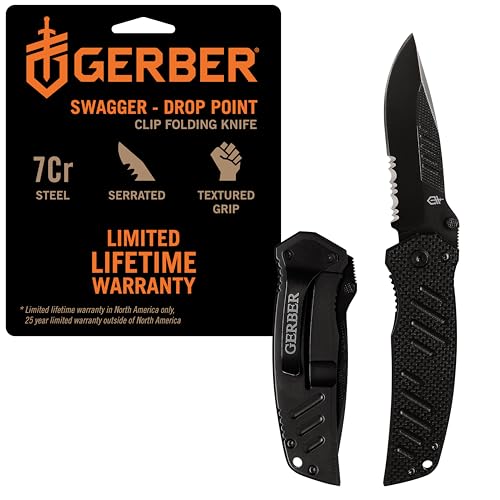


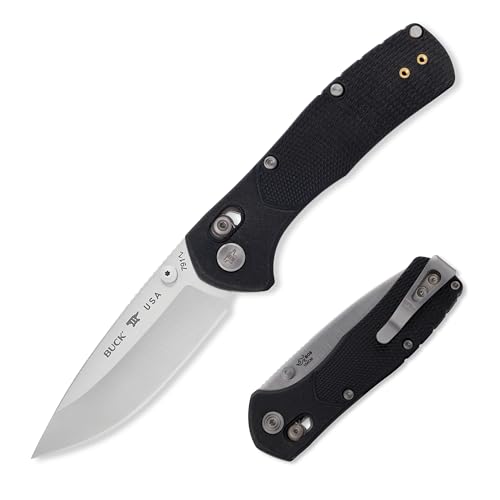


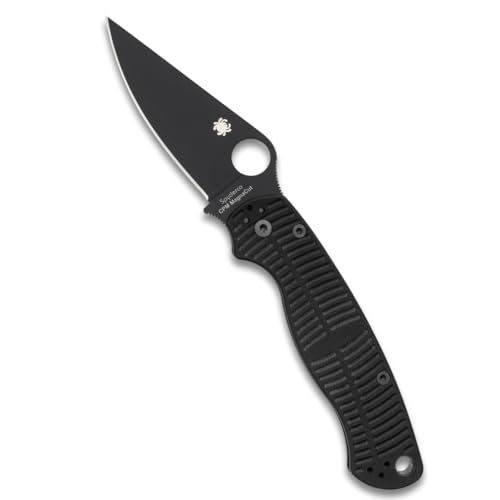


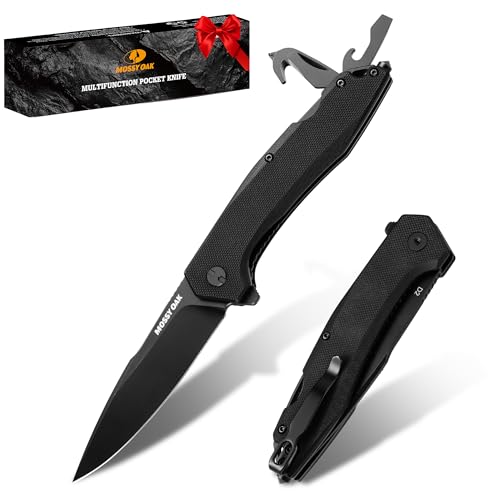


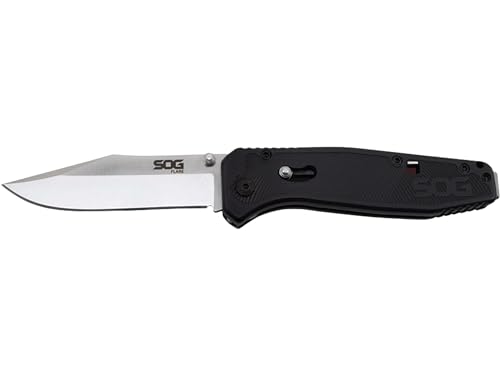


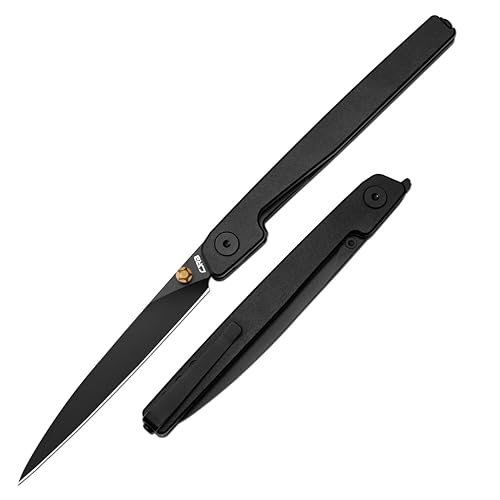


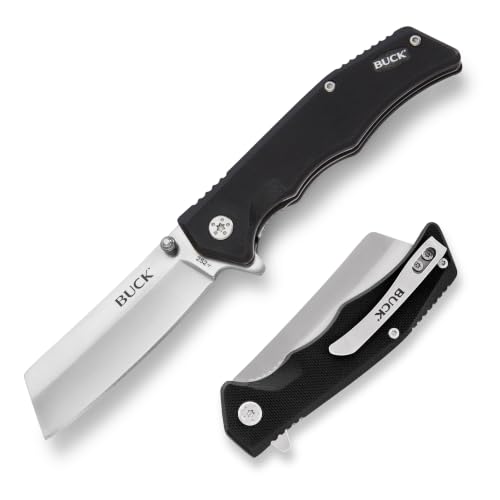


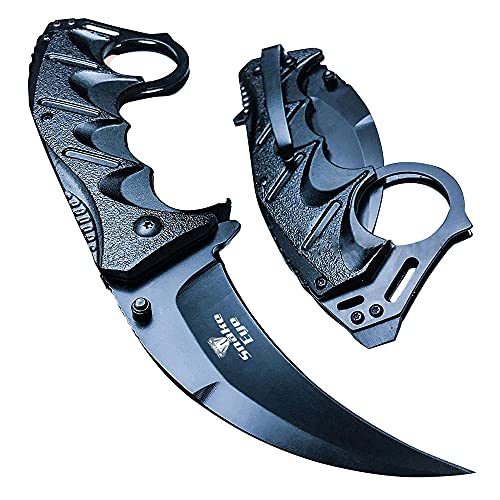


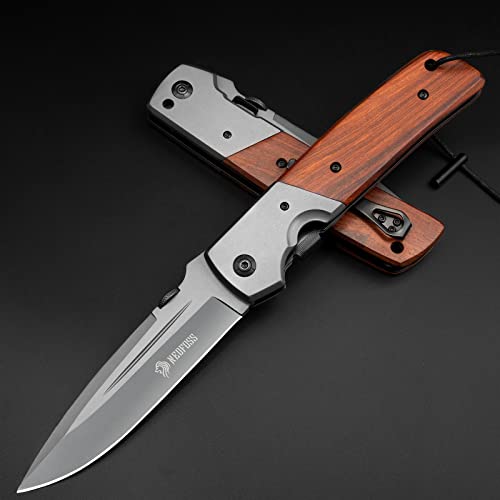


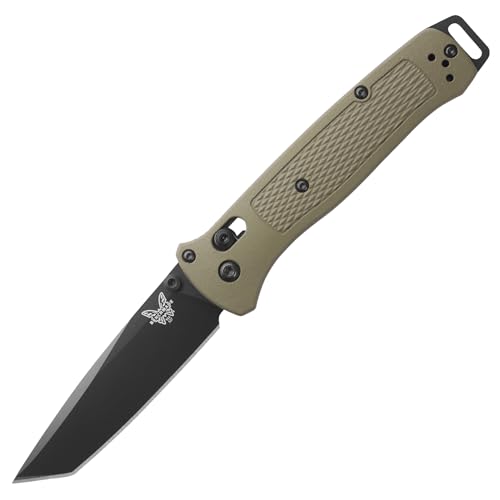


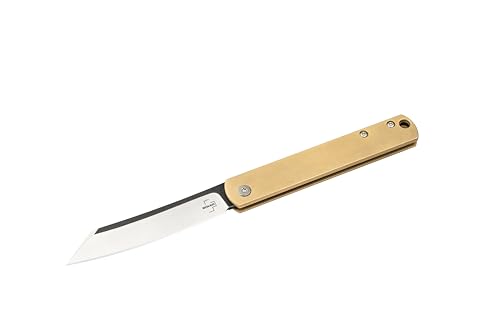


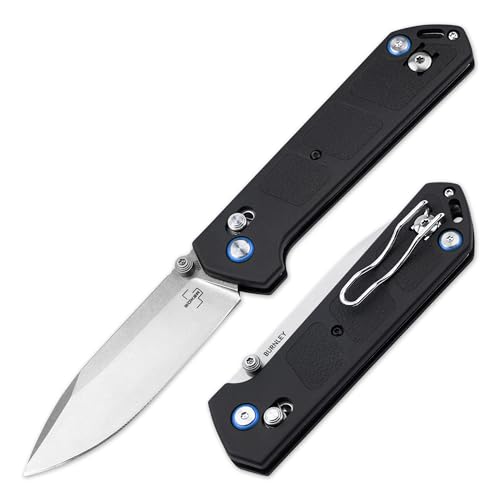


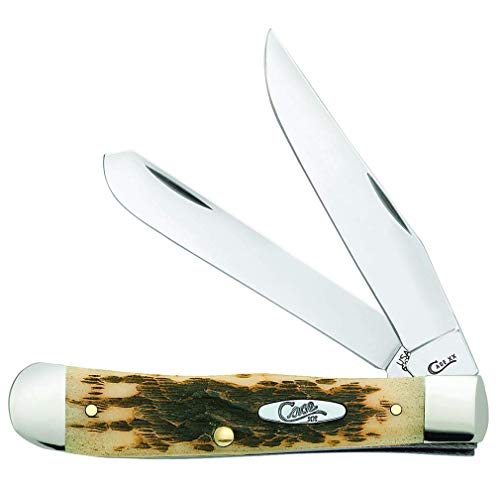


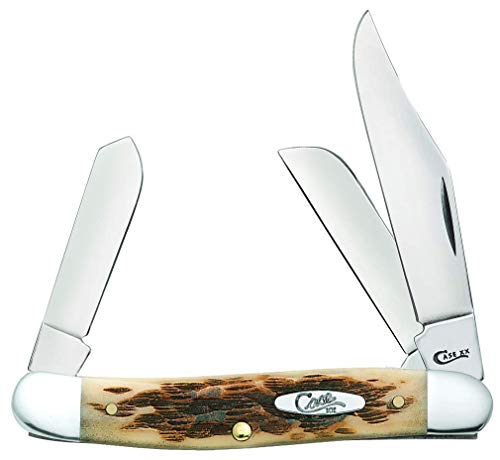


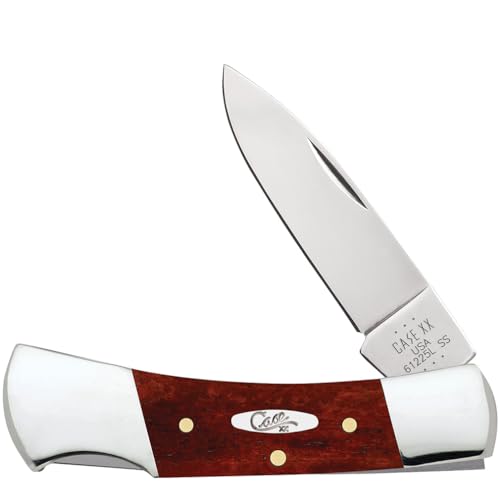








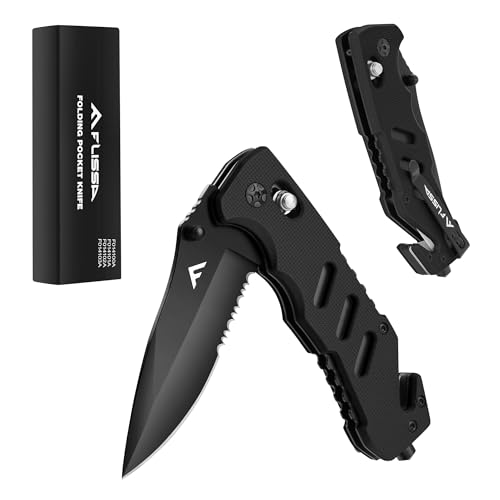




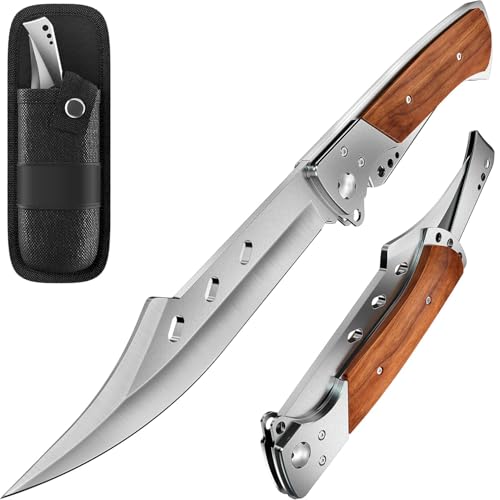


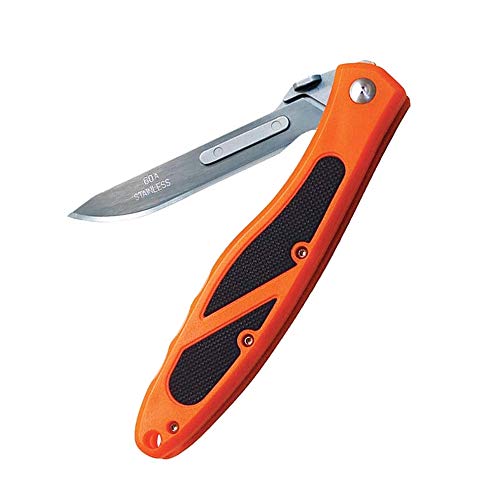


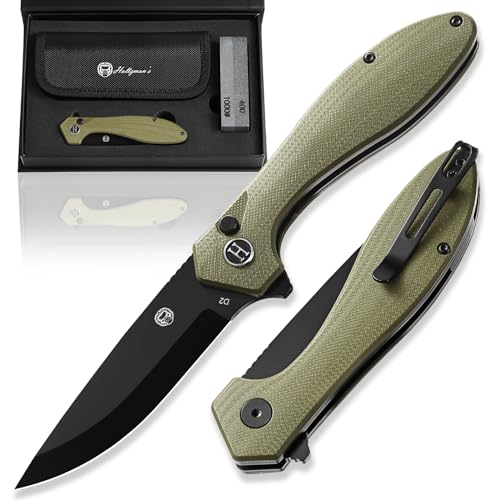


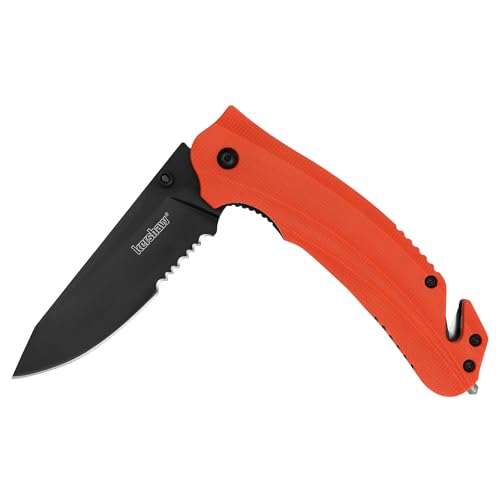


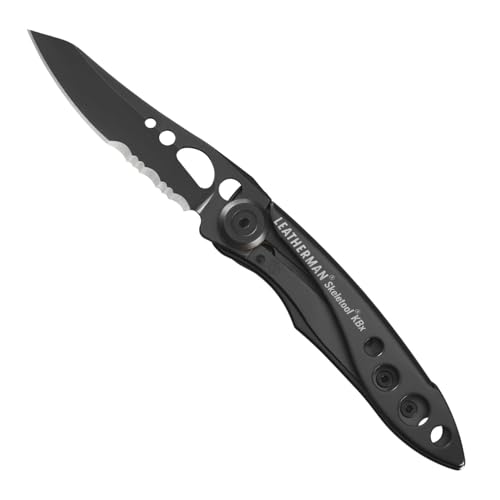


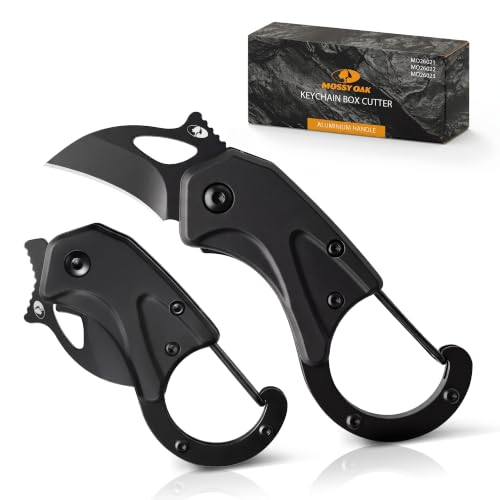


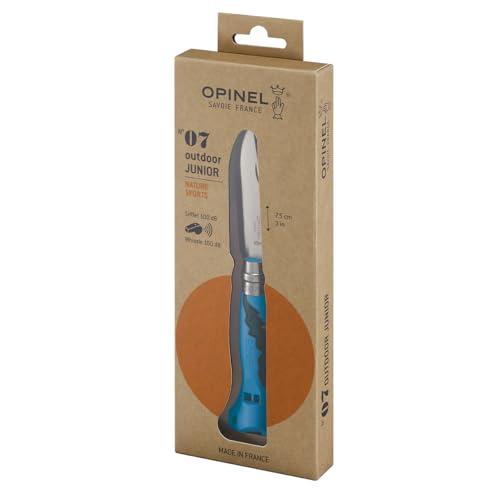


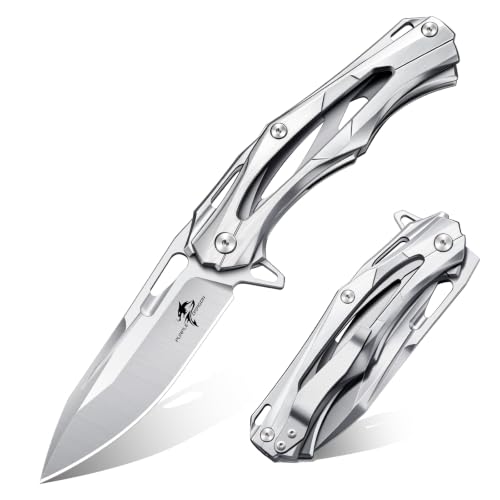


What’s in this listEvery folding pocket knife we track on Amazon US, by blade length. “—” means neither the maker nor the Amazon listing states it.
What a pocket knife is, and the one choice that matters first
A pocket knife is a knife with one or more blades that fold into the handle. You'll also hear jackknife and folding knife; they mean the same thing. Wikipedia puts typical pocket knife blades at about 2 to 6 inches, which covers everything from a keychain peanut to a big lockback that rides on a belt.
The choice that sorts every folding knife is how the blade stays open.
- Slip joint: no lock. A backspring snaps the blade open and closed and holds it there, but it will fold under enough pressure.
- Locking blade: something catches the blade when it's open, and you have to release it before the knife will close.
Most light-duty pocket knives are slip joints, and they tend to run smaller than locking folders. That's what Grandpa carried. It's still a good knife for feed sacks, twine, apples and the endless small jobs around a cabin.
Here's the thing. A slip joint works fine as long as you cut the way it's built to cut. The trouble starts when you lean on the spine or push the point into something hard. That's when a locking blade earns its keep.
The table on this page lists folding knives sold on Amazon US, shortest blade first. It shows blade length, overall length, weight, steel, blade shape, handle and opening method. The maker's numbers come first and the Amazon listing's fill gaps (marked as listing values), except weight, which is the maker's alone. When neither states a value, you get a dash, not a guess.
How to choose a pocket knife, one spec at a time
These are the specs that change from one knife to the next, in the order I'd look at them.
Lock type decides what jobs the knife can take
Benchmade's mechanism guide lays out the common locks plainly. My summary:
- Slip joint: spring tension only, noticeable stops open and closed, no true lock
- Lockback: a slip joint with a hook on the backspring; press the spine to release it
- Liner lock: a spring-cut liner inside the handle slides behind the blade
- Frame lock: the same idea, cut from the handle frame itself
- Crossbar locks: a spring-loaded bar across the blade tang, released from either side
Benchmade calls the frame lock stronger than a liner lock, with one catch: closing it means putting your hand in the blade path. Liner locks close one-handed easily. Lockbacks are the old reliable, simple and traditional.
Rule of thumb: slip joint for small, careful cuts. Any lock for work where the blade could get pushed back toward your fingers. The table's lock column says which you're looking at when the maker or the listing states it.
Blade count and pattern tell you what the knife was built for
Traditional pocket knives come in named patterns, and the name tells you the blade lineup. From Wikipedia's pattern list:
- Stockman: three blades (clip, sheepsfoot, spey), usually medium size
- Trapper: a clip and a spey, both hinged at the same end
- Congress: curved front, straight back, usually four blades
- Canoe: shaped like a canoe, typically two drop-point blades
- Peanut: small, a clip and a drop point from the same end
- Sodbuster: one blade, simple handle, no bolster
The Barlow, with its long bolster and one or two blades, has its own Barlow knife page.
More blades means more choices for the job and more weight in the pocket. A three-blade stockman lets you keep one edge sharp for the fine work and use another on cardboard. A single blade is simpler to clean and to keep sharp.
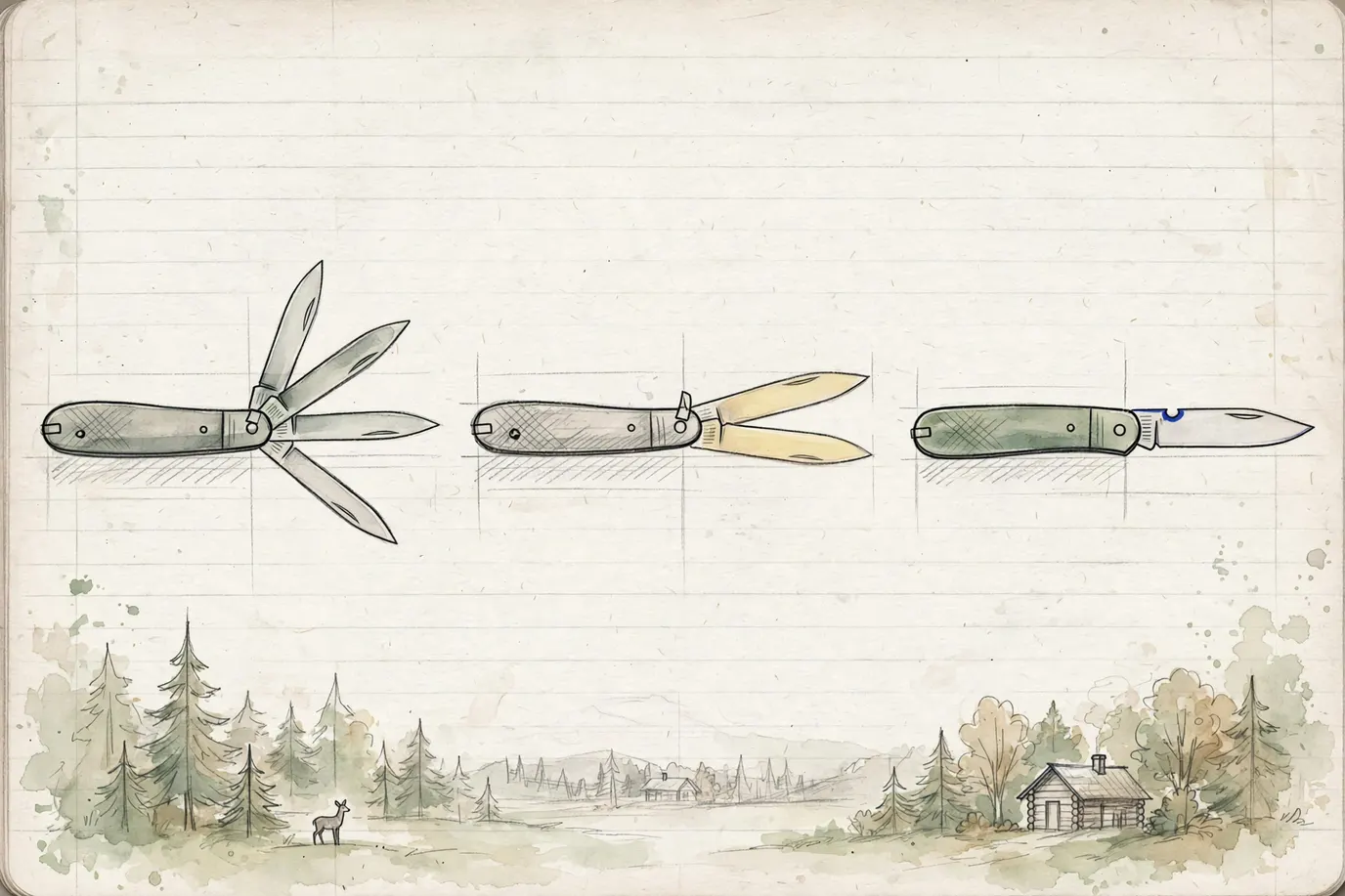
Blade shape decides how the knife cuts
Benchmade's blade guide covers the shapes you'll see on pocket knives:
- Drop point: spine slopes down to the tip, broad belly; their all-purpose pick
- Clip point: a cut-out on the spine near the tip for a fine point and detail work
- Sheepsfoot: controlled slicing without the risk of piercing
- Trailing point: spine curves up, long edge, good for skinning
- Tanto: angular, reinforced tip, mostly on tactical knives
The clip point shows up on most traditional patterns. The drop point is the better all-rounder if you only get one blade. The spey blade, the third shape you'll see in those patterns, rides along on stockmans and trappers, per Wikipedia's pattern list. More on clip blades is on the clip point knife page.
Steel type is a trade between edge and upkeep
The table shows the steel grade when it's listed, plus a simpler steel type: stainless, carbon, tool steel, powder steel or Damascus.
One traditional maker, W.R. Case, explains the basic split well. Its carbon steels are known for holding an edge and resharpening easily, but they tarnish and rust sooner than stainless when they meet air and moisture. Its stainless resists tarnish, stains and rust with minimal care. Case calls the choice largely personal preference. I agree with them, and I've had this argument at the cabin table more than once.
AKTI's maintenance page adds the fine print: even stainless can be harmed by water and some chemicals, and salt water is especially hard on steel. Stainless means "stains less," not "stains never." Patterned steel has its own Damascus pocket knife page.
Blade length, overall length and weight set how it carries
Three numbers in the table work together:
- Blade length: the cutting part
- Overall length: blade open plus handle
- Weight: in ounces, as the maker lists it
Closed length isn't always listed, but you can estimate it by subtracting the blade length from the overall length. That's the number your pocket feels. If ounces are your main concern, the lightweight pocket knife page sorts by weight instead.
Longer blades reach across a sandwich or a deer's rib cage better. Shorter blades are easier to control on small cuts. Measure twice, carry once.
Opening method decides one hand or two
Traditional pocket knives open with a nail nick, a notch in the blade for your thumbnail. Boker's opening guide calls it the tried and tested opening aid on two-handed knives. Two hands, slower, almost nothing to break.
Modern folders add one-hand options: a thumb stud, a thumb hole or a flipper tab on the back of the blade. Assisted openers use a spring once you start the blade moving, and they have their own spring assisted knife page. The table's opening column shows which one a knife uses.
I'll say this for the nail nick. In all the years I have carried one, it has never once opened in my pocket.
Handle material decides grip, weight and looks
Benchmade's materials guide is useful even for traditional knives:
- G10: fiberglass laminate, doesn't absorb water, textures well
- Aluminum: notably lighter than steel or titanium, but feels cold in low temperatures
- Titanium: low weight for its strength, naturally corrosion-resistant
- Stabilized wood: warm, natural grip, resists warping better than raw wood
- Glass-filled nylon: low weight, holds its shape across temperatures
Traditional pocket knives often wear plastic, bone or wood scales over a steel liner. Plastic handles are light and shrug off water. Bone and wood look better and need a little more care. Pick what you can grip with wet, cold hands in November. Looks are for the other eleven months.
Edge type: plain or serrated
Spyderco describes a plain edge as easy to sharpen and suited to general use and precise cuts. Its serrated edge cuts fibrous material like rope faster. Most traditional pocket knives come plain. If you cut a lot of baling twine, a serrated section helps. If you sharpen your own knives at the kitchen table, plain is far easier to keep sharp.
Pocket knives versus a fixed blade for deer camp
My one opinion on this page: a pocket knife is a chore knife, not a field-dressing knife.
The reason is in the makers' own care pages. Benchmade says pocket lint, dirt, food residue and moisture build up on the blade and in the pivot, and that buildup can lead to corrosion. A fixed blade has no pivot and no lock to pack full of whatever came out of the deer. Benchmade's category guide also notes that fixed blades have no moving parts, so they're less prone to failure.
So I carry a folding knife every day and a fixed blade in the pack in November. If field dressing is the main job, start on the fixed blade knife page or the hunting knife page.
Who should skip a traditional pocket knife
- Gloved one-hand users: a nail nick is tough in thick gloves; look at everyday carry knives with a stud or flipper
- Hard-use cutters: if you pry, push or cut toward a stop, pick a locking blade
- People who want pliers too: a multi-tool carries a blade plus tools
A first pocket knife for a new hunter
A first knife should be simple enough to learn on. AKTI's first-knife advice starts with knowing how the knife works and practicing opening and closing it safely before using it. It also says to carry the knife with the blade shut, and to ask yourself where the blade will go if it slips.
That points toward a small knife with one or two blades, a nail nick and either a slip joint the new owner has been taught to respect or a lockback with an easy release. Fancy openers can wait. Picks sized for young hands are on the pocket knife for kids page. Some places, like schools, are off limits for knives, so go over that too.
Care: clean it, dry it, oil the joint
A pocket knife asks for about ten minutes a few times a year.
- Look it over every few months, as AKTI suggests, and pick dirt and lint out of the handle with a toothpick.
- Wipe the blade with warm, soapy water on a soft cloth. Benchmade says not to soak a folding knife.
- Dry it completely, inside the handle too.
- Put a drop or two of light oil on the pivot and lock, work the blade a few times, then wipe off the extra.
- Store it closed and dry. Benchmade warns off damp basements and gloveboxes.
Sharpen more often than you think. AKTI's view is that a sharp blade is a safe blade, because it needs less force and is less likely to slip. That's a Saturday-afternoon job, and it's cheaper than stitches.
Open, use and close it safely
Keep your fingers out of the blade's path when you close any folding knife. AKTI says every quality folder has a bias toward closure, and the spring can snap the blade shut partway through its swing.
- Cut away from your body and from anyone near you.
- On a slip joint, never press the blade in the direction that would fold it.
- Close the knife before you hand it to someone, as Victorinox's rules put it.
- Never carry it open in a pocket.
Knife carry rules vary by state and by place. Check your state's rules before you carry.
That's the whole system. Pick the lock first, the pattern second, the steel third. Then keep it sharp and keep it dry. It'll outlast the pencil.
Brands in this list
Related
Questions people ask
What are the different types of pocket knife?
Sort them two ways. By mechanism: slip joints, held open by a spring, and locking folders such as lockbacks, liner locks and frame locks. By pattern: traditional shapes with names like stockman (three blades), trapper (two blades from one end), congress (usually four), canoe, peanut and sodbuster (one blade, no bolster). Modern single-blade folders with a clip are the third big family.
Is a slip joint pocket knife safe?
It's safe if you use it the way it's built. A slip joint has no lock, so a spring holds the blade open but lets it fold under pressure. The American Knife and Tool Institute says not to push on a non-locking blade in a direction that could close it on your fingers. For hard cuts and stabbing pressure, use a locking blade.
Stainless or carbon steel for a pocket knife?
Stainless if you want low upkeep. Carbon if you don't mind wiping and oiling. One traditional maker describes its carbon steels as holding an edge and resharpening easily, but tarnishing and rusting sooner than stainless around air and moisture. AKTI adds that even stainless can be harmed by water, and salt water is especially corrosive.
How often should I oil a folding knife?
Whenever the action gets gritty, and after cleaning. AKTI suggests looking it over every few months, picking dirt out with a toothpick and putting light oil on the folding mechanism if the knife sees heavy use. One maker says a drop or two on the pivot is usually enough. Wipe off the extra; it collects lint.
Sources
- Wikipedia: Pocketknife — accessed 2026-10-22
- Benchmade: Understanding knife mechanisms, a complete guide — accessed 2026-10-22
- Benchmade: Knife blade types 101 — accessed 2026-10-22
- Benchmade: Knife handle materials 101 — accessed 2026-10-22
- Benchmade: Knife care 101 — accessed 2026-10-22
- Benchmade: What's your next Benchmade? (knife categories) — accessed 2026-10-22
- W.R. Case & Sons knowledge base: The Case edge (carbon and stainless steels) — accessed 2026-10-22
- Boker USA: Opening mechanisms — accessed 2026-10-22
- Spyderco: Edge types — accessed 2026-10-22
- American Knife and Tool Institute: Knife safety, sharpening and maintenance — accessed 2026-10-22
- American Knife and Tool Institute: My first knife — accessed 2026-10-22
- Victorinox: Our nine key rules — accessed 2026-10-22