Trail Cameras & Optics · Gear type
Trail Camera
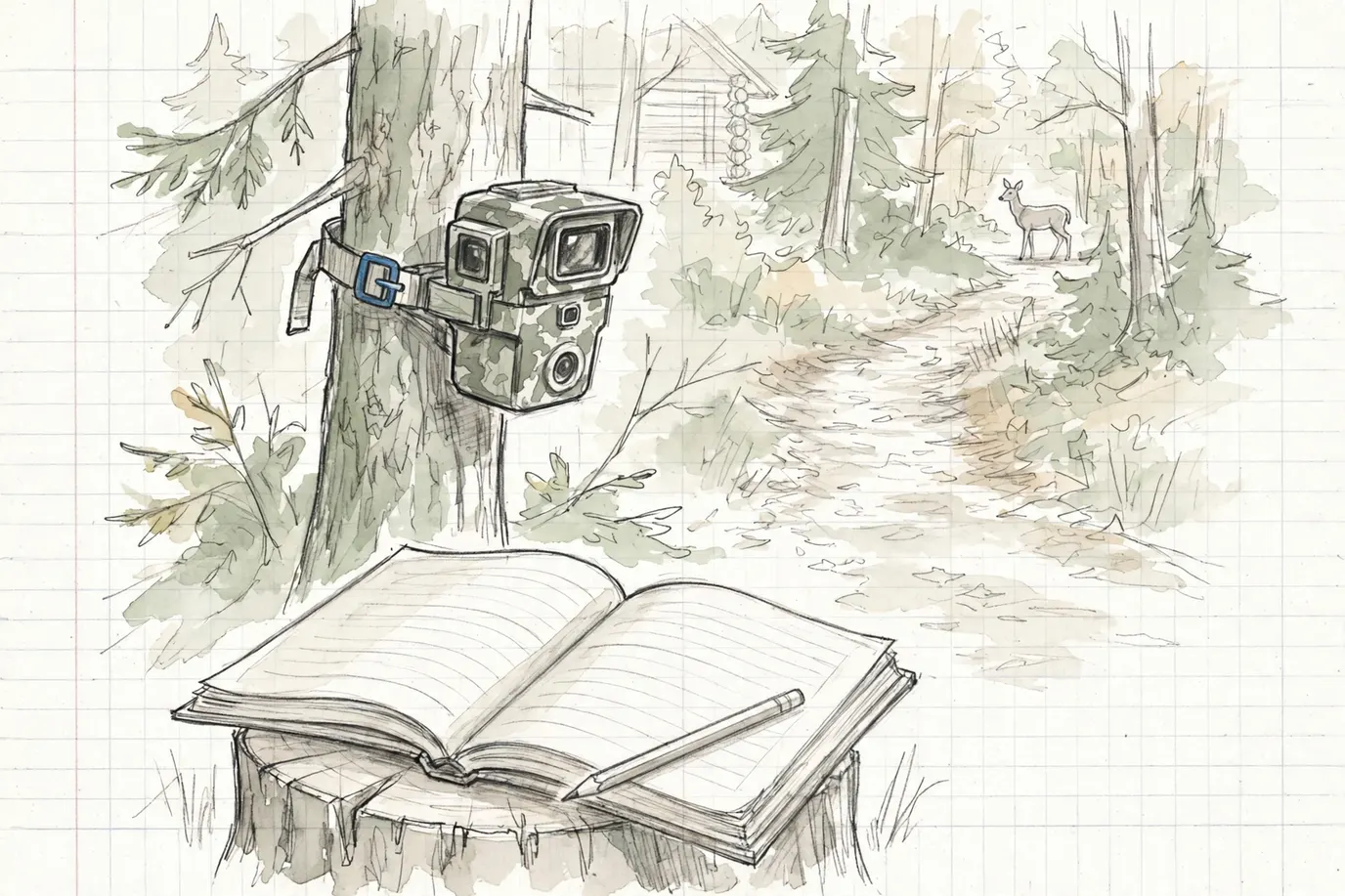
A trail camera is a weatherproof box with a heat-and-motion sensor that takes a photo or video when a deer walks past, day or night. For deer hunting, the choice comes down to three things: how fast it fires, how it lights the night, and how you'll get the pictures (card, cellular or Wi-Fi). Everything else is detail. Placement matters more than any of it. (Uncle Walt calls ours "the night shift." He's never once thanked it.)
We earn a commission if you buy through our links, at no cost to you. Disclosure
| Model | Units in pack | Connectivity | Photo resolution | Video | Trigger speed | Night/flash range | Amazon |
|---|---|---|---|---|---|---|---|
Blazevideo 4K 64MP Trail CameraTrail camera More specs
| — | — | 64 MPlisting | 4klisting | 0.1 slisting | 100 ftlisting | Check price |
Blazevideo A106 Trail CameraTrail camera More specs
| — | — | 64 MPlisting | 4klisting | 0.1 slisting | 100 ftlisting | Check price |
Blazevideo 2K 32MP Trail CameraTrail camera More specs
| — | — | 32 MPlisting | 1440p 2klisting | 0.2 slisting | 100 ftlisting | Check price |
Blazevideo 4G Cellular Trail CameraTrail camera More specs
| — | Cellularlisting | 48 MPlisting | — | — | — | Check price |
Blazevideo 4K 64MP WiFi Bluetooth Trail CameraTrail camera More specs
| — | Wifi bluetoothlisting | 64 MPlisting | 4klisting | 0.1 slisting | 90 ftlisting | Check price |
Blazevideo 4K 64MP Trail CameraTrail camera | — | — | 64 MPlisting | 4klisting | 0.1 slisting | — | Check price |
Browning Dark 1080 1.5-InchTrail camera | — | — | — | 1080plisting | — | 90 ftlisting | Check price |
Browning Strike Force Pro X 1080Trail camera | — | — | 24 MPlisting | 1080plisting | 0.22 slisting | 120 ftlisting | Check price |
Browning Defender Pro Scout Max Extreme HDTrail camera More specs
| — | Cellularlisting | 22 MPlisting | 1080plisting | 0.25 smaker | 120 ftmaker | Check price |
Browning Defender Pro Scout Max Extreme HDTrail camera More specs
| 2listing | Cellularlisting | 22 MPlisting | 1080plisting | 0.25 smaker | 120 ftmaker | Check price |
Browning Strike Force Pro DCL Nano 26MPTrail camera | — | — | 26 MPlisting | 4klisting | 0.15 slisting | 130 ftlisting | Check price |
Browning Command Ops Elite 40MPTrail camera More specs
| — | — | 40 MPlisting | — | 0.3 slisting | 80 ftlisting | Check price |
Browning Command Ops Elite 40MPTrail camera | 2listing | — | 40 MPlisting | — | 0.3 slisting | — | Check price |
Browning Spec Ops Elite HP5 46MPTrail camera | — | — | 46 MPlisting | 1440p 2klisting | — | 100 ftlisting | Check price |
Browning Defender Pro Scout Max HD DVTrail camera More specs
| — | Cellularlisting | 46 MPlisting | 1080plisting | 0.25 slisting | 100 ftmaker | Check price |
Browning Defender Pro Scout Max 2-PackTrail camera | 2listing | Cellularlisting | — | — | 0.25 slisting | — | Check price |
Bushnell CORE 30MP Dual SensorTrail camera More specs
| — | — | 30 MPlisting | 1080plisting | 0.2 slisting | 100 ftlisting | Check price |
Bushnell Core DS No GlowTrail camera More specs
| — | — | 30 MPlisting | 1080plisting | 0.2 slisting | 80 ftlisting | Check price |
Bushnell Prime Low GlowTrail camera More specs
| — | — | 24 MPlisting | 1080plisting | 0.3 slisting | 80 ftlisting | Check price |
Bushnell CORE S-4K No GlowTrail camera More specs
| — | — | 30 MPlisting | 4klisting | 0.2 slisting | 110 ftlisting | Check price |
Bushnell Core DS-4K No GlowTrail camera More specs
| — | — | 32 MPlisting | 4klisting | 0.15 slisting | 120 ftlisting | Check price |
Bushnell Prime L20 Low GlowTrail camera More specs
| — | — | 20 MPlisting | 1080plisting | 0.4 slisting | 100 ftlisting | Check price |
Bushnell Spot-On Low Glow 18MPTrail camera More specs
| 2listing | — | 18 MPlisting | — | — | 50 ftlisting | Check price |
Bushnell CelluCORE 20Trail camera More specs
| — | Cellularlisting | 20 MPlisting | 1080plisting | — | 80 ftmaker | Check price |
Bushnell CelluCORE LiveTrail camera More specs
| — | Cellularlisting | 32 MPlisting | 1080plisting | 0.3 slisting | 100 ftmaker | Check price |
Ceyomur 36MP Trail CameraTrail camera More specs
| — | — | 36 MPlisting | 1440p 2klisting | — | — | Check price |
Ceyomur 4K UHD Solar Trail CameraTrail camera More specs
| — | Wifi bluetoothlisting | — | 4klisting | — | — | Check price |
Ceyomur 4K 68MP Solar WiFi Trail CameraTrail camera More specs
| — | Wifi bluetoothlisting | 68 MPlisting | 4klisting | — | — | Check price |
Ceyomur Cellular Solar PTZ Trail CameraTrail camera More specs
| — | Cellularlisting | — | 1440p 2klisting | — | — | Check price |
Ceyomur 4G LTE Cellular Trail Camera with SIM CardTrail camera More specs
| — | Cellularlisting | — | 1440p 2klisting | — | — | Check price |
Covert Scouting Cameras ICE Infrared Game Camera 8MPTrail camera More specs
| — | — | 8 MPlisting | 720plisting | 0.4 slisting | — | Check price |
| — | Cellularlisting | 16 MPlisting | 1080plisting | 0.4 slisting | 75 ftlisting | Check price | |
Covert Scouting Cameras Interceptor Solar Cellular Trail CameraTrail camera More specs
| 1listing | Cellularlisting | 32 MPlisting | 1440p 2klisting | 0.4 slisting | 90 ftlisting | Check price |
| — | Cellularlisting | 20 MPlisting | 1080plisting | 0.4 slisting | 90 ftlisting | Check price | |
| — | Cellularlisting | 16 MPlisting | 720plisting | 0.4 slisting | 75 ftlisting | Check price | |
Cuddeback Tracks LTC-2A LTETrail camera More specs
| — | Cellularlisting | — | — | 0.25 slisting | 100 ftlisting | Check price |
Cuddeback CuddeLink Wireless Trail Camera Sensor BundleTrail camera More specs
| 4listing | — | — | — | — | — | Check price |
Cuddeback CuddeLink Strobe LL-1ATrail camera More specs
| 1listing | — | — | — | — | — | Check price |
Cuddeback CuddeLink Wireless 3rd Gen Trail CameraTrail camera More specs
| — | — | — | — | — | — | Check price |
GardePro A3STrail camera More specs
| — | None sd cardlisting | 64 MPlisting | 1296plisting | 0.1 slisting | 100 ftlisting | Check price |






GardePro E5Trail camera More specs
| — | None sd cardlisting | 48 MPlisting | 1296plisting | 0.1 slisting | 100 ftlisting | Check price |
|---|---|---|---|---|---|---|---|
GardePro E6 WiFiTrail camera More specs
| — | Wifi bluetoothlisting | 64 MPlisting | 1296plisting | — | 75 ftlisting | Check price |
GardePro E5STrail camera More specs
| — | None sd cardlisting | 64 MPlisting | 1296plisting | 0.1 slisting | 100 ftlisting | Check price |
GardePro E5S 64MPTrail camera More specs
| — | None sd cardlisting | 64 MPlisting | 1296plisting | 0.1 slisting | 100 ftlisting | Check price |
GardePro A3Trail camera More specs
| — | None sd cardlisting | 48 MPlisting | 1296plisting | 0.1 slisting | 100 ftlisting | Check price |
GardePro X50P CellularTrail camera More specs
| — | Cellularlisting | — | — | — | — | Check price |
GardePro A60 4KTrail camera More specs
| — | None sd cardlisting | 64 MPlisting | 4klisting | 0.1 slisting | 100 ftlisting | Check price |
GardePro E8PMB WiFiTrail camera More specs
| — | Wifi bluetoothlisting | — | — | — | — | Check price |
GardePro X50STrail camera More specs
| — | Cellularlisting | 48 MPmaker | 1296pmaker | 0.1 slisting | 100 ftlisting | Check price |
GardePro X66 ProTrail camera More specs
| — | Cellularlisting | — | — | — | 100 ftmaker | Check price |
GardePro X66 ProTrail camera More specs
| 2listing | Cellularlisting | — | — | — | 100 ftmaker | Check price |
GardePro E8 2.0 WiFi BluetoothTrail camera More specs
| — | Wifi bluetoothlisting | — | 4klisting | — | — | Check price |
GardePro E8 2.0 Pro WiFi BluetoothTrail camera | — | Wifi bluetoothlisting | — | 4klisting | — | — | Check price |
GardePro X66 ProTrail camera More specs
| — | Cellularlisting | — | — | — | 100 ftmaker | Check price |
GardePro X66 Pro Cellular with SP350 Solar PanelTrail camera More specs
| 1listing | Cellularlisting | — | — | — | — | Check price |
GardePro E8 2.0 Pro Solar WiFiTrail camera More specs
| — | Wifi bluetoothlisting | 64 MPlisting | 4klisting | — | — | Check price |
GardePro Link 1.0 R3 Pro + HubTrail camera | — | Wifi bluetoothlisting | — | — | — | — | Check price |
GardePro Link 1.0 Hub + 4 R3 ProTrail camera | 4listing | Wifi bluetoothlisting | — | — | — | — | Check price |
GardePro Link 1.0 Hub + 2 R3 ProTrail camera | 2listing | Wifi bluetoothlisting | — | — | — | — | Check price |
GardePro Link 1.0 Hub + 3 R3 ProTrail camera | 3listing | Wifi bluetoothlisting | — | — | — | — | Check price |
Maxdone Solar WiFi Trail Camera 4K 64MPTrail camera More specs
| — | Wifi bluetoothlisting | 64 MPlisting | 4klisting | — | — | Check price |
Maxdone Solar WiFi Trail Camera 4K 64MPTrail camera More specs
| — | Wifi bluetoothlisting | 64 MPlisting | 4klisting | 0.1 slisting | — | Check price |
Maxdone Solar WiFi Trail Camera 4K 64MPTrail camera More specs
| — | Wifi bluetoothlisting | 64 MPlisting | 4klisting | — | 65 ftlisting | Check price |
Maxdone Solar WiFi Trail Camera 4K 64MPTrail camera More specs
| — | Wifi bluetoothlisting | 64 MPlisting | 4klisting | — | — | Check price |
Maxdone Cellular 4G LTE 2K LiveTrail camera More specs
| — | Cellularlisting | — | 1440p 2klisting | — | — | Check price |
Maxdone Solar Trail Camera 4K 64MP 7800mAhTrail camera More specs
| — | Wifi bluetoothlisting | 64 MPlisting | 4klisting | — | — | Check price |
Maxdone Solar WiFi Trail Camera 4K 64MPTrail camera More specs
| — | Wifi bluetoothlisting | 64 MPlisting | 4klisting | — | 65 ftlisting | Check price |
Maxdone Solar WiFi Trail Camera 2 PackTrail camera More specs
| 2listing | Wifi bluetoothlisting | 64 MPlisting | 4klisting | 0.1 slisting | — | Check price |
Maxdone Solar Trail Camera 4K 64MPTrail camera More specs
| — | Wifi bluetoothlisting | 64 MPlisting | 4klisting | — | — | Check price |
Meidase Trail Camera 32MP 1296pTrail camera | — | None sd cardlisting | 32 MPlisting | 1296plisting | 0.1 slisting | 100 ftlisting | Check price |
Meidase P60 Pro 2K 48MPTrail camera More specs
| — | None sd cardlisting | 48 MPlisting | 1440p 2klisting | 0.1 slisting | 100 ftlisting | Check price |
Meidase P70 64MPTrail camera More specs
| — | None sd cardlisting | 64 MPlisting | 1296plisting | 0.1 slisting | 100 ftlisting | Check price |
Meidase P200 WiFi 64MPTrail camera More specs
| — | Wifi bluetoothlisting | 64 MPlisting | 1296plisting | 0.1 slisting | 100 ftlisting | Check price |
Meidase P300 ProTrail camera More specs
| — | Wifi bluetoothlisting | 64 MPlisting | 1296plisting | 0.1 slisting | 100 ftlisting | Check price |
Meidase P300 Pro 64GBTrail camera More specs
| — | Wifi bluetoothlisting | 64 MPlisting | 1296plisting | — | — | Check price |
Meidase S965 ProTrail camera More specs
| — | Cellularlisting | — | — | — | — | Check price |
Meidase P200 WiFi 64MPTrail camera More specs
| — | Wifi bluetoothlisting | 64 MPlisting | 1296plisting | 0.1 slisting | 100 ftlisting | Check price |
Meidase P300 Solar WiFiTrail camera More specs
| — | Wifi bluetoothlisting | 64 MPlisting | 1296plisting | — | — | Check price |
Meidase P300 Pro Solar WiFiTrail camera More specs
| — | Wifi bluetoothlisting | 64 MPlisting | 1296plisting | — | — | Check price |
Meidase S965 Pro SolarTrail camera More specs
| — | Cellularlisting | — | — | — | — | Check price |
Meidase S965 Pro Solar 10WTrail camera More specs
| — | Cellularlisting | — | — | — | — | Check price |
Meidase P80 ProTrail camera More specs
| — | Wifi bluetoothlisting | 48 MPlisting | 1296plisting | 0.2 slisting | 75 ftlisting | Check price |
Meidase P70 64MPTrail camera More specs
| — | None sd cardlisting | 64 MPlisting | 1296plisting | 0.1 slisting | 100 ftlisting | Check price |
Meidase P70 SP350 Solar ComboTrail camera More specs
| — | None sd cardlisting | 64 MPlisting | 1296plisting | — | — | Check price |
Meidase P70 SP350 Solar Combo 2 PackTrail camera More specs
| 2listing | None sd cardlisting | 64 MPlisting | 1296plisting | — | — | Check price |
Moultrie A900 BundleTrail camera More specs
| — | None sd cardlisting | 30 MPlisting | — | 0.4 slisting | 70 ftlisting | Check price |
Moultrie Edge 33MPTrail camera More specs
| — | Cellularlisting | 33 MPlisting | 720plisting | — | 80 ftlisting | Check price |
Moultrie Edge 33MP 2-PackTrail camera More specs
| 2listing | Cellularlisting | 33 MPlisting | 720plisting | — | 80 ftlisting | Check price |
Moultrie Edge Pro 36MPTrail camera More specs
| — | Cellularlisting | 36 MPlisting | 1080plisting | — | — | Check price |
Moultrie Edge Pro 36MP 2-PackTrail camera More specs
| 2listing | Cellularlisting | 36 MPlisting | 1080plisting | — | — | Check price |
Moultrie Edge 33MP 3-PackTrail camera More specs
| 3listing | Cellularlisting | 33 MPlisting | 720plisting | — | 80 ftlisting | Check price |
Moultrie Edge 33MP PowerMagTrail camera More specs
| — | Cellularlisting | 33 MPlisting | 720plisting | — | — | Check price |
Moultrie Edge 2 36MP 2-PackTrail camera More specs
| 2listing | Cellularlisting | 36 MPlisting | 1080plisting | — | 100 ftlisting | Check price |
Moultrie Edge 2 Pro 40MP 2-PackTrail camera More specs
| 2listing | Cellularlisting | 40 MPlisting | 1440p 2klisting | — | 100 ftlisting | Check price |
Moultrie Edge 2 Scrape Mate BundleTrail camera More specs
| — | Cellularlisting | 36 MPlisting | 1080plisting | 0.4 slisting | — | Check price |
Moultrie Edge 3 Solar Power PackTrail camera More specs
| — | Cellularlisting | 40 MPlisting | 1080plisting | 0.5 slisting | 100 ftlisting | Check price |
Moultrie Edge Solar 40MPTrail camera More specs
| — | Cellularlisting | 40 MPlisting | 1080plisting | 0.4 slisting | 100 ftlisting | Check price |
Moultrie Edge 3 Pro 50MPTrail camera More specs
| — | Cellularlisting | 50 MPlisting | 1440p 2klisting | 0.3 slisting | 100 ftlisting | Check price |
Moultrie Edge Solar Mossy Oak 40MPTrail camera More specs
| — | Cellularlisting | 40 MPlisting | 1080plisting | — | 100 ftlisting | Check price |
Moultrie Edge 4Trail camera More specs
| — | Cellularlisting | 40 MPlisting | 1080plisting | 0.4 slisting | 100 ftlisting | Check price |
Moultrie Edge 4 SolarTrail camera More specs
| — | Cellularlisting | 40 MPlisting | 1080plisting | — | — | Check price |
Muddy Pro Cam 14 MTC100KTrail camera | — | None sd cardlisting | 14 MPlisting | — | 0.7 slisting | 80 ftlisting | Check price |
Muddy Pro Cam 18 BundleTrail camera More specs
| — | None sd cardlisting | 18 MPlisting | — | 1.5 slisting | 50 ftlisting | Check price |
Muddy Manifest 2.0 Cellular 16MPTrail camera More specs
| — | Cellularlisting | 16 MPlisting | 1080plisting | 0.8 slisting | 80 ftlisting | Check price |
Muddy Mitigator Cellular 24MPTrail camera More specs
| — | Cellularlisting | 24 MPlisting | — | 0.7 slisting | 80 ftlisting | Check price |
Muddy Matrix Cellular 36MPTrail camera More specs
| — | Cellularlisting | 36 MPlisting | — | — | 80 ftlisting | Check price |
Muddy Revolver 360 36MPTrail camera More specs
| — | Cellularlisting | 36 MPlisting | 1080plisting | 0.4 slisting | 80 ftlisting | Check price |
Muddy Pro Cam 16MPTrail camera | — | — | 16 MPlisting | — | — | — | Check price |
Muddy Pro Cam 14 3 PackTrail camera | 3listing | None sd cardlisting | 14 MPlisting | — | — | — | Check price |
Muddy Mitigator 24MP Bundle 2-PackTrail camera More specs
| 2listing | Cellularlisting | 24 MPlisting | — | — | 80 ftlisting | Check price |
Muddy Mitigator 2.0 2-Pack ComboTrail camera More specs
| 2listing | Cellularlisting | 24 MPlisting | 720plisting | 0.5 slisting | 80 ftlisting | Check price |
Muddy Matrix 2.0 Power PackTrail camera More specs
| — | Cellularlisting | 36 MPlisting | 1080plisting | 0.4 slisting | 80 ftlisting | Check price |
Muddy Trifecta 180Trail camera More specs
| — | Cellularlisting | 36 MPlisting | 1080plisting | — | — | Check price |
Muddy Matrix 2.0 36MPTrail camera More specs
| — | Cellularlisting | 36 MPlisting | 1080plisting | 0.4 slisting | 80 ftlisting | Check price |
Muddy Trifecta 180 BundleTrail camera More specs
| — | Cellularlisting | 36 MPlisting | 1080plisting | — | — | Check price |
Muddy Manifest 3.0 16MPTrail camera More specs
| — | Cellularlisting | 16 MPlisting | — | 0.8 slisting | 80 ftlisting | Check price |
Muddy Merge 26MP 3-PackTrail camera More specs
| 3listing | Cellularlisting | 26 MPlisting | — | 0.4 slisting | — | Check price |
Muddy Pro Cam 20Trail camera More specs
| — | — | 20 MPlisting | 720plisting | 0.5 slisting | 80 ftlisting | Check price |
Muddy Mitigator 3.0 ComboTrail camera More specs
| — | Cellularlisting | 36 MPlisting | 720plisting | 0.5 slisting | 80 ftlisting | Check price |
Muddy Mitigator 3.0 Combo 2 PackTrail camera More specs
| 2listing | Cellularlisting | — | 720plisting | 0.5 slisting | 80 ftlisting | Check price |
Muddy Pro Cam 28 ComboTrail camera More specs
| — | None sd cardlisting | 28 MPlisting | 720plisting | 0.5 slisting | 80 ftlisting | Check price |
Muddy Mitigator 3.0 2-PackTrail camera | 2listing | Cellularlisting | 36 MPlisting | — | — | 80 ftlisting | Check price |
Muddy Manifest 3.0 3-PackTrail camera More specs
| 3listing | Cellularlisting | 16 MPlisting | 720plisting | — | 80 ftlisting | Check price |
Muddy Matrix 2.0 SOL-Pak BundleTrail camera More specs
| — | Cellularlisting | 24 MPlisting | — | — | 80 ftlisting | Check price |
Muddy Mitigator 3.0 3-PackTrail camera | 3listing | Cellularlisting | 36 MPlisting | — | — | 80 ftlisting | Check price |
Muddy Mitigator 3.0 SOL-Pak BundleTrail camera More specs
| — | Cellularlisting | 36 MPlisting | — | — | 80 ftlisting | Check price |
Sehmua Cellular 2K Live Streaming Gen 3Trail camera More specs
| — | Cellularlisting | — | 1440p 2klisting | 0.2 slisting | — | Check price |
Sehmua Dual Lens 180 2K CellularTrail camera More specs
| — | Cellularlisting | 24 MPlisting | 1440p 2klisting | 0.1 slisting | 82 ftlisting | Check price |
Sehmua Dual Lens 180 2K CellularTrail camera More specs
| — | Cellularlisting | 24 MPlisting | 1440p 2klisting | 0.1 slisting | 82 ftlisting | Check price |
Sehmua Cellular Trail Camera 2 PacksTrail camera More specs
| 2listing | Cellularlisting | — | — | 0.2 slisting | — | Check price |
Sehmua 4G LTE 360 2K LiveTrail camera More specs
| — | Cellularlisting | — | 1440p 2klisting | — | — | Check price |
Sehmua Cellular Trail Camera 2PTrail camera More specs
| 2listing | Cellularlisting | — | — | — | — | Check price |
Sehmua Cellular Trail Camera 2 Packs 2KTrail camera More specs
| 2listing | Cellularlisting | — | 1440p 2klisting | — | — | Check price |
Sehmua Cellular Trail Camera 2 Packs 2KTrail camera More specs
| 2listing | Cellularlisting | — | 1440p 2klisting | — | — | Check price |
Sehmua 4K 74MP Cellular SolarTrail camera More specs
| — | Cellularlisting | 74 MPlisting | 4klisting | — | — | Check price |
Sehmua SEHMUA 3rd 4G LTE 48MPTrail camera More specs
| — | Cellularlisting | 48 MPlisting | 1440p 2klisting | — | — | Check price |
Spartan Camera GoCam 4G LTETrail camera More specs
| — | Cellularlisting | — | — | — | — | Check price |
Spartan Camera GoLive3Trail camera More specs
| — | Cellularlisting | 8 MPlisting | 1080plisting | — | — | Check price |
Spartan Camera GoCam2 CellularTrail camera More specs
| — | Cellularlisting | — | 1080plisting | — | — | Check price |
Spartan Camera GoCam2 Cellular 2 PackTrail camera More specs
| 2listing | Cellularlisting | — | 1080plisting | — | — | Check price |
Spartan Camera GoLive3 2 PackTrail camera More specs
| 2listing | Cellularlisting | 8 MPlisting | 1080plisting | — | — | Check price |
Spartan Camera GoLive2 4G LTETrail camera More specs
| — | Cellularlisting | — | — | — | — | Check price |
SPYPOINT FORCE-PRO 30MP 4KTrail camera More specs
| — | None sd cardlisting | 30 MPlisting | 4klisting | 0.2 slisting | 90 ftlisting | Check price |
SPYPOINT Flex G-36 TwinTrail camera More specs
| — | Cellularlisting | 36 MPlisting | 1080plisting | 0.3 slisting | 100 ftlisting | Check price |
SPYPOINT Force 48Trail camera More specs
| — | — | — | — | — | 70 ftlisting | Check price |
SPYPOINT Flex-M TwinTrail camera More specs
| — | Cellularlisting | — | — | 0.5 slisting | 90 ftlisting | Check price |
SPYPOINT Flex-Plus 36MPTrail camera More specs
| — | Cellularlisting | 36 MPlisting | 1080plisting | — | 100 ftlisting | Check price |
SPYPOINT Force-PRO-S 2.0 SolarTrail camera More specs
| — | None sd cardlisting | 48 MPlisting | 4klisting | 0.2 slisting | — | Check price |
SPYPOINT Flex-M 4-PackTrail camera More specs
| 4listing | Cellularlisting | 28 MPlisting | 720plisting | — | — | Check price |
SPYPOINT Force-24Trail camera More specs
| — | None sd cardlisting | 24 MPlisting | 1440p 2klisting | 0.5 slisting | 70 ftlisting | Check price |
SPYPOINT Force-24 Twin PackTrail camera More specs
| 2listing | None sd cardlisting | 24 MPlisting | 1440p 2klisting | 0.5 slisting | 70 ftlisting | Check price |
SPYPOINT Flex-S Dark SolarTrail camera More specs
| — | Cellularlisting | 40 MPlisting | 1080plisting | 0.4 slisting | 100 ftlisting | Check price |
SPYPOINT Flex-Dark TwinTrail camera More specs
| — | Cellularlisting | 40 MPlisting | 1080plisting | 0.4 slisting | 100 ftlisting | Check price |
SPYPOINT Flex-M SD Card PackTrail camera More specs
| — | Cellularlisting | 28 MPlisting | 720plisting | — | — | Check price |
SPYPOINT Flex-M Twin PackTrail camera More specs
| 2listing | Cellularlisting | 28 MPlisting | 720plisting | — | — | Check price |
SPYPOINT Flex-S Dark 2-PackTrail camera More specs
| 2listing | Cellularlisting | — | 1080plisting | — | — | Check price |
SPYPOINT Flex-M Twin Pack 28MP BundleTrail camera More specs
| 2listing | Cellularlisting | 28 MPlisting | 720plisting | 0.4 slisting | 90 ftlisting | Check price |
SPYPOINT Flex-M2 32MPTrail camera More specs
| — | Cellularlisting | 32 MPlisting | 1080plisting | — | — | Check price |
SPYPOINT Flex-M2 Twin PackTrail camera More specs
| 2listing | Cellularlisting | 32 MPlisting | 1080plisting | 0.4 slisting | — | Check price |
SPYPOINT FORCE-4KTrail camera More specs
| — | None sd cardlisting | 48 MPlisting | 4klisting | 0.4 slisting | — | Check price |
SPYPOINT Flex-M2 Solar BundleTrail camera More specs
| — | Cellularlisting | 32 MPlisting | 1080plisting | — | — | Check price |
SPYPOINT Flex-M2 3-PackTrail camera More specs
| 3listing | Cellularlisting | 32 MPlisting | 1080plisting | 0.4 slisting | — | Check price |
SPYPOINT FORCE 4KTrail camera More specs
| — | None sd cardlisting | 48 MPlisting | 4klisting | — | — | Check price |
Stealth Cam G42NG 24MP No-GlowTrail camera More specs
| — | None sd cardlisting | 24 MPlisting | — | 0.5 slisting | 100 ftlisting | Check price |
Stealth Cam GMAX32 No GloTrail camera More specs
| — | — | 32 MPlisting | 1080plisting | 0.4 slisting | — | Check price |
Stealth Cam Browtine 14MP 4-Pack BundleTrail camera More specs
| 4listing | None sd cardlisting | 14 MPlisting | — | — | — | Check price |
Stealth Cam Fusion X 26MPTrail camera More specs
| — | Cellularlisting | 26 MPlisting | 1080plisting | — | — | Check price |
Stealth Cam Deceptor No-Glo 40MPTrail camera More specs
| — | Cellularlisting | 40 MPlisting | 1440p 2klisting | 0.3 slisting | 80 ftlisting | Check price |
Stealth Cam Browtine 16MP BundleTrail camera | 2listing | None sd cardlisting | 16 MPlisting | — | 0.8 slisting | 80 ftlisting | Check price |
Stealth Cam Fusion Max 36MP 2-PackTrail camera More specs
| 2listing | Cellularlisting | 36 MPlisting | 1080plisting | 0.4 slisting | 80 ftlisting | Check price |
Stealth Cam Revolver Pro 2.0 360Trail camera More specs
| — | Cellularlisting | 40 MPlisting | 1440p 2klisting | 0.35 slisting | 100 ftlisting | Check price |
Stealth Cam Browtine 16MP 3-Pack ComboTrail camera More specs
| 3listing | None sd cardlisting | 16 MPlisting | — | 0.7 slisting | 80 ftlisting | Check price |
Stealth Cam Browtine 20MP 2 PackTrail camera | 2listing | None sd cardlisting | 20 MPlisting | 720plisting | 0.8 slisting | 60 ftlisting | Check price |
Stealth Cam Browtine 18MP 2 Pack BundleTrail camera More specs
| 2listing | None sd cardlisting | 18 MPlisting | — | — | — | Check price |
Stealth Cam Fusion X-Pro 2 PackTrail camera More specs
| 2listing | Cellularlisting | 36 MPlisting | 720plisting | 0.4 slisting | 80 ftlisting | Check price |
Stealth Cam Revolver Pro 2.0 360 BundleTrail camera More specs
| 2listing | Cellularlisting | 40 MPlisting | 1440p 2klisting | 0.35 slisting | 100 ftlisting | Check price |
Stealth Cam GMAX32 Bundle 5-PackTrail camera More specs
| 5listing | None sd cardlisting | 32 MPlisting | 1080plisting | 0.4 slisting | 80 ftlisting | Check price |
Stealth Cam GMAX32 Bundle 2-PackTrail camera More specs
| 2listing | None sd cardlisting | 32 MPlisting | 1080plisting | 0.4 slisting | 80 ftlisting | Check price |
Stealth Cam Prevue 30MP BundleTrail camera More specs
| — | None sd cardlisting | 30 MPlisting | 720plisting | 0.4 slisting | 80 ftlisting | Check price |
SuntekCam Mini301 24MPTrail camera More specs
| — | None sd cardlisting | 24 MPlisting | 1080plisting | 0.2 slisting | 65 ftlisting | Check price |
SuntekCam WiFi Trail Camera 4K 36MPTrail camera More specs
| — | Wifi bluetoothlisting | 36 MPlisting | 4klisting | — | — | Check price |
SuntekCam Mini Solar Trail Camera 50MP 4KTrail camera More specs
| — | — | 50 MPlisting | 4klisting | — | — | Check price |
SuntekCam HC-940Pro-Li 4G LTETrail camera More specs
| — | Cellularlisting | 120 MPlisting | 4klisting | — | — | Check price |
SuntekCam SuntekCam 4K 50MPTrail camera | — | — | 50 MPlisting | 4klisting | 0.2 slisting | — | Check price |
SuntekCam SuntekCam 4K 50MPTrail camera More specs
| — | — | 50 MPlisting | 4klisting | 0.2 slisting | — | Check price |
SuntekCam SuntekCam Wildlife Game CameraTrail camera | — | — | — | — | — | — | Check price |
SuntekCam SuntekCam 4K 50MP Night VisionTrail camera More specs
| — | — | 50 MPlisting | 4klisting | 0.2 slisting | — | Check price |
SuntekCam SuntekCam Hunting 4K 50MPTrail camera More specs
| — | — | 50 MPlisting | 4klisting | 0.2 slisting | — | Check price |
SuntekCam SuntekCam 4K 50MPTrail camera More specs
| — | — | 50 MPlisting | 4klisting | 0.2 slisting | — | Check price |
SuntekCam SuntekCam Mini 24MP 1080PTrail camera | — | — | 24 MPlisting | 1080plisting | — | — | Check price |
SuntekCam SuntekCam Mini 2 Pack 24MPTrail camera More specs
| 2listing | — | 24 MPlisting | 1080plisting | 0.3 slisting | — | Check price |
SuntekCam SuntekCam Mini 24MPTrail camera More specs
| — | — | 24 MPlisting | 1080plisting | 0.3 slisting | — | Check price |
Tactacam Reveal X Gen 2.0 LTE 2 PackTrail camera More specs
| 2listing | Cellularlisting | — | — | — | — | Check price |
Tactacam Reveal X Gen 3.0Trail camera More specs
| — | Cellularlisting | — | 1080plisting | — | — | Check price |
Tactacam Reveal Pro 3.0Trail camera More specs
| — | Cellularlisting | — | — | — | — | Check price |
Tactacam Reveal X Gen 3.0 Tree MountTrail camera More specs
| — | Cellularlisting | — | — | — | — | Check price |
Tactacam Reveal X 3.0 R5 Solar BundleTrail camera More specs
| — | Cellularlisting | — | 1080plisting | — | — | Check price |
Tactacam Reveal X Gen 3.0 2PKTrail camera More specs
| 2listing | Cellularlisting | — | — | — | — | Check price |
Tactacam Reveal Pro 3.0 2PKTrail camera More specs
| 2listing | Cellularlisting | — | 1080plisting | — | — | Check price |
Tactacam Reveal Pro 3.0 Solar BundleTrail camera More specs
| — | Cellularlisting | — | 1080plisting | — | — | Check price |
Tactacam Reveal X 3.0 LiPo Solar 2PKTrail camera More specs
| 2listing | Cellularlisting | — | 1080plisting | — | — | Check price |
Tactacam Reveal X Gen 3.0 SD CardTrail camera More specs
| 1listing | Cellularlisting | — | — | — | — | Check price |
Tactacam Reveal X Gen 3.0 Solar PanelTrail camera More specs
| — | Cellularlisting | — | — | — | — | Check price |
Tactacam Reveal UltraTrail camera More specs
| — | Cellularlisting | — | — | — | — | Check price |
Tactacam Reveal Ultra Folding Solar 2PKTrail camera More specs
| 2listing | Cellularlisting | — | 1080plisting | — | — | Check price |
Tactacam Reveal Ultra Cleaning Cloth BundleTrail camera More specs
| — | Cellularlisting | — | 1080plisting | — | — | Check price |
Tactacam Reveal Ultra Solar R5 BundleTrail camera More specs
| — | Cellularlisting | — | 1080plisting | — | — | Check price |
Tactacam Defend 360 CellularTrail camera | — | Cellularlisting | — | 1080plisting | — | — | Check price |
Tactacam Reveal X 2.0Trail camera More specs
| — | Cellularlisting | — | — | 0.4 slisting | 96 ftlisting | Check price |
Tactacam Reveal Pro 4.0 SolarTrail camera More specs
| — | Cellularlisting | — | 1080plisting | — | 96 ftlisting | Check price |
Tactacam Reveal X 4.0 2-PackTrail camera More specs
| 2listing | Cellularlisting | — | 1080plisting | — | — | Check price |
Tactacam Reveal X 4.0 Cleaning ClothTrail camera More specs
| — | Cellularlisting | — | 1080plisting | — | 96 ftlisting | Check price |
Tactacam Reveal X 4.0 2-PackTrail camera More specs
| 2listing | Cellularlisting | — | 1080plisting | — | 96 ftlisting | Check price |
Tactacam Reveal Pro 4.0 2PKTrail camera More specs
| 2listing | Cellularlisting | — | 1080plisting | — | 96 ftlisting | Check price |
Tactacam Reveal Pro 4.0Trail camera More specs
| — | Cellularlisting | — | 1080plisting | — | 96 ftlisting | Check price |
Tactacam Reveal Pro 4.0 Power Bundle 2PKTrail camera More specs
| 2listing | Cellularlisting | — | 1080plisting | — | 96 ftlisting | Check price |
Tactacam Reveal Pro 4.0 Solar 2 PackTrail camera More specs
| 2listing | Cellularlisting | — | 1080plisting | — | — | Check price |
Tactacam Reveal Pro 4.0 SolarTrail camera More specs
| — | Cellularlisting | — | 1080plisting | — | — | Check price |
Tasco 12MP Trail CameraTrail camera More specs
| — | — | 12 MPlisting | 720plisting | — | 70 ftlisting | Check price |
Voopeak WiFi Trail Camera 4K Dual LensTrail camera More specs
| — | Wifi bluetoothlisting | 60 MPlisting | 4klisting | 0.1 slisting | — | Check price |
Voopeak 4G LTE 360 Security Camera 2.5KTrail camera More specs
| — | Cellularlisting | — | — | — | 65 ftlisting | Check price |
Voopeak Solar WiFi Trail Camera 4KTrail camera More specs
| — | Wifi bluetoothlisting | — | 4klisting | — | 65 ftlisting | Check price |
Voopeak 4G LTE Dual Lens 360 2KTrail camera | — | Cellularlisting | — | 1440p 2klisting | — | — | Check price |
Voopeak 4G LTE 360 Live 2 PackTrail camera More specs
| 2listing | Cellularlisting | — | — | — | — | Check price |
Voopeak 4G LTE 2.5K 360 LiveTrail camera More specs
| — | Cellularlisting | — | — | — | — | Check price |
Voopeak Dual Lens WiFi 60MP 4K SolarTrail camera More specs
| — | Wifi bluetoothlisting | 60 MPlisting | 4klisting | 0.1 slisting | — | Check price |
Voopeak 4G LTE 2 Pack Auto TrackingTrail camera More specs
| 2listing | Cellularlisting | — | — | — | — | Check price |
Wildgame Innovations Wraith 18Trail camera | — | — | 18 MPlisting | 720plisting | — | — | Check price |
Wildgame Innovations Mirage 2.0Trail camera | — | — | 30 MPlisting | 720plisting | 0.5 slisting | 90 ftlisting | Check price |
Wildgame Innovations Terra Cell VerizonTrail camera More specs
| — | Cellularlisting | — | — | 0.7 slisting | 80 ftlisting | Check price |
Wildgame Innovations Spark 2.0 ComboTrail camera | — | None sd cardlisting | 18 MPlisting | 720plisting | — | 70 ftlisting | Check price |
Wildgame Innovations Wraith 2.0Trail camera More specs
| — | — | 26 MPlisting | 720plisting | 0.7 slisting | 70 ftlisting | Check price |
Wildgame Innovations Terra Extreme 14MPTrail camera More specs
| — | None sd cardlisting | 14 MPlisting | 720plisting | — | 60 ftlisting | Check price |
Wildgame Innovations Terra Extreme Bundle 4-PackTrail camera More specs
| 4listing | None sd cardlisting | — | 720plisting | — | 60 ftlisting | Check price |
Wildgame Innovations Terra Extreme 14MP 2-Pack BundleTrail camera More specs
| 2listing | None sd cardlisting | 14 MPlisting | 720plisting | — | 60 ftlisting | Check price |
Wildgame Innovations Terra XT Cellular 24MPTrail camera More specs
| — | Cellularlisting | 24 MPlisting | — | — | — | Check price |
Wildgame Innovations Orbit 360Trail camera More specs
| — | Cellularlisting | 36 MPlisting | 1080plisting | 0.4 slisting | 80 ftlisting | Check price |
Wildgame Innovations Kicker 2.0 Lightsout BundleTrail camera More specs
| 2listing | None sd cardlisting | 18 MPlisting | 720plisting | — | 60 ftlisting | Check price |
Wildgame Innovations Terra XT 2.0 3-PackTrail camera | 3listing | Cellularlisting | 24 MPlisting | 720plisting | 0.5 slisting | 80 ftlisting | Check price |
Wildgame Innovations Terra XT 2.0 24MPTrail camera | — | Cellularlisting | 24 MPlisting | 720plisting | 0.5 slisting | 80 ftlisting | Check price |
Wildgame Innovations Terra XT 2.0 24MP 3-PackTrail camera | 3listing | Cellularlisting | 24 MPlisting | 720plisting | 0.5 slisting | 80 ftlisting | Check price |
Wildgame Innovations Insite-V 2-PackTrail camera More specs
| 2listing | Cellularlisting | 32 MPlisting | — | 0.7 slisting | 80 ftlisting | Check price |
Wildgame Innovations Terra XT 3.0 32MPTrail camera More specs
| — | Cellularlisting | 32 MPlisting | 720plisting | 0.5 slisting | — | Check price |
Wildgame Innovations Terra Extreme 2-Pack 26MPTrail camera | 2listing | — | 26 MPlisting | 720plisting | 0.8 slisting | 80 ftlisting | Check price |
Wildgame Innovations Mayhem CellularTrail camera | — | Cellularlisting | 28 MPlisting | 720plisting | 0.4 slisting | 80 ftlisting | Check price |
Wildgame Innovations Zone 24MPTrail camera | — | — | 24 MPlisting | 720plisting | — | 80 ftlisting | Check price |
Wosports Mini Trail Camera 30MPTrail camera More specs
| — | — | 30 MPlisting | 1080plisting | — | — | Check price |
Wosports Mini Trail Camera 30MPTrail camera More specs
| — | — | 30 MPlisting | 1080plisting | — | — | Check price |
Wosports Trail Camera 64MP 4KTrail camera More specs
| — | None sd cardlisting | 64 MPlisting | 4klisting | 0.2 slisting | — | Check price |
Wosports Mini Trail Camera 2 Pack 30MPTrail camera More specs
| 2listing | — | 30 MPlisting | 1080plisting | — | — | Check price |
Wosports AI Trail Camera 48MP 4KTrail camera | — | — | 48 MPlisting | 4klisting | — | — | Check price |
Wosports Mini Trail Camera 2 Pack 36MP 2KTrail camera More specs
| 2listing | — | 36 MPlisting | 1440p 2klisting | — | — | Check price |
Wosports AI Trail Camera 48MP 4KTrail camera More specs
| — | None sd cardlisting | 48 MPlisting | 4klisting | — | 80 ftlisting | Check price |
Wosports Mini Trail Camera 2 Pack 24MPTrail camera More specs
| 2listing | — | 24 MPlisting | 1080plisting | — | — | Check price |
Wosports Mini Trail Camera 24MPTrail camera | — | — | 24 MPlisting | 1080plisting | — | — | Check price |
Wosports Mini Trail Camera 24MPTrail camera More specs
| — | — | 24 MPlisting | 1080plisting | — | — | Check price |
Wosports RotaryDual 48MP 2KTrail camera More specs
| — | None sd cardlisting | 48 MPlisting | 1440p 2klisting | 0.2 slisting | — | Check price |
Wosports Mini Trail Camera 6 Pack 32MPTrail camera | 6listing | — | 32 MPlisting | 1080plisting | — | — | Check price |
Wosports AI Trail Camera 48MP 4KTrail camera More specs
| — | None sd cardlisting | 48 MPlisting | 4klisting | — | 80 ftlisting | Check price |
Wosports AI Trail Camera 48MP 4KTrail camera More specs
| — | None sd cardlisting | 48 MPlisting | 4klisting | — | 80 ftlisting | Check price |
Wosports AI Trail Camera 48MP 4KTrail camera More specs
| — | None sd cardlisting | 48 MPlisting | 4klisting | — | 80 ftlisting | Check price |
Wosports Mini 2 Pack 32MPTrail camera More specs
| 2listing | None sd cardlisting | 32 MPlisting | 1080plisting | — | — | Check price |






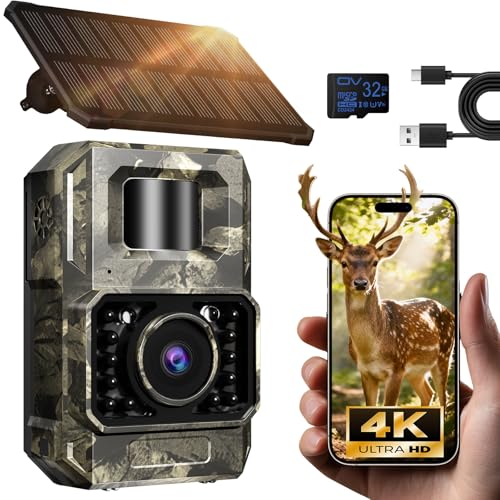


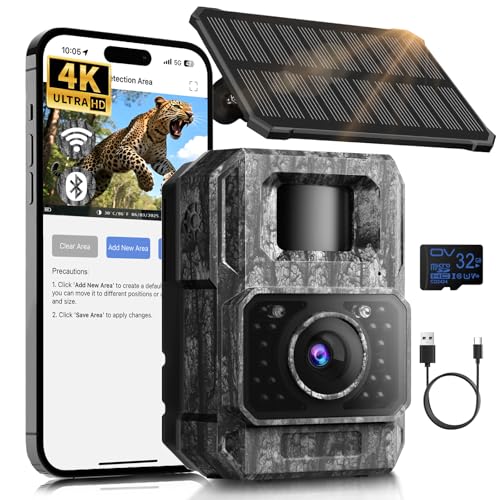


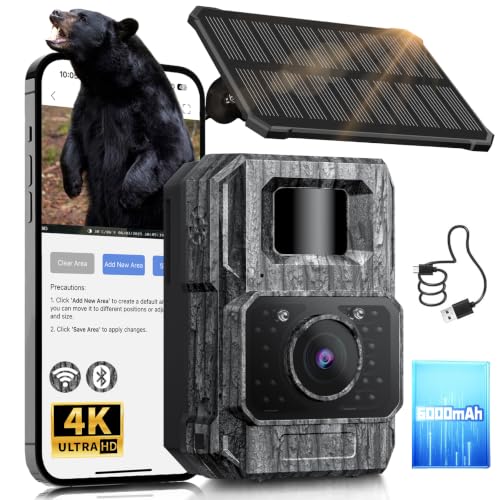


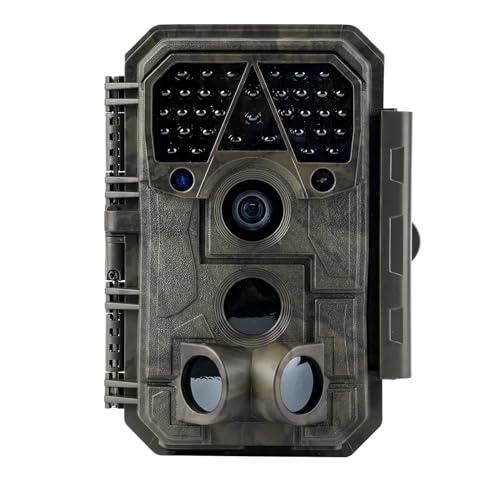


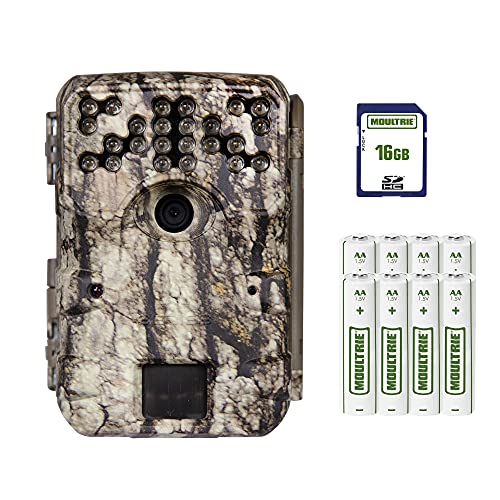


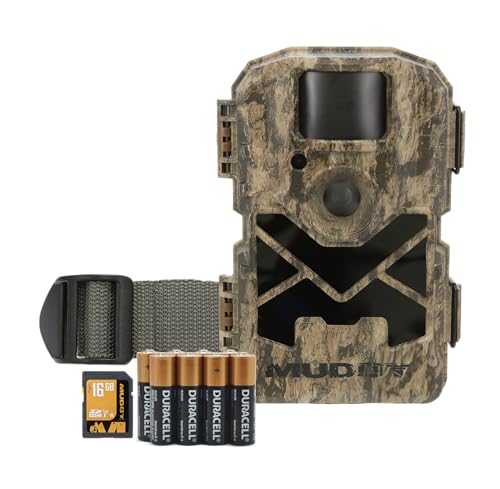

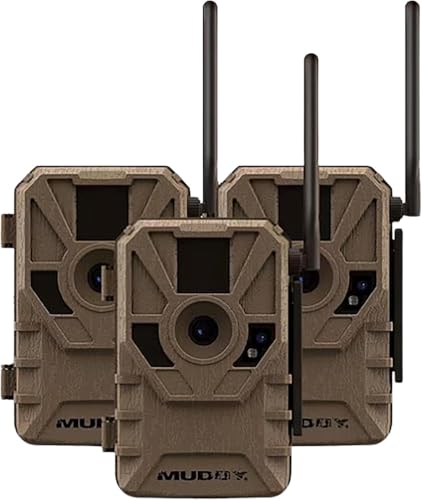


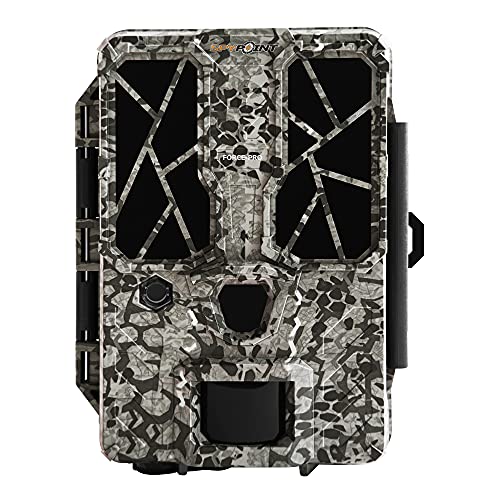


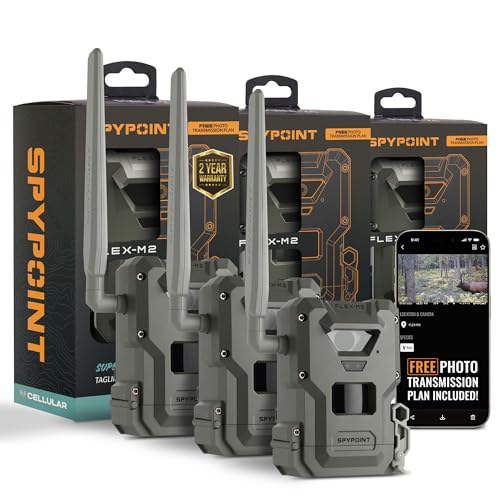


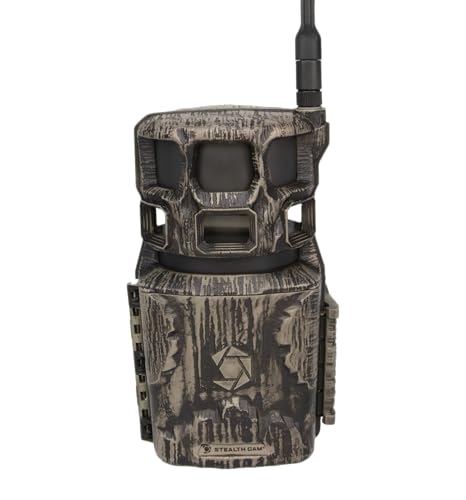


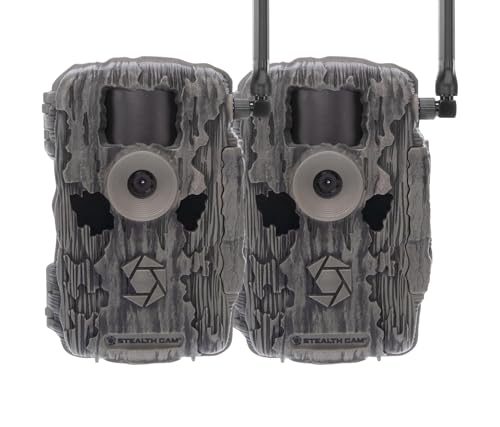


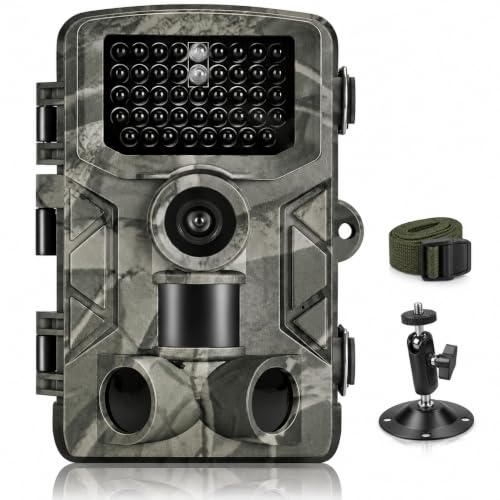


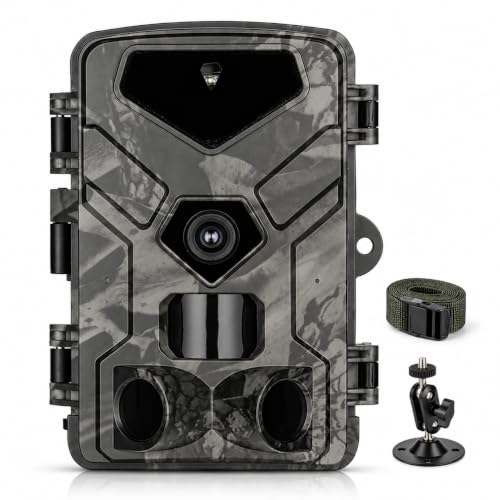


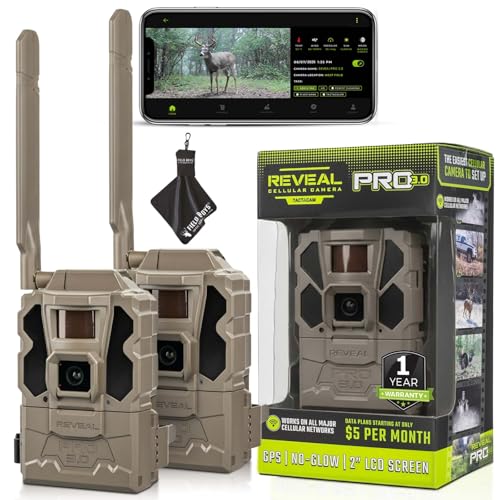
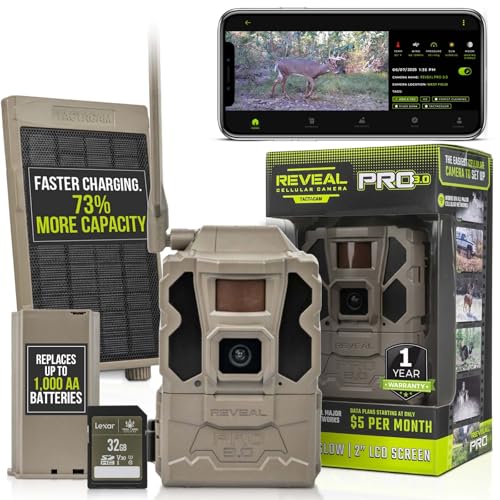


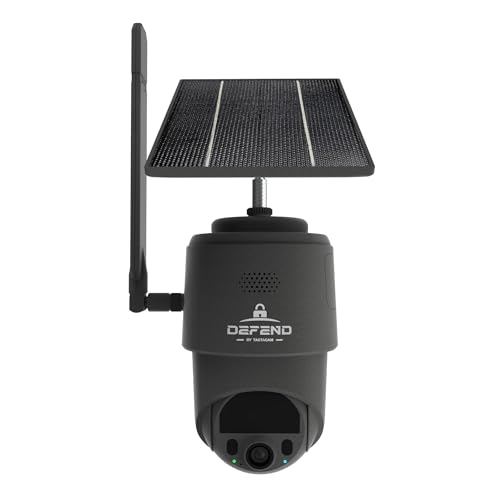

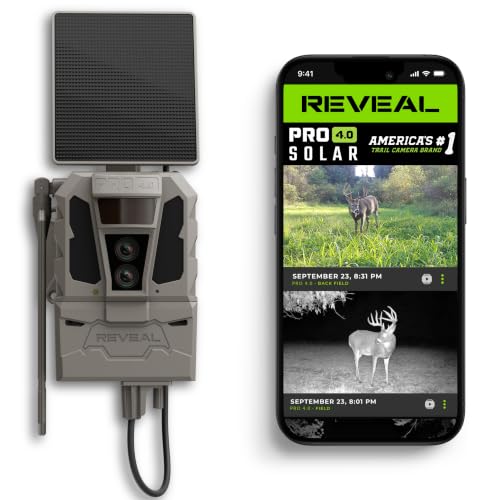


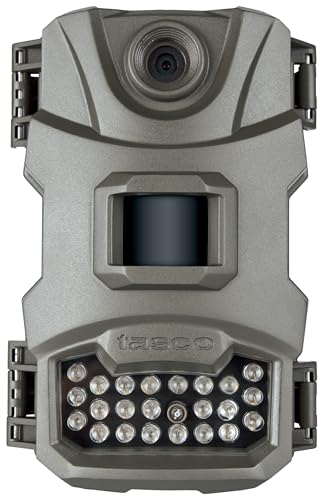


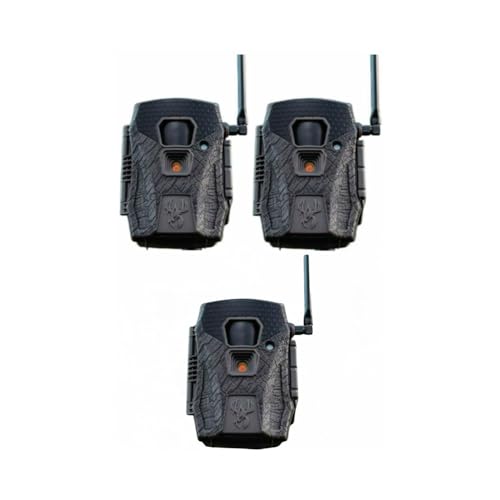


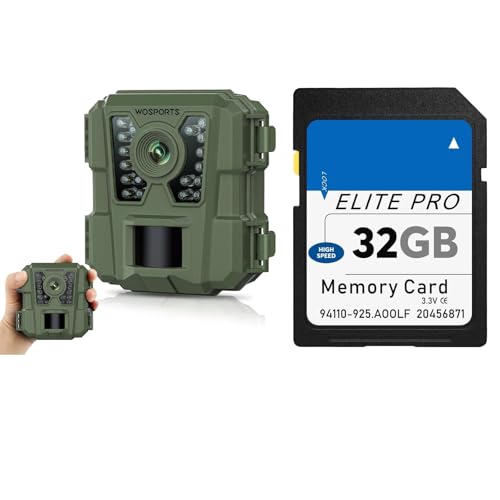


What’s in this listEvery trail camera we track on Amazon US — cellular, Wi-Fi and SD-card models. “—” means neither the maker nor the Amazon listing states it.
What makes a trail camera a trail camera
Every trail camera has the same core: a passive infrared sensor (PIR), a lens, an infrared flash for night, a card slot and batteries in a weatherproof case. The PIR watches for a warm body moving against a cooler background. NatureSpy's guide puts it plainly: the camera needs both movement and a change in heat to fire. A swaying branch is moving but not warm. A deer bedded in front of the lens is warm but not moving. Neither should trigger it.
That's also why heat contrast matters. One camera maker's beginner guide says detection depends on the temperature difference between the animal and its surroundings. A cold November morning is easy work for the sensor.
The table on this page lists the trail cameras we track on Amazon US, with cellular, Wi-Fi and SD-card models mixed together. It shows connectivity, photo and video resolution, trigger speed, night flash range and flash type, field of view, power, solar options, weather rating and how many cameras come in the box. The table uses the maker's figures first and the Amazon listing's where the maker is silent (marked as listing values). If neither states a value, the cell shows a dash. That happens a lot with trigger speed.
What to look at when you pick a trail camera
Here's the order I'd read the table in, for deer.
Pick how you'll get the pictures first
The Connectivity column sorts every camera into one of three camps:
- SD card only: you walk in, pull the card, walk out. No plan, no signal needed.
- Cellular: the camera sends photos to your phone over a cell network and needs a data plan. Details on the cellular trail camera page.
- Wi-Fi or Bluetooth: your phone talks to the camera at close range, so you still walk in, but you don't touch it. See the Wi-Fi trail camera page.
This one choice changes how often you visit the spot, what you pay every month and where the camera can work. Decide it before you compare megapixels.
Trigger speed is the difference between a buck and a tail
Trigger speed is the delay between the sensor noticing a deer and the shutter firing. Outdoor Life calls 0.5 second or less acceptable. Buckmasters puts the cost of a slow trigger plainly: you miss the deer, or you get its back end.
Where it matters depends on the spot:
- Trails and funnels: deer are walking, so a fast trigger counts
- Food plots, mineral sites, scrapes: deer stand around, so a slower trigger costs less
One maker's manual turns this into a setting. Its camera offers a Normal trigger of 0.7 seconds and a Fast trigger of 0.13 seconds, with Normal suggested for feeding areas and Fast for trails.
Recovery time is the other half. It's how long the camera needs before it can fire again. Outdoor Life says good cameras recover in 5 seconds or less, while cheap imported cameras can run 10 to 15 seconds or longer. That gap is where the buck trailing the doe walks through. (Physics doesn't care that he was the one you wanted.)
Night/flash range decides how far you can see after dark
Two distances get mixed up on the box. Detection range is how far away the sensor notices a warm body. Flash range is how far the night flash lights the scene. The same maker's manual lists a detection setting of 60 or 80 feet and a 90-foot long-range infrared flash.
Daylight photos can see well past both. At night, though, a deer outside the flash range is two eyes in a dark frame. So for night work, flash range is the number to read in the table. For a narrow woods trail, almost any listed range is enough. For a field edge, the longer numbers start to earn their keep.
No-glow or low-glow: pick by how much the deer see
The IR flash column has three values. One camera maker's article on night images lays out the physics:
- White flash: visible light, full-color night photos. Outdoor Life says it scares game most of the time.
- Low-glow: infrared around 850 nm (nanometers, a measure of light wavelength). A faint red glow shows if you look straight at it. Outdoor Life says red-glow cams rarely spook deer when placed properly and usually take better night photos than no-glow.
- No-glow: infrared around 940 to 950 nm, invisible to the eye. That maker says it lights the scene less, so photos come out grainier and more prone to blur.
Short version: low-glow for most deer spots, no-glow where people or pressured deer are the problem. The security trail camera list only includes no-glow cameras for that reason.
Photo resolution: the box number is often a stretched number
Megapixels (MP) on a trail camera box are usually the biggest setting the software can produce, not the sensor's real count. Outdoor Life says most trail cams have a native resolution of 3 to 5 MP. Picking a much higher setting makes the file bigger, not sharper. It also fills the card faster and slows the camera down.
The table shows the maximum MP as the maker or the listing states it. Treat it as a ceiling, not a promise. The native number is supposed to be in the owner's manual, and Outdoor Life notes it often isn't. Lens, sensor and the night flash shape a photo more than the headline MP does.
Video resolution matters if you watch behavior
The Video column runs from 720p up to 4K. Video shows what a still can't: which way the buck left, whether he worked the scrape or walked past it. It also eats batteries and card space faster than photos do. NatureSpy notes that video usually triggers slower than photos, and cheaper cameras can take more than 3 seconds to start a clip.
If you mostly want an inventory of which deer are around, photos in bursts do the job. If you want to watch a scrape over the rut, video earns its keep.
Field of view and the sensor zone should match
Field of view is how wide the picture is, in degrees. The sensor has its own detection angle, and the two aren't always the same. Outdoor Life gives an example of a camera with a 45.2-degree detection angle and a 34.7-degree field of view. That camera can fire before the deer is even in the frame.
A small gap is fine. A wide sensor angle with a narrow picture usually means the maker is buying time for a slow trigger. Wide-angle and rotating cameras sit on the 360 trail camera page.

Power and batteries: cold kills alkaline first
The Power column lists what the camera runs on, often a count of AA batteries or a built-in pack. Battery chemistry matters more than count once the leaves are down. Outdoor Life says alkaline batteries fail below 32°F. Lithium AA cells cost more, last longer and work in the cold. NiMH rechargeables hold a steady voltage too, but suffer in heat above 80°F.
Some cameras let you tell them which chemistry you installed so the battery meter reads right, according to one maker's manual. If yours does, set it.
A dead battery in a trail camera is worse than one in a headlamp, because nobody notices it until the next card pull, a mile from the cabin. I write the battery type and the install date on a strip of tape inside each case door, so nobody has to guess in January. The trail camera batteries list goes deeper.
Solar keeps a camera running between visits
The Solar column says whether the camera has a built-in panel, ships with one, takes an external one through a power jack, or has no solar option at all. A dash means neither the maker nor the listing says. Solar matters most on cameras you rarely visit and on cellular cameras, which burn power every time they send. Details are on the solar trail camera page, and add-on panels have their own page.
Weather rating tells you what the case keeps out
When a maker states an IP rating, the table shows it. IP codes have two digits. Per one enclosure-rating explainer, the first is dust: 5 means limited, non-harmful dust gets in, and 6 means none does. The second is water: 4 is spray from all directions, 5 is low-pressure jets, 6 is high-pressure jets and 7 is temporary immersion up to 1 meter. A camera on a tree needs rain protection, not a swim test. Fog on the lens is a separate problem, so close the case firmly when you swap cards.
Units in pack: read it before you compare
Trail cameras are often sold in 2-packs. The Units in pack column shows how many you get, so compare a 2-pack against two single cameras, not against one.
SD cards: buy what the manual asks for
The card is where every photo lives, even on most cellular cameras. Requirements vary by maker, so the manual wins. One maker's support page asks for Class 10, U3, 16 or 32 GB full-size cards from named brands and says U1 cards are too slow for its camera. Another maker's manual accepts 8 to 512 GB.
Two habits apply almost everywhere. Format the card in the camera, not in your computer; that same manual suggests reformatting each time the card goes in. And don't swap one card between cameras, which the support page also warns against. I keep one card per camera, labeled with the tree's name in the logbook. (The tree names are Walt's. One is called "the leaning one". There are four leaning ones.)
Where to hang it: placement beats settings
My one opinion on this page: a trail camera is only as good as where you hang it. The settings matter less than the placement. The reason is the sensor. It only sees what crosses its zone, so the best trigger speed on the market photographs nothing on a dead trail.
What the sources agree on:
- Height: Purdue Extension's deer survey sets cameras at waist height, 2.5 to 3 feet
- Direction: face north or south. Purdue says it limits sun overexposure, and Field & Stream says it cuts glare from the rising and setting sun
- Angle on trails: Field & Stream says not to face the camera straight across a rut trail; angle it a quarter or nearly along the line of travel
- Clear the zone: NatureSpy says vegetation within 3 to 4 feet of the sensor and dappled sunlight can cause false triggers
- Good spots: field-edge licking branches, scrapes, entry trails to food, and rut funnels such as saddles and inside corners, per Field & Stream
Here's why the trail angle matters. A deer walking straight across the frame crosses the sensor zone in a few steps, so a slow trigger catches its tail. Louisiana Sportsman suggests about 45 degrees to the trail instead, which keeps a passing deer in the detection zone and the frame longer. Same camera, same settings, more deer. Also check the date and time when you set it up; Purdue's protocol lists that as its own step, and a photo with the wrong date is a photo you can't match to the wind.
How often to check trail cameras
Every visit leaves scent and noise at the spot you're trying to keep quiet. Purdue's survey protocol, which is built for counting deer, checks cameras every 4 to 5 days. For hunting, many people go less often near bedding and more often at easy field edges.
Field & Stream's approach fits most camps: card cameras at field edges and bait sites you visit anyway, cellular cameras where a walk-in would cost you. Go midday, keep it short, and swap the card rather than scrolling photos at the tree.
Card, cellular or Wi-Fi: which trail camera type
- Card-only cameras suit spots you can reach without spooking anything, and anyone who doesn't want a monthly plan. More on the non-cellular trail camera page.
- Cellular cameras suit far-off land, sensitive spots and hunters who want to know before they drive. They need signal at the tree and a plan.
- Wi-Fi and Bluetooth cameras suit the back field, the cabin yard or any spot you walk past anyway.
- Live-view cameras stream on request; see the live feed trail camera page.
Trail camera rules differ by state. Arizona, for example, bans using a trail camera or its images to take or help take wildlife. Check your state wildlife agency before the season.
Who should skip a trail camera
If you hunt one small property, sit the same stand every time and already know the trails, a camera mostly tells you what you know. Same if your state bans cameras for hunting where you hunt. Spend the money on a rangefinder or a better seat.
For everyone else, start with one camera on your best trail, angled, at waist height. Then write down what it shows next to the wind. Walt will want to see the logbook.
Brands in this list
Related
Questions people ask
What SD card should I use in a trail camera?
Use the card type and size your camera's manual lists. One trail camera maker's support page asks for Class 10, U3, 16 or 32 GB full-size cards from named brands and says U1 cards are too slow for its camera. Another maker's manual accepts 8 to 512 GB. Format the card in the camera, and don't swap one card between cameras.
How far can a trail camera take a picture?
Two numbers decide it: detection range (how far the sensor notices a deer) and flash range (how far the night flash lights it). One maker's cellular camera lets you set detection to 60 or 80 feet and lists a 90-foot long-range infrared flash. Daytime photos reach farther than the sensor does, so the sensor is usually the real limit.
How often should I check my trail cameras?
As rarely as your camera and plan allow. Purdue Extension's deer survey protocol checks cameras every 4 to 5 days over a 10 to 14 day survey. For hunting, every walk-in leaves scent and noise, so many hunters use cellular cameras in sensitive spots and check card cameras at field edges, where a visit disturbs little.
Do night vision trail cameras spook deer?
It depends on the flash. A white flash makes color night photos but, per Outdoor Life, usually scares game. Low-glow infrared shows a faint red glow and rarely spooks deer when placed well. No-glow infrared is invisible to the eye but lights less, so night photos come out grainier.
Sources
- Outdoor Life: Technical aspects of trail cameras — accessed 2026-10-22
- Buckmasters: Speed kills (trail camera trigger speed) — accessed 2026-10-22
- NatureSpy: How camera traps work — accessed 2026-10-22
- Browning Trail Cameras: How do trail cameras work? A beginner's guide — accessed 2026-10-22
- Browning Trail Cameras: Nighttime trail camera images, putting light on the subject — accessed 2026-10-22
- Outdoor Life: Buying the right trail camera, white flash, red glow or no glow — accessed 2026-10-22
- Browning Trail Cameras: 4G Ridgeline cellular trail camera user instruction manual — accessed 2026-10-22
- Tactacam: Reveal FAQ, not sending pictures (SD card requirements) — accessed 2026-10-22
- Purdue Extension, Forestry and Natural Resources: Trail camera survey for white-tailed deer — accessed 2026-10-22
- Field & Stream: Where to mount a trail camera — accessed 2026-10-22
- Louisiana Sportsman: Planning and optimizing your camera setup — accessed 2026-10-22
- W. L. Gore & Associates: IP and NEMA ratings explained — accessed 2026-10-22
- Game & Fish: Trail cam impact on big game (state rules, 2022) — accessed 2026-10-22
- Cornell LII: Ariz. Admin. Code R12-4-303, unlawful devices and methods — accessed 2026-10-22