Camp Gear · Gear type
Family Tent
A family tent is a tent rated for six or more people, bought so a family and its gear fit with room to move. Size it by doubling the number of people who sleep in it, then check standing height, rooms and doors, and how it handles a wet night. That's the whole decision. The rest is where the kids sleep. (My grandson has opinions on that. He wants the side by the door, because that's where the snacks are.)
We earn a commission if you buy through our links, at no cost to you. Disclosure
| Model | Weight | Center height | Sleeps | Floor length | Floor width | Floor area | Amazon |
|---|---|---|---|---|---|---|---|
Ayamaya 6-Person Pop Up TentTent More specs
| — | 53.5 inlisting | 6 personslisting | — | — | — | Check price |
Ayamaya 6-Person Pop Up TentTent More specs
| — | — | 6 personslisting | — | — | — | Check price |
Big Agnes Bunk House 6Tent More specs
| — | 78 inlisting | 6 personslisting | — | — | — | Check price |
Campros CP CP Dome Tent 2/4/6 PersonTent More specs
| — | 72 inlisting | 6 personslisting | — | — | — | Check price |
| — | 72 inlisting | 6 personslisting | — | — | — | Check price | |
| — | — | 6 personslisting | — | — | — | Check price | |
| — | — | 6 personslisting | — | — | — | Check price | |
Core 6 Person Instant Cabin TentTent More specs
| — | 72 inlisting | 6 personslisting | — | — | — | Check price |
Core 6 Person Instant Cabin TentTent More specs
| — | 72 inlisting | 6 personslisting | — | — | — | Check price |
Core Blackout 6 Person Instant Cabin TentTent More specs
| — | 72 inlisting | 6 personslisting | — | — | — | Check price |
Core Blackout 6 Person Dome TentTent More specs
| — | 72 inlisting | 6 personslisting | — | — | — | Check price |
Core 6 Person Lighted Dome TentTent More specs
| — | — | 6 personslisting | — | — | — | Check price |
Ever Advanced 6 Person Blackout Instant Cabin TentTent More specs
| — | 73 inlisting | 6 personslisting | — | — | — | Check price |
Ever Advanced Blackout 6 Person Cabin TentTent More specs
| — | 77 inlisting | 6 personslisting | — | — | — | Check price |
| — | 81 inlisting | 6 personslisting | — | — | — | Check price | |
FanttikOutdoor Zeta C6 Pro 6 PersonTent More specs
| — | — | 6 personslisting | — | — | — | Check price |
FanttikOutdoor Zeta C6 Pro 6 PersonTent More specs
| — | — | 6 personslisting | — | — | — | Check price |
FanttikOutdoor Beta C6 Apex SUV Tent 6 PersonTent More specs
| — | — | 6 personslisting | — | — | — | Check price |
FanttikOutdoor Alpha C6 Pro 6 PersonTent More specs
| — | 90.5 inlisting | 6 personslisting | — | — | — | Check price |
Goplus 4-6 Person Cabin Tent with PorchTent More specs
| — | 69 inlisting | 6 personslisting | — | — | — | Check price |
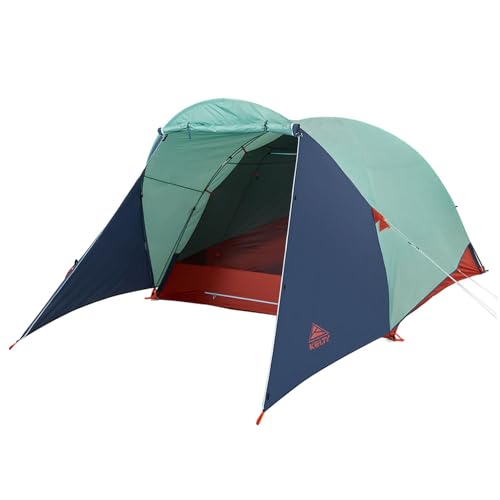
Kelty Rumpus 6P Camping TentTent More specs
| — | — | 6 personslisting | — | — | — | Check price |
| — | — | 6 personslisting | — | — | — | Check price | |
| — | — | 6 personslisting | — | — | — | Check price | |
Klymit Cross Canyon 6-Person Camping TentTent More specs
| — | — | 6 personslisting | — | — | — | Check price |
Kodiak Canvas Flex-Bow Canvas Tent Deluxe 10x10 ftTent More specs
| — | 78 inlisting | 6 personslisting | — | — | — | Check price |
Kodiak Canvas 10x10 Cabin Lodge Tent SRTent More specs
| — | 90 inlisting | 6 personslisting | — | — | — | Check price |
Kodiak Canvas 10 x 10 ft. Flex-Bow VX Canvas Camping TentTent More specs
| — | 78 inlisting | 6 personslisting | — | — | — | Check price |
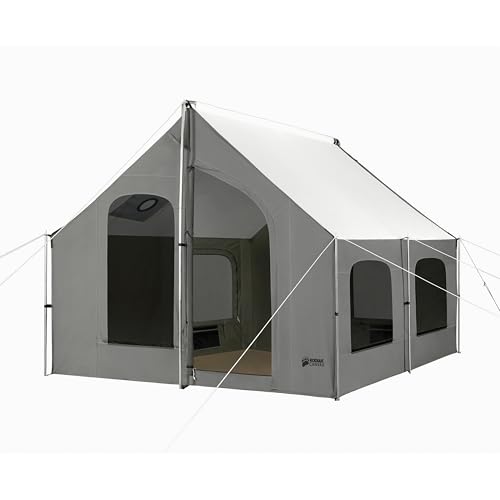
Kodiak Canvas 12x9 Canvas Cabin Camping TentTent More specs
| — | — | 6 personslisting | — | — | — | Check price |
| — | — | 6 personslisting | — | — | — | Check price | |
Marmot Halo Family Camping Tent w/RainflyTent More specs
| — | — | 6 personslisting | — | — | — | Check price |
Marmot Limestone Family Camping Tent with RainflyTent More specs
| — | — | 6 personslisting | — | — | — | Check price |
Napier Sportz SUV Tent with Screen RoomTent More specs
| — | — | 6 personslisting | — | — | — | Check price |
Onetigris 6 Person Teepee TentTent More specs
| — | — | 6 personslisting | — | — | — | Check price |
| — | — | 6 personslisting | — | — | — | Check price | |
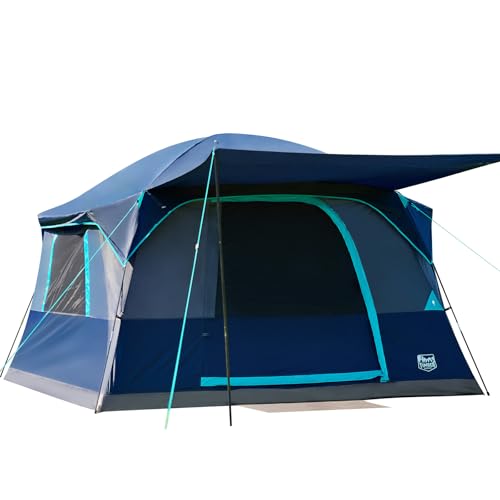
Timber Ridge 6 Person Blackout Design Camping TentTent More specs
| — | — | 6 personslisting | — | — | — | Check price |
Timber Ridge 6 Person Cabin TentTent More specs
| — | — | 6 personslisting | — | — | — | Check price |
Timber Ridge 6 Person Blackout Design Camping TentTent More specs
| — | — | 6 personslisting | — | — | — | Check price |
Timber Ridge Inflatable Tent 6 Person Hot Tent with Skylight & Stove JackTent More specs
| — | 78 inlisting | 6 personslisting | — | — | — | Check price |
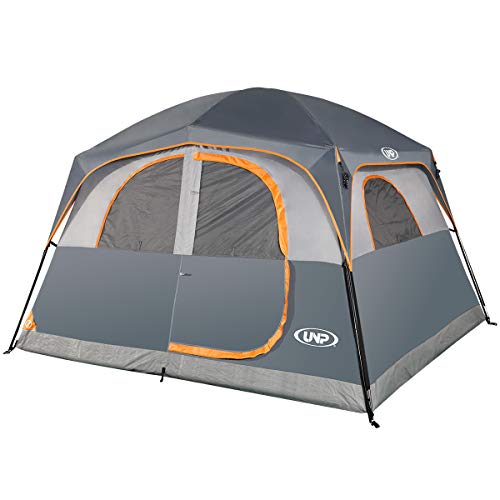
unp 6 Person Tents for Camping Waterproof Family Cabin Tent withTent More specs
| — | — | 6 personslisting | — | — | — | Check price |
unp SUV Dome Tent for Camping Outdoor 6 Person Car Camping TentTent More specs
| — | — | 6 personslisting | — | — | — | Check price |













VEVOR Canvas Tent Bell TentTent More specs
| — | — | 6 personslisting | — | — | — | Check price |
|---|---|---|---|---|---|---|---|
| — | — | 8 personslisting | — | — | — | Check price | |
| — | 78 inlisting | 8 personslisting | — | — | — | Check price | |
| — | 72 inlisting | 8 personslisting | — | — | — | Check price | |
| — | 76 inlisting | 8 personslisting | — | — | — | Check price | |
Campros CP CP 4-8 Person TentTent More specs
| — | — | 8 personslisting | — | — | — | Check price |
| — | 72 inlisting | 8 personslisting | — | — | — | Check price | |
| — | 72 inlisting | 8 personslisting | — | — | — | Check price | |
| — | 74 inlisting | 8 personslisting | — | — | — | Check price | |
Ever Advanced 8 Person Blackout Cabin TentTent More specs
| — | 84 inlisting | 8 personslisting | — | — | — | Check price |
Ever Advanced 8 Person Blackout TentTent More specs
| — | 80 inlisting | 8 personslisting | — | — | — | Check price |
| — | 78 inlisting | 8 personslisting | — | — | — | Check price | |
| — | 78 inlisting | 8 personslisting | — | — | — | Check price | |
| — | 78 inlisting | 8 personslisting | — | — | — | Check price | |
Gazelle Tents T4 Tandem Hub TentTent More specs
| 56 lbmaker | 78 inlisting | 8 personslisting | — | — | 110 sq ftmaker | Check price |
| — | 78 inlisting | 8 personslisting | — | — | — | Check price | |
Goplus 6-8 Person Cabin Tent with PorchTent More specs
| — | 73 inlisting | 8 personslisting | — | — | — | Check price |
Kazoo Family Camping Tent Large Waterproof Tipi Tents 8 Person RooTent More specs
| — | — | 8 personslisting | — | — | — | Check price |
Kodiak Canvas Flex-Bow Canvas Tent Deluxe 10x14 ftTent More specs
| — | 78 inlisting | 8 personslisting | — | — | — | Check price |
Kodiak Canvas 12x12 Cabin Lodge Tent SRTent More specs
| — | — | 8 personslisting | — | — | — | Check price |
Kodiak Canvas 10 x 14 ft. Flex-Bow VX Canvas Camping TentTent More specs
| — | 78 inlisting | 8 personslisting | — | — | — | Check price |
| — | — | 8 personslisting | — | — | — | Check price | |
Timber Ridge 8 Person Camping Tent with Large PorchTent More specs
| — | — | 8 personslisting | — | — | — | Check price |
Timber Ridge 8 Person Instant Pop Up Cabin TentTent More specs
| — | — | 8 personslisting | — | — | — | Check price |
Timber Ridge 8 Person Family Camping Tent with Screen PorchTent More specs
| — | — | 8 personslisting | — | — | — | Check price |
unp 8 Person Tents for Camping Waterproof Family Cabin Tent withTent More specs
| — | — | 8 personslisting | — | — | — | Check price |
unp Camping Tent 8 Person Waterproof Big Tunnel Tent with ScreenTent More specs
| — | — | 8 personslisting | — | — | — | Check price |
Whiteduck PROTA Canvas TentTent More specs
| — | — | 8 personslisting | — | — | — | Check price |
Core 9 Person Instant Cabin TentTent More specs
| — | 78 inlisting | 9 personslisting | — | — | — | Check price |
Core 9 Person Dome TentTent More specs
| — | 72 inlisting | 9 personslisting | — | — | — | Check price |
Core 9 Person Instant Lighted Cabin TentTent More specs
| — | 78 inlisting | 9 personslisting | — | — | — | Check price |
Core Blackout 9 Person Instant Cabin TentTent More specs
| — | 78 inlisting | 9 personslisting | — | — | — | Check price |
Core 9 Person Dark Room TentTent More specs
| — | 72 inlisting | 9 personslisting | — | — | — | Check price |
Ayamaya 10-Person Multi Room TentTent More specs
| — | 78 inlisting | 10 personslisting | — | — | — | Check price |
Campros CP CP 10/12 Person Cabin TentTent More specs
| — | 72 inlisting | 10 personslisting | — | — | — | Check price |
Campros CP CP 10 Person Cabin TentTent More specs
| — | 82 inlisting | 10 personslisting | — | — | — | Check price |
| — | — | 10 personslisting | — | — | — | Check price | |
Core 10 Person Cabin TentTent More specs
| — | 86 inlisting | 10 personslisting | — | — | — | Check price |
Core 10 Person Cabin TentTent More specs
| — | 86 inlisting | 10 personslisting | — | — | — | Check price |
Core 10 Person Instant Cabin Tent with LED LightsTent More specs
| — | — | 10 personslisting | — | — | — | Check price |
Core 10 Person Instant Cabin TentTent More specs
| — | 78 inlisting | 10 personslisting | — | — | — | Check price |
Ever Advanced 10 Person Blackout TentTent More specs
| — | 84 inlisting | 10 personslisting | — | — | — | Check price |
FanttikOutdoor Zeta C10 Pro 10 PersonTent More specs
| — | — | 10 personslisting | — | — | — | Check price |
FanttikOutdoor Zeta C10 Pro Max 10 PersonTent More specs
| — | 80 inlisting | 10 personslisting | — | — | — | Check price |
Kodiak Canvas 12x16 Cabin Lodge Tent SRTent More specs
| — | — | 10 personslisting | — | — | — | Check price |
KTT Extra Large Tent 10 PersonTent More specs
| — | 74.4 inlisting | 10 personslisting | — | — | — | Check price |
Outsunny 10-Person Yurt Tent with Spacious Interior 16' x 16' x 10'Tent More specs
| — | — | 10 personslisting | — | — | — | Check price |
| — | — | 10 personslisting | — | — | — | Check price | |
Timber Ridge 10 Person Instant Cabin TentTent More specs
| — | — | 10 personslisting | — | — | — | Check price |
unp 10 Person Tents for Camping Family Outdoor Camping TentTent More specs
| — | — | 10 personslisting | — | — | — | Check price |
Whiteduck Alpha Pro Canvas Wall Tent Waterproof 4 Season Outdoor CampiTent More specs
| — | — | 10 personslisting | — | — | — | Check price |
Whiteduck Alpha Pro Canvas Wall Tent Waterproof 4 Season Outdoor CampiTent More specs
| — | — | 10 personslisting | — | — | — | Check price |
Core 11 Person Cabin Tent with Screen RoomTent More specs
| — | 86 inlisting | 11 personslisting | 17 ftlisting | 12 ftlisting | — | Check price |
Campros CP CP 12 Person TentTent More specs
| — | 72 inlisting | 12 personslisting | — | — | — | Check price |
| — | — | 12 personslisting | — | — | — | Check price | |
Core 12 Person Instant Cabin TentTent More specs
| — | 80 inlisting | 12 personslisting | — | — | — | Check price |
Core 12 Person Instant Cabin Tent with LED LightsTent More specs
| — | 80 inlisting | 12 personslisting | — | — | — | Check price |
Core 12 Person Cabin TentTent More specs
| — | 86 inlisting | 12 personslisting | — | — | — | Check price |
Core 12 Person Cabin TentTent More specs
| — | 86 inlisting | 12 personslisting | — | — | — | Check price |
Core 12 Person Instant Cabin TentTent More specs
| — | 80 inlisting | 12 personslisting | — | — | — | Check price |
FanttikOutdoor Zeta C12 Pro Max 12 PersonTent More specs
| — | 80 inlisting | 12 personslisting | — | — | — | Check price |
KTT Extra Large Tent 12 PersonTent More specs
| — | 79 inlisting | 12 personslisting | — | — | — | Check price |
KTT Extra Large Tent 12 PersonTent More specs
| — | 79 inlisting | 12 personslisting | — | — | — | Check price |
KTT Extra Large Tent 12 PersonTent More specs
| — | 79 inlisting | 12 personslisting | — | — | — | Check price |
KTT Extra Large Tent 12 PersonTent More specs
| — | 79 inlisting | 12 personslisting | — | — | — | Check price |
KTT Extra Large Tent 12 PersonTent More specs
| — | 79 inlisting | 12 personslisting | — | — | — | Check price |
KTT Extra Large Tent 12 PersonTent More specs
| — | — | 12 personslisting | — | — | — | Check price |
KTT Extra Large Tent 12 PersonTent More specs
| — | 79 inlisting | 12 personslisting | — | — | — | Check price |
KTT Extra Large Tent 12 PersonTent More specs
| — | 79 inlisting | 12 personslisting | — | — | — | Check price |
unp 12 Person Tents for Camping Waterproof Family Cabin Tent witTent More specs
| — | — | 12 personslisting | — | — | — | Check price |
KTT Extra Large Tent 14 PersonTent More specs
| — | 88.8 inlisting | 14 personslisting | — | — | — | Check price |
KTT Extra Large Tent 14 PersonTent More specs
| — | 88.8 inlisting | 14 personslisting | — | — | — | Check price |
KTT Extra Large Tent 14 PersonTent More specs
| — | 88.8 inlisting | 14 personslisting | — | — | — | Check price |
Ozark Trail Spacious Family Sized 16-Person Weather Resistant Ozark TraiTent More specs
| — | — | 16 personslisting | — | — | — | Check price |

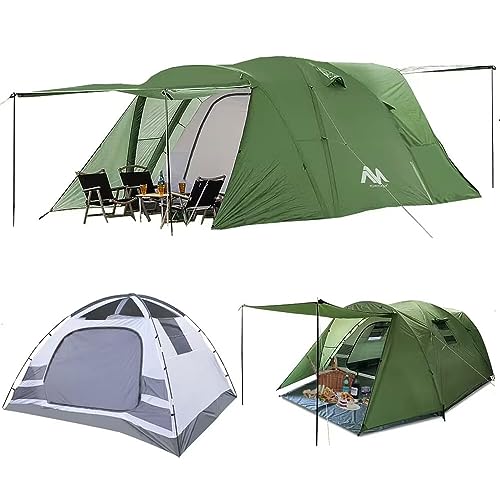


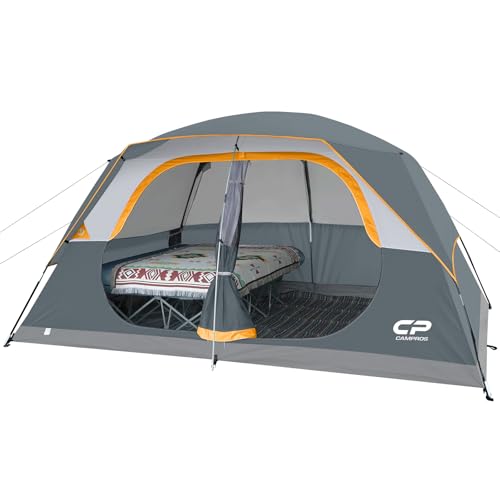


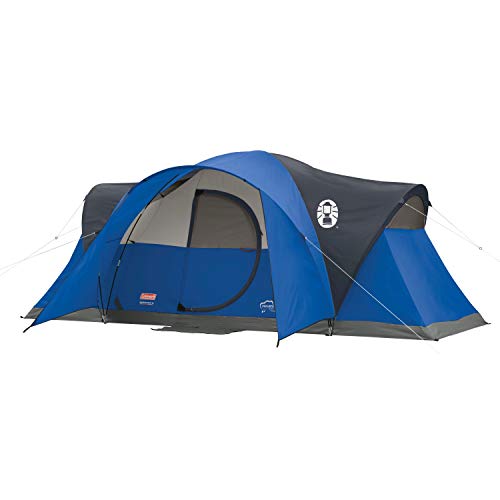


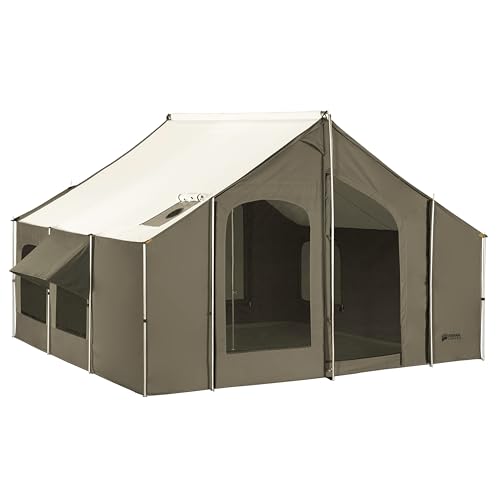


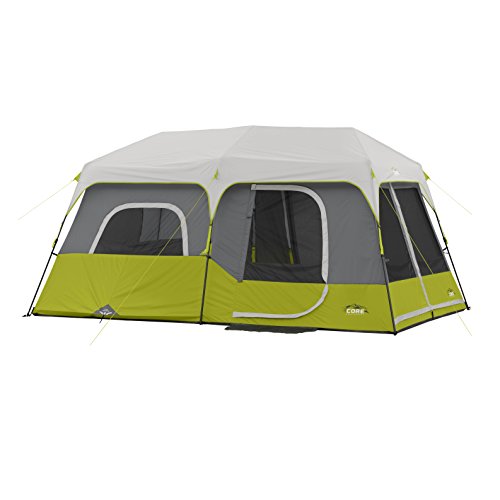
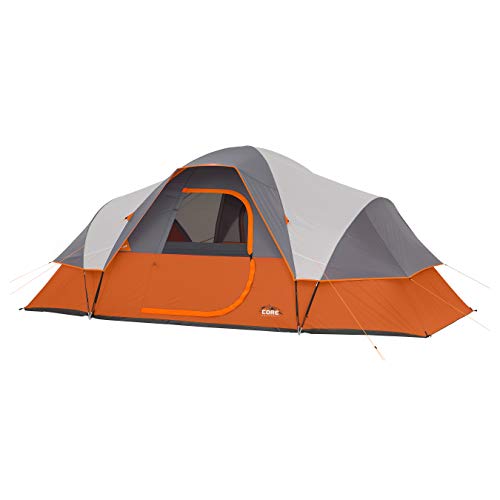


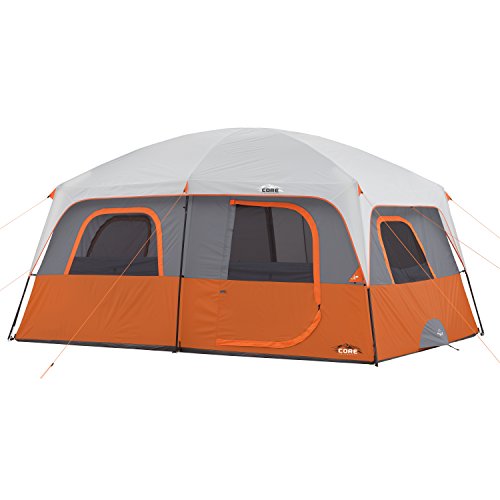


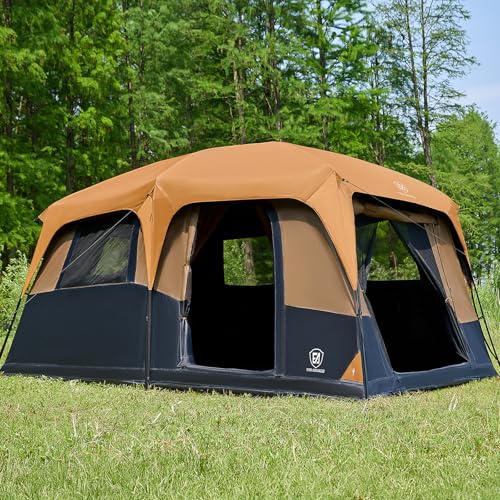

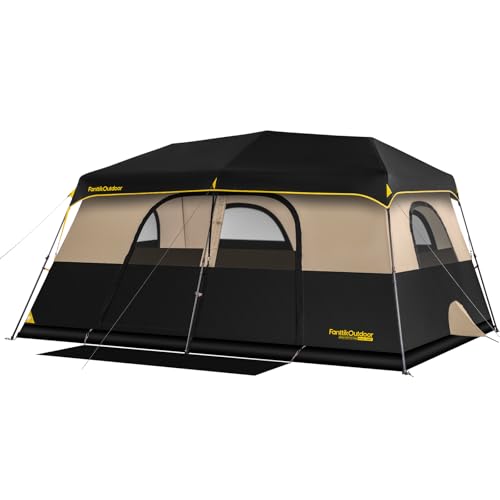

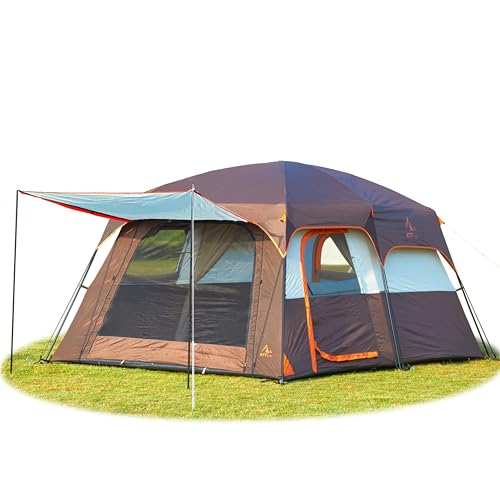
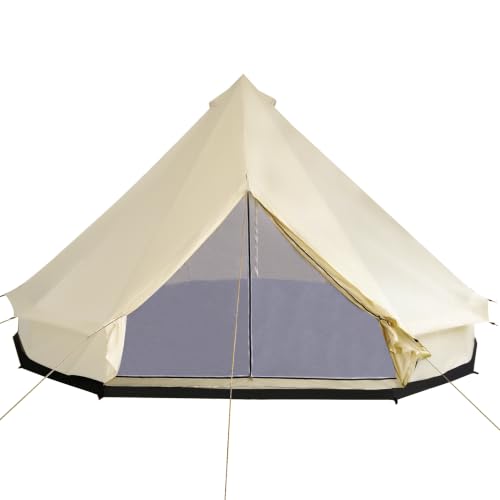
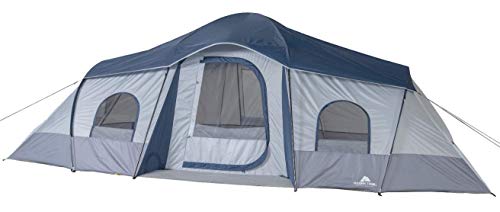
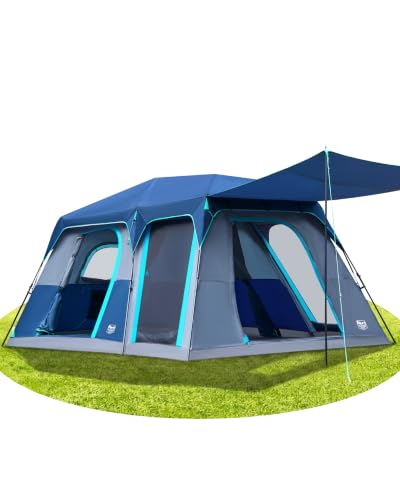


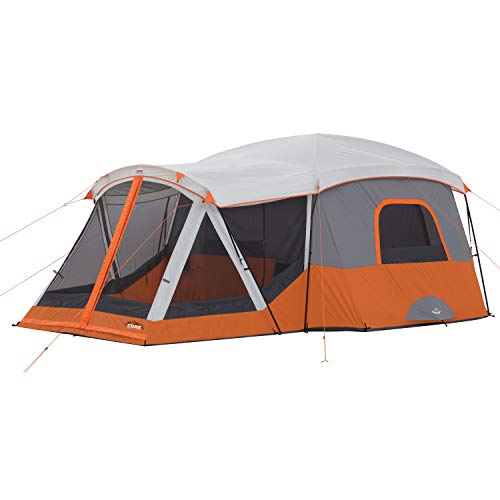


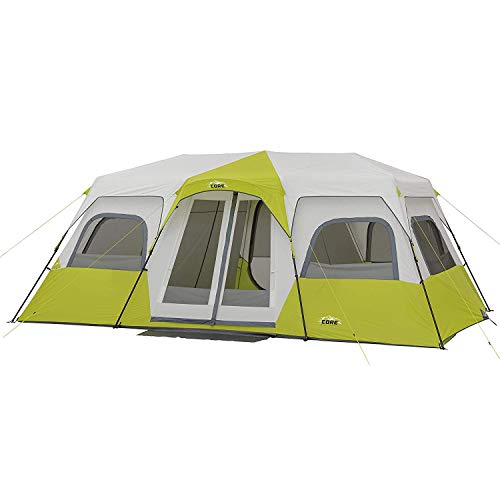

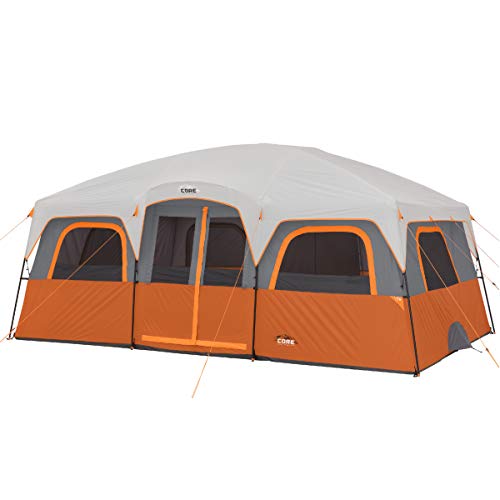


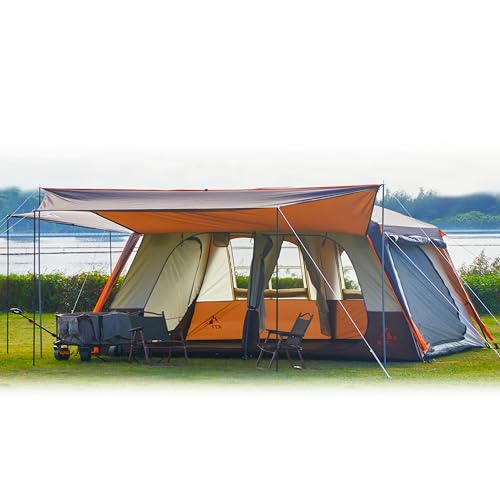


What’s in this listTents rated for six or more people by their maker or listing — room for a family and gear. “—” means neither the maker nor the Amazon listing states it.
What makes a family tent different
A family tent is about floor and height, not about weight. It's the tent you drive to, set up once, and live in for a weekend or a week. Our table lists tents their maker rates for six or more people, because that's where a family and its gear start to fit.
The basic parts (fly, floor, poles, seams) are the same as any tent and are covered on the camping tent page. This page is about the choices a family makes that two hunters in a dome never think about: where the kids sleep, how many doors you need, how you stand up to change, and what happens on the wet night.
Size a family camping tent for the gear, not just the people
The person rating counts sleeping pads laid side by side, and tent maker CORE admits those numbers aren't built around comfort. Its fix is to double the head count, which puts a family of four in an 8-person tent. The full sizing method is on the camping tent page.
Families need that extra room more than most groups. The maker's guide lists what eats the floor: backpacks, duffel bags, coolers, tables, and kids' extra clothes and toys. If you bring a dog, add the dog bed. If you bring Danny, add his second cooler.
Rule of thumb from me: doubling is the floor, not the ceiling. Kids grow. Gear multiplies. Nobody has ever come home from a family trip saying the tent was too big.
Air mattresses, cots and pads take different floor
How the family sleeps changes the size more than anything else.
That maker's sizing guide says a queen air mattress takes the floor space the rating gives to two campers. So a family of four on two queen mattresses has used up a 4-person floor before the first duffel comes in.
Cots work differently. The same guide says sleeping on a cot lets you store gear underneath, which saves floor. Cots are on the camping cot page, and the trade-offs are in camping cot vs air mattress.
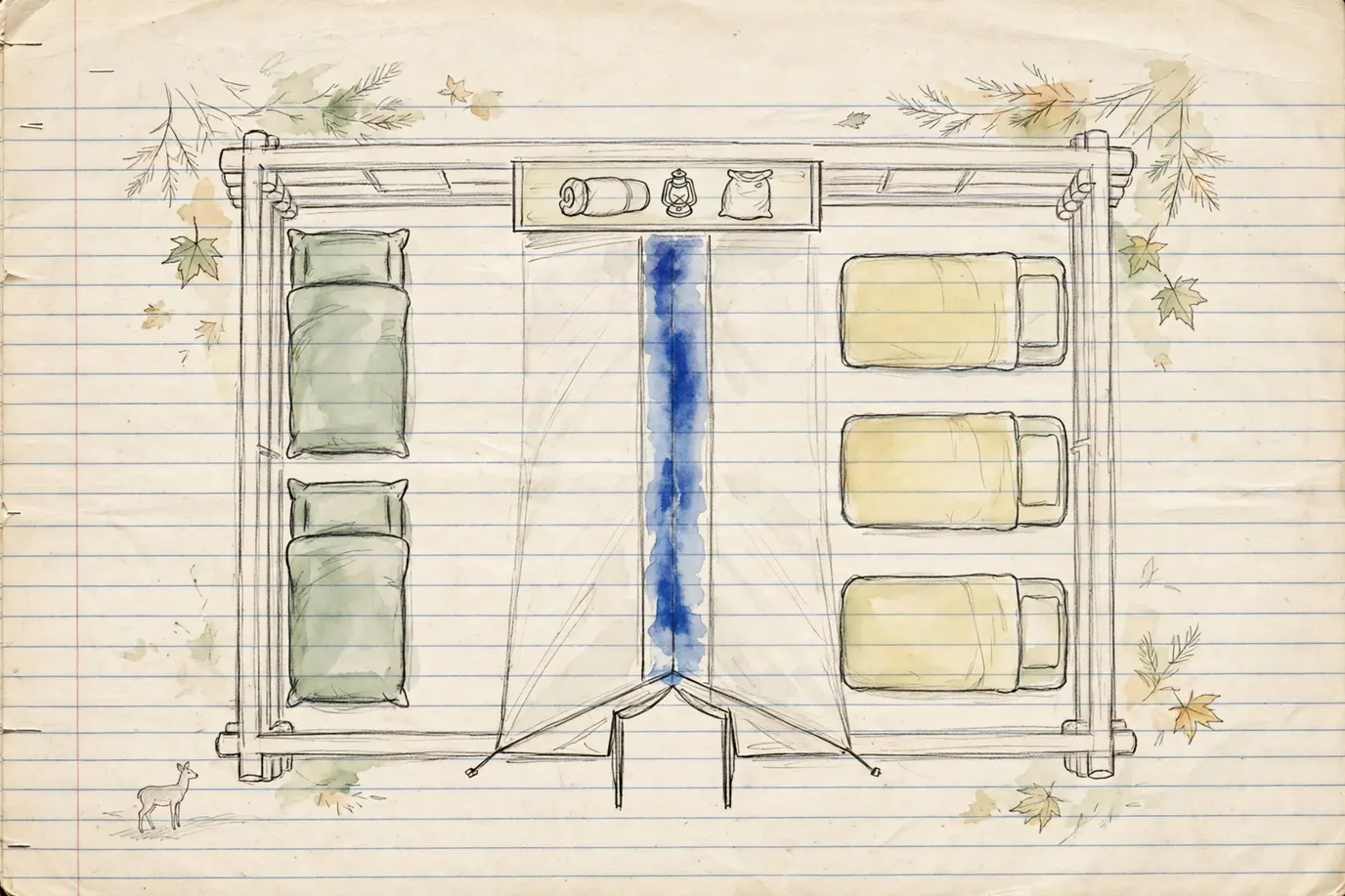
The guide's best layout tip is free: push mattresses and pads flush against the walls. That opens the middle, and the guide suggests keeping a narrow walking path between sleeping areas so nobody steps on anybody at night.
Light the path before you need it
The 2 a.m. trip to the outhouse is a family tradition nobody voted for. The same sizing guide recommends gear lofts and storage pockets to keep things off the floor, and a narrow walking path between beds. Put the two together. Hang one small light over the path before dark, and every kid knows where it is when it counts. Lights made for that job are on the tent light page.
What to look at when you pick a family tent
The table under this page shows what the maker or the listing states: sleeps, floor length, width and area, center height, style, setup and claimed setup time, seasons, waterproof rating, rainfly, rooms, doors, fabric, poles and stove jack. Seasons and the waterproof rating appear only when the maker states them. A dash means neither the maker nor the listing states it.
Center height: who has to bend over
Changing clothes on your knees gets old by the second morning. The same maker's cabin-vs-dome guide says a dome's standing room sits mostly at the center peak, while a cabin's upright walls carry standing height through most of the tent.
For a family, check center height against the tallest adult, not the average one. Then check the style column. Cabin and dome tents with the same center height feel very different at the walls.
Style: cabin for living in, dome for weather
That guide recommends cabin tents for families, larger groups and longer stays, and dome tents for couples, small groups and exposed campsites. Domes pack smaller and weigh less. Their curved shape sheds wind.
Here's the thing: a family tent mostly sits at a drive-in site for days. Weight matters less when the car carries it. That pushes most families toward a cabin. If your favorite campground is a windy point on a lake, think again. Shapes are compared on the cabin tent page and the dome tent page.
Rooms: a curtain between bedtimes
Rooms in a family tent come from dividers, which are fabric curtains. The table counts them the maker's way: one removable divider means two rooms.
A divider is how a family runs two bedtimes in one tent. Kids go down at 8:30 in the back room, grown-ups play cards by the door. It blocks light and some arguing. It does not block sound. Plan on whispering. More room layouts are on the multi-room tent page.
Doors: count them against the people
The table lists doors. In a family tent, doors matter because people climb over each other to reach them.
One door and five people means the kid in the back corner climbs over everyone at midnight. Two doors on opposite sides or opposite rooms cut that in half. Put the bathroom-break kids and the early-rising adult nearest a door.
Setup and the claimed setup time
The table shows setup type and the maker's claimed time. Instant tents have poles pre-attached to the tent body; that maker says its instant models go up in about two minutes. Traditional cabins use color-coded poles and step-by-step assembly.
With kids around, setup time is the time before somebody needs a snack. Instant designs help. Practicing once in the backyard helps more. Instant models are on the instant tent page.
Seasons: most family trips are 3-season trips
MSR's tent team makes a point worth stealing: pick by the conditions you'll camp in, not by the month. Their 3-season tents are meant for spring, summer and fall trips, with more mesh for airflow, which is what a July campground needs.
A model gets "4-season" in our table only if its maker says so. For summer-vacation families, 3-season is right. For cold camping, start at the winter camping tent page.
Waterproof rating, rainfly and seams
The waterproof rating is the fabric's hydrostatic head in millimeters. Sea to Summit explains the test. A fabric sample is sealed across the bottom of a tube, the tube is filled with water, and the rating is the height where water forces through. 1,000 mm means one meter of water.
Sea to Summit's own tents rate floors higher than flies, because the floor has your weight pressing it into wet ground. Its examples include a 1,200 mm fly paired with floors of 2,500 or 4,000 mm. It also warns that some coatings meet a rating when new and wear out after a few years. So an old family tent may not be the tent it was.
The rainfly field says full or partial. Full covers the walls; partial covers the roof.
Seams leak before fabric does. Eureka's manual recommends sealing floor and fly seams that face rain, runoff or ground water. It says to seal the inside and outside of each exposed seam, in several thin layers, and that factory-taped seams don't need it. More is in the guide to waterproofing a tent and on the waterproof tent page.
Fabric and poles
The table lists fabric and pole material as the maker or the listing states them. For a family, read the flame warning on the tag too. Eureka's manual says its tents meet the CPAI-84 flammability standard, but the fabric may still burn in continuous contact with a flame, and any substance you put on the fabric can cancel that flame resistance. Pitch the tent well upwind of the fire ring, and make that the rule before the marshmallows come out.
Keep a family tent dry inside
Most wet sleeping bags in a family tent didn't get wet from rain. Eureka's manual says an adult gives off about a pint of water overnight, and that most water found inside a tent is condensation, not a leak.
Quick math from that: a family of five breathes out roughly five pints a night into one tent. That water has to go somewhere.
What the manual recommends:
- Windows partly open at night for cross ventilation
- Low vents open to let cool air in, high vents to let warm, damp air out
- The vestibule vented, because a closed one blocks airflow
- Sleeping bags off the walls, where condensation collects
My one opinion on family tents: with five people breathing inside, vents matter as much as the fly rating. The reason is in the list above. A fly rating and sealed seams keep the rain out; open vents and an aired vestibule are what keep the walls from dripping on the kids by morning.
Care that keeps it for the next trip
Eureka's manual recommends a ground cloth, sweeping the floor and leaving shoes outside. Kids track in everything. A boot tray inside the door is a Saturday-afternoon fix that saves the floor.
The same manual warns about color transfer: darker fabric can bleed onto lighter fabric when the tent is packed damp, and the cure is packing it fully dry. If you packed up in morning dew, unroll it in the yard when you get home. The full cleaning method is in the guide to cleaning a tent.
Safety in a family tent
Fuel-burning heaters and lanterns stay out of the tent at night. The U.S. Consumer Product Safety Commission says carbon monoxide poisoning can be mistaken for a cold or flu, and that it is especially toxic to infants, older people and unborn babies. Its symptom list is worth knowing by heart: headache, dizziness, weakness, nausea, vomiting, sleepiness and confusion. If someone in the family gets cold or flu-like symptoms while camping, the CPSC says to see a doctor.
The National Weather Service says a tent doesn't protect anyone from lightning. Load everyone into the car and wait 30 minutes past the last thunder.
Keep food, drinks, toiletries and trash out of the tent. Yosemite's rules say exactly that, and many parks have their own food storage rules. If you camp on public hunting land, check the land manager's rules or your state wildlife agency.
Who should skip a family tent
- Couples and solo campers: a 4 person tent pitches faster
- Backpackers: family tents are heavy and bulky
- Winter campers: look at 4-season and stove-ready tents instead
- Tiny campsites: a big floor needs a big tent pad
Everyone else: buy the floor for the people you have, the height for the tallest one, and the fly for a wet one. Then let the kids pick their corner. They will anyway.
Brands in this list
Related
Questions people ask
What size tent does a family of four need?
One tent maker's rule is to multiply the number of campers by two, so a family of four looks at an 8-person tent. The person rating counts sleeping pads side by side on the floor, not room for duffels, a cot or a queen air mattress. If you're short on budget or space, a 6-person tent works for four with very little gear inside.
Is a cabin or dome tent better for a family?
A cabin tent has near-vertical walls and standing height almost to the edges, which helps with changing clothes and moving kids around. A dome has sloped walls, packs smaller and sheds wind better, but you only stand near the center. For car camping at a sheltered site, families usually get more use out of a cabin. For exposed sites, a dome is steadier.
Can you fit air mattresses in a family tent?
Yes, but count them as two people each. A tent maker's sizing guide says a queen air mattress takes the floor space the rating gives to two campers. It also suggests pushing mattresses and pads flush against the walls to keep a path open in the middle, and using cots so gear can go underneath.
Why is the inside of my tent wet when it didn't rain?
Condensation. One tent maker's manual says an adult gives off about a pint of water overnight through breathing and sweat, and most water found inside a tent comes from that, not from a leak. Leave windows partly open for cross ventilation, open low and high vents, and keep sleeping bags off the walls.
How many rooms does a family tent need?
One room works for small kids who sleep next to a parent. Two rooms help when bedtimes differ or older kids want their own space. Rooms in a family tent are made by fabric dividers, and makers count one removable divider as two rooms. Check that each room you plan to sleep in has its own door, or someone will be stepped over at night.
Sources
- CORE Equipment: How to choose the right tent size for camping — accessed 2026-10-22
- CORE Equipment: Cabin tent vs dome tent — accessed 2026-10-22
- Eureka (Johnson Outdoors): Assembly instructions for the Suite 4 and Suite 6 camping tents (seam sealing, condensation, care) — accessed 2026-10-22
- Sea to Summit: Just how waterproof is waterproof? — accessed 2026-10-22
- Cascade Designs (MSR): 3-season vs 4-season tent, which is right for you? — accessed 2026-10-22
- U.S. Consumer Product Safety Commission: CPSC warns of carbon monoxide poisoning hazard with camping equipment — accessed 2026-10-22
- National Weather Service: Lightning safety outdoors — accessed 2026-10-22
- National Park Service, Yosemite: Bears and food storage — accessed 2026-10-22