Knives & Tools · Gear type
Skinning Knife
A skinning knife is a fixed blade with a deep, curved belly and a tip that stays out of the way, built for one job: separating hide from meat without cutting either. It isn't the knife for the opening cut or for boning out a hindquarter. Pick the blade shape first, then length, grip and steel. Here's the thing. On a good skinning job the knife spends more time in its sheath than you'd think, because your hands and the hide do most of the work.
We earn a commission if you buy through our links, at no cost to you. Disclosure
| Model | Blade length | Overall length | Blade steel | Steel type | Amazon |
|---|---|---|---|---|---|
BÖKER M.U.K.Fixed blade knife More specs
| 2.4 inlisting | 6.7 inlisting | 14C28Nlisting | Stainlesslisting | Check price |
Buck Knives 113 Ranger SkinnerFixed blade knife More specs
| 3.13 inlisting | — | 420HClisting | Stainlesslisting | Check price |
Accusharp Gut Hook Skinning KnifeFixed blade knife More specs
| 3.5 inlisting | — | 420listing | Stainlesslisting | Check price |
Bone Collector 7.5-Inch Gut Hook Skinning KnifeFixed blade knife More specs
| 3.5 inlisting | — | — | — | Check price |
Elk Ridge 8.75-Inch Red Camo Handle Fixed BladeFixed blade knife More specs
| 3.5 inlisting | 8.75 inlisting | 3Cr13listing | Stainlesslisting | Check price |
Elk Ridge 8.75-Inch Camo Rubber Handle Fixed BladeFixed blade knife More specs
| 3.5 inlisting | 8.75 inlisting | 3Cr13listing | Stainlesslisting | Check price |
Old Timer 158OT Guthook SkinnerFixed blade knife More specs
| 3.5 inlisting | 7.3 inlisting | high carbon stainless steellisting | Stainlesslisting | Check price |
Old Timer 158OT Guthook SkinnerFixed blade knife More specs
| 3.5 inlisting | 7.3 inlisting | high carbon stainless steellisting | Stainlesslisting | Check price |
Old Timer 158OT Guthook Skinner ImperialFixed blade knife More specs
| 3.5 inlisting | 7.3 inlisting | 7Cr17MoV high carbon stainlesslisting | Stainlesslisting | Check price |
Elk Ridge Outskirt ER-200-31LBRFixed blade knife More specs
| 3.62 inlisting | 7 inlisting | 8Cr13listing | Stainlesslisting | Check price |
Old Timer 2143OT Gut Hook CopperheadFixed blade knife More specs
| 3.7 inlisting | 8.1 inlisting | 7Cr17MoV high carbon stainlesslisting | Stainlesslisting | Check price |
Old Timer Trail Boss Gut HookFixed blade knife More specs
| 3.7 inlisting | 9 inlisting | high carbon stainless steellisting | Stainlesslisting | Check price |
Kershaw Deschutes Skinner Gut HookFixed blade knife More specs
| 3.9 inlisting | — | D2listing | Tool steellisting | Check price |
Bone Collector BC-803 Gut-Hook SkinnerFixed blade knife More specs
| 4 inlisting | 7.25 inlisting | — | — | Check price |
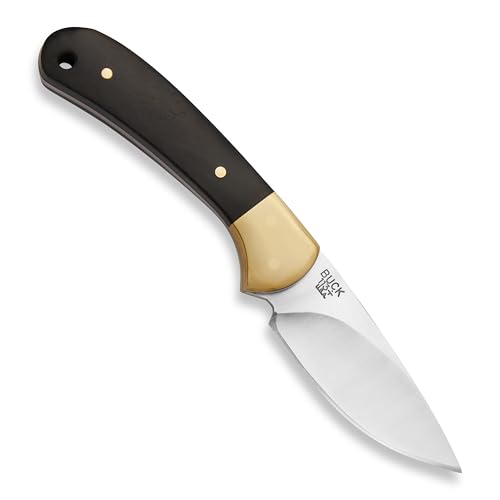
Buck Knives 103 SkinnerFixed blade knife More specs
| 4 inlisting | — | 420HClisting | Stainlesslisting | Check price |
Buck Knives 685 Large BuckLite Max IIFixed blade knife More specs
| 4 inlisting | — | 420HClisting | Stainlesslisting | Check price |
Camillus Roto 9"Fixed blade knife More specs
| 4 inlisting | — | 420listing | Stainlesslisting | Check price |
Outdoor Edge WildPairFixed blade knife More specs
| 4 inlisting | — | — | Stainlesslisting | Check price |
Outdoor Edge WildSkinFixed blade knife More specs
| 4 inlisting | 8.5 inlisting | — | — | Check price |
Buck Knives 191 Buck ZipperFixed blade knife More specs
| 4.25 inlisting | — | 420HClisting | Stainlesslisting | Check price |
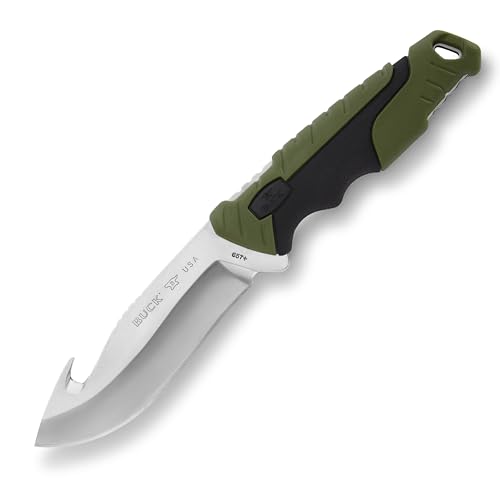
Buck Knives 657 Large Pursuit GuthookFixed blade knife More specs
| 4.5 inlisting | 9.5 inlisting | 420HClisting | Stainlesslisting | Check price |
Camillus SKOL 10.5"Fixed blade knife More specs
| 4.87 inlisting | — | 1095listing | Carbonlisting | Check price |
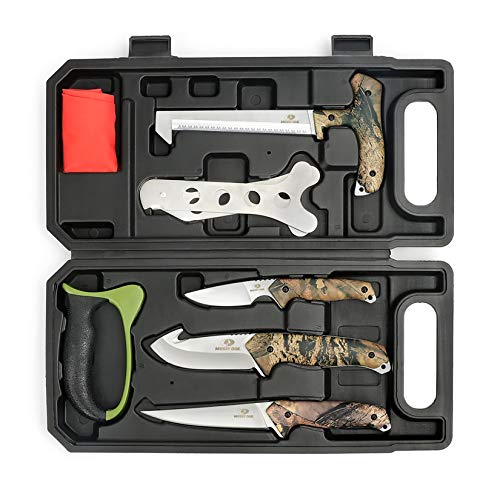
Mossy Oak 2-Piece Hunting Knife SetFixed blade knife More specs
| 5.125 inlisting | 10.375 inlisting | — | Stainlesslisting | Check price |
Bone Collector Two Piece Hunting Knife SetFixed blade knife More specs
| 7 inlisting | — | — | Stainlesslisting | Check price |
Accusharp Gut Hook and Caping Knife BundleFixed blade knife More specs
| — | — | 420listing | Stainlesslisting | Check price |
Bone Collector BC-851 Gut-HookFixed blade knife More specs
| — | — | — | — | Check price |
Bone Collector Two Piece Hunting Knife SetFixed blade knife More specs
| — | 7 inlisting | — | Stainlesslisting | Check price |
Camillus Tan Titanium Gut HookFixed blade knife More specs
| — | — | — | — | Check price |
Case Ridgeback Hunter 30594Fixed blade knife More specs
| — | 8.5 inlisting | — | — | Check price |
Case Ridgeback Hunter 30592Fixed blade knife More specs
| — | 8.5 inlisting | — | — | Check price |
Elk Ridge ER-300 2-Piece SetFixed blade knife More specs
| — | — | 3Cr13MoVlisting | Stainlesslisting | Check price |
Elk Ridge 2-Piece Skinner and Gut Hook SetFixed blade knife More specs
| — | — | 3Cr13listing | Stainlesslisting | Check price |
Kalkal 8-Piece Hunting Knife SetFixed blade knife More specs
| — | — | — | — | Check price |
Mossy Oak Field Dressing Kit 8-PieceFixed blade knife More specs
| — | — | — | Stainlesslisting | Check price |
Mossy Oak Field Dressing Kit 4PCFixed blade knife More specs
| — | — | — | — | Check price |
Mossy Oak Field Dressing Kit 3PCFixed blade knife More specs
| — | — | — | Stainlesslisting | Check price |
Outdoor Edge WildLite 6-Piece Game Processing SetFixed blade knife More specs
| — | — | — | — | Check price |
Outdoor Edge Wild Roll PackFixed blade knife More specs
| — | — | — | — | Check price |
Purple Dragon Deer Skinning Knife SetFixed blade knife More specs
| — | — | — | Stainlesslisting | Check price |
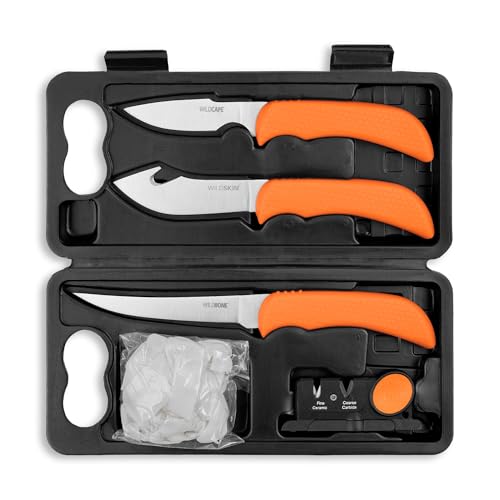
Rite Edge Hunting Knife Set 211167Fixed blade knife More specs
| — | — | — | — | Check price |









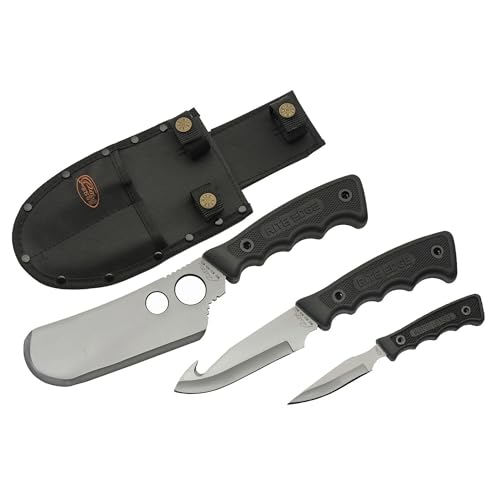
Rite Edge Hunting Knife 3-Piece SetFixed blade knife More specs
| — | — | — | Stainlesslisting | Check price |
|---|---|---|---|---|---|
Rite Edge Guthook Hunting Knife 7 inFixed blade knife More specs
| — | 7 inlisting | 3Cr13listing | Stainlesslisting | Check price |
Swiss+Tech 3-Piece Hunting Knife SetFixed blade knife More specs
| — | — | — | — | Check price |
Weyland Survival Knife MOLLEFixed blade knife More specs
| — | — | 3Cr13listing | Stainlesslisting | Check price |


What’s in this listFixed blades with a skinner profile or a gut hook, as stated by the maker or the Amazon listing. “—” means neither the maker nor the Amazon listing states it.
What makes a skinning knife different
A skinning knife is shaped around the belly, the curved part of the edge near the tip. Montana Knife Company's blade guide calls the belly the sweeping slicing surface of a blade, and skinning is the job where that sweep counts most.
Most deer knives try to do everything. A skinner gives some of that up. Its edge curves up toward a tip that rides above the work, so the blade can sweep along the inside of the hide without poking through it. The tradeoff is the tip: raised tips have less steel behind them, so they're poor for prying, piercing or heavy cutting, per the same guide.
What's shared with every fixed blade (tang types, steel classes, sheaths) is on the fixed blade knife page. The all-round deer knife is on the hunting knife page, the parent of this one.
The table on this page lists fixed blades whose maker or Amazon listing states a skinner profile or a gut hook. Columns cover blade length and shape, steel type, grind, handle, sheath, gut hook and whatever else is stated, the maker's numbers first and the listing's where the maker is silent (marked as listing values). Fields neither states show a dash. Makers rarely mention gut hooks, so a dash in that column means "not stated", not "no hook".
What a skinning knife is used for
Skinning comes after field dressing. Outdoor Life's step-by-step skinning guide describes the job as mostly pulling: you peel the hide down with your hands and body weight, and use the knife only on the thin white connective tissue that holds on.
That's why the belly matters more than the point. You're making hundreds of short, shallow slicing strokes along a curve, not a few deep cuts. A long, gentle belly lets you keep the edge on that tissue while the spine stays clear of the hide.
What to look at in a skinning knife
Read the table columns in this order.
Blade shape: a skinner, a trailing point or a drop point
The blade-shape column shows how the spine meets the edge. Three shapes do the skinning on most deer:
- Skinner: a deep curved belly with the tip lifted out of the way. This is the shape the page is built around.
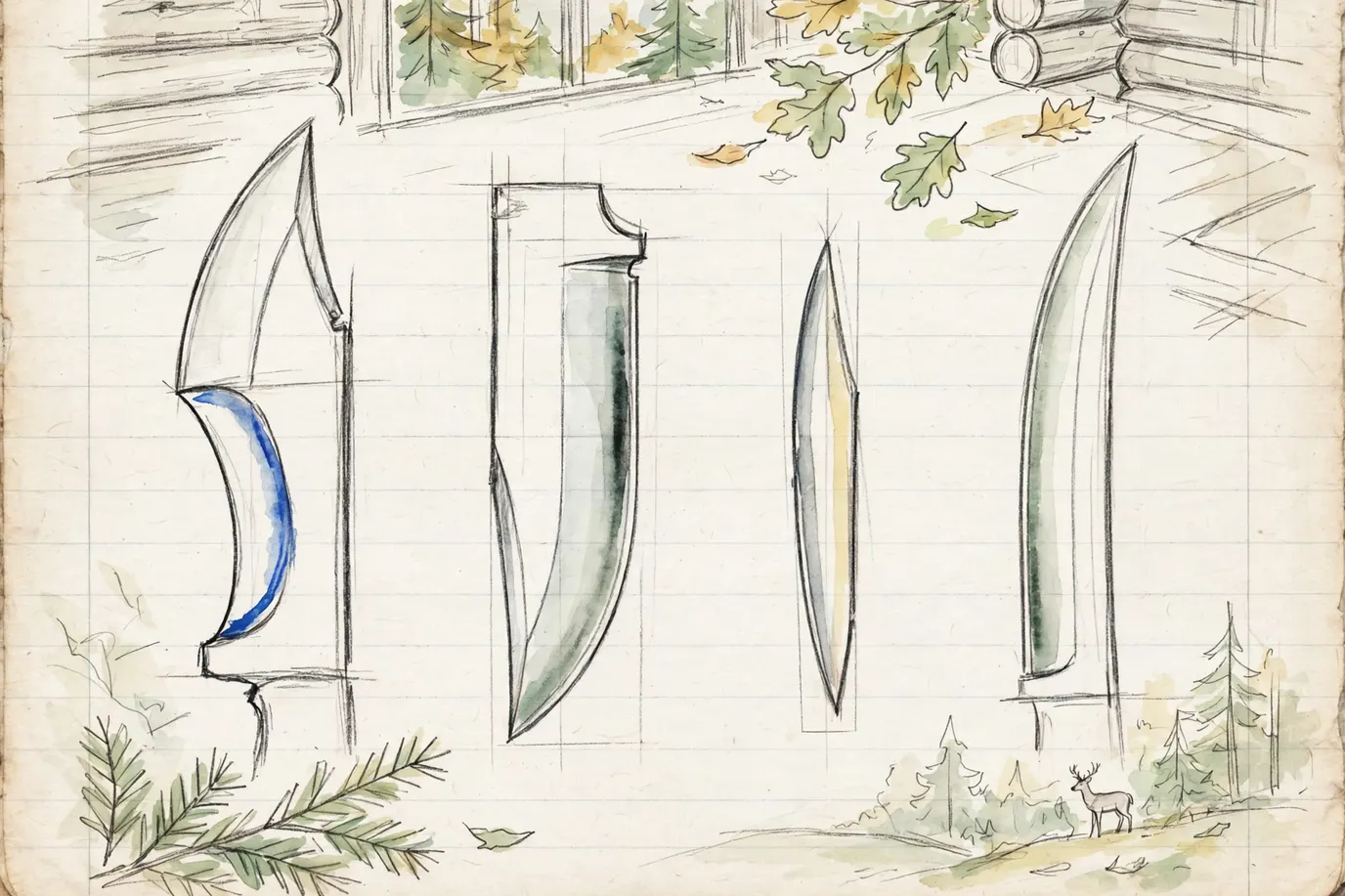
- Trailing point: the spine curves up so the tip sits above the blade's centerline. Benchmade's guide lists skinning, filleting and butchering game among its jobs; Montana Knife Company's says the upswept tip stays out of the way and helps you avoid puncturing the hide.
- Drop point: the spine slopes down to a stronger tip with a generous belly. Montana Knife Company credits that lower tip with keeping you out of the gut cavity on the opening cut.
Rule of thumb: if you want one knife for field dressing and skinning, the drop point is the compromise. If you already have a field-dressing knife, a true skinner is the specialist.
Check for a gut hook if you open your own deer
The gut-hook column marks a backward hook with a sharpened inner edge, usually ground into the spine. Montana Knife Company's guide says it opens the skin without puncturing the gut cavity. The same guide lists the downsides: it's hard to sharpen and it can snag on clothing and brush unless it's sheathed. Knives built around the hook are on the gut hook knife page.
Blade length: about the length of your palm for deer
Length is the next filter. One knife maker's skinning guide uses a 3.5-inch drop-point blade for body skinning on a deer and calls it too big for tight work around the face. For deer, Outdoor Life's hunting-knife writer puts the sweet spot at 3 to 3.5 inches, inside a 2- to 4-inch range.
Bigger animals change the math. Oregon State University Extension's meat-processing guide lists a 5-inch skinner for beef and lamb, mainly for the flank where broad strokes are possible. If you hunt elk as well as whitetails, a slightly longer skinner makes sense. For a Pennsylvania doe, it's like bringing a snow shovel to clear a windshield.
A grind made for meat and hide
Grind is the cross-section of the blade near the edge. Morakniv's grind guide describes a profile grind designed for cutting meat and hide with minimal friction, and a full flat grind for long, clean slicing cuts. Either suits skinning. A plain edge is the norm here; serrations grab hide instead of slicing it.
Steel: hair dulls every edge, so think about touch-ups
Here's what nobody warns you about. Outdoor Life's skinning guide says cutting through hair dulls the knife and gets hair on the meat. You'll still dull the edge on a whole deer, and Outdoor Edge's guide notes that a dull blade tears fascia and hide.
So the steel-type column is really a question about sharpening. Outdoor Life's hunting-knife guide puts it this way: stainless holds an edge longer and resists rust but is harder to sharpen, and carbon steel sharpens quickly but rusts if kept wet. Oregon State's guide adds that a honing steel realigns an edge during work, while stones do the actual sharpening, coarse to fine.
If you skin in a cold shed with a sharpener in your pocket, either steel works. If you'd rather not touch the edge until the deer is done, lean stainless.
Grip that holds when the handle is wet
The handle column lists the material, and on a skinner it matters more than looks. Outdoor Life's knife roundup reports that rubber handles kept their grip with bloody hands, while fat made some smooth handles slick. A taxidermist quoted by Mississippi Sportsman says rubberized grips work well even with gloves on, and some synthetic grips get slippery when wet.
Look for a guard or finger choil between the handle and the edge, too. Your hand will be wet and moving all the time, and the guard keeps it from sliding forward onto the edge.
Tang and sheath: you'll be washing both
Knifemaking.com's tang guide lists field dressing among the jobs where a full tang belongs, and the Mississippi Sportsman taxidermist prefers a full tang for caping knives. A dash in the tang column is silence from both maker and listing, not a partial tang.
The sheath column matters for cleanup. Montana Knife Company's sheath guide says a molded kydex sheath rinses clean with warm soapy water and doesn't absorb water, while leather soaks it up and needs drying and conditioning. Never put a skinner away wet in any sheath.
Skinning knife vs hunting, boning and caping knives
Four knives get mixed up at the meat-cutting table. Here's how they split the work.
Hunting knife
The generalist. Usually a drop point that field dresses, skins and cuts rope. Outdoor Edge's guide says a drop-point blade alone can skin the entire deer if you aren't saving the head or cape for a mount. If you shoot one deer a season and take it to a processor, this is probably the only knife you need.
Boning knife
The meat knife. Oregon State's guide describes a 5- or 6-inch flexible, curved blade for following bone contours, separating cuts and trimming fat. Outdoor Life's skinning guide also mentions a stout boning knife for working knee joints. It comes out after the hide is off.
Caping knife
The detail knife for a mount. The Mississippi Sportsman taxidermist describes caping as small, precise cuts close to the ears, eyes and mouth, and recommends a 2- to 3-inch blade with a fine point and a handle that lets your forefinger rest over the spine. Outdoor Edge's caping blade uses a fine clip point with a narrow belly.
How to use a skinning knife on a deer
My advice for anyone skinning a deer is one sentence: let the hide do the work. Pull it, and use the knife only where the hide won't come free on its own. Jess has heard that sentence every season and still rolls her eyes at it, which is how I know it stuck.
Outdoor Life's skinning guide is built around a deer hung head down from a gambrel. The short version:
- Ring the lower legs near the knees. That's about the only place you cut down through the hair.
- Open the hide along the inside of each hind leg and join those cuts to the field-dressing cut.
- Peel the hide off the hindquarters, working from the inside of the leg around to the outside.
- Pull the hide down the body with your hands and body weight, slicing only the connective tissue that holds.
- Cut along the inside of the front legs and pull the hide over them like a sweatshirt sleeve.
- Finish at the neck and the base of the skull.
Keep the edge parallel to the meat or angled away from it, and slide the tip under the skin, per Outdoor Life. If you have to cut through hide, cut from underneath so you sever less hair. Outdoor Edge's guide says to hold the hide away from the carcass while pulling so loose hair doesn't land on the meat.
Two more notes from Outdoor Life: a warm deer skins far easier than a cold one, and you shouldn't hose the carcass down, because water encourages bacteria. Outdoor Edge puts a hung deer at about 20 to 40 minutes of skinning once you have the routine. Your first one will take longer. Ask Jess.
Clean hands, clean blade
Penn State Extension's guidance for hunters in chronic wasting disease areas is short and worth following everywhere:
- Gloves: latex or rubber when field dressing
- Cuts: bone out the meat, don't saw through bone, avoid the brain and spinal cord
- Cleanup: wash hands and instruments thoroughly when you're done
- Sick deer: don't handle or eat an animal that acts abnormally or looks sick
Rules on moving carcasses, heads and bone-in meat differ from state to state, especially around disease areas. Check your state wildlife agency before you travel with a deer.
Who should skip a skinning knife
If a processor skins your deer, skip the specialist. A good hunting knife for field dressing is all you need, and the hunting knife page covers it. If you want a mount and have never caped a deer, the Mississippi Sportsman piece suggests paying a taxidermist; some caping mistakes can be fixed, but they may not look natural. And if you mostly need a knife for camp, a skinner's raised tip is the wrong shape for whittling and prying.
Handle a skinning knife safely
Skinning means a wet, sharp edge close to your other hand for a long time. Cut away from your body and your holding hand and keep the knife sheathed while you pull hide. NRA Family's safety guide says a sharp knife is safer than a dull one, because a dull edge deflects where you don't intend.
Curved belly, raised tip, sharp edge, wet-proof grip. Then let the hide do the work.
Brands in this list
Related
Questions people ask
What is a skinning knife used for?
Removing the hide from a deer or other game after field dressing. The curved belly slices the thin white connective tissue between skin and meat while you pull the hide away. Outdoor Life's skinning guide says to use the knife only where tissue resists, with the edge parallel to or facing away from the meat, and to pull the rest by hand.
Skinning knife vs boning knife: what's the difference?
A skinning knife takes the hide off; a boning knife takes the meat off the bone. Oregon State University Extension describes a 5- or 6-inch flexible, curved boning knife for following bone contours and separating cuts. A skinning blade is stiffer, shorter on most deer knives, and wider at the belly for long sweeping strokes.
Hunting knife vs skinning knife: do I need both?
Not always. A hunting knife is the all-rounder, usually a drop point that handles field dressing, skinning and camp chores. One knife maker's skinning guide says a drop point alone can skin a whole deer if you aren't saving the cape. A dedicated skinner earns its place when you process your own deer every season.
Skinning knife vs caping knife: which one for a mount?
Both, if you're saving the cape. The skinning knife handles the body. A caping knife is the small precision blade for the eyes, ears, lips and antler bases. A taxidermist quoted by Mississippi Sportsman recommends a 2- to 3-inch blade, extremely sharp with a fine point, and a handle that lets your forefinger rest on the spine.
Sources
- Outdoor Life: How to skin a deer, step by step — accessed 2026-10-22
- Outdoor Edge: How to skin a deer, drop-point vs caping blade — accessed 2026-10-22
- Montana Knife Company: Knife blade types — accessed 2026-10-22
- Benchmade: Knife blade types guide — accessed 2026-10-22
- Mississippi Sportsman: Caping requires a good blade — accessed 2026-10-22
- Oregon State University Extension: The basic equipment for at-home meat processing — accessed 2026-10-22
- Penn State Extension: Precautions for deer hunters in areas with chronic wasting disease — accessed 2026-10-22
- Outdoor Life: Choosing a hunting knife — accessed 2026-10-22
- Morakniv: Grinds and edge angles — accessed 2026-10-22
- Knifemaking.com: Full tang blades vs. hidden tang blades — accessed 2026-10-22
- Montana Knife Company: Kydex vs. leather sheaths — accessed 2026-10-22
- NRA Family: Stay sharp, knife safety basics — accessed 2026-10-22