Camp Gear · Gear type
Electric Coolers
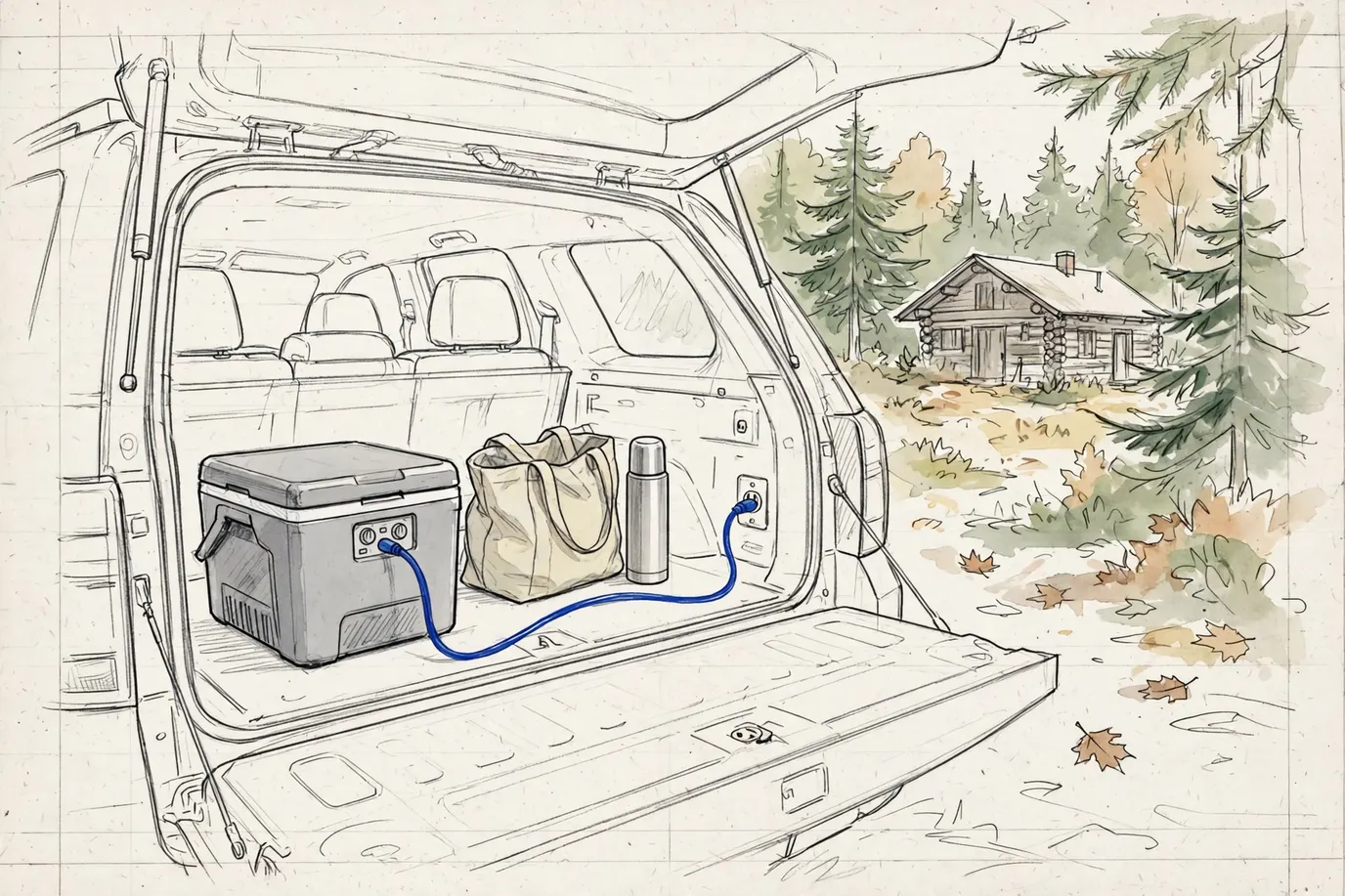
An electric cooler makes its own cold from a power cord instead of a bag of ice, and the first choice is how it does that. A compressor model works like a small kitchen fridge and holds a set temperature, even freezing. A thermoelectric model is lighter and simpler, but it only keeps things a set gap below the air around it. Pick the cooling type first, then power, then size. (I'm a union electrician. A cooler that comes with a wiring question was always going to be my department.)
We earn a commission if you buy through our links, at no cost to you. Disclosure
| Model | Capacity | Exterior (L x W x H) | Cooling | Lowest temp | Zones | Amazon |
|---|---|---|---|---|---|---|
VEVOR Car Armrest Refrigerator 8LElectric cooler More specs
| 8.5 qtlisting | — | Compressorlisting | -4 Flisting | Singlelisting | Check price |
Alpicool MG9Electric cooler More specs
| 9 qtlisting | 16.3 x 9.8 x 11.1listing | — | -4 Flisting | — | Check price |
Koolatron 12V Cooler/Warmer 9.8 qtElectric cooler More specs
| 9.8 qtlisting | — | Thermoelectriclisting | — | — | Check price |
Koolatron 12V Iceless Cooler & Warmer 9.8 qtElectric cooler More specs
| 9.8 qtlisting | — | Thermoelectriclisting | — | — | Check price |
Alpicool 10 Quart Car RefrigeratorElectric cooler More specs
| 10 qtlisting | — | Compressorlisting | -4 Flisting | — | Check price |
Alpicool C9PTElectric cooler More specs
| 10 qtlisting | 16.75 x 12.56 x 9.88listing | — | -4 Flisting | — | Check price |
Alpicool 10 Quart Car RefrigeratorElectric cooler More specs
| 10 qtlisting | — | — | -4 Flisting | Singlelisting | Check price |
VEVOR Car Refrigerator 10 QTElectric cooler More specs
| 10 qtlisting | — | Compressorlisting | -4 Flisting | — | Check price |
VEVOR 12 Volt Refrigerator 12.68 QTElectric cooler More specs
| 12.68 qtlisting | — | Compressorlisting | -4 Flisting | — | Check price |
Alpicool C12Electric cooler More specs
| 13 qtlisting | — | — | -4 Flisting | — | Check price |
Iceco GOPACK12Electric cooler More specs
| 13 qtlisting | — | Compressorlisting | 21 Flisting | — | Check price |
Iceco GOPACK12 with 250Wh BatteryElectric cooler More specs
| 13 qtlisting | — | Compressorlisting | 21 Flisting | — | Check price |
VEVOR 12 Volt Backpack Refrigerator 13.7 QTElectric cooler More specs
| 13.7 qtlisting | — | — | 21 Flisting | — | Check price |
Koolatron Soft-Sided Car Cooler Bag 14 qtElectric cooler More specs
| 14 qtlisting | — | — | — | — | Check price |
Koolatron Soft-Sided Car Cooler Bag 14 qtElectric cooler More specs
| 14 qtlisting | — | Thermoelectriclisting | — | — | Check price |
Setpower FC15 Portable Refrigerator 15LElectric cooler More specs
| 15.8 qtlisting | — | Compressorlisting | -4 Flisting | — | Check price |
Alpicool C15Electric cooler More specs
| 16 qtlisting | 22.4 x 12.6 x 10.2listing | — | -4 Flisting | — | Check price |
Alpicool 16 Quart Car RefrigeratorElectric cooler More specs
| 16 qtlisting | 23.35 x 12.64 x 10.75listing | Compressorlisting | -4 Flisting | Singlelisting | Check price |
Bodega 12 Volt Refrigerator 16 QuartElectric cooler More specs
| 16 qtlisting | — | — | -4 Flisting | — | Check price |
Bodega 12 Volt Car Refrigerator 16QTElectric cooler | 16 qtlisting | — | Compressorlisting | -4 Flisting | — | Check price |
Costway 16 Quart Compact Car FreezerElectric cooler More specs
| 16 qtlisting | — | — | — | — | Check price |
VEVOR Car Refrigerator 16 QTElectric cooler More specs
| 16 qtlisting | — | Compressorlisting | -4 Flisting | — | Check price |
Insmeer 20L Electric Cooler/WarmerElectric cooler More specs
| 18 qtlisting | — | Thermoelectriclisting | — | — | Check price |
Koolatron 12V Cooler/Warmer 18 qtElectric cooler More specs
| 18 qtlisting | — | Thermoelectriclisting | — | — | Check price |
Koolatron 12V Iceless Cooler & Warmer 18 qtElectric cooler More specs
| 18 qtlisting | — | Thermoelectriclisting | — | — | Check price |
VEVOR 12 Volt Refrigerator 19 QTElectric cooler More specs
| 19 qtlisting | — | Compressorlisting | -4 Flisting | — | Check price |
Alpicool C20Electric cooler More specs
| 21 qtlisting | — | Compressorlisting | — | — | Check price |
BougeRV 12V Refrigerator CRPRO 21QTElectric cooler More specs
| 21 qtlisting | — | Compressorlisting | -8 Flisting | — | Check price |
BougeRV 12V Refrigerator CRH20 21QT BatteryElectric cooler More specs
| 21 qtlisting | — | — | -4 Flisting | — | Check price |
Iceco GO20Electric cooler More specs
| 21 qtlisting | — | Compressorlisting | 0 Flisting | Duallisting | Check price |
Iceco APL20Electric cooler More specs
| 21 qtlisting | — | Compressorlisting | -4 Flisting | — | Check price |
LiTHELi Frozen Pack Backpack Fridge 20LElectric cooler More specs
| 21 qtlisting | — | Compressorlisting | -4 Flisting | — | Check price |
LiTHELi Electric Camping Cooler 21QTElectric cooler | 21 qtlisting | — | Compressorlisting | -4 Flisting | — | Check price |
LiTHELi 21QT 12V Refrigerator with BatteriesElectric cooler More specs
| 21 qtlisting | — | Compressorlisting | -4 Flisting | — | Check price |
LiTHELi FrozenPack Wild 20L Backpack FridgeElectric cooler More specs
| 21 qtlisting | — | Compressorlisting | -4 Flisting | — | Check price |
LiTHELi FrozenPack Wild 20L Backpack FridgeElectric cooler More specs
| 21 qtlisting | — | Compressorlisting | -4 Flisting | — | Check price |
LiTHELi 21QT 12V Refrigerator with BatteriesElectric cooler More specs
| 21 qtlisting | — | Compressorlisting | -4 Flisting | — | Check price |
LiTHELi 12 Volt Portable Refrigerator 20L with 2 BatteriesElectric cooler More specs
| 21 qtlisting | — | Compressorlisting | -4 Flisting | — | Check price |
LiTHELi Frozen Pack 20LElectric cooler More specs
| 21 qtlisting | — | Compressorlisting | -4 Flisting | — | Check price |
LiTHELi FrozenPack Wild 20L Backpack FridgeElectric cooler More specs
| 21 qtlisting | — | Compressorlisting | -4 Flisting | — | Check price |


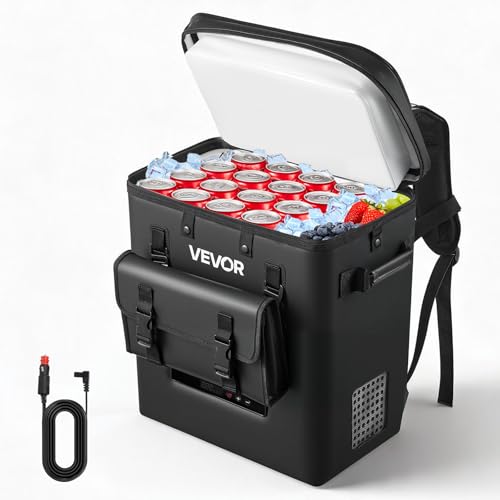


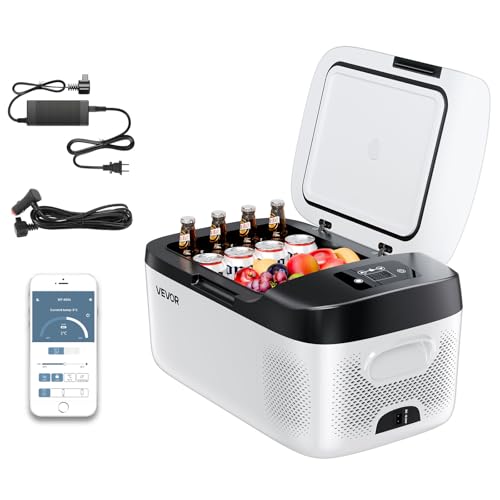


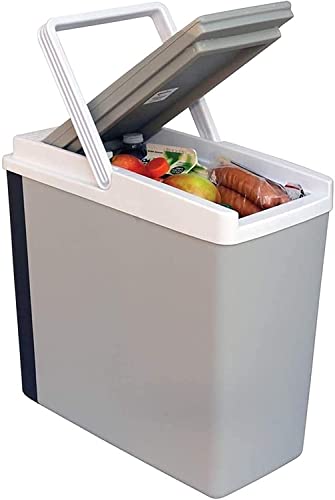


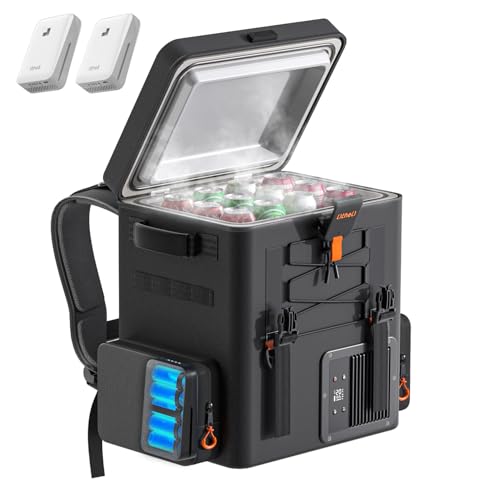

Setpower 12V Refrigerator 21QTElectric cooler More specs
| 21 qtlisting | — | Compressorlisting | -4 Flisting | — | Check price |
|---|---|---|---|---|---|---|
Setpower RF20 21Qt with PG216Wh Power StationElectric cooler | 21 qtlisting | — | — | — | — | Check price |
Setpower RF20 21 Quart with PG216 BatteryElectric cooler More specs
| 21 qtlisting | — | — | — | — | Check price |
Setpower RF20 21 Quart with CoverElectric cooler More specs
| 21 qtlisting | — | — | — | — | Check price |
Setpower RF20 with RF Tall Lid BundleElectric cooler More specs
| 21 qtlisting | — | — | — | — | Check price |
Setpower Electric Cooler 21QTElectric cooler More specs
| 21 qtlisting | — | Compressorlisting | -4 Flisting | — | Check price |
Smeta Portable Car Fridge/Freezer 20LElectric cooler More specs
| 21 qtlisting | — | Compressorlisting | -4 Flisting | — | Check price |
VEVOR Car Refrigerator 21 QTElectric cooler More specs
| 21 qtlisting | — | Compressorlisting | -4 Flisting | — | Check price |
Setpower 20L 12V Refrigerator with PG216 Power StationElectric cooler | 21.1 qtlisting | — | — | — | — | Check price |
VEVOR 12 Volt Refrigerator 21.1 QT EPPElectric cooler More specs
| 21.1 qtlisting | — | Compressorlisting | 14 Flisting | — | Check price |
VEVOR 12 Volt Refrigerator 20L for Tesla Model 3Electric cooler More specs
| 21.1 qtlisting | — | Compressorlisting | — | — | Check price |
BougeRV 12V Refrigerator 23 QuartElectric cooler More specs
| 23 qtlisting | 22.68 x 12.60 x 12.97listing | Compressorlisting | -8 Flisting | — | Check price |
BougeRV 12V Refrigerator 23 Quart with CoverElectric cooler More specs
| 23 qtlisting | — | Compressorlisting | -8 Flisting | — | Check price |
BougeRV Car Refrigerator CRX3 23 QuartElectric cooler More specs
| 23 qtlisting | — | Compressorlisting | -4 Flisting | — | Check price |
Costway 23-Quart Portable Car RefrigeratorElectric cooler More specs
| 23 qtlisting | — | Compressorlisting | -4 Flisting | — | Check price |
VEVOR Car Refrigerator 23 QTElectric cooler More specs
| 23 qtlisting | — | Compressorlisting | -4 Flisting | — | Check price |
Bodega 12 Volt Car Refrigerator 26QTElectric cooler More specs
| 26 qtlisting | 13.6 x 22.5 x 14.9listing | Compressorlisting | -4 Flisting | — | Check price |
Koolatron 12V Iceless Cooler & Warmer 26 qtElectric cooler More specs
| 26 qtlisting | — | Thermoelectriclisting | — | — | Check price |
Koolatron Soft-Sided Car Cooler Bag 26 qtElectric cooler More specs
| 26 qtlisting | — | — | — | — | Check price |
Koolatron 12V Iceless Cooler & Warmer 26 qtElectric cooler More specs
| 26 qtlisting | — | Thermoelectriclisting | — | — | Check price |
Dometic CFX5 25LElectric cooler More specs
| 26.4 qtlisting | — | — | -7 Flisting | — | Check price |
VEVOR Car Refrigerator 26.4QTElectric cooler More specs
| 26.4 qtlisting | — | Compressorlisting | -4 Flisting | — | Check price |
Koolatron Electric Portable Cooler 25LElectric cooler More specs
| 26.7 qtlisting | — | — | — | — | Check price |
Setpower 12V Refrigerator 27QTElectric cooler More specs
| 27 qtlisting | — | Compressorlisting | -4 Flisting | — | Check price |
Setpower RF25 27 Quart with PG216 BatteryElectric cooler More specs
| 27 qtlisting | — | — | — | — | Check price |
Setpower Electric Cooler 27QTElectric cooler More specs
| 27 qtlisting | — | — | -4 Flisting | — | Check price |
Alpicool 28 Quart Car RefrigeratorElectric cooler More specs
| 28 qtlisting | — | Compressorlisting | -4 Flisting | — | Check price |
Alpicool 29 Quart Single Zone Car RefrigeratorElectric cooler More specs
| 29 qtlisting | — | Compressorlisting | -4 Flisting | Singlelisting | Check price |
Alpicool 29 Quart Compressor Car RefrigeratorElectric cooler More specs
| 29 qtlisting | — | Compressorlisting | -4 Flisting | — | Check price |
Koolatron 12V Iceless Cooler & Warmer 29 qtElectric cooler More specs
| 29 qtlisting | — | Thermoelectriclisting | — | — | Check price |
Koolatron 12V Iceless Cooler & Warmer 29 qtElectric cooler More specs
| 29 qtlisting | — | Thermoelectriclisting | — | — | Check price |
Koolatron Thermoelectric Iceless Cooler/Warmer 29 qtElectric cooler More specs
| 29 qtlisting | — | Thermoelectriclisting | — | — | Check price |
Dometic CFX2 28LElectric cooler More specs
| 29.6 qtlisting | — | Compressorlisting | -7 Flisting | — | Check price |
BougeRV 12V Refrigerator CRPRO 30QTElectric cooler More specs
| 30 qtlisting | — | Compressorlisting | -8 Flisting | — | Check price |
BougeRV 12V Refrigerator 30 QuartElectric cooler More specs
| 30 qtlisting | 22.68 x 12.60 x 15.53listing | Compressorlisting | -8 Flisting | — | Check price |
BougeRV Car Refrigerator CRX3 30 QuartElectric cooler More specs
| 30 qtlisting | — | Compressorlisting | -4 Flisting | — | Check price |
BougeRV CRPRO VIP 30 Quart BundleElectric cooler | 30 qtlisting | — | — | — | — | Check price |
BougeRV CRPRO30 30 Quart BundleElectric cooler | 30 qtlisting | — | — | — | — | Check price |
BougeRV CRPRO 30QT BundleElectric cooler | 30 qtlisting | — | — | — | — | Check price |
BougeRV 30 Quart Portable Refrigerator BundleElectric cooler | 30 qtlisting | 22.68 x 12.60 x 15.53listing | Compressorlisting | — | — | Check price |
Koolatron 12V Smart Fridge/Freezer 31 qtElectric cooler More specs
| 31 qtlisting | — | Compressorlisting | -8 Flisting | — | Check price |
VEVOR Car Refrigerator 31.7QTElectric cooler More specs
| 31.7 qtlisting | — | Compressorlisting | -4 Flisting | — | Check price |
Alpicool Dual Zone 32 Quart Car RefrigeratorElectric cooler More specs
| 32 qtlisting | — | — | -4 Flisting | Duallisting | Check price |
Bodega 12 Volt Car Refrigerator 32 QTElectric cooler More specs
| 32 qtlisting | 13.6 x 22.5 x 16.7listing | Compressorlisting | -4 Flisting | — | Check price |
Koolatron 12V Iceless Cooler & Warmer 33 qtElectric cooler More specs
| 33 qtlisting | — | Thermoelectriclisting | — | — | Check price |
Koolatron Rolling Cooler & Warmer 33 qtElectric cooler More specs
| 33 qtlisting | — | Thermoelectriclisting | — | — | Check price |
Koolatron 12V Iceless Cooler & Warmer 33 qtElectric cooler More specs
| 33 qtlisting | — | Thermoelectriclisting | — | — | Check price |
VEVOR Car Refrigerator Dual Zone 32 LElectric cooler | 33.8 qtlisting | — | Compressorlisting | 4 Flisting | Duallisting | Check price |
Setpower 12V Refrigerator 34QTElectric cooler More specs
| 34 qtlisting | — | — | — | — | Check price |
Setpower 34QT with 216Wh BatteryElectric cooler | 34 qtlisting | — | — | — | — | Check price |
Dometic CFF 35Electric cooler More specs
| 35.9 qtlisting | — | Compressorlisting | -0.4 Flisting | Singlelisting | Check price |
Koolatron 12V Iceless Cooler & Warmer 36 qtElectric cooler More specs
| 36 qtlisting | — | Thermoelectriclisting | — | — | Check price |
Koolatron Rolling Cooler/Warmer 36 qtElectric cooler More specs
| 36 qtlisting | — | Thermoelectriclisting | — | — | Check price |
Bodega 35L Built-In Car RefrigeratorElectric cooler More specs
| 37 qtlisting | — | Compressorlisting | -4 Flisting | — | Check price |
Costway 37 Qt Car Refrigerator with WheelsElectric cooler More specs
| 37 qtlisting | — | Compressorlisting | -4 Flisting | — | Check price |
Dometic CFX5 35LElectric cooler More specs
| 37 qtlisting | — | — | -7 Flisting | — | Check price |
Iceco VL35 ProSElectric cooler More specs
| 37 qtlisting | — | Compressorlisting | 0 Flisting | — | Check price |
Iceco APL35Electric cooler More specs
| 37 qtlisting | — | Compressorlisting | -4 Flisting | — | Check price |
Iceco VL35 ProS 35 LitersElectric cooler More specs
| 37 qtlisting | — | Compressorlisting | 0 Flisting | — | Check price |
VEVOR Portable Refrigerator 37 Quart Dual ZoneElectric cooler More specs
| 37 qtlisting | — | Compressorlisting | -4 Flisting | Duallisting | Check price |
Bodega 12 Volt Car Refrigerator 38 QuartElectric cooler More specs
| 38 qtlisting | — | Compressorlisting | -4 Flisting | Singlelisting | Check price |
Bodega 12 Volt Car Refrigerator 38 QuartElectric cooler More specs
| 38 qtlisting | — | Compressorlisting | -4 Flisting | Duallisting | Check price |
Alpicool GE40Electric cooler More specs
| 39 qtlisting | — | — | — | — | Check price |
Alpicool GC40Electric cooler | 39 qtlisting | — | Compressorlisting | -4 Flisting | — | Check price |
Dometic CFX2 37LElectric cooler More specs
| 39.1 qtlisting | — | Compressorlisting | -7 Flisting | — | Check price |
Bodega 12 Volt Car Refrigerator 40 QtElectric cooler More specs
| 40 qtlisting | — | Compressorlisting | -4 Flisting | — | Check price |
Koolatron 12V Iceless Cooler & Warmer 40 qtElectric cooler More specs
| 40 qtlisting | — | Thermoelectriclisting | — | — | Check price |
Alpicool CF45Electric cooler More specs
| 42 qtlisting | 27.2 x 13.6 x 18.2listing | — | -4 Flisting | — | Check price |
Alpicool Dual Zone 42 Quart Refrigerator with WheelElectric cooler More specs
| 42 qtlisting | — | — | -4 Flisting | Duallisting | Check price |
Alpicool CHS55Electric cooler | 42 qtlisting | — | — | -4 Flisting | Duallisting | Check price |
Anker SOLIX EverFrost 2 40 LElectric cooler More specs
| 42 qtlisting | — | — | -4 Flisting | — | Check price |
Bodega 12V Portable Refrigerator 42 QuartElectric cooler More specs
| 42 qtlisting | — | — | -4 Flisting | Duallisting | Check price |
Bodega 12 Volt Car Refrigerator 42QTElectric cooler More specs
| 42 qtlisting | 15.8 x 25.9 x 15.5listing | Compressorlisting | -4 Flisting | — | Check price |
BougeRV 12V Refrigerator 42 QuartElectric cooler More specs
| 42 qtlisting | — | Compressorlisting | -4 Flisting | — | Check price |
BougeRV CRS 42 Quart Portable RefrigeratorElectric cooler More specs
| 42 qtlisting | — | Compressorlisting | -4 Flisting | — | Check price |
BougeRV CRS 42 Quart 12V RefrigeratorElectric cooler More specs
| 42 qtlisting | — | Compressorlisting | -4 Flisting | — | Check price |
Costway 42-Quart Car Refrigerator with WheelsElectric cooler More specs
| 42 qtlisting | — | Compressorlisting | -4 Flisting | Duallisting | Check price |
Koolatron SmartKool 42 qt Fridge FreezerElectric cooler More specs
| 42 qtlisting | — | Compressorlisting | -8 Flisting | — | Check price |
VEVOR Car Refrigerator 42.3QTElectric cooler More specs
| 42.3 qtlisting | — | Compressorlisting | -4 Flisting | — | Check price |
VEVOR 12 Volt Refrigerator 42.3 QT EPPElectric cooler More specs
| 42.3 qtlisting | — | Compressorlisting | 14 Flisting | — | Check price |
VEVOR Car Refrigerator Dual Zone 40 LElectric cooler | 42.3 qtlisting | — | Compressorlisting | 4 Flisting | Duallisting | Check price |
Alpicool 43 QT Dual Zone Compressor CoolerElectric cooler More specs
| 43 qtlisting | — | Compressorlisting | -4 Flisting | Duallisting | Check price |
BougeRV 12V Refrigerator CRD2 V2.0 43QTElectric cooler | 43 qtlisting | — | — | -4 Flisting | Duallisting | Check price |
BougeRV 12V Refrigerator CRD2 V2 43QT BatteryElectric cooler More specs
| 43 qtlisting | — | — | -4 Flisting | Duallisting | Check price |
Costway 44-Quart 12V Car RefrigeratorElectric cooler More specs
| 44 qtlisting | — | Compressorlisting | — | — | Check price |
Iceco VL45 PLUSElectric cooler More specs
| 44 qtlisting | — | Compressorlisting | 0 Flisting | — | Check price |
Koolatron 12V Cooler/Warmer 45 qtElectric cooler More specs
| 45 qtlisting | — | Thermoelectriclisting | — | — | Check price |
Koolatron 12V Cooler/Warmer 45 qtElectric cooler More specs
| 45 qtlisting | — | Thermoelectriclisting | — | — | Check price |
Iceco VL45 ProSElectric cooler More specs
| 47 qtlisting | — | Compressorlisting | 0 Flisting | — | Check price |
VEVOR 12 Volt Refrigerator 48 QuartElectric cooler More specs
| 47.5 qtlisting | — | — | -4 Flisting | — | Check price |
Dometic CFX2 45LElectric cooler More specs
| 47.6 qtlisting | — | Compressorlisting | -7 Flisting | — | Check price |
Iceco VL45Electric cooler More specs
| 47.6 qtlisting | — | Compressorlisting | 0 Flisting | — | Check price |
Setpower DT45 Dual Zone 45LElectric cooler | 47.6 qtlisting | — | — | — | Duallisting | Check price |
Alpicool GC50Electric cooler | 48 qtlisting | — | Compressorlisting | -4 Flisting | — | Check price |
Bodega 12 Volt Car Refrigerator 48QTElectric cooler More specs
| 48 qtlisting | — | Compressorlisting | -4 Flisting | Duallisting | Check price |
Setpower DT45 Dual Zone 48QTElectric cooler More specs
| 48 qtlisting | — | Compressorlisting | — | Duallisting | Check price |
Setpower DT45 with Slide and PG216Wh BatteryElectric cooler | 48 qtlisting | — | — | — | Duallisting | Check price |
Setpower 48QT Dual Zone with BatteryElectric cooler | 48 qtlisting | — | — | — | Duallisting | Check price |
VEVOR Car Refrigerator 48 QT Dual Zone with WheelsElectric cooler More specs
| 48 qtlisting | — | Compressorlisting | -4 Flisting | Duallisting | Check price |
Iceco JP50 ProDElectric cooler More specs
| 51 qtlisting | — | Compressorlisting | -4 Flisting | Duallisting | Check price |
Iceco JP50 ProElectric cooler More specs
| 51.7 qtlisting | — | Compressorlisting | -4 Flisting | — | Check price |
Alpicool CF55Electric cooler More specs
| 52 qtlisting | 27.2 x 13.6 x 20.6listing | — | -4 Flisting | — | Check price |
Alpicool 52 QT Dual Zone Compressor CoolerElectric cooler More specs
| 52 qtlisting | — | Compressorlisting | -4 Flisting | Duallisting | Check price |
Alpicool NCF55Electric cooler | 52 qtlisting | — | — | -4 Flisting | — | Check price |
Alpicool 52 Quart Dual Zone Car Fridge with WheelElectric cooler More specs
| 52 qtlisting | — | — | -4 Flisting | Duallisting | Check price |
BougeRV 12V Refrigerator CRD2 V2.0 52QTElectric cooler | 52 qtlisting | — | — | -4 Flisting | Duallisting | Check price |
BougeRV 12V Refrigerator CRD2 V2 52QT BatteryElectric cooler More specs
| 52 qtlisting | — | — | -4 Flisting | Duallisting | Check price |
Koolatron 12V Cooler/Warmer 52 qtElectric cooler More specs
| 52 qtlisting | — | Thermoelectriclisting | — | — | Check price |
VEVOR Car Refrigerator 52.8QTElectric cooler More specs
| 52.8 qtlisting | — | Compressorlisting | -4 Flisting | — | Check price |
Bodega 12V Car Refrigerator 53QT Dual ZoneElectric cooler More specs
| 53 qtlisting | — | Compressorlisting | — | Duallisting | Check price |
Bodega 12V Car Refrigerator 53 Quart Single ZoneElectric cooler More specs
| 53 qtlisting | — | Compressorlisting | -4 Flisting | Singlelisting | Check price |
Bodega 12 Volt Car Refrigerator 53QTElectric cooler More specs
| 53 qtlisting | 15.8 x 25.9 x 18.1listing | Compressorlisting | -4 Flisting | — | Check price |
BougeRV 12V Refrigerator 53 QuartElectric cooler More specs
| 53 qtlisting | — | Compressorlisting | -4 Flisting | — | Check price |
BougeRV CRS 53 Quart 12V RefrigeratorElectric cooler More specs
| 53 qtlisting | — | Compressorlisting | -4 Flisting | — | Check price |
Costway 53-Quart Car Refrigerator with WheelsElectric cooler | 53 qtlisting | — | Compressorlisting | -4 Flisting | Duallisting | Check price |
Costway 53-Quart Car Refrigerator Dual-TemperatureElectric cooler More specs
| 53 qtlisting | — | Compressorlisting | -4 Flisting | Duallisting | Check price |
Smeta Portable Fridge/Freezer with Wheels 53 qtElectric cooler More specs
| 53 qtlisting | — | Compressorlisting | -4 Flisting | — | Check price |
Smeta Drawer Refrigerator 50LElectric cooler | 53 qtlisting | — | — | — | — | Check price |
Koolatron SmartKool SK50 54 qtElectric cooler More specs
| 54 qtlisting | — | Compressorlisting | -8 Flisting | — | Check price |
BougeRV 12V Refrigerator RockyV3 55QT BatteryElectric cooler More specs
| 55 qtlisting | — | — | -4 Flisting | Duallisting | Check price |
Iceco APL55 58 QuartElectric cooler More specs
| 58 qtlisting | — | Compressorlisting | 0 Flisting | Duallisting | Check price |
Iceco APL55 58 QuartElectric cooler More specs
| 58 qtlisting | — | Compressorlisting | 0 Flisting | Duallisting | Check price |
Dometic CFX5 55L with Ice MakerElectric cooler More specs
| 58.1 qtlisting | — | — | -7 Flisting | — | Check price |
Iceco APL55 Dual Zone Bluetooth 55 LiterElectric cooler More specs
| 58.1 qtlisting | — | Compressorlisting | -4 Flisting | Duallisting | Check price |
Iceco APL55 Dual Zone Bluetooth 55 LiterElectric cooler More specs
| 58.1 qtlisting | — | Compressorlisting | -4 Flisting | Duallisting | Check price |
Bodega 12 Volt Car Refrigerator 59 QTElectric cooler More specs
| 59 qtlisting | — | Compressorlisting | -4 Flisting | Duallisting | Check price |
Setpower DT55 Dual Zone 59QTElectric cooler More specs
| 59 qtlisting | — | Compressorlisting | — | Duallisting | Check price |
Setpower DT55 Dual Zone 59QT with PG216Electric cooler More specs
| 59 qtlisting | — | — | — | Duallisting | Check price |
Setpower DT55 with Slide and PG216Wh BatteryElectric cooler | 59 qtlisting | — | — | — | Duallisting | Check price |
Setpower 59QT Dual Zone with Battery StationElectric cooler | 59 qtlisting | — | — | — | Duallisting | Check price |
Dometic CFX2 57LElectric cooler More specs
| 60.2 qtlisting | — | Compressorlisting | -7 Flisting | — | Check price |
Bodega 12 Volt Car Refrigerator 61 QuartElectric cooler More specs
| 61 qtlisting | — | Compressorlisting | -4 Flisting | — | Check price |
VEVOR Car Refrigerator 61.5 QT Dual ZoneElectric cooler More specs
| 61.5 qtlisting | — | Compressorlisting | -4 Flisting | Duallisting | Check price |
Alpicool 62 QT Dual Zone Compressor CoolerElectric cooler More specs
| 62 qtlisting | — | Compressorlisting | -4 Flisting | Duallisting | Check price |
Bodega 12V Car Refrigerator 63QTElectric cooler More specs
| 63 qtlisting | — | Compressorlisting | -4 Flisting | — | Check price |
Iceco VL60 ProSElectric cooler More specs
| 63 qtlisting | — | Compressorlisting | 0 Flisting | — | Check price |
Iceco VL60 Dual Zone 63 QtElectric cooler More specs
| 63 qtlisting | — | Compressorlisting | 0 Flisting | Duallisting | Check price |
Iceco VL60 Dual ZoneElectric cooler More specs
| 63.4 qtlisting | — | Compressorlisting | 0 Flisting | Duallisting | Check price |
Iceco VL60 Dual Zone with BatteryElectric cooler More specs
| 63.4 qtlisting | — | — | 0 Flisting | Duallisting | Check price |
Smeta 12V RV Refrigerator 60LElectric cooler More specs
| 63.4 qtlisting | — | — | — | — | Check price |
VEVOR Car Refrigerator 63.4QTElectric cooler More specs
| 63.4 qtlisting | — | Compressorlisting | -4 Flisting | — | Check price |
Bodega 12 Volt Portable Refrigerator 64 QuartElectric cooler More specs
| 64 qtlisting | — | Compressorlisting | -4 Flisting | Duallisting | Check price |
Iceco BF65Electric cooler More specs
| 66 qtlisting | — | Compressorlisting | — | Duallisting | Check price |
Smeta Portable Fridge/Freezer with Wheels 68 qtElectric cooler More specs
| 68 qtlisting | — | Compressorlisting | -4 Flisting | — | Check price |
Smeta Portable Car Refrigerator 65LElectric cooler More specs
| 68 qtlisting | — | — | — | — | Check price |
Bodega 12 Volt Car Refrigerator 79QTElectric cooler More specs
| 79 qtlisting | — | Compressorlisting | -4 Flisting | Duallisting | Check price |
Bodega Car Refrigerator Dual Zone 79QTElectric cooler | 79 qtlisting | — | Compressorlisting | -4 Flisting | Duallisting | Check price |
Iceco VL75 ProDElectric cooler More specs
| 79 qtlisting | — | Compressorlisting | — | Duallisting | Check price |
Iceco VL75 ProD with Magnetic BatteryElectric cooler | 79 qtlisting | — | Compressorlisting | 0 Flisting | Duallisting | Check price |
Dometic CFX5 75L Dual ZoneElectric cooler More specs
| 79.3 qtlisting | — | — | -7 Flisting | Duallisting | Check price |
Bodega 12 Volt Car Refrigerator 80 QtElectric cooler More specs
| 80 qtlisting | — | — | -4 Flisting | Singlelisting | Check price |
VEVOR 12 Volt Refrigerator 82.4 QTElectric cooler More specs
| 82.4 qtlisting | — | Compressorlisting | -4 Flisting | — | Check price |
Dometic CFX5 95L Dual ZoneElectric cooler More specs
| 100.4 qtlisting | — | — | -7 Flisting | Duallisting | Check price |
VEVOR Car Refrigerator 100.4QT Dual ZoneElectric cooler More specs
| 100.4 qtlisting | — | Compressorlisting | -4 Flisting | Duallisting | Check price |
Bodega RV Refrigerator 3.88 Cu.FtElectric cooler More specs
| 116.2 qtlisting | — | Compressorlisting | 5 Flisting | — | Check price |
Bodega 12V Car Refrigerator 121 QuartElectric cooler More specs
| 121 qtlisting | — | Compressorlisting | -4 Flisting | Duallisting | Check price |
Alpicool Dual Zone 41 Quart Car RefrigeratorElectric cooler More specs
| — | — | — | -4 Flisting | Duallisting | Check price |
Alpicool Dual Zone 33 Quart Car RefrigeratorElectric cooler More specs
| — | — | — | — | Duallisting | Check price |
Bodega 12 Volt Car Refrigerator 64QT Single ZoneElectric cooler More specs
| — | — | Compressorlisting | -4 Flisting | Singlelisting | Check price |
Iceco VL 60 PROElectric cooler More specs
| — | — | Compressorlisting | 0 Flisting | — | Check price |
Iceco JP40 ProElectric cooler More specs
| — | — | Compressorlisting | -4 Flisting | — | Check price |
Iceco JP40 ProDElectric cooler More specs
| — | — | Compressorlisting | -4 Flisting | Duallisting | Check price |
Igloo ICF 60 Electric CoolerElectric cooler More specs
| — | — | — | 0 Flisting | — | Check price |
Igloo ICF 32 Electric CoolerElectric cooler More specs
| — | — | — | 0 Flisting | — | Check price |
Igloo IE42 Roller ThermoelectricElectric cooler More specs
| — | — | Thermoelectriclisting | — | — | Check price |
Igloo IE24 ThermoelectricElectric cooler More specs
| — | — | Thermoelectriclisting | — | — | Check price |
Igloo IE27 ThermoelectricElectric cooler More specs
| — | — | Thermoelectriclisting | — | — | Check price |
Igloo Legacy 42 ThermoelectricElectric cooler More specs
| — | — | Thermoelectriclisting | — | — | Check price |
Setpower DT55 Dual Zone Car RefrigeratorElectric cooler More specs
| — | — | — | 0 Flisting | Duallisting | Check price |
Setpower RF25 with RF Tall Lid BundleElectric cooler More specs
| — | — | — | — | — | Check price |


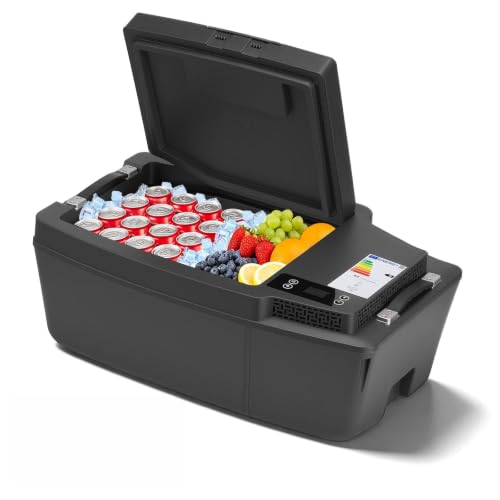
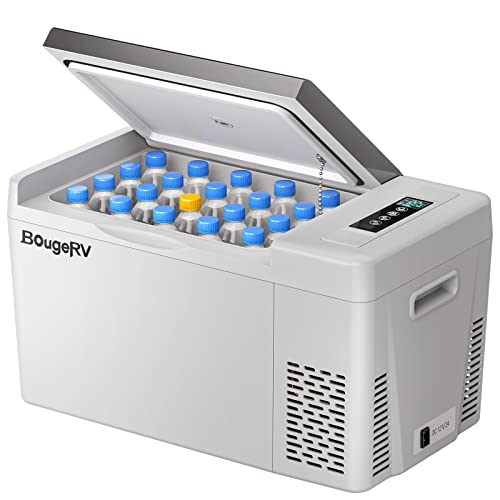


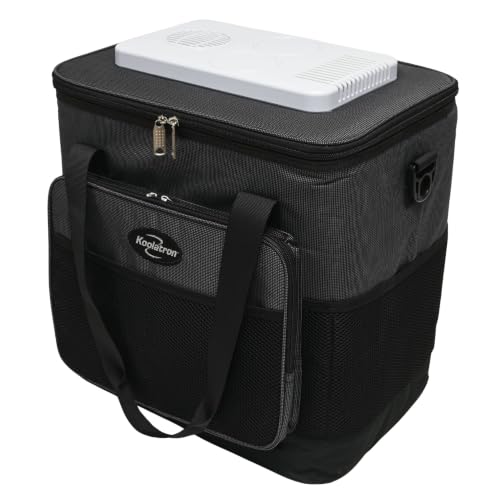


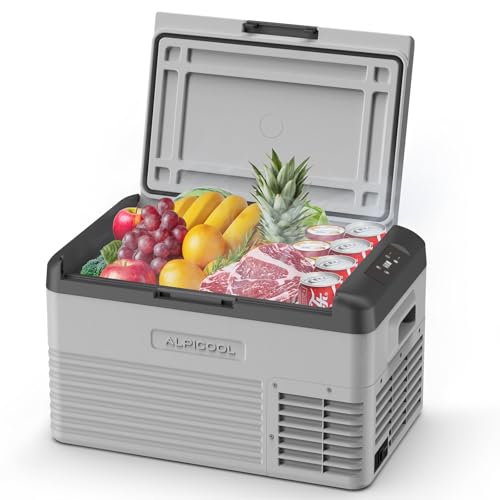


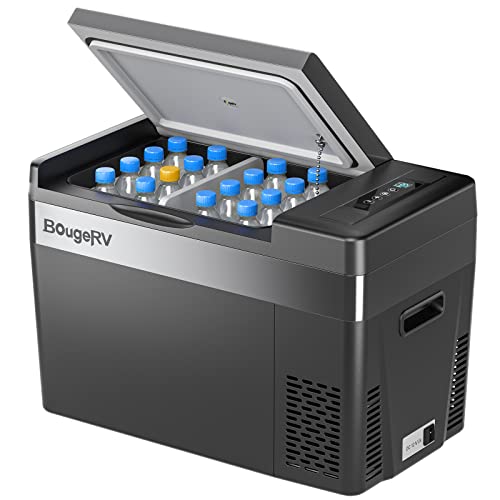


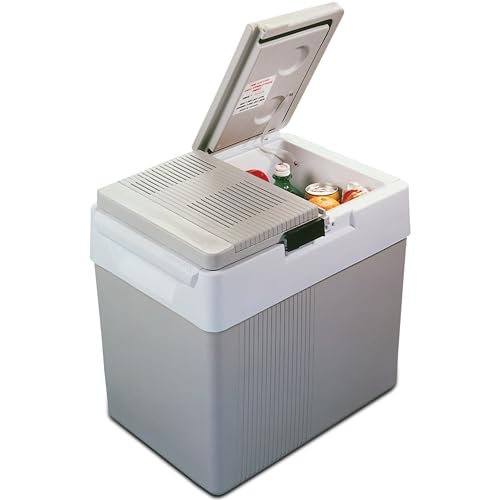


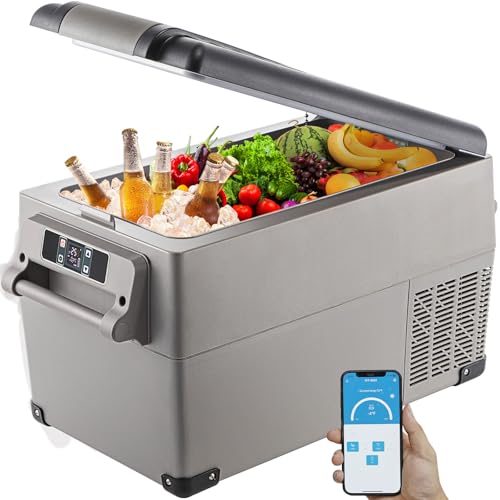


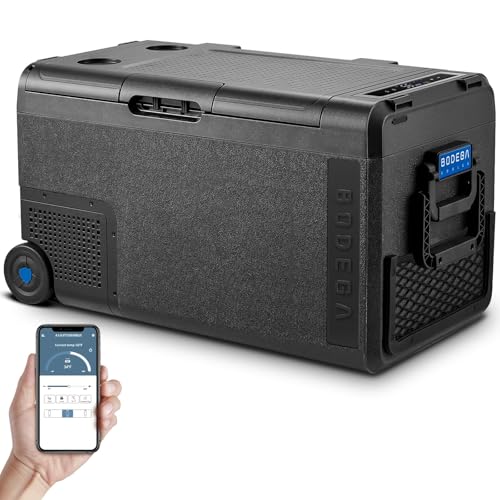


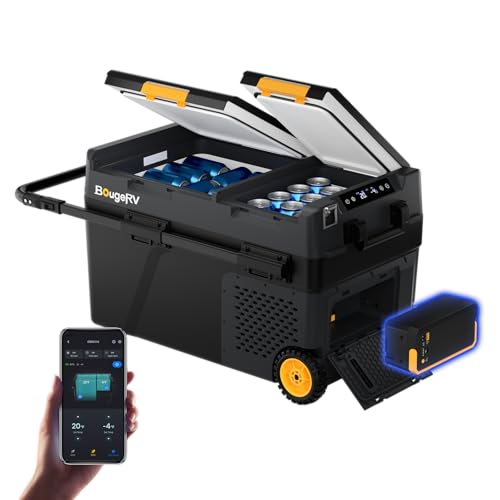


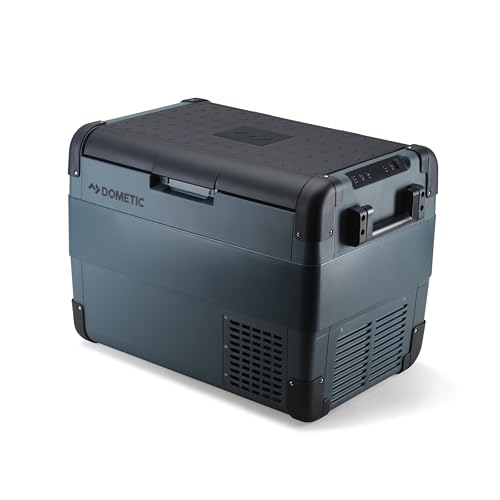


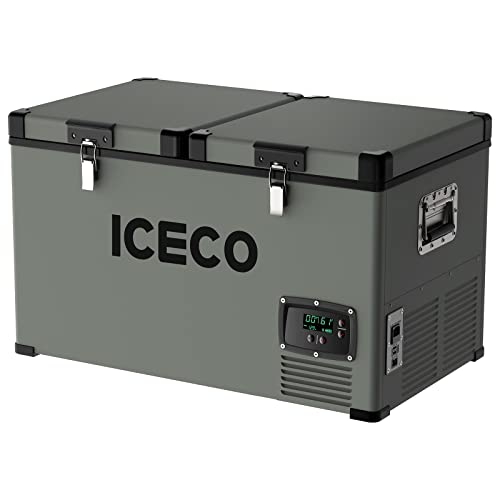




What’s in this listEvery powered cooler and portable fridge we track on Amazon US — compressor and thermoelectric. “—” means neither the maker nor the Amazon listing states it.
What an electric cooler does that an ice chest can't
An ice chest doesn't make cold. It slows warming down, and the ice does the real work until it's water. An electric cooler is an insulated box with its own cooling hardware and a power cord, so it keeps pulling heat out as long as it has power.
That one difference changes everything else on the spec sheet. There's no ice in the box, so you get the full capacity for food. One maker's buying guide says ice-free cooling is cleaner and more convenient, and that powered coolers usually need less volume than you'd think. There's no meltwater soaking the bread. There's also a power question that an ice chest never asks: what's it plugged into tonight?
The plain ice chests, the hard-sided coolers, have their own page on coolers. This page is the overview of the powered group. It covers the cooling types, the specs that decide which one fits, and which narrower page to read next.
Three ways a powered cooler makes cold
Every cooler in this group moves heat from inside the box to the outside air. They just do it with different hardware.
Compressor coolers work like your kitchen fridge
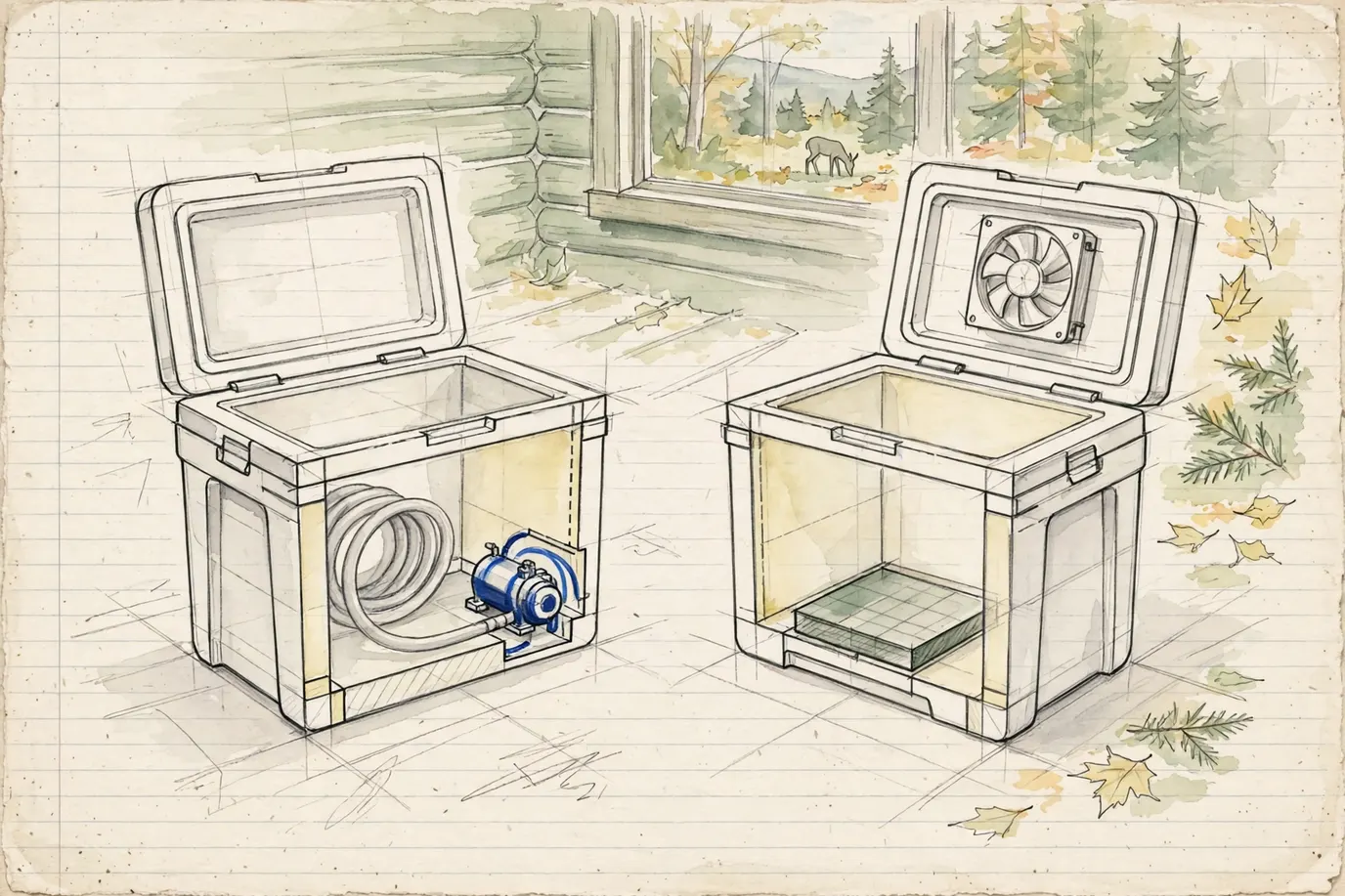
A compressor cooler is a refrigerator shrunk to fit a truck. Penn State's energy course describes a refrigerator as a heat mover: refrigerant soaks up heat inside the box, the compressor squeezes it, it dumps that heat outside through a condenser, then it expands, cools and goes around again. Moving heat from cold to warm takes work, and the work is electricity.
The payoff is control. One maker says a compressor box can freeze regardless of the outside temperature, and holds cold or freezing temperatures on the hottest days. You set a number, and it chases that number. Its US listings show ranges down to about -7°F. Compressor models are what people mean by a 12V fridge, a car fridge or a portable refrigerator.
Thermoelectric coolers keep cold, they don't make much of it
A thermoelectric cooler has no compressor and no refrigerant. The same maker's buying guide describes it as using a low-voltage current to heat or chill, and calls the box minimally insulated. A fan helps move the air.
Here's the catch, in the maker's own words: a thermoelectric cooler keeps contents cool rather than cooling them itself, so items have to go in pre-chilled. Its cooling is rated as a gap below the surrounding air. One maker gives up to 20°C below ambient, a 36-degree Fahrenheit gap, on its category page, and more on one current model. Quick ice math: on a 90°F afternoon in a parked car, a 36-degree gap leaves you at 54°F. The FDA wants refrigerated food at 40°F or below.
The upside is weight and simplicity, and the same maker notes thermoelectric coolers can heat as well as cool. Renee says a cooler that also keeps the casserole warm is the first useful gadget I've ever bought. I'm choosing to hear the word "useful."
Absorption coolers run on gas
There's a third type you'll see now and then. One maker describes absorption coolers as running on gas, independent of electricity, with cooling that depends on the ambient temperature. They're rare in this group and mostly belong to RV setups, which have their own page on 12V RV fridges.
What the electric cooler table shows
The table on this page lists the electric coolers and portable fridges we track on Amazon US, compressor and thermoelectric together. Columns come from the makers' spec sheets and, where those are silent, the Amazon listing (marked as listing values): cooling type, lowest temperature, DC and AC power, capacity in quarts, zones, battery protection, a built-in battery, solar input, exterior size and weight. When neither lists a value, you get a dash, not a guess.
What to look at when you pick an electric cooler
These are the specs that actually separate one plug-in cooler from the next, in the order I'd read them.
Cooling type decides almost everything else
Read this column first. A compressor model holds a temperature you set and can freeze. A thermoelectric model follows the weather. One maker's advice is to pick an electric cooler by the ambient temperature you'll use it in, which is a polite way of saying a thermoelectric cooler in a July truck cab is going to have a hard week.
For deer camp in November, either type has an easier job, because the air is already cold. For summer road trips, beach weekends and anything with raw meat, the compressor column is the one I'd filter by.
Lowest temp tells you if it's a fridge, a freezer or neither
The lowest-temperature spec is where a maker says how cold the box can go. Two lines on the FDA's food-storage page make it easy to read: refrigerator at or below 40°F, freezer at 0°F. If the number reaches 0°F or below, the cooler can work as a portable freezer. If it stops in the 30s, it's a fridge. If the maker only gives a "degrees below ambient" figure, it's thermoelectric and the real number depends on the day.
DC input: the 12v cooler question
Almost every electric cooler runs on 12V DC from a vehicle socket, and many compressor models accept 24V too. One maker lists its compressor coolers at 12/24V DC.
What the DC column can't tell you is how long your battery lasts, which is the real question for a car cooler. That math, plus battery protection and wiring, lives on the car fridge page. The short version: a cooler that keeps running after the engine stops is drawing on the battery that starts your truck.
AC power makes it a plug in cooler at the cabin
The AC column says whether the cooler runs from a household outlet. Some models switch over on their own; one maker's product page says its unit runs on 12/24V DC and 110/120V AC with automatic switching that favors AC. Others ship with a separate adapter, or sell it separately.
That matters at a cabin with an outlet or a campground with hookups, because the vehicle battery gets the night off. One maker's FAQ warns against running its fridges on AC and DC at the same time, so it's one cord at a time.
Capacity in quarts goes further without ice
Capacity is listed in quarts (a quart is a quarter gallon). Some makers publish liters; the table converts them. One maker's buying guide says that since a powered cooler holds no ice, a 50 to 75 liter unit is usually enough where a passive cooler would be about 100 liters. Another maker notes that a larger volume uses more electricity.
Zones: one temperature or two
A single-zone cooler has one compartment and one setting. A dual-zone model splits the box so one side can freeze while the other side is a fridge. On one maker's dual-zone unit, pulling the divider out turns it back into a single zone. Dual zone is the whole idea behind the portable fridge freezer page.
Battery protection and built-in batteries
Battery protection is a low-voltage cutoff: the cooler shuts itself off before it drains the battery too far. One maker's buying guide says its coolers monitor input power and switch off on low voltage from a car battery. Some thermoelectric models have it too; one lists a two-stage circuit. If a model doesn't list it, plan on unplugging when the engine stops.
A built-in or attachable battery means the cooler can run with no vehicle at all, for a while. Those are their own category on the battery powered cooler page.
Solar input is about the battery, not the panel
A solar column marked yes means the maker or the listing states solar compatibility. One maker's FAQ is plain about what that means: a panel can't power the fridge directly; it has to charge a battery that runs the fridge. More on panel setups is on the solar cooler page.
Exterior size and weight decide where it rides
Exterior size is length by width by height in inches. Measure the spot in the vehicle with the lid open. Weight is the empty box. A compressor cooler carries a motor and a condenser, so it's no lunch box. The maker of one small compressor fridge, rated at 22 quarts, lists it at 39 lb. Carry it full and add the food. Ask me how I know my back has opinions.
Which electric cooler fits which trip
Here's how the narrower pages in this group split up, so you can skip to the one that matches your truck and your trip.
- Day drives, lunch and drinks: a thermoelectric cooler, with everything pre-chilled
- Multiday trips in a car or pickup: a car fridge, a 12V compressor model
- Camp, cabin and campsite use: a portable refrigerator, any compressor model built to hold a set temperature
- Frozen food, venison and ice cream: a portable freezer, rated to 0°F or below
- Fridge and freezer in one box: the portable fridge freezer, dual zone
- No vehicle, no outlet: a battery powered cooler
- Compressor details and nothing else: the compressor fridge page
My one opinion on this page: an electric cooler is worth it when you'd otherwise be buying ice every day, not for a weekend that has a gas station on the way. The reason is right in one maker's buying guide. It points thermoelectric coolers at day trips, compressor coolers at extended trips with power available, and a plain ice cooler at mid-length trips without power. For two nights at deer camp with an ice run in town, the hard cooler and a pre-chill still win.
Walt's take on the whole group: "It's a cooler with a cord. A cord is just one more thing to forget." He has a point. In his defense, a cord is also the one thing on this list that tells you when it's not plugged in, because the display goes dark.
Setting up a plug-in cooler and keeping it running
A few habits apply to every powered cooler, whatever the type.
- Pre-chill it at home on wall power the night before, with the food already cold. Thermoelectric models need this; compressor models just work less.
- Give it air. One maker's manual says to keep the fridge in a well-ventilated area, and a charging-gear maker says to keep it out of direct sun with good airflow.
- Load it so nothing rattles or tips when the truck moves; the same manual asks for that too.
- Don't put hot food in. The manual says to let it cool first.
- Keep the lid shut and open it only when you need to, per the same manual.
- Clean the seals and the coils. One maker's blog says faulty door seals let cold air out and waste energy, and that cleaning the coils helps the unit run smoothly.
Food safety stays the same as at home. The FDA says to keep refrigerated food at or below 40°F, use an appliance thermometer and not to crowd the box so tightly that air can't circulate. Real talk: a powered cooler that came unplugged at a gas station looks exactly like one that didn't, right up until you open the lid.
Electric cooler safety
Don't store aerosol cans with a flammable propellant in a powered cooler, and keep it away from open flame and heaters. One maker's manual lists both warnings, and notes the compressor and condenser can get very hot while running.
Who should skip an electric cooler
If you hunt from a cabin with a working fridge, you already own the best electric cooler there is. If your trips are one or two nights with ice in town, an ice chest is lighter, cheaper to run and never asks about volts. And if your vehicle stays parked for days with nothing to charge from, an electric cooler without a plan for power turns into an expensive ice chest with thin walls. The thermoelectric ones especially; the maker calls them minimally insulated.
Everybody else: pick the cooling type, then the power, then the quarts. Then enjoy walking past the ice machine at the gas station like you own the place.
Brands in this list
Related
Questions people ask
Are electric coolers worth it?
They are when you'd otherwise buy ice every day, or when you need steady cold or frozen food on a long trip with power available. One maker's buying guide points thermoelectric coolers at day trips, compressor coolers at extended trips with a power source, and a plain ice cooler at mid-length trips without power. For a weekend with an ice run nearby, an ice chest is usually enough.
How cold does an electric cooler get?
That's decided by the cooling type. Compressor coolers hold a set temperature, and one maker lists ranges down to about -7°F, cold enough to freeze. Thermoelectric coolers are rated as a gap below the surrounding air; one maker rates a current model at 27 Celsius degrees under ambient, roughly 49 Fahrenheit degrees, and 20 Celsius degrees (36 Fahrenheit degrees) on its category page. On a hot day that may not reach fridge temperature.
12V fridge vs cooler: what's the difference?
A 12V fridge is an electric cooler with a compressor: it holds a temperature you set, like a home refrigerator. A plug-in thermoelectric cooler only keeps contents a fixed amount below the outside air, and one maker says items must go in pre-chilled. A regular ice cooler makes no cold at all; it slows warming with insulation and ice.
Electric cooler vs regular cooler: which holds more food?
Quart for quart, the electric cooler, because no space goes to ice. One maker's buying guide says that's why a powered cooler can be smaller than you'd expect, suggesting 50 to 75 liters (about 53 to 79 quarts) where a passive cooler for the same multiday trip would be about 100 liters (about 106 quarts).
Can I plug an electric cooler into a wall outlet?
Many can, but check the spec. Some models take household AC through a built-in or included adapter, and some sell the adapter separately. One maker's FAQ warns not to connect AC and DC power at the same time on its units, so unplug one before you plug in the other.
Sources
- Dometic: Electric coolers (compressor, thermoelectric and absorption) — accessed 2026-10-22
- Dometic: Electric cooler buying guide — accessed 2026-10-22
- Dometic: TropiCool TCX 35 thermoelectric cooler (product page) — accessed 2026-10-22
- Dometic: Electric coolers, CFX range (US listing) — accessed 2026-10-22
- Penn State College of Earth and Mineral Sciences, EGEE 102: Refrigerators — accessed 2026-10-22
- Engel: MT27 portable AC/DC fridge (product page) — accessed 2026-10-22
- Engel: 7 things you should know about portable fridge freezers — accessed 2026-10-22
- ICECO: GO20 dual zone fridge user manual — accessed 2026-10-22
- ICECO: FAQ and troubleshooting — accessed 2026-10-22
- REDARC: How to power a portable fridge in your 4WD — accessed 2026-10-22
- U.S. Food and Drug Administration: Are you storing food safely? — accessed 2026-10-22