Trail Cameras & Optics · Gear type
Hunting Binoculars
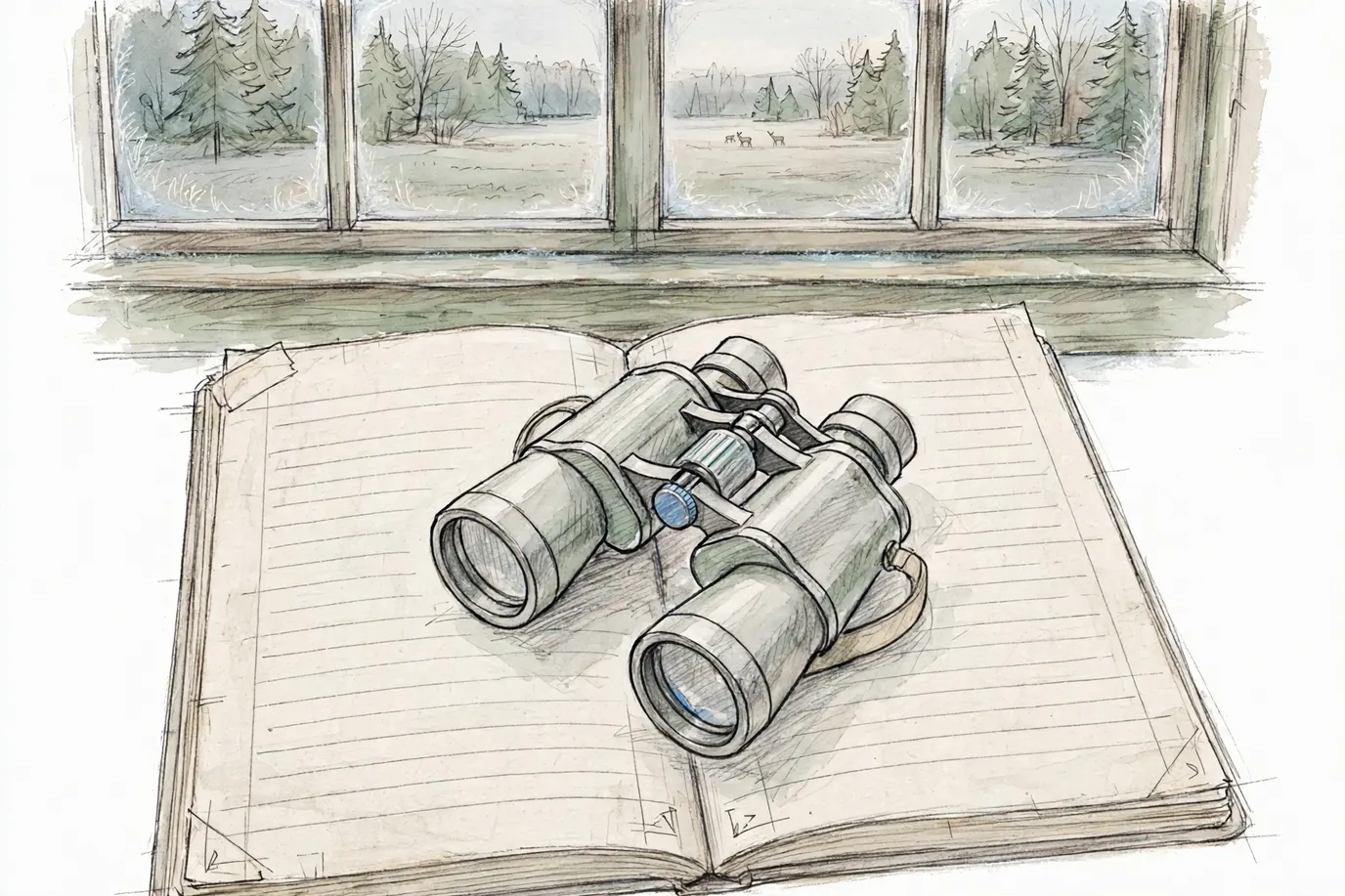
Hunting binoculars come down to two numbers printed on the hinge, like 8x42: magnification first, front lens size in millimeters second. For most deer hunting in the East, the choice is 8x or 10x with a 42 mm objective. Pick 8x for timber, low light and moving deer; pick 10x for fields and longer looks. Everything else on this page fine-tunes that choice. (Uncle Walt's pair predates the logbook. The logbook predates me.)
We earn a commission if you buy through our links, at no cost to you. Disclosure
| Model | Objective | Units in pack | Magnification | Field of view | Eye relief | Amazon |
|---|---|---|---|---|---|---|
Pentax VD 4x20 WPBinoculars | 20 mmlisting | — | 4 xlisting | — | — | Check price |
Maven B.3 6x30Binoculars | 30 mmlisting | — | 6 xlisting | — | — | Check price |
Pentax Papilio II 6.5x21Binoculars | 21 mmlisting | — | 6.5 xlisting | — | — | Check price |
Pentax Papilio III 6.5x21 WRBinoculars | 21 mmlisting | — | 6.5 xlisting | — | — | Check price |
Vortex Bantam HD 6.5x32 YouthBinoculars | 32 mmlisting | — | 6.5 xlisting | — | — | Check price |
Barska Focus Free 7x35Binoculars More specs
| 35 mmlisting | — | 7 xlisting | — | — | Check price |
Barska Deep Sea 7x50Binoculars | 50 mmlisting | — | 7 xlisting | — | — | Check price |
Barska Deep Sea Floating 7x50Binoculars | 50 mmlisting | — | 7 xlisting | — | — | Check price |
Barska Battalion 7x50 WP FloatingBinoculars | 50 mmlisting | — | 7 xlisting | — | — | Check price |
Barska Floatmaster 7x50 AB12738Binoculars | 50 mmlisting | — | 7 xlisting | — | — | Check price |
Barska NVX600 Night VisionBinoculars | — | — | 7 xlisting | — | — | Check price |
Bushnell Marine 7x50 CompassBinoculars More specs
| 50 mmlisting | — | 7 xlisting | 350 ft@1000ydlisting | — | Check price |
Bushnell Marine 7x50Binoculars More specs
| 50 mmlisting | — | 7 xlisting | — | — | Check price |
Pentax AD 7x32 EDBinoculars | 32 mmlisting | — | 7 xlisting | — | — | Check price |
Steiner Marine 7x50Binoculars | 50 mmlisting | — | 7 xlisting | 356 ft@1000ydlisting | — | Check price |
Steiner Navigator 7x50 2342Binoculars | 50 mmlisting | — | 7 xlisting | — | — | Check price |
Steiner Navigator 7x50Binoculars | 50 mmlisting | — | 7 xlisting | 384 ft@1000ydlisting | — | Check price |
Steiner Commander 7x50Binoculars | 50 mmlisting | — | 7 xlisting | 435 ft@1000ydlisting | — | Check price |
Athlon Optics Midas UHD 8x42Binoculars | 42 mmlisting | — | 8 xlisting | — | — | Check price |
Athlon Optics Argos G2 HD 8x42Binoculars | 42 mmlisting | — | 8 xlisting | — | — | Check price |
Athlon Optics Neos G2 HD 8x42Binoculars | 42 mmlisting | — | 8 xlisting | — | — | Check price |
Athlon Optics Talos G2 HD 8x42Binoculars | 42 mmlisting | — | 8 xlisting | — | — | Check price |
Barska 8x42mm X-TrailBinoculars | 42 mmlisting | — | 8 xlisting | — | — | Check price |
Burris Droptine 8x42Binoculars More specs
| 42 mmlisting | 3listing | 8 xlisting | — | — | Check price |
Bushnell PowerView 2 8x21Binoculars More specs
| 21 mmlisting | — | 8 xlisting | — | — | Check price |
Bushnell R5 8x42Binoculars | 42 mmlisting | — | 8 xlisting | — | — | Check price |
Bushnell A3 8x32Binoculars | 32 mmlisting | — | 8 xlisting | — | — | Check price |
Gogogo Sport Vpro Vpro Rangefinder Binoculars 8x42Binoculars More specs
| 42 mmlisting | — | 8 xlisting | — | — | Check price |
Leica Ultravid 8x32 HD PlusBinoculars More specs
| 32 mmlisting | — | 8 xlisting | 407 ft@1000ydlisting | 13.3 mmlisting | Check price |
Leica Trinovid HD 8x42Binoculars | 42 mmlisting | — | 8 xlisting | — | — | Check price |
Leica Noctivid 8x42Binoculars More specs
| 42 mmlisting | — | 8 xlisting | — | — | Check price |
Leica Geovid Pro 8x56Binoculars More specs
| 56 mmlisting | — | 8 xlisting | — | — | Check price |
Leica Geovid Pro 32 8x32Binoculars More specs
| 32 mmlisting | — | 8 xlisting | — | — | Check price |
Leupold BX-2 Alpine HD 8x42Binoculars More specs
| 42 mmlisting | — | 8 xlisting | — | — | Check price |
Maven C1 8x42 EDBinoculars | 42 mmlisting | — | 8 xlisting | — | — | Check price |
Maven B1.2 8x42 EDBinoculars | 42 mmlisting | — | 8 xlisting | — | — | Check price |
Maven B.7 8x25 EDBinoculars | 25 mmlisting | — | 8 xlisting | — | — | Check price |
Nikon Travelite EX 8x25Binoculars More specs
| 25 mmlisting | — | 8 xlisting | — | — | Check price |
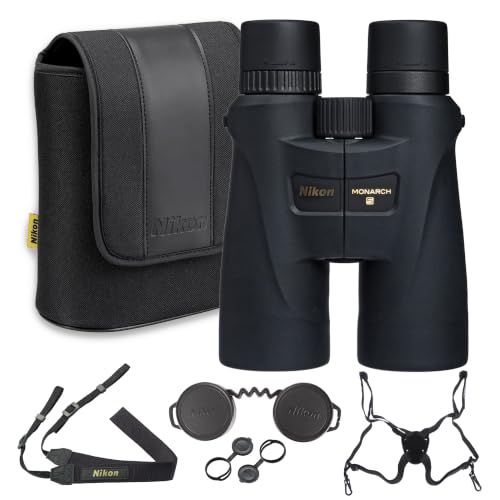
Nikon Monarch HG 8x42Binoculars | 42 mmlisting | — | 8 xlisting | — | — | Check price |
Nikon ACULON T02 8x21Binoculars | 21 mmlisting | — | 8 xlisting | — | — | Check price |





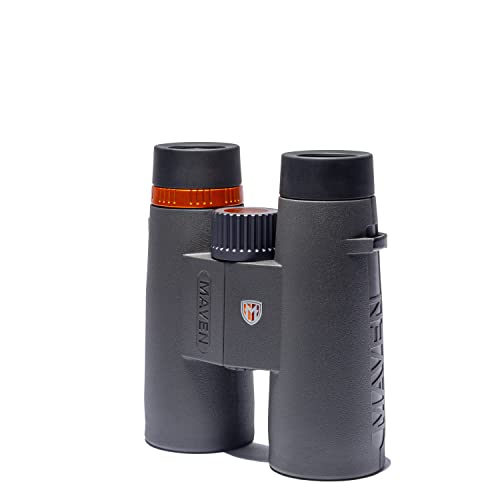


Nikon Monarch M7 8x42Binoculars | 42 mmlisting | — | 8 xlisting | 435 ft@1000ydlisting | — | Check price |
|---|---|---|---|---|---|---|
Nikon Monarch M5 8x42Binoculars | 42 mmlisting | — | 8 xlisting | — | — | Check price |
Nikon PROSTAFF P7 8x42Binoculars More specs
| 42 mmlisting | — | 8 xlisting | 377 ft@1000ydlisting | — | Check price |
Nikon PROSTAFF P3 8x42 BundleBinoculars | 42 mmlisting | — | 8 xlisting | — | — | Check price |
Nikon PROSTAFF P3 8x30 BundleBinoculars | 30 mmlisting | — | 8 xlisting | — | 15.4 mmlisting | Check price |
Nikon PROSTAFF P7 8x30 KitBinoculars More specs
| 30 mmlisting | — | 8 xlisting | — | — | Check price |
Nikon Monarch M5 8x42 BundleBinoculars | 42 mmlisting | — | 8 xlisting | 335 ft@1000ydlisting | — | Check price |
Nikon PROSTAFF P3 8x42 BundleBinoculars More specs
| 42 mmlisting | — | 8 xlisting | 377 ft@1000ydlisting | — | Check price |
Nikon Action 8x42Binoculars More specs
| 42 mmlisting | — | 8 xlisting | — | — | Check price |
Nikon Trailblazer II 8x25Binoculars | 25 mmlisting | — | 8 xlisting | — | — | Check price |
Nikon PROSTAFF P7 8x30 BundleBinoculars More specs
| 30 mmlisting | — | 8 xlisting | 456 ft@1000ydlisting | — | Check price |
Nikon PROSTAFF P7 8x30 BundleBinoculars More specs
| 30 mmlisting | — | 8 xlisting | 456 ft@1000ydlisting | — | Check price |
Nikon Monarch M7 8x30 BundleBinoculars More specs
| 30 mmlisting | — | 8 xlisting | — | — | Check price |
Nikon Monarch HG 8x30 BundleBinoculars | 30 mmlisting | — | 8 xlisting | — | — | Check price |
Pentax AD 8x25 WPBinoculars | 25 mmlisting | — | 8 xlisting | — | — | Check price |
Pentax UP 8x21Binoculars | 21 mmlisting | — | 8 xlisting | — | — | Check price |
Pentax SP 8x40Binoculars | 40 mmlisting | — | 8 xlisting | — | — | Check price |
Pentax ZD 8x43 WPBinoculars More specs
| 43 mmlisting | — | 8 xlisting | — | — | Check price |
Steiner Military-Marine 8x30Binoculars | 30 mmlisting | — | 8 xlisting | — | — | Check price |
Steiner Observer 8x56Binoculars More specs
| 56 mmlisting | — | 8 xlisting | — | — | Check price |
Steiner Predator 8x30 Auto FocusBinoculars | 30 mmlisting | — | 8 xlisting | — | — | Check price |
Svbony SV202 8x42Binoculars | 42 mmlisting | — | 8 xlisting | — | — | Check price |
Svbony SA207 8x32 APOBinoculars | 32 mmlisting | — | 8 xlisting | — | — | Check price |
Swarovski Optik CL Pocket 8x25Binoculars | 25 mmlisting | — | 8 xlisting | 357 ft@1000ydlisting | — | Check price |
Vanguard Spirit 8360MOBinoculars | 36 mmlisting | — | 8 xlisting | 367 ft@1000ydlisting | 17 mmlisting | Check price |
Vanguard Endeavor ED 8420 8x42Binoculars | 42 mmlisting | — | 8 xlisting | 367 ft@1000ydlisting | 19 mmlisting | Check price |
Vanguard Spirit XF 8x42Binoculars | 42 mmlisting | — | 8 xlisting | 409 ft@1000ydlisting | — | Check price |
Vanguard Endeavor ED 8x32Binoculars More specs
| 32 mmlisting | — | 8 xlisting | 377 ft@1000ydlisting | 19.5 mmlisting | Check price |
Vanguard Vesta 8x21Binoculars More specs
| 21 mmlisting | — | 8 xlisting | 371 ft@1000ydlisting | 10 mmlisting | Check price |
Vanguard Vesta 8x21Binoculars More specs
| 21 mmlisting | — | 8 xlisting | 371 ft@1000ydlisting | 10 mmlisting | Check price |
Vanguard Vesta 8x21Binoculars More specs
| 21 mmlisting | — | 8 xlisting | 371 ft@1000ydlisting | 10 mmlisting | Check price |
Vanguard Vesta 8420Binoculars | 42 mmlisting | — | 8 xlisting | 325 ft@1000ydlisting | 19 mmlisting | Check price |
Vanguard Vesta 8x25Binoculars | 25 mmlisting | — | 8 xlisting | 340 ft@1000ydlisting | 12.5 mmlisting | Check price |
Vanguard VEO HD2 8x42Binoculars | 42 mmlisting | — | 8 xlisting | 372 ft@1000ydlisting | 19 mmlisting | Check price |
Vanguard VEO ED 8x42Binoculars More specs
| 42 mmlisting | — | 8 xlisting | 330 ft@1000ydlisting | 19 mmlisting | Check price |
Vanguard VEO ED 8420 BundleBinoculars More specs
| 42 mmlisting | — | 8 xlisting | 330 ft@1000ydlisting | 19 mmlisting | Check price |
Vortex Razor HD 8x42Binoculars More specs
| 42 mmlisting | — | 8 xlisting | — | — | Check price |
Vortex Vanquish 8x26Binoculars More specs
| 26 mmlisting | — | 8 xlisting | — | — | Check price |
Vortex Diamondback HD 8x42Binoculars | 42 mmlisting | — | 8 xlisting | — | — | Check price |
Vortex Crossfire HD 8x42Binoculars More specs
| 42 mmlisting | — | 8 xlisting | — | — | Check price |
ZEISS Terra ED Pocket 8x25Binoculars | 25 mmlisting | — | 8 xlisting | — | — | Check price |
ZEISS Terra ED 8x42Binoculars | 42 mmlisting | — | 8 xlisting | — | — | Check price |
ZEISS Victory SF 8x42Binoculars | 42 mmlisting | — | 8 xlisting | — | 18 mmlisting | Check price |
ZEISS Victory Pocket 8x25Binoculars | 25 mmlisting | — | 8 xlisting | — | — | Check price |
ZEISS Terra ED 8x32 BundleBinoculars | 32 mmlisting | — | 8 xlisting | — | — | Check price |
ZEISS Victory SF 8x42 BundleBinoculars | 42 mmlisting | — | 8 xlisting | 444 ft@1000ydlisting | — | Check price |
ZEISS Victory HT 8x54 BundleBinoculars | 54 mmlisting | — | 8 xlisting | — | — | Check price |
ZEISS SFL 8x40Binoculars | 40 mmlisting | — | 8 xlisting | — | — | Check price |
ZEISS Terra ED 8x42Binoculars | 42 mmlisting | — | 8 xlisting | — | — | Check price |
ZEISS Terra ED 8x42 BundleBinoculars | 42 mmlisting | — | 8 xlisting | — | — | Check price |
ZEISS Conquest HDX 8x42Binoculars | 42 mmlisting | — | 8 xlisting | — | — | Check price |
ZEISS Terra ED 8x42 BundleBinoculars | 42 mmlisting | — | 8 xlisting | — | — | Check price |
Pentax AD 9x28 WPBinoculars More specs
| 28 mmlisting | — | 9 xlisting | — | — | Check price |
Pentax UD 9x21Binoculars More specs
| 21 mmlisting | — | 9 xlisting | — | — | Check price |
Athlon Optics Midas 10x42 EDBinoculars More specs
| 42 mmlisting | — | 10 xlisting | — | — | Check price |
Athlon Optics Cronus UHD 10x50 Rangefinder BinocularsBinoculars More specs
| 50 mmlisting | — | 10 xlisting | — | — | Check price |
Athlon Optics Cronus G2 UHD 10x42Binoculars | 42 mmlisting | — | 10 xlisting | — | — | Check price |
Athlon Optics Argos G2 HD 10x50Binoculars | 50 mmlisting | — | 10 xlisting | — | — | Check price |
Athlon Optics Midas G2 UHD 10x50Binoculars | 50 mmlisting | — | 10 xlisting | — | — | Check price |
Athlon Optics Midas G2 UHD 10x25Binoculars | 25 mmlisting | — | 10 xlisting | — | — | Check price |
Athlon Optics Argos G2 UHD 10x42Binoculars | 42 mmlisting | — | 10 xlisting | — | — | Check price |
Athlon Optics Talos G2 HD 10x42Binoculars | 42 mmlisting | — | 10 xlisting | — | — | Check price |
Athlon Optics Forerunner 10x42Binoculars | 42 mmlisting | — | 10 xlisting | — | — | Check price |
Aurosports 10x25 Compact BinocularsBinoculars | 25 mmlisting | — | 10 xlisting | — | — | Check price |
| 25 mmlisting | — | 10 xlisting | — | — | Check price | |
Barska Lucid View 10x25Binoculars | 25 mmlisting | — | 10 xlisting | — | — | Check price |
Barska AB12418 10x25Binoculars | 25 mmlisting | — | 10 xlisting | — | — | Check price |
Barska Crush AB12974Binoculars | 42 mmlisting | — | 10 xlisting | — | — | Check price |
Barska NV-2 Night VisionBinoculars | 43 mmlisting | — | 10 xlisting | — | — | Check price |
Barska 10x30 Floating MarineBinoculars | 30 mmlisting | — | 10 xlisting | — | — | Check price |
Bushnell Powerview 10x25Binoculars More specs
| 25 mmlisting | — | 10 xlisting | — | — | Check price |
| 50 mmlisting | — | 10 xlisting | — | — | Check price | |
Bushnell Legacy WP 10x50Binoculars More specs
| 50 mmlisting | — | 10 xlisting | — | — | Check price |
Bushnell PowerView 10x42 Roof PrismBinoculars More specs
| 42 mmlisting | — | 10 xlisting | — | — | Check price |
Bushnell PowerView 10x50 Instafocus Realtree APBinoculars More specs
| 50 mmlisting | — | 10 xlisting | — | — | Check price |
Bushnell H2O Xtreme 10x42Binoculars | 42 mmlisting | — | 10 xlisting | — | — | Check price |
Bushnell Pacifica 10x50 211050Binoculars More specs
| 50 mmlisting | — | 10 xlisting | — | — | Check price |
Bushnell Legend L-Series 10x42Binoculars | 42 mmlisting | — | 10 xlisting | 340 ft@1000ydlisting | — | Check price |
Bushnell Trophy XLT 10x42 Bone CollectorBinoculars More specs
| 42 mmlisting | — | 10 xlisting | — | 15.2 mmlisting | Check price |
Bushnell Trophy Bone Collector 10x42Binoculars More specs
| 42 mmlisting | — | 10 xlisting | — | — | Check price |
Bushnell Trophy Xtreme 10x50Binoculars | 50 mmlisting | — | 10 xlisting | 315 ft@1000ydlisting | — | Check price |
Bushnell Power View 10x50 131056Binoculars More specs
| 50 mmlisting | — | 10 xlisting | 341 ft@1000ydlisting | — | Check price |
Bushnell Spectator Sport 10x40Binoculars | 40 mmlisting | — | 10 xlisting | — | — | Check price |
Bushnell Engage X 10x42mmBinoculars | 42 mmlisting | — | 10 xlisting | — | — | Check price |
Bushnell PowerView 2 10x25Binoculars | 25 mmlisting | — | 10 xlisting | — | — | Check price |
Bushnell PowerView 10x42 Bone CollectorBinoculars | 42 mmlisting | — | 10 xlisting | — | — | Check price |
Bushnell Fusion X 10x42 RangingBinoculars More specs
| 42 mmlisting | — | 10 xlisting | — | — | Check price |
Bushnell H2O 10x42Binoculars | 42 mmlisting | — | 10 xlisting | — | — | Check price |
Bushnell Blackout Camo 10x42Binoculars | 42 mmlisting | — | 10 xlisting | — | — | Check price |
Bushnell Prime 10x42Binoculars | 42 mmlisting | — | 10 xlisting | — | — | Check price |
Bushnell R3 10x42Binoculars | 42 mmlisting | — | 10 xlisting | — | — | Check price |
Bushnell A5 10x42Binoculars | 42 mmlisting | — | 10 xlisting | — | — | Check price |
Bushnell A1 10x25Binoculars | 25 mmlisting | — | 10 xlisting | — | — | Check price |
| 42 mmlisting | — | 10 xlisting | — | — | Check price | |
Halo Optics K2000 Rangefinder Binoculars 10x42Binoculars More specs
| 42 mmlisting | — | 10 xlisting | — | — | Check price |
Leica Ultravid BR 10x25Binoculars | 25 mmlisting | — | 10 xlisting | — | — | Check price |
Leica Trinovid 10x42 HDBinoculars | 42 mmlisting | — | 10 xlisting | — | — | Check price |
Leica Geovid R Gen 2022 10x42Binoculars More specs
| 42 mmlisting | — | 10 xlisting | — | — | Check price |
Leica Geovid Max 10x42Binoculars More specs
| 42 mmlisting | — | 10 xlisting | — | — | Check price |
Leupold BX-1 Rogue 10x25Binoculars More specs
| 25 mmlisting | — | 10 xlisting | — | — | Check price |
Leupold BX-4 Pro Guide HD 10x42Binoculars | 42 mmlisting | — | 10 xlisting | — | — | Check price |
Leupold BX-4 Range HD TBR/W 10x42Binoculars More specs
| 42 mmlisting | — | 10 xlisting | — | — | Check price |
Leupold BX-3 Alpine HD 10x42Binoculars | 42 mmlisting | — | 10 xlisting | — | — | Check price |
Maven C1 10x42 EDBinoculars | 42 mmlisting | — | 10 xlisting | — | — | Check price |
Maven C.3 10x50 EDBinoculars | 50 mmlisting | — | 10 xlisting | — | — | Check price |
Maven B6 10x50 EDBinoculars | 50 mmlisting | — | 10 xlisting | — | — | Check price |
Nikon ACULON A30 10x25Binoculars | 25 mmlisting | — | 10 xlisting | — | — | Check price |
Nikon LaserForce 10x42Binoculars More specs
| 42 mmlisting | — | 10 xlisting | — | — | Check price |
Nikon Monarch M7 10x30 BundleBinoculars | 30 mmlisting | — | 10 xlisting | 351 ft@1000ydlisting | — | Check price |
Nikon PROSTAFF P3 10x30Binoculars | 30 mmlisting | — | 10 xlisting | — | — | Check price |
Nikon Monarch M5 10x42 BundleBinoculars | 42 mmlisting | — | 10 xlisting | — | — | Check price |
Nikon 10x25 S StabilizedBinoculars More specs
| 25 mmlisting | — | 10 xlisting | — | — | Check price |
Nikon PROSTAFF P7 10x42 BundleBinoculars | 42 mmlisting | — | 10 xlisting | — | — | Check price |
Nikon PROSTAFF P3 10x42 BundleBinoculars | 42 mmlisting | — | 10 xlisting | 367 ft@1000ydlisting | 15.7 mmlisting | Check price |
Nikon Action 10x42Binoculars More specs
| 42 mmlisting | — | 10 xlisting | — | — | Check price |
Nikon Action 10x50Binoculars More specs
| 50 mmlisting | — | 10 xlisting | — | — | Check price |
Nikon Trailblazer II 10x25Binoculars | 25 mmlisting | — | 10 xlisting | — | — | Check price |
Nikon PROSTAFF P7 10x50 BundleBinoculars More specs
| 50 mmlisting | — | 10 xlisting | 367 ft@1000ydlisting | — | Check price |
Nikon Monarch M5 10x42 BundleBinoculars | 42 mmlisting | — | 10 xlisting | — | — | Check price |
Nikon Aculon T02 10x21 BundleBinoculars | 21 mmlisting | — | 10 xlisting | — | — | Check price |
Pentax SD 10x42 WPBinoculars | 42 mmlisting | — | 10 xlisting | — | — | Check price |
Pentax AD 10x25 WPBinoculars | 25 mmlisting | — | 10 xlisting | — | — | Check price |
Pentax SP 10x50 WPBinoculars | 50 mmlisting | — | 10 xlisting | — | — | Check price |
Pentax UD 10x21Binoculars More specs
| 21 mmlisting | — | 10 xlisting | — | — | Check price |
Pentax Jupiter 10x50Binoculars More specs
| 50 mmlisting | — | 10 xlisting | — | — | Check price |
Pentax SD 10x42 EDBinoculars | 42 mmlisting | — | 10 xlisting | — | — | Check price |
Sig Sauer KILO6K HDX 10x42Binoculars More specs
| 42 mmlisting | — | 10 xlisting | — | — | Check price |
Sig Sauer Buckmasters 10x42Binoculars More specs
| 42 mmlisting | — | 10 xlisting | — | — | Check price |
Sig Sauer Zulu10 HDX 10x42Binoculars | 42 mmlisting | — | 10 xlisting | — | — | Check price |
Sig Sauer Canyon 10x42 RangefindingBinoculars More specs
| 42 mmlisting | — | 10 xlisting | — | — | Check price |
Sig Sauer Zulu8 HDX 10x42Binoculars More specs
| 42 mmlisting | — | 10 xlisting | — | — | Check price |
Sig Sauer Canyon HD 10x42Binoculars | 42 mmlisting | — | 10 xlisting | — | — | Check price |
Sig Sauer Kilo Canyon Black Edition 10x42Binoculars More specs
| 42 mmlisting | — | 10 xlisting | — | — | Check price |
Sig Sauer Zulu4 HD 10x42Binoculars | 42 mmlisting | — | 10 xlisting | — | — | Check price |
Sig Sauer Zulu6 HDX 10x30 MarineBinoculars More specs
| 30 mmlisting | — | 10 xlisting | — | — | Check price |
Steiner MM1050 Military-MarineBinoculars | 50 mmlisting | — | 10 xlisting | — | 17 mmlisting | Check price |
Steiner Safari UltraSharp 10x26Binoculars | 26 mmlisting | — | 10 xlisting | — | — | Check price |
Steiner BluHorizons 10x26Binoculars | 26 mmlisting | — | 10 xlisting | — | — | Check price |
Steiner eDiscovery 10x42 DigitalBinoculars | 42 mmlisting | — | 10 xlisting | — | — | Check price |
Swarovski Optik EL 10x42 FieldProBinoculars | 42 mmlisting | — | 10 xlisting | — | — | Check price |
Swarovski Optik EL Range 10x42Binoculars More specs
| 42 mmlisting | — | 10 xlisting | — | — | Check price |
Swarovski Optik CL Pocket 10x25Binoculars | 25 mmlisting | — | 10 xlisting | 294 ft@1000ydlisting | — | Check price |
Vanguard Endeavor ED 10x42Binoculars | 42 mmlisting | — | 10 xlisting | 340 ft@1000ydlisting | — | Check price |
Vanguard Endeavor ED II 10x42Binoculars | 42 mmlisting | — | 10 xlisting | 340 ft@1000ydlisting | — | Check price |
Vanguard Endeavor ED IV 10x42Binoculars | 42 mmlisting | — | 10 xlisting | 340 ft@1000ydlisting | 19 mmlisting | Check price |
Vanguard Vesta 10x42Binoculars | 42 mmlisting | — | 10 xlisting | 298 ft@1000ydlisting | 17 mmlisting | Check price |
Vanguard VEO ED 10x50Binoculars More specs
| 50 mmlisting | — | 10 xlisting | — | — | Check price |
Vanguard VEO HD IV 1042Binoculars | 42 mmlisting | — | 10 xlisting | — | — | Check price |
Vanguard VEO HD 1042 BundleBinoculars | 42 mmlisting | — | 10 xlisting | 342 ft@1000ydlisting | 18 mmlisting | Check price |
Vanguard VEO ED 1042 BundleBinoculars More specs
| 42 mmlisting | — | 10 xlisting | 314 ft@1000ydlisting | 16 mmlisting | Check price |
Vortex Viper HD 10x42Binoculars More specs
| 42 mmlisting | — | 10 xlisting | — | — | Check price |
Vortex Diamondback 10x42Binoculars More specs
| 42 mmlisting | — | 10 xlisting | — | — | Check price |
Vortex Fury HD 5000 10x42Binoculars More specs
| 42 mmlisting | — | 10 xlisting | — | — | Check price |
Vortex Copperhead HD 10x42Binoculars | 42 mmlisting | — | 10 xlisting | — | — | Check price |
Vortex Triumph HD 10x42Binoculars | 42 mmlisting | — | 10 xlisting | — | — | Check price |
Vortex Talon HD 10K 10x42Binoculars More specs
| 42 mmlisting | — | 10 xlisting | — | — | Check price |
ZEISS Terra ED 10x42Binoculars More specs
| 42 mmlisting | — | 10 xlisting | 330 ft@1000ydlisting | 14 mmlisting | Check price |
ZEISS Victory RF 10x42Binoculars More specs
| 42 mmlisting | — | 10 xlisting | — | — | Check price |
ZEISS Terra ED 10x42 BundleBinoculars | 42 mmlisting | — | 10 xlisting | — | — | Check price |
ZEISS Terra ED 10x42 BundleBinoculars | 42 mmlisting | — | 10 xlisting | — | — | Check price |
ZEISS Terra ED 10x42 BundleBinoculars | 42 mmlisting | — | 10 xlisting | — | — | Check price |
ZEISS Victory SF 10x42 BundleBinoculars | 42 mmlisting | — | 10 xlisting | 360 ft@1000ydlisting | — | Check price |
ZEISS Terra ED 10x42Binoculars | 42 mmlisting | — | 10 xlisting | — | — | Check price |
ZEISS Victory SF 10x42 BundleBinoculars | 42 mmlisting | — | 10 xlisting | — | — | Check price |
ZEISS Conquest HDX 10x42 BundleBinoculars | 42 mmlisting | — | 10 xlisting | — | — | Check price |
Maven B2 11x45 EDBinoculars | 45 mmlisting | — | 11 xlisting | — | — | Check price |
Adorrgon 12x42 High Powered BinocularsBinoculars | 42 mmlisting | — | 12 xlisting | 367 ft@1000ydlisting | — | Check price |
Adorrgon 12x54 BinocularsBinoculars | 54 mmlisting | — | 12 xlisting | — | — | Check price |
Athlon Optics Midas 12x50Binoculars More specs
| 50 mmlisting | — | 12 xlisting | — | — | Check price |
Athlon Optics Argos G2 HD 12x50Binoculars | 50 mmlisting | — | 12 xlisting | — | — | Check price |
Athlon Optics Midas Pro G2 12x50Binoculars | 50 mmlisting | — | 12 xlisting | — | — | Check price |
Aurosports 12x32 Compact BinocularsBinoculars | 32 mmlisting | — | 12 xlisting | 273 ft@1000ydlisting | — | Check price |
Aurosports 12x42 IPX7 BinocularsBinoculars | 42 mmlisting | — | 12 xlisting | — | — | Check price |
Aurosports 12x42 IPX7 BinocularsBinoculars | 42 mmlisting | — | 12 xlisting | — | — | Check price |
Aurosports 12x42 HD BinocularsBinoculars | 42 mmlisting | — | 12 xlisting | — | — | Check price |
Barska Blackhawk 12x42 AB11840Binoculars | 42 mmlisting | — | 12 xlisting | — | — | Check price |
Burris Signature HD 12x50Binoculars More specs
| 50 mmlisting | — | 12 xlisting | — | — | Check price |
Bushnell PowerView 12x50 Wide-Angle Porro PrismBinoculars More specs
| 50 mmlisting | — | 12 xlisting | — | — | Check price |
| 50 mmlisting | — | 12 xlisting | — | — | Check price | |
Gosky 12x52 HD BinocularsBinoculars | 52 mmlisting | — | 12 xlisting | — | — | Check price |
Leupold BX-1 McKenzie HD 12x50Binoculars More specs
| 50 mmlisting | — | 12 xlisting | — | — | Check price |
Leupold BX-4 Pro Guide HD 12x50 Gen 2Binoculars | 50 mmlisting | — | 12 xlisting | — | — | Check price |
Leupold BX-2 Timberline HD 12x50Binoculars More specs
| 50 mmlisting | — | 12 xlisting | — | — | Check price |
Nikon Monarch M5 12x42 BundleBinoculars | 42 mmlisting | — | 12 xlisting | 267 ft@1000ydlisting | — | Check price |
Nikon Stabilized 12x25Binoculars More specs
| 25 mmlisting | — | 12 xlisting | — | — | Check price |
Nikon Action 12x50Binoculars More specs
| 50 mmlisting | — | 12 xlisting | — | — | Check price |
Nikon PROSTAFF P7 12x50Binoculars | 50 mmlisting | — | 12 xlisting | — | — | Check price |
Swarovski Optik NL Pure 12x42Binoculars | 42 mmlisting | — | 12 xlisting | 339 ft@1000ydlisting | — | Check price |
Swarovski Optik EL Range TA 12x42Binoculars More specs
| 42 mmlisting | — | 12 xlisting | — | — | Check price |
ZEISS SFL 50 12x50Binoculars | 50 mmlisting | — | 12 xlisting | — | — | Check price |
Sig Sauer Zulu6 HDX PRO 14x42Binoculars More specs
| 42 mmlisting | — | 14 xlisting | — | — | Check price |
Athlon Optics Cronus G2 UHD 15x56Binoculars | 56 mmlisting | — | 15 xlisting | — | — | Check price |
Aurosports 15x56 BinocularsBinoculars | 56 mmlisting | — | 15 xlisting | 225 ft@1000ydlisting | — | Check price |
Aurosports 15x52 Waterproof BinocularsBinoculars | 52 mmlisting | — | 15 xlisting | — | — | Check price |
| 25 mmlisting | — | 15 xlisting | — | — | Check price | |
Aurosports 15x56 BinocularsBinoculars | 56 mmlisting | — | 15 xlisting | — | — | Check price |
| 42 mmlisting | — | 15 xlisting | — | — | Check price | |
Barska X-Trail 15x70Binoculars | 70 mmlisting | — | 15 xlisting | — | — | Check price |
Bushnell Match Pro ED 15x56Binoculars | 56 mmlisting | — | 15 xlisting | — | — | Check price |
Leupold BX-5 Santiam HD 15x56Binoculars | 56 mmlisting | — | 15 xlisting | — | — | Check price |
Steiner Predator 15x56Binoculars | 56 mmlisting | — | 15 xlisting | — | — | Check price |
Swarovski Optik SLC 15x56Binoculars | 56 mmlisting | — | 15 xlisting | — | — | Check price |
Vortex Vulture HD 15x56Binoculars | 56 mmlisting | — | 15 xlisting | — | — | Check price |
ZEISS Conquest HDX 15x56 LRPBinoculars | 56 mmlisting | — | 15 xlisting | — | — | Check price |
Barska 16x32 Lucid ViewBinoculars More specs
| 32 mmlisting | — | 16 xlisting | — | — | Check price |
Barska Lucid View 16x32 CamoBinoculars More specs
| 32 mmlisting | — | 16 xlisting | — | — | Check price |
Sig Sauer Zulu6 HDX OIS 16x42Binoculars More specs
| 42 mmlisting | — | 16 xlisting | — | — | Check price |
Maven B5 18x56 FLBinoculars | 56 mmlisting | — | 18 xlisting | — | — | Check price |
Maven C.4 18x56 EDBinoculars | 56 mmlisting | — | 18 xlisting | — | — | Check price |
Sig Sauer Zulu6 HDX PRO 18x50Binoculars More specs
| 50 mmlisting | — | 18 xlisting | — | — | Check price |
Sig Sauer Zulu6 HDX PRO 18x50 MarineBinoculars More specs
| 50 mmlisting | — | 18 xlisting | — | — | Check price |
Vortex Kaibab HD 18x56Binoculars | 56 mmlisting | — | 18 xlisting | — | — | Check price |
Vortex Razor UHD 18x56Binoculars | 56 mmlisting | — | 18 xlisting | — | — | Check price |
Aurosports 20x70 BinocularsBinoculars | 70 mmlisting | — | 20 xlisting | — | — | Check price |
Aurosports 20x80 High Powered BinocularsBinoculars More specs
| 80 mmlisting | — | 20 xlisting | — | — | Check price |
Barska X-Trail 20x80Binoculars | 80 mmlisting | — | 20 xlisting | — | — | Check price |
Bushnell PowerView Porro Prism 20x50mmBinoculars More specs
| 50 mmlisting | — | 20 xlisting | 170 ft@1000ydlisting | — | Check price |
Bushnell PowerView 2 20x50Binoculars | 50 mmlisting | — | 20 xlisting | — | — | Check price |
Nikon Monarch 5 20x56 BundleBinoculars More specs
| 56 mmlisting | — | 20 xlisting | — | — | Check price |
Steiner Military 20x80Binoculars | 80 mmlisting | — | 20 xlisting | — | — | Check price |
Aurosports 25x32 Compact BinocularsBinoculars | 32 mmlisting | — | 25 xlisting | — | — | Check price |
Aurosports 30x60 Mini Folding BinocularsBinoculars More specs
| 60 mmlisting | — | 30 xlisting | 378 ft@1000ydlisting | — | Check price |
Barska X-Trail 30x80Binoculars | 80 mmlisting | — | 30 xlisting | — | — | Check price |
Aurosports 25x32 BinocularsBinoculars | — | — | — | — | — | Check price |
Barska Gladiator 10-30x50 ZoomBinoculars | 50 mmlisting | — | — | — | — | Check price |
Barska Encounter 20x / 40x100Binoculars | 100 mmlisting | — | — | — | — | Check price |
Barska Gladiator 20-100x70 AB10592Binoculars | 70 mmlisting | — | — | — | — | Check price |
Barska Gladiator 10-30x60Binoculars | 60 mmlisting | — | — | — | — | Check price |
Barska Gladiator 10-30x50 ZoomBinoculars | 50 mmlisting | — | — | — | — | Check price |
Barska Escape Porro 10-30x60Binoculars More specs
| 60 mmlisting | — | — | — | — | Check price |
Barska Gladiator 25-125x80 ZoomBinoculars | 80 mmlisting | — | — | — | — | Check price |
Burris SignatureHD LRF 300299Binoculars More specs
| — | — | — | — | — | Check price |
Bushnell Falcon 10x50 Wide-AngleBinoculars More specs
| 50 mmlisting | — | — | — | — | Check price |
Leupold BX-1 TimberlineBinoculars | — | — | — | — | — | Check price |
Maven C.2 CompactBinoculars | 28 mmlisting | — | — | — | — | Check price |
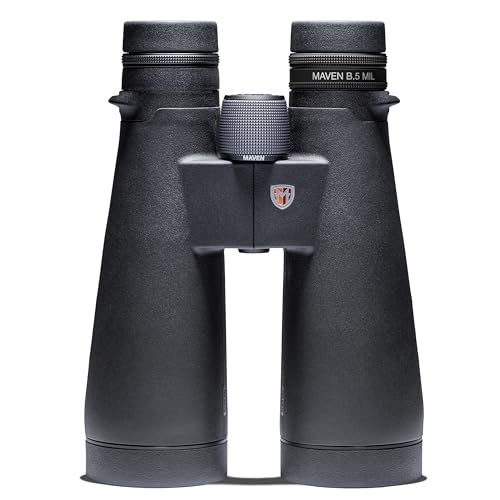
Maven B.5 56mm FL ReticleBinoculars | 56 mmlisting | — | — | — | — | Check price |
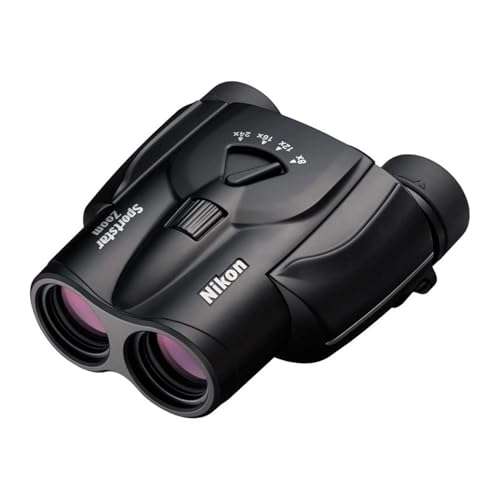
Nikon Sportstar Zoom 8-24x25Binoculars More specs
| 25 mmlisting | — | — | — | — | Check price |
Nikon Action Zoom 10-22x50Binoculars More specs
| 50 mmlisting | — | — | — | — | Check price |
Pentax UP 8-16x21 ZoomBinoculars | 21 mmlisting | — | — | — | — | Check price |
Sig Sauer KILO10K-ABS HD Gen IIBinoculars More specs
| — | — | — | — | — | Check price |
Steiner Tactical SeriesBinoculars More specs
| — | — | — | — | — | Check price |
Steiner Night Hunter 2310Binoculars More specs
| — | — | — | — | — | Check price |


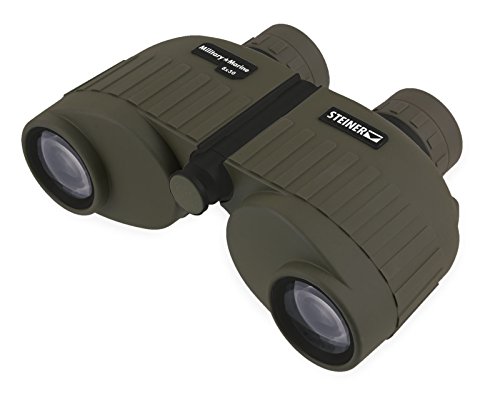

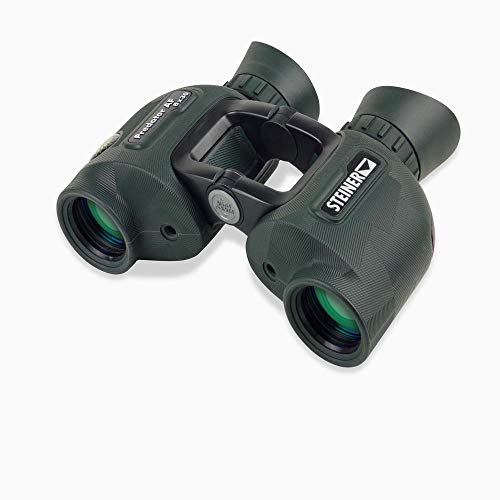


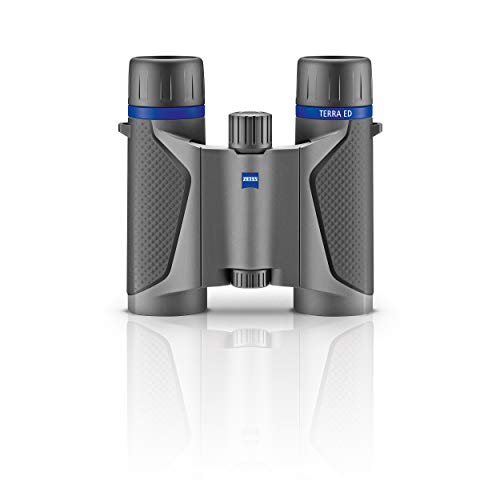


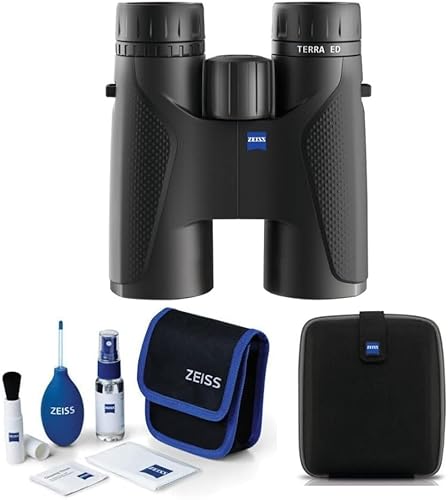


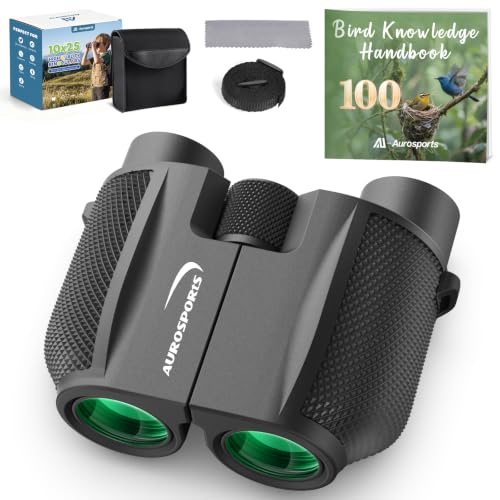


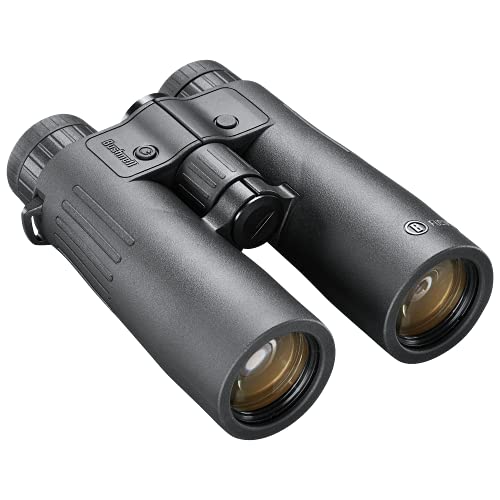


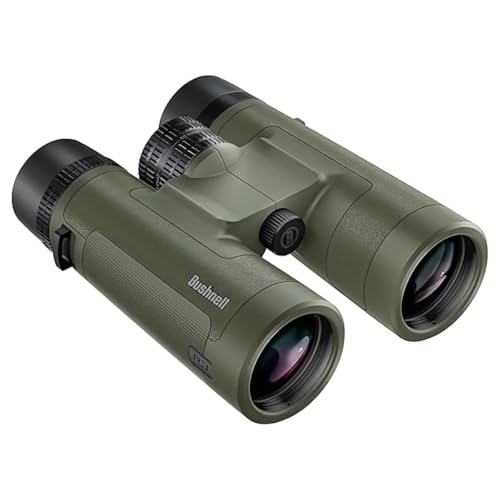
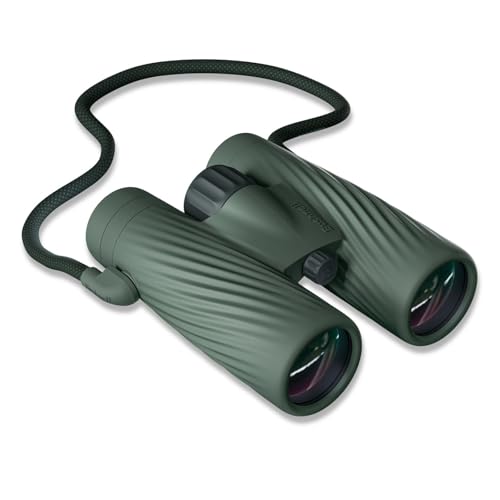


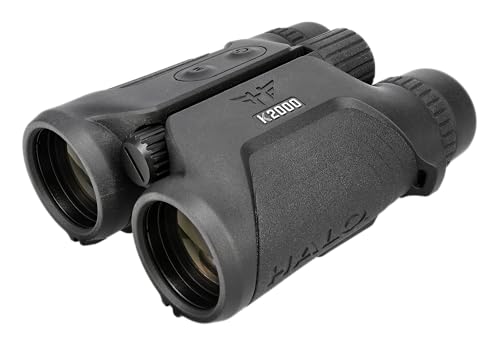


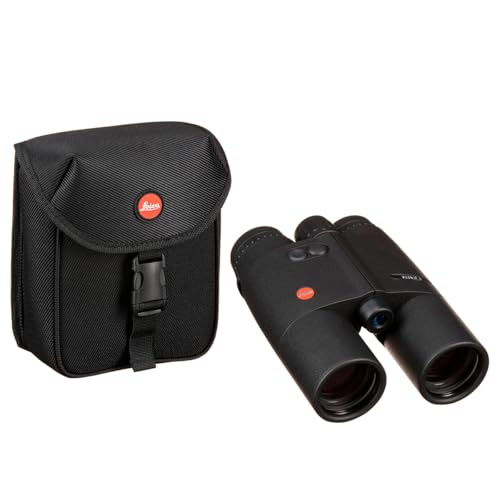

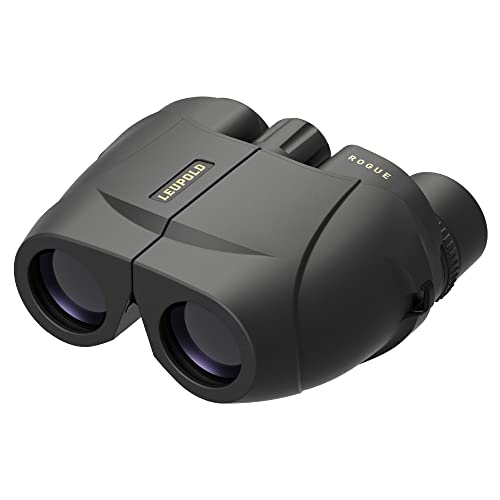


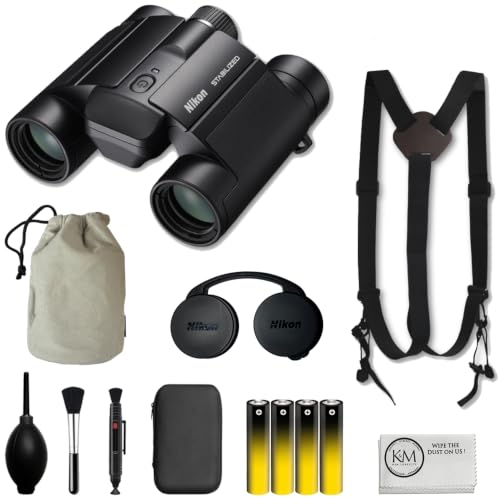

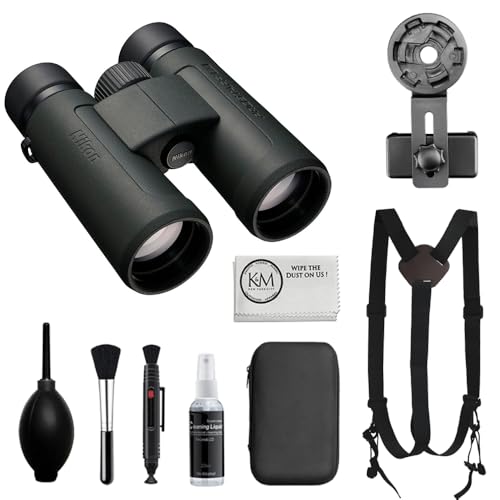
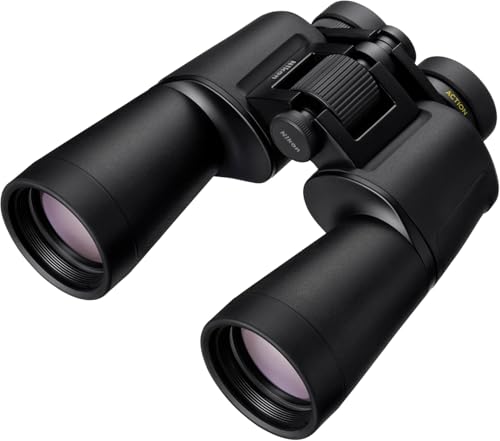


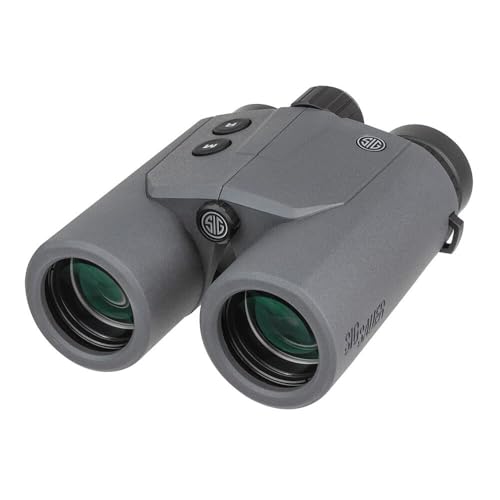


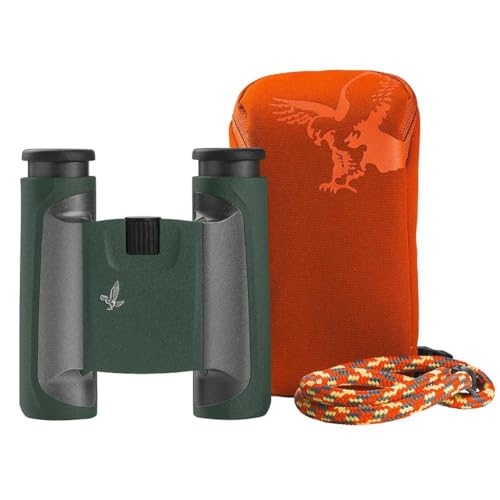


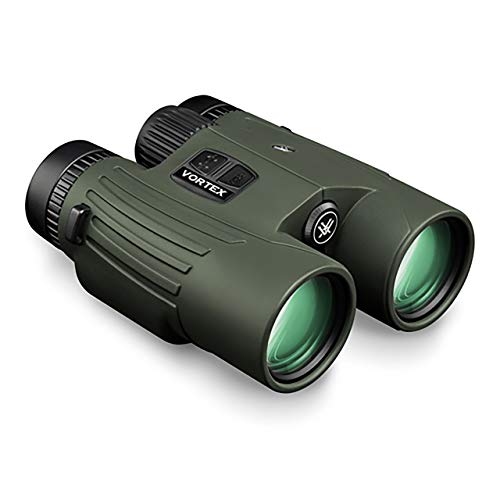


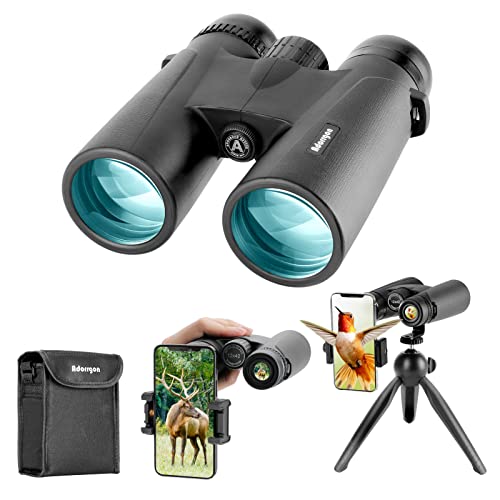


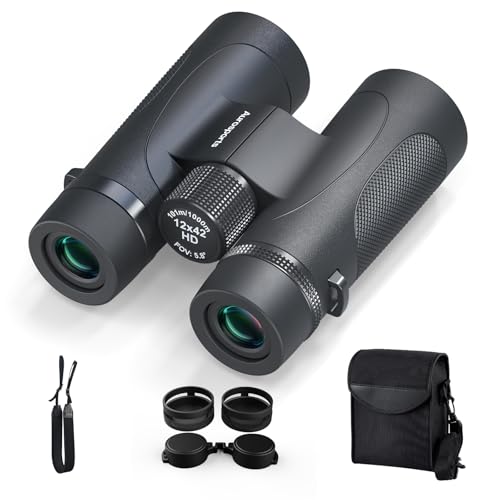


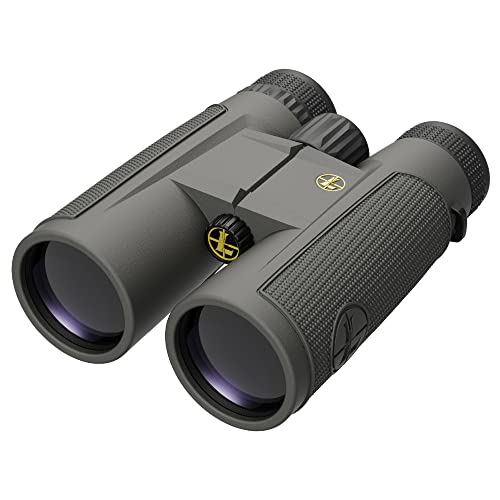


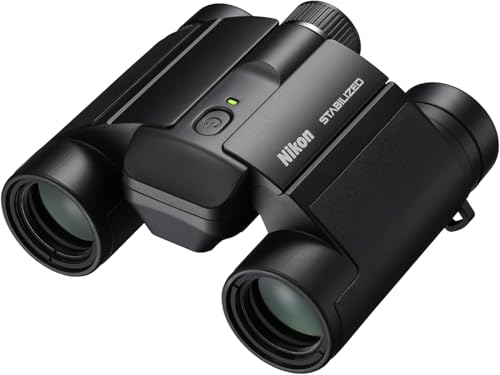


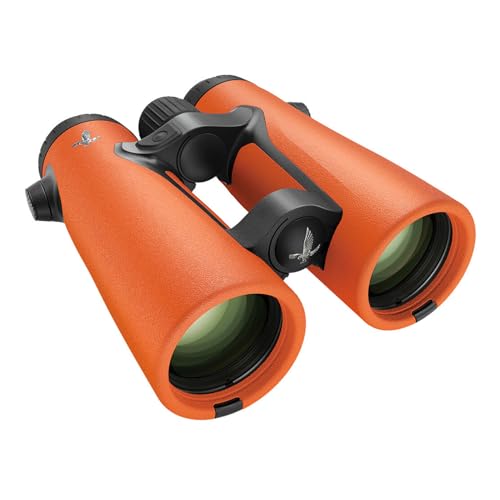


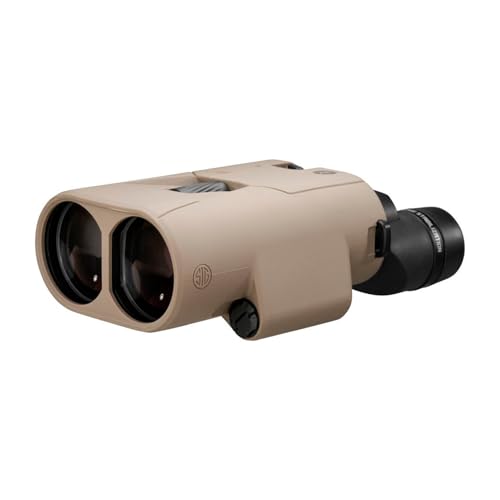







What’s in this listEvery hunting binocular we track on Amazon US, by magnification. “—” means neither the maker nor the Amazon listing states it.
What the two numbers on hunting binoculars mean
Every hunting binocular is named by two numbers. Take 8x42.
- 8x is magnification. One maker's binocular primer puts it simply: an 8x binocular makes a deer look as if you were standing 1/8 as far away.
- 42 is the objective, the front lens, in millimeters. A bigger front lens lets in more light and adds size and weight.
Those two numbers decide most of the others. Exit pupil, field of view and how steady the image looks all follow from them. The rest is build: prisms, sealing, eyecups and weight.
The table on this page lists binoculars their makers sell for hunting, sorted by magnification. It shows magnification and objective, field of view, eye relief, exit pupil, prism type, the maker's waterproof and fogproof wording, weight, and whether the binocular has a built-in rangefinder or image stabilization. The maker's numbers come first, with the Amazon listing's where the maker is silent (marked as listing values; weight is the maker's alone). A dash means neither states the value. We don't guess.
There are sibling pages for the two most common shapes, 10x42 binoculars and 12x50 binoculars, and one for rangefinder binoculars. This page is the whole category.
What to look at when you pick hunting binoculars
Here's what actually changes from one pair to the next, in the order I'd check it.
Pick magnification for the cover you hunt, not the farthest deer you've seen
Magnification is the trade you make first. More power shows more detail. It also shows more shake, a narrower slice of woods, and less light.
One binocular maker's hunting guide splits it by habitat:
- Dense cover (timber, stand hunting, hunting on foot): 6x to 9x
- Open country (mountains, sage flats, glassing from a truck or tripod): 10x to 18x
Another maker's whitetail guide lands on 8x42 or 10x42 for deer, from cornfields to deep woods. Its reasoning: enough power to glass, not so much that you need a tripod. Choose the 8x for a larger exit pupil and wider view. Choose the 10x if you need the reach.
The binocular primer adds the physics. Higher magnification makes the image more sensitive to hand shake and narrows the field of view. At 12x and up, you'll want a rest. (A tree trunk counts. So does Uncle Walt's shoulder, though he charges for it in complaints.)
Objective size buys light, and you carry the bill
The objective is the front lens. More millimeters, more light in, more glass to carry.
A 42 mm objective is the common middle. A 50 mm objective gathers more light for the same magnification, which is why 12x50 and 10x50 exist. Smaller objectives make compact binoculars that fit a jacket pocket, but they give up light. The table lists the objective right next to the magnification so you can see both halves of the name.
If you hike a long way in, weight may matter more than light. The hunting guide above makes the same point for backpack hunters: lighter glass, even at lower power.
Exit pupil is the dawn-and-dusk number
Exit pupil is the width of the beam of light that leaves each eyepiece, in millimeters. You can see it: hold the binocular at arm's length toward a bright sky and look at the small bright circle in the eyepiece.
Quick math, from an optics maker's knowledge base: divide the objective by the magnification.
- 8x42: 42 ÷ 8 = 5.25 mm
- 10x42: 42 ÷ 10 = 4.2 mm
- 10x50: 50 ÷ 10 = 5 mm
Why care? That same knowledge base says a dark-adapted eye opens to about 5 to 7 mm. An exit pupil that fills it delivers more light when it's dim. In daylight, your pupil shrinks and a large exit pupil buys you little. The hunting guide calls about 5 mm the useful target for low-light glassing.
Deer move most when the light is worst. So if you hunt first and last light, exit pupil matters more than almost any other number in the table.
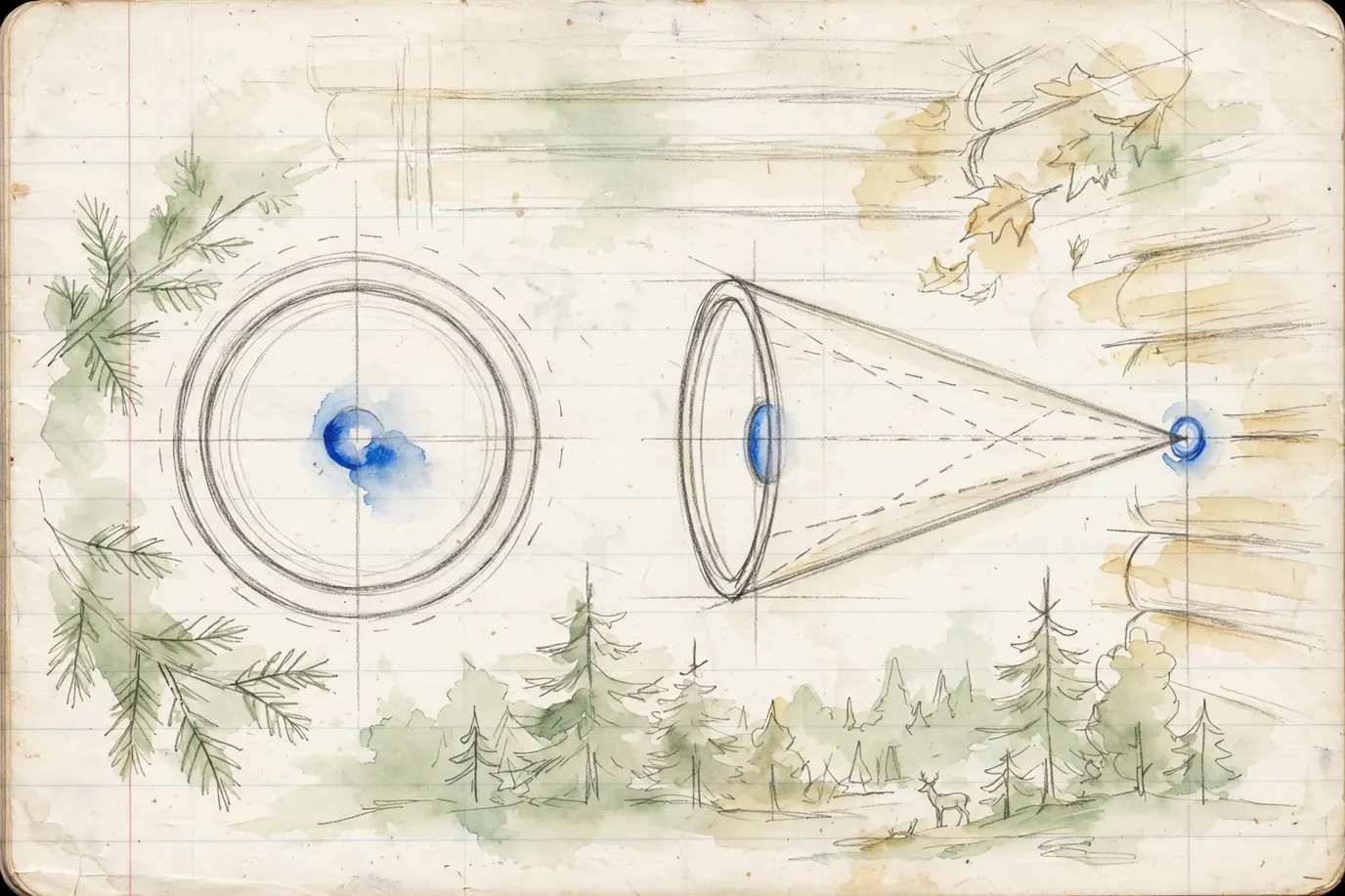
Field of view decides how fast you find the deer
Field of view is how wide a slice of the world you see. US makers usually state it in feet at 1,000 yards, and the table uses that unit. Some state it in degrees instead.
The two convert. One maker lists a 10x42 at 309 ft at 1,000 yards and also as 5.9 degrees. Another lists a 10x42 at 334 ft and 6.2 degrees. So a degree is a little over 50 ft at 1,000 yards. Close enough to compare two pairs on paper.
Wider helps most in timber. A deer stepping through hemlocks at 60 yards is easier to pick up in a wide view than a narrow one. The hunting guide pairs dense cover with around 340 ft at 1,000 yards or wider, and open country with less. Lower magnification generally gives you the wider view.
Eye relief matters most if you wear glasses
Eye relief is how far your eye can sit behind the eyepiece and still see the whole field. The optics knowledge base recommends at least 10 mm and calls 15 mm the most comfortable. Glasses push your eye back, so eyeglass wearers may need more. The binocular primer suggests 14 mm or more.
The eyecups are the other half. One maker's binocular manual says to keep twist-up eyecups fully extended without glasses and twisted down with them. If you see a dark ring around the view, your eye is in the wrong spot. (It's the optical version of sitting too close to the TV, except the TV is strapped to your face.)
Roof or porro prisms changes the shape more than the season
Prisms flip the image right side up inside the binocular. There are two designs, and the table names which one each pair uses.
- Roof: straight tubes and a trimmer shape. A hunting magazine's optics column says roofs are popular because they're compact, and that they cost more to build because the design needs precision manufacturing.
- Porro: the offset, broad-shouldered shape. The same column calls porros slightly bulkier, and says that at the low end an inexpensive porro is generally better than an inexpensive roof.
An optics maker's knowledge base adds that roof prisms need special coatings to keep the image crisp, because of how the light path folds. Neither design is wrong for deer. If slim and light matter most to you, that's the roof column.
Waterproof and fogproof come from seals and gas
Binoculars fog inside when warm, moist air meets cold glass. Makers fix that by sealing the body and replacing the air inside with a dry gas. One maker describes its build as O-ring sealed and nitrogen purged for waterproof and fogproof performance.
The table repeats each maker's own wording, including gas type and any IPX rating where it's stated. If a maker doesn't claim it, the table doesn't either. Outside fog on cold lenses is a different problem; that one you wipe.
Weight is the number your neck reads
Weight is listed in ounces, from the maker, never from a store listing. For scale, one maker lists its 10x42 at 21 oz. Bigger objectives mean more glass and more ounces.
Weight matters most on long walks and in long sits with the binocular hanging from your neck. If it's heavy, a chest harness spreads it out. More on that on the binocular harness page.
Image stabilization and built-in rangefinders are extras with batteries
Two columns in the table are yes-or-no extras.
- Image stabilized: sensors and a moving prism or lens cancel hand shake. The binocular primer describes gyro-driven and flywheel designs. Both need power, and they're heavier. The column says yes only when the maker says so.
- Built-in rangefinder: a laser in the binocular gives you yardage. It has its own page, rangefinder binoculars, with its own specs.
If you hunt deer inside 40 yards from a stand, neither is required. They solve open-country and long-range problems.
Deer hunting binoculars by how you hunt
Walt has kept the camp logbook in pencil since 1991. Date, wind, temperature, stand, and a column for what moved. The early entries in that column are short. Some just say "deer?" with the question mark. Better glass is how the question mark goes away.
From a tree stand or saddle in timber
You're looking at short distances through branches, often in poor light. Start at 8x42. You get a wide view, a large exit pupil and an easier one-handed hold. Wear it on a harness so it isn't swinging when you climb. Stand gear lives in the blinds and stands section.
Over fields, food plots and power-line cuts
Longer looks, more daylight at the edges. A 10x42 gives you the reach and still hand-holds. If you sit at a field edge until last light, a 10x50 keeps the exit pupil at 5 mm.
Still hunting and spot-and-stalk
You're moving, so weight and quick handling count. A smaller, lighter 8x or a compact pair rides better. You'll raise and lower it a hundred times, so make it easy.
Out West or across big country
This is where 10x and 12x earn their keep, and the hunting guide says glassing from a tripod becomes normal. A 12x50 on a tripod adapter can pick apart a distant hillside a hand-held 8x can't. The 12x50 page covers that size.
Setting up hunting binoculars before the season
Do this at home, not at 5:45 a.m. in the stand. One maker's binocular manual gives the order.
- Set the eyecups: fully up without glasses, down with them.
- Set the width: rotate the barrels until you see one round image with no shading. That's your interpupillary distance (the space between your pupils).
- Focus with the center wheel: pick an object about 20 yards away, close the eye on the diopter side, and turn the center focus until the object is sharp for your other eye.
- Set the diopter: switch eyes (close the first one, or cover its objective lens with your hand) and turn the diopter until the object is sharp for this eye too.
- Write the diopter setting down: the manual says to make a note of it in case you need to set it again. From then on, focus with the center wheel only.
I keep mine on a strip of tape inside the case lid. Walt keeps his in his head, which is why he refocuses every morning.
Care in the field
Lens coatings scratch easier than you'd think. The same manual's method:
- Blow or brush off dust and grit before wiping: canned air or a soft camel-hair brush
- Fog the lens with your breath, then wipe with a non-abrasive lens cloth
- Lens cleaning fluid and optical paper for anything stubborn
- No facial tissue, heavy cotton or flannel, which can scratch a lens
Use the rain guard and lens covers whenever you're not looking through the glass. After a wet day, the manual says to keep the caps off and let the binocular dry out completely before it goes back in the case.
Never look at the sun through binoculars. The manual warns it can damage the retina and cornea, even to the point of blindness.
Who can skip hunting binoculars for now
If you hunt a small food plot from one ground blind and every shot is inside 20 yards, your eyes and a rangefinder may cover it this season. Buy binoculars when you start asking "what moved" and can't answer it. Hunting rules vary by state, so check your state wildlife agency before you go.
When you do buy, write the diopter number down. Walt will tell you he doesn't need to. Walt also refocuses every morning.
Brands in this list
Related
Questions people ask
What size binoculars for hunting deer?
For most deer hunting, 8x42 or 10x42. One optics maker's whitetail guide says both give plenty of magnification without needing a tripod. The 8x gives a larger exit pupil and a wider field of view; the 10x gives more reach. Go up to a 50 mm objective if you mostly sit still at first and last light and don't mind the extra weight.
What magnification binoculars for hunting in the woods?
Lower power. One binocular maker's hunting guide puts dense habitat, like timber and stand hunting, at 6x to 9x, with a field of view around 340 ft at 1,000 yards or wider. Higher power makes close animals harder to find and magnifies the shake from your hands.
Are 12x binoculars too much for hunting?
Not in open country, but they're hard to hold steady. A camera-and-optics maker's binocular primer notes that higher magnification makes the image more sensitive to hand shake and narrows the field of view. The same hunting guide says open-country hunters often glass from a tripod or a vehicle window. In timber, 12x is usually more than you need.
How much eye relief do I need with glasses?
More than without them. One optics maker's knowledge base recommends at least 10 mm and calls 15 mm the most comfortable, adding that eyeglass wearers may need more. Another maker suggests 14 mm or more if you wear glasses. Twist the eyecups down when wearing glasses so your eye can reach the full field.
Sources
- Vortex Optics: Choosing glass to conquer Midwest whitetail country — accessed 2026-10-22
- Maven: How to choose binoculars for hunting — accessed 2026-10-22
- Celestron: What is exit pupil and eye relief for sport optics? — accessed 2026-10-22
- Celestron: What is the difference between roof prism and porro prism binoculars? — accessed 2026-10-22
- American Hunter: Are roof prism binoculars superior to porros? — accessed 2026-10-22
- Fujifilm: Binoculars basic knowledge — accessed 2026-10-22
- Athlon Optics: Neos G2 10x42 HD (sealing and field-of-view specs) — accessed 2026-10-22
- Leupold: BX-4 Range HD Gen 2 10x42 (field of view and exit pupil specs) — accessed 2026-10-22
- Vortex Optics: Fury HD 5000 binocular product manual (PDF) — accessed 2026-10-22