Camp Gear · Gear type
Screen Tent
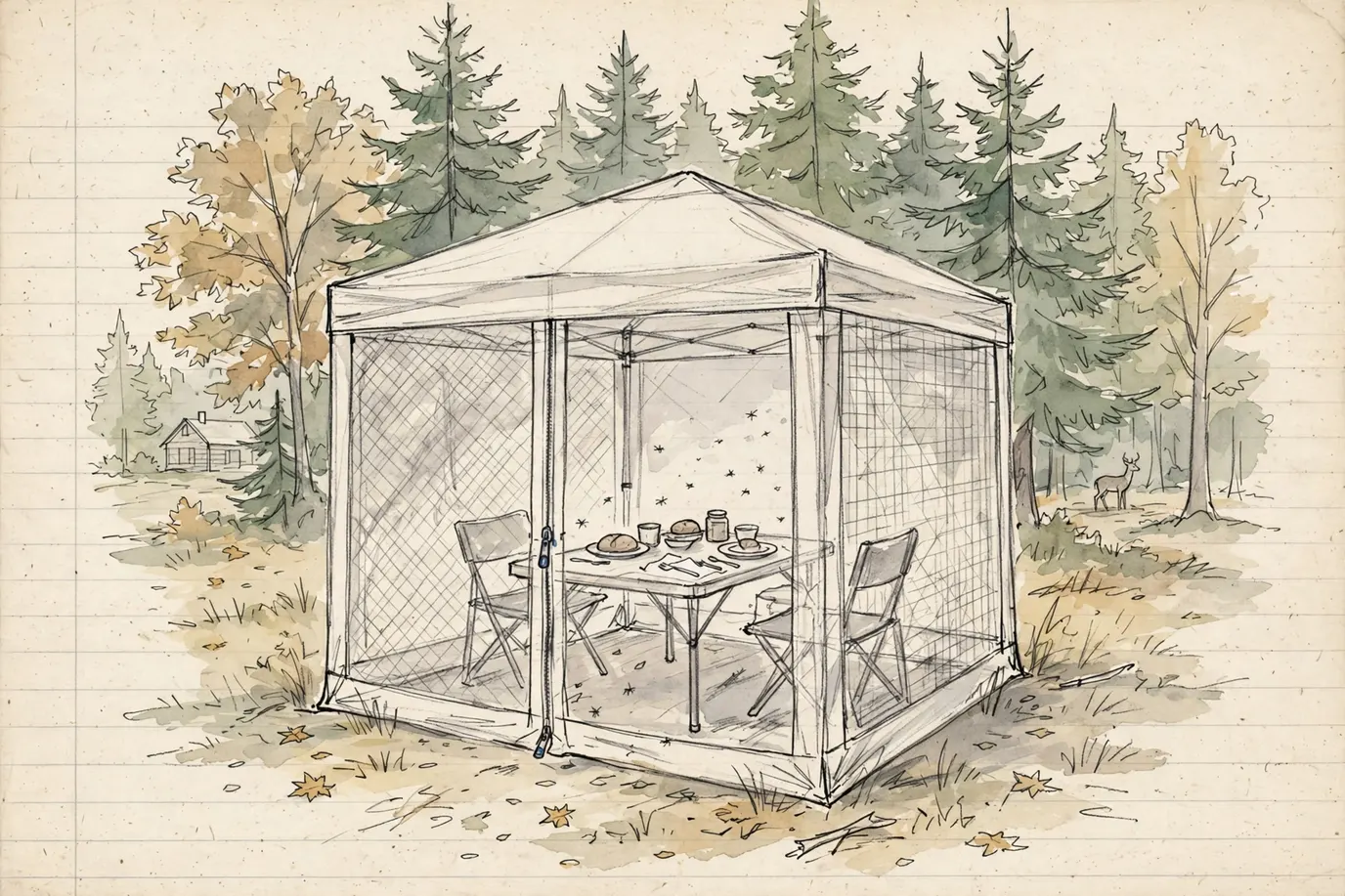
A screen tent is a roof with mesh walls: shade overhead and a table the bugs can't reach. Some are a screen room you hang inside a pop-up canopy; others are hub-style screen houses that pop out of their own bag. Choose the type first, then the mesh, then the floor space. At a September bow camp, it's the difference between eating supper and wearing it. (I don't mind bugs. It's the bugs that mind me, all evening.)
We earn a commission if you buy through our links, at no cost to you. Disclosure
| Model | Frame | Size | Shade area | Peak height | Top fabric | Amazon |
|---|---|---|---|---|---|---|
Alpha Camp 13x9ft Screen Tent House RoomCanopy More specs
| — | Otherlisting | — | — | — | Check price |
Alvantor Screen House Room 12x12Canopy More specs
| Fiberglasslisting | 12x12listing | — | 90 inlisting | — | Check price |
Alvantor Screen House Hexagon 10x10Canopy More specs
| Fiberglasslisting | 10x10listing | — | 84 inlisting | — | Check price |
Alvantor Screen House Room 15x15Canopy More specs
| Fiberglasslisting | Otherlisting | — | 102 inlisting | — | Check price |
Alvantor Screen House Room 12x12Canopy More specs
| Fiberglasslisting | 12x12listing | — | 90 inlisting | — | Check price |
Alvantor Screen House Room 12x12Canopy More specs
| Fiberglasslisting | 12x12listing | — | 90 inlisting | — | Check price |
Alvantor Pop Up Screen Tent House RoomCanopy More specs
| — | — | — | — | — | Check price |
Alvantor Pop Up Screen Tent House RoomCanopy More specs
| Fiberglasslisting | — | — | — | — | Check price |
Alvantor Pop Up Igloo Screen HouseCanopy More specs
| Fiberglasslisting | Otherlisting | — | — | — | Check price |
Alvantor Screen House Mesh Tent 10x10Canopy More specs
| — | 10x10listing | — | 84 inlisting | — | Check price |
Alvantor 4-in-1 Pop Up Screen House 6x6Canopy More specs
| — | Otherlisting | — | — | — | Check price |
Alvantor 2-in-1 Pop Up Screen House GazeboCanopy More specs
| — | Otherlisting | — | — | — | Check price |
Aoxun 12x12 Pop Up Gazebo Screen TentCanopy More specs
| Fiberglasslisting | 12x12listing | — | — | 300D Oxfordlisting | Check price |
Campros CP CP Screen House 13 x 13 FtCanopy More specs
| — | 13x13listing | 134 sq ftlisting | 86 inlisting | 190T polyesterlisting | Check price |
Campros CP CP Screen House 12 x 10 FtCanopy More specs
| — | Otherlisting | 120 sq ftlisting | 90 inlisting | 190T polyesterlisting | Check price |
Campros CP CP Screen House 13 x 13 FtCanopy More specs
| — | 13x13listing | 134 sq ftlisting | 86 inlisting | 190T polyesterlisting | Check price |
Campros CP CP Screen House 12 x 12 FtCanopy More specs
| — | 12x12listing | 144 sq ftlisting | 92 inlisting | 190T polyesterlisting | Check price |
Campros CP CP Screen House 12 x 10 FtCanopy More specs
| — | Otherlisting | 120 sq ftlisting | 90 inlisting | 190T polyesterlisting | Check price |
Campros CP CP Screen House 12 x 12 FtCanopy More specs
| — | 12x12listing | 144 sq ftlisting | 92 inlisting | 190T polyesterlisting | Check price |
Clam Quick-Set Pavilion 12.5' Screen TentCanopy More specs
| — | Otherlisting | — | — | — | Check price |
Clam Escape Screen Tent 11.5 FtCanopy More specs
| Fiberglasslisting | Otherlisting | — | — | 210D poly-oxfordlisting | Check price |
Clam Pavilion Screen Tent 12.5 FtCanopy More specs
| Fiberglasslisting | Otherlisting | — | — | 210D poly-oxfordlisting | Check price |
Clam Venture Screen Tent 9 x 9 FtCanopy More specs
| Fiberglasslisting | Otherlisting | — | — | 210D poly-oxfordlisting | Check price |
Clam Adventure Screen Tent 9 x 9 Ft GrayCanopy More specs
| — | Otherlisting | — | — | — | Check price |
Clam Quick-Set Pavilion 12.5' Screen Tent BrownCanopy More specs
| — | Otherlisting | — | — | — | Check price |
Cobizi 10x15 Heavy Duty Pop Up Canopy with Mosquito NettingCanopy More specs
| Steellisting | 10x15listing | — | — | 420D Oxfordlisting | Check price |
Coleman Skyshade Screen Dome 8x8Canopy More specs
| Fiberglasslisting | Otherlisting | 25.8 sq ftlisting | 80 inlisting | — | Check price |
Coleman Screen Canopy Tent 10.5x9Canopy More specs
| Steellisting | Otherlisting | 73 sq ftlisting | — | — | Check price |
Core 12 x 10 Instant Screen HouseCanopy More specs
| — | Otherlisting | — | 84 inlisting | 150D polyesterlisting | Check price |
Core 12x10 Lighted Instant Screen HouseCanopy More specs
| — | Otherlisting | — | 84 inlisting | 150D polyesterlisting | Check price |
Crown Shades Gazebo 10x10 with Mosquito NettingCanopy More specs
| Steellisting | 10x10listing | — | — | 150D Oxfordlisting | Check price |
Crown Shades 10x10 Food Tent Pop Up CanopyCanopy More specs
| — | 10x10listing | — | — | 400Dlisting | Check price |
Crown Shades 10x10 Pop Up Canopy with Game NettingCanopy More specs
| — | 10x10listing | — | — | — | Check price |
Eagle Peak 13x13 Canopy with Mesh NettingCanopy More specs
| — | 13x13listing | 169 sq ftlisting | — | — | Check price |
Eagle Peak 11x11 Pop Up Gazebo with NettingCanopy More specs
| — | Otherlisting | 121 sq ftlisting | — | 150D oxfordlisting | Check price |
East Oak Pop-Up Screen House 10x10Canopy More specs
| — | 10x10listing | — | — | — | Check price |
East Oak Pop Up Screen House 6x6Canopy More specs
| — | Otherlisting | — | — | — | Check price |
East Oak Pop Up Screen House 12x12Canopy More specs
| — | 12x12listing | — | — | — | Check price |
East Oak Pop-Up Screen House 4x4Canopy More specs
| — | Otherlisting | — | — | — | Check price |
East Oak Pop-Up Screen House 6x6Canopy More specs
| — | Otherlisting | — | — | — | Check price |








East Oak Pop-Up Screen House 6x6Canopy More specs
| — | Otherlisting | — | — | — | Check price |
|---|---|---|---|---|---|---|
East Oak Screen House 10x10 with Floor MatCanopy More specs
| — | 10x10listing | — | — | — | Check price |
East Oak Screen House 12x12 with Floor MatCanopy More specs
| — | 12x12listing | — | — | 300D Oxfordlisting | Check price |
East Oak Screen House 10x10 with Sun Shade SailsCanopy More specs
| — | 10x10listing | — | — | — | Check price |
East Oak Screen House 10x10 with Sun Shade SailsCanopy More specs
| — | 10x10listing | — | — | — | Check price |
East Oak Screen House 6x6 with Sun Shade SailsCanopy More specs
| — | Otherlisting | — | — | — | Check price |
East Oak Screen House 12x12 with Sun Shade SailsCanopy More specs
| — | 12x12listing | — | — | — | Check price |
East Oak 12x12 Pop Up Canopy with MeshCanopy More specs
| — | 12x12listing | — | — | — | Check price |
East Oak 6x6 Pop Up Canopy with MeshCanopy More specs
| — | Otherlisting | — | — | — | Check price |
East Oak 10x10 Pop Up Canopy with Mesh WallsCanopy More specs
| — | 10x10listing | — | — | — | Check price |
Ever Advanced Pop Up Gazebo Screen House 11.5 ftCanopy More specs
| — | Otherlisting | — | — | 200D polyesterlisting | Check price |
Ever Advanced Pop Up Screen House 11.5 x 9.8 ftCanopy More specs
| Fiberglasslisting | Otherlisting | — | — | — | Check price |
Ever Advanced Pop Up Screen House 11.5 x 9.8 ftCanopy More specs
| Fiberglasslisting | Otherlisting | — | — | — | Check price |
Ever Advanced Magnetic Screen House 11x9 ftCanopy More specs
| — | Otherlisting | — | 90 inlisting | — | Check price |
Gazelle Tents G6 Cool Top GazeboCanopy More specs
| — | — | — | — | 210 denier Oxfordlisting | Check price |
Gazelle Tents G5 5-Sided Gazebo TriTech MeshCanopy More specs
| — | Otherlisting | — | — | 210D Oxford polyesterlisting | Check price |
Gazelle Tents G6 6-Sided Gazebo TriTech MeshCanopy More specs
| — | Otherlisting | — | — | 210D Oxford polyesterlisting | Check price |
Gazelle Tents G4 Deluxe GazeboCanopy More specs
| — | Otherlisting | 46.5 sq ftlisting | — | 210D Oxfordlisting | Check price |
Gojooasis 10x10 Patio Gazebo CanopyCanopy More specs
| — | 10x10listing | 100 sq ftlisting | — | — | Check price |
Gojooasis 10x10 Patio Gazebo Canopy GrayCanopy More specs
| — | 10x10listing | 100 sq ftlisting | — | — | Check price |
Gojooasis 10x10 Patio Gazebo Canopy RedCanopy More specs
| — | 10x10listing | 100 sq ftlisting | — | — | Check price |
Gojooasis Patio Gazebo 10x10 with Mosquito NettingCanopy More specs
| — | 10x10listing | — | — | — | Check price |
Gojooasis Patio Gazebo 10x10 with Mosquito NettingCanopy More specs
| — | 10x10listing | — | — | — | Check price |
Goplus 10x10 Pop-Up Canopy with Mesh NettingCanopy More specs
| — | 10x10listing | 100 sq ftlisting | — | — | Check price |
Goplus 11x11 Pop-Up Screen GazeboCanopy More specs
| — | Otherlisting | — | — | — | Check price |
Kampkeeper Pop-Up Canopy with Screen Walls 10x10Canopy More specs
| — | 10x10listing | 100 sq ftlisting | — | — | Check price |
Kodiak Canvas Screen House 10x14Canopy More specs
| — | Otherlisting | — | — | 8.5 oz rip-stop poly-cotton canvaslisting | Check price |
Mastercanopy Pop Up Canopy with Netting Walls 10x10Canopy More specs
| Steellisting | 10x10listing | — | — | — | Check price |
Mastercanopy Pop Up Gazebo with Netting Screen Walls 11x11Canopy More specs
| — | 10x10listing | 121 sq ftlisting | — | 150D polyesterlisting | Check price |
Mastercanopy Pop Up Gazebo Screen Room 10x10Canopy More specs
| — | 10x10listing | — | 90 inlisting | — | Check price |
Mastercanopy Slant Leg Gazebo Canopy with Netting 10x10Canopy More specs
| — | — | — | — | — | Check price |
Outsunny 210D Oxford Pop Up Canopy with Netting 10x10Canopy More specs
| — | — | 100 sq ftlisting | 100.8 inlisting | 210D Oxfordlisting | Check price |
Outsunny Hexagonal Pop Up Gazebo 13x13Canopy More specs
| Steellisting | 13x13listing | — | — | — | Check price |
Outsunny Patio Gazebo with Netting 9.6x9.6Canopy More specs
| Steellisting | Otherlisting | — | — | — | Check price |
Outsunny Pop Up Canopy with Netting 10x10Canopy More specs
| — | 10x10listing | 100 sq ftlisting | 104.4 inlisting | — | Check price |
Outsunny Hexagon Screen House Pop Up 12x12Canopy More specs
| — | 12x12listing | — | — | — | Check price |
Outsunny Double Roof Pop Up Canopy 330x330 cmCanopy More specs
| Steellisting | Otherlisting | — | — | — | Check price |
Outsunny Patio Gazebo with Double Roof 10x12Canopy More specs
| Steellisting | Otherlisting | — | — | — | Check price |
Outsunny Pop Up Canopy with Netting 10x10Canopy More specs
| — | — | 100 sq ftlisting | 104.4 inlisting | — | Check price |
Quictent Pop up Screened Canopy 8x8Canopy More specs
| — | Otherlisting | — | — | — | Check price |
Tangkula Pop Up Gazebo with Netting 6.7x6.7Canopy More specs
| — | Otherlisting | — | — | 210D polyesterlisting | Check price |
VEVOR Pop Up Gazebo Screen Tent 12x12Canopy More specs
| — | 12x12listing | — | — | 300D oxfordlisting | Check price |
VEVOR Pop Up Gazebo Screen Tent 6x6Canopy More specs
| — | Otherlisting | — | — | 300D oxfordlisting | Check price |
VEVOR Pop Up Gazebo Screen Tent 11.5x11.5Canopy More specs
| — | Otherlisting | — | — | — | Check price |
VEVOR Pop Up Gazebo Screen Tent 10x10Canopy More specs
| — | 10x10listing | — | — | 300D oxfordlisting | Check price |
VEVOR Pop up Gazebo Screen Tent 12x12Canopy More specs
| — | 12x12listing | — | 86.4 inlisting | — | Check price |
VEVOR Pop up Gazebo Screen Tent 10x10Canopy More specs
| — | 10x10listing | — | 86.4 inlisting | — | Check price |
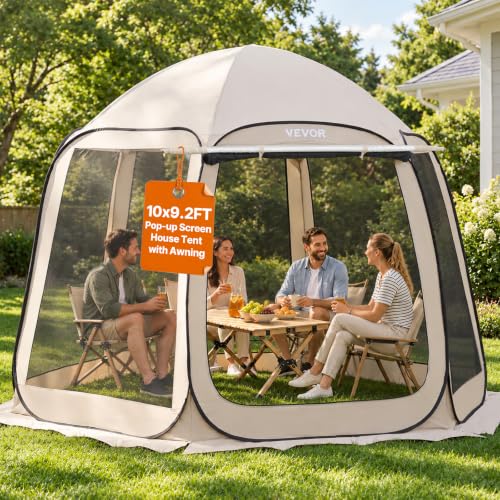
VEVOR Pop up Screen House Tent 10x9.2Canopy More specs
| — | Otherlisting | — | — | — | Check price |
VEVOR Screen House Tent 6x6Canopy More specs
| — | Otherlisting | — | — | — | Check price |
Vingli Pop Up Canopy with Nettings 10x20Canopy More specs
| — | 10x20listing | — | — | — | Check price |






What’s in this listScreen tents and canopies with mesh walls, as stated by the maker or the Amazon listing. “—” means neither the maker nor the Amazon listing states it.
What a screen tent is, and the ways makers build one
A screen tent is a shade shelter with mesh walls. It isn't for sleeping. It's for the hours between getting out of the stand and getting into bed, when the bugs come out to see who's eating. You'll also see it called a screen house or a screened canopy. Same idea, different words on the box.
Makers build them two main ways:
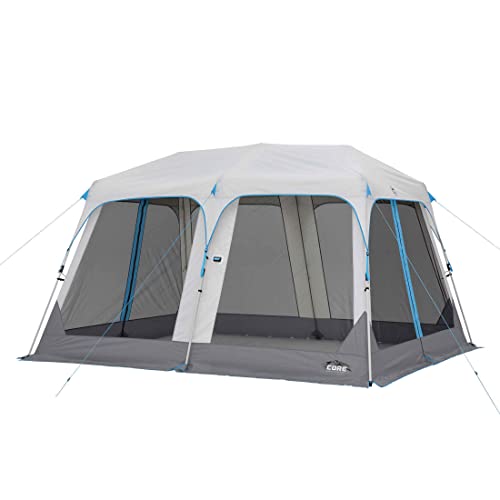
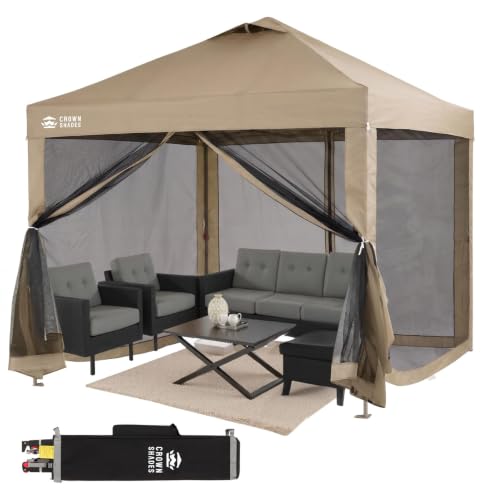
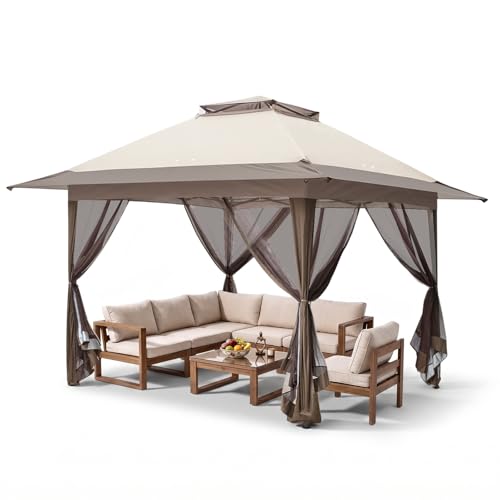
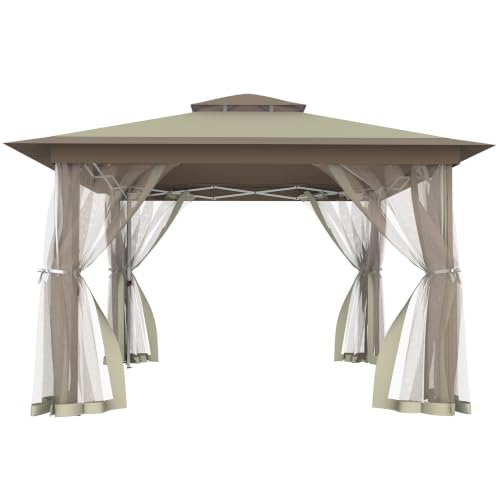
- A screen room inside a pop-up canopy: a mesh wall kit that clips to a canopy frame you already own, or comes packaged with one
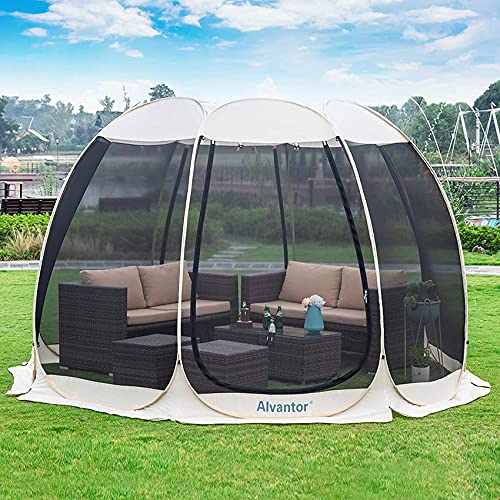
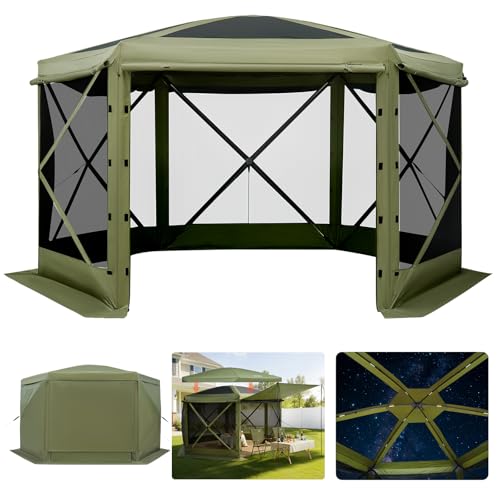
- A hub-style screen house: its own folding frame with a center hub and mesh walls sewn in, popped out of a duffle
The canopy version is a canopy tent with walls added, so everything about legs, anchoring and tops on that page applies. This page is about the walls and what they change.
The table on this page lists screen tents and canopies whose maker or Amazon listing states mesh walls. Its columns cover size, shade area, peak height, top fabric, UPF, solid sidewalls, vent, fire rating and frame, as far as the maker or the listing states them; values read from the listing are marked. UPF and fire rating appear only when the maker states them. A dash means neither states it. "Sidewalls" there counts solid walls included, separate from the mesh.
What to look at when you pick a screen tent
Pick the mesh for the smallest bug where you camp
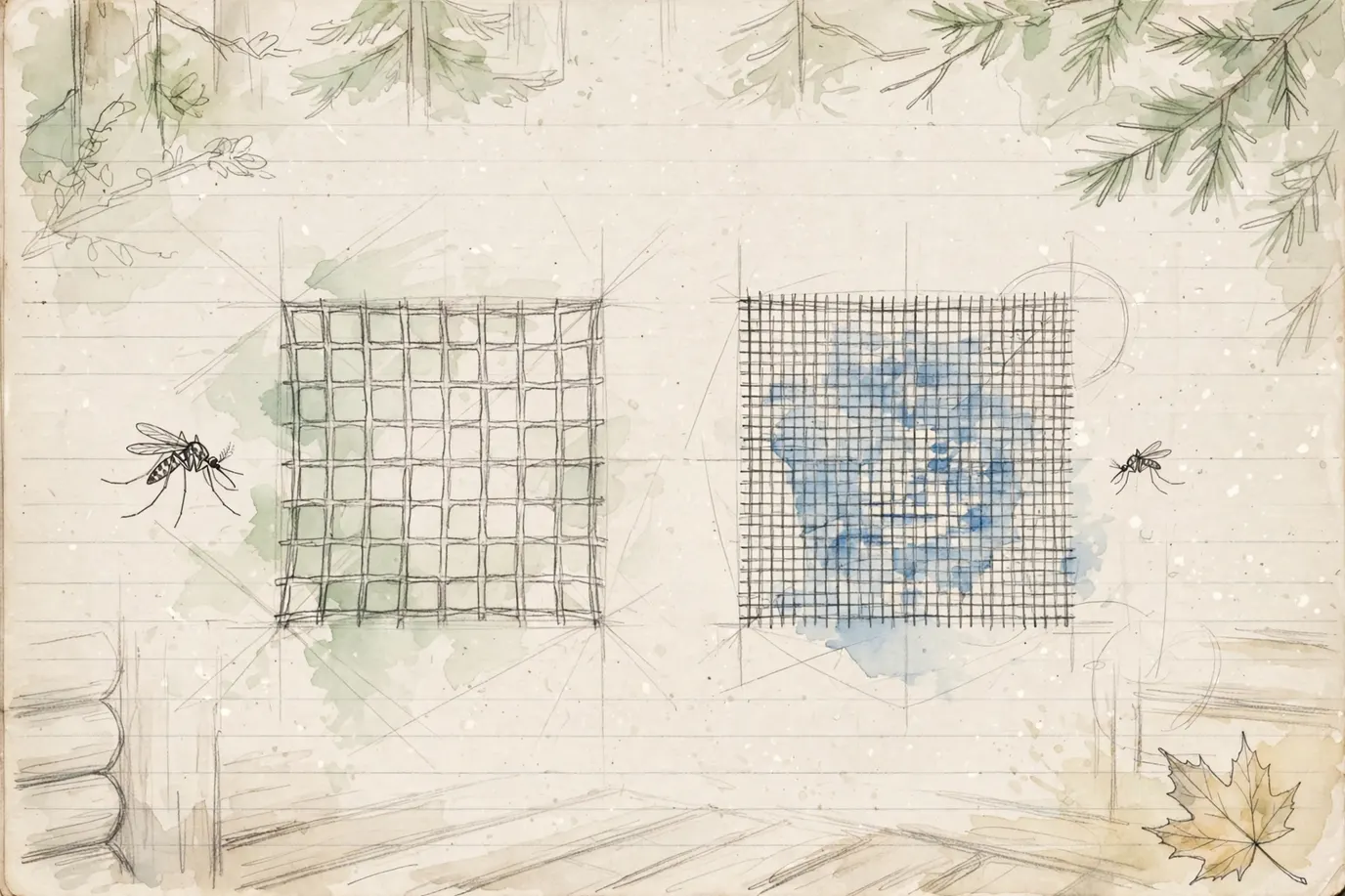
My one opinion on this page: buy the mesh for the smallest biting bug in your woods, not the biggest. The reason is that makers sell two grades. One netting maker describes its standard mosquito mesh as blocking mosquitoes with strong airflow and clear visibility. It sells a separate no-see-um mesh for insects smaller than mosquitoes, for places where standard mesh can't stop them.
So a "bug-proof" screen tent with mosquito mesh is mosquito-proof. That's a smaller promise. A hub-style maker describes its own mesh walls as keeping out even the smallest insects while improving airflow; that's the kind of plain claim to look for. If the listing doesn't say what the mesh stops, assume mosquitoes and pack repellent.
Floor space is the number, not the people count
Screen houses are sold by "person" counts, and those counts don't tell you where the table goes. Look for footprint and floor space in square feet.
Two examples show the range:
- A canopy with a screen room: one maker's 10x10 package gives a 10 by 10 interior, 100 square feet
- A hub-style four-sided gazebo: one maker lists a 78 by 86 inch footprint and 46.5 square feet of floor space for four people
Quick math: the canopy version has a little more than twice the room. A folding table and four chairs need most of a 10 by 10. The table on this page shows size and shade area so you can compare before you click.
Headroom inside the walls
With mesh walls hanging from the edge, the valance height becomes the doorway height. One maker's 10x10 canopy-and-screen-room package lists an 11 ft 5 in peak with 6 ft 10 in of headroom at the valance, and legs that adjust in 3-inch steps. The hub-style gazebo above lists 89.5 inches of height, over 7 feet at center.
The table shows peak height. If the walls slope in toward the peak, you'll stand straight in the middle and stoop near the walls. My knees have opinions about stooping at 9 p.m.
Wind panels, solid walls and mesh
Mesh lets air through; solid panels block wind, rain and low sun. Many screen houses carry both. The hub-style gazebo above has wind panels attached to the outside that drop to enclose the space or roll up for airflow, and a front panel that doubles as an awning.
Panels down turns a screen house into a wind catcher. A canopy maker's wind guide treats solid walls as added pressure on the frame and tells you to open them or remove them in wind. Roll them up before you go to bed, not after the first gust.
Doors and zippers take the most wear
The door gets used more than any other part of a screen tent. One canopy maker's screen room uses a zippered entrance and says to handle the screen material carefully to avoid rips or tears. The CDC's mosquito advice includes repairing holes in screens to keep mosquitoes out, which applies to a screen tent the same as a screen door.
Jess's take: "An open zipper is a door with a welcome mat." Close it behind you. Every time. Including you, Walt. (That last part was also Jess.)
Fire rating and flame near mesh
The table shows any fire rating the maker states. One canopy maker's screen room sheet notes that its fabrics meet CPAI-84, and in the same breath warns they can still burn if a flame stays on them. The same sheet says to keep fire and lighted objects away from the screen. A screen tent goes well away from the fire ring, with no exceptions for marshmallows.
Canopy screen room or hub-style screen house
Here's how the two types sort out:
- Screen room on a canopy: uses a frame you may already own, gives the most floor space, comes off in August and leaves you plain shade for October; it also needs the maker's room sized for your canopy, and one maker sells separate versions for straight-leg and angled-leg frames
- Hub-style screen house: one bag, no assembly; one hub-style maker claims setup in 60 to 90 seconds with a pre-assembled hub and no loose parts; it ships with guy lines and a dozen stakes, and the one above packs into a 59-inch bag at 32.5 lb
If you already own a straight-leg 10x10 canopy, the screen room is the obvious first look. If you don't, and you want shade only when bugs are out, the hub-style house is the simpler buy.
What a screen tent does about bugs, and what it doesn't
A screen tent gives you one bug-free room. It doesn't change what's outside it. The CDC notes that mosquitoes bite day and night, and recommends EPA-registered repellent, long sleeves and long pants, and screens on doors and windows.
At deer camp that means the screen tent is for supper and the evening card game. The walk to the outhouse is still a repellent walk. The September bow opener is the season this earns its bag, when the evenings are warm and the bugs haven't heard about fall yet.
How to set up a screened canopy
This follows one canopy maker's screen room sheet:
- Set up the canopy first. Fold the top fabric back halfway at each corner.
- Start on the side where you want the door. Clip the screen to the upper truss near the middle of that side, lining up each corner of the screen with a leg.
- Work around the frame, clipping the screen to the outside trusses near the corners until all four sides are covered.
- Wrap the elastic bands with V-hooks around each leg for a snug fit.
- Zip the walls together from outside, then pull the top back down over the wall corners.
- Stake each leg through the grommet in the screen room and the hole in the canopy footpad.
A hub-style house goes up differently. It comes out of the bag already assembled; follow its maker's sequence to set the frame, then stake every corner and run the guy lines. One maker includes both in the box, and they're not decorations.
Anchoring a screen tent with walls on
Walls change the anchoring math, because a screen tent with its panels down has more surface for wind to push. Anchor it before the chairs go in, and anchor every corner.
How the two types hold down:
- Screened canopy: the stakes go through the screen room's grommets and the canopy's footpads, so one stake holds both; add weights on hard ground
- Hub-style house: stakes at every corner plus the guy lines that come with it
- Soft or sandy ground: one canopy maker's wind guide says to drive stakes deep and angle them away from the shelter, and to use spiral stakes in sand
- Guy lines: run them out from the top corners, firm but not cranked tight, per the same guide
If the wind keeps building, that guide says to take the shelter down early. Roll the panels up first. It's easier to fold a screen tent than to chase one, and a lot quieter.
Care, takedown and storage
Takedown on a canopy screen room reverses the clip-on: pull the stakes, fold the top corners back, unzip the door all the way, unhook the leg bands, unclip from the trusses and gather the walls.
The same sheet has two rules I'd tape inside the bag. Don't store the stakes with the screen room; a stake through the mesh makes its own door. And let everything dry completely before it's packed, or it mildews. For washing, the sheet calls for a mild soap and lots of water; detergent is out.
Makers design these as temporary shelters; that same sheet says not to leave one standing for long stretches or with nobody around. A screen tent left up for the whole season is a sail waiting for a thunderstorm.
Screen tent safety: weather and fumes
Thunder means everybody out. Per the National Weather Service, a tent or open-sided shelter gives no lightning protection; a hard-topped vehicle or a building does.
Never run a fuel-burning heater, stove or lantern inside a screen tent with the panels down. The CPSC warns that carbon monoxide from camping heaters, lanterns and stoves causes deaths in tents and campers every year.
Who should skip a screen tent
- November-only hunters: if your camp only runs in deer rifle weather, bugs aren't the problem; a canopy tent or the cabin porch is
- Anyone who wants to sleep in it: no floor, no sleeping; that's a camping tent
- Windy, exposed sites: walls catch wind, and canopy makers say not to use their shelters in potentially windy weather
- Folks who already own a straight-leg canopy and only need bug walls once a year: check for a screen room that fits your frame before you buy a second shelter
For the rest of us, it's the only room at camp where the bugs have to wait outside. They don't like it. They wait anyway.
Brands in this list
Related
Questions people ask
What is a screen house?
It's another name for a screen tent: a shelter with a roof and mesh walls, built for shade and bug protection rather than sleeping. Some are hub-style gazebos that pop out of their bag with no loose parts. Others are a screen room that clips inside a pop-up canopy frame. The table on this page lists both when the maker or the Amazon listing states mesh walls.
What's the difference between a screen tent and a screened canopy?
Mostly the frame. A screened canopy is a pop-up canopy with a mesh wall kit hung from its trusses and staked at its feet. A screen tent or screen house often has its own hub frame with mesh walls built in. The canopy version doubles as plain shade; the hub version packs smaller.
Do screen tents keep out no-see-ums?
Only if the mesh is made for them. No-see-ums are smaller than mosquitoes, and one netting maker sells a separate no-see-um mesh for places where standard mosquito mesh can't block them. Look for the maker's own claim about the mesh. If the listing only says mosquito mesh, plan on repellent too.
Can you use a heater inside a screen tent?
Not a fuel-burning one. The CPSC warns against using fuel-burning heaters or lanterns while sleeping in enclosed spaces such as tents, and carbon monoxide has no smell. With wind panels down, a screen tent is an enclosed space. Canopy makers also say to keep flame and heat sources away from the fabric.
Can I add a screen room to my pop-up canopy?
Often, if the maker sells one for your frame. One canopy maker's screen room clips to the frame's upper trusses, wraps the legs with elastic hooks and stakes through the canopy's footpads. It comes in versions for straight-leg and angled-leg frames, so check the leg style and size before you buy.
Sources
- E-Z UP: Screen Room instruction sheet (setup, takedown, care, warnings) — accessed 2026-10-22
- E-Z UP: Vantage shelter and Screen Cube bundle (10' x 10' interior, peak height, valance clearance) — accessed 2026-10-22
- E-Z UP: Vista canopy (accessories: Screen Cube, 10' angled leg) — accessed 2026-10-22
- Gazelle Tents: G4 Deluxe Gazebo (hub design, mesh walls, wind panels, specifications) — accessed 2026-10-22
- Mosquito Curtains: No-see-um netting screen fabric — accessed 2026-10-22
- CDC: Preventing mosquito bites — accessed 2026-10-22
- E-Z UP: How to secure a canopy tent in high winds — accessed 2026-10-22
- E-Z UP: Frequently asked questions — accessed 2026-10-22
- National Weather Service: Lightning safety outdoors — accessed 2026-10-22
- CPSC: Portable heaters and camping equipment (carbon monoxide) — accessed 2026-10-22