Camp Gear · Gear type
Canopy Tent
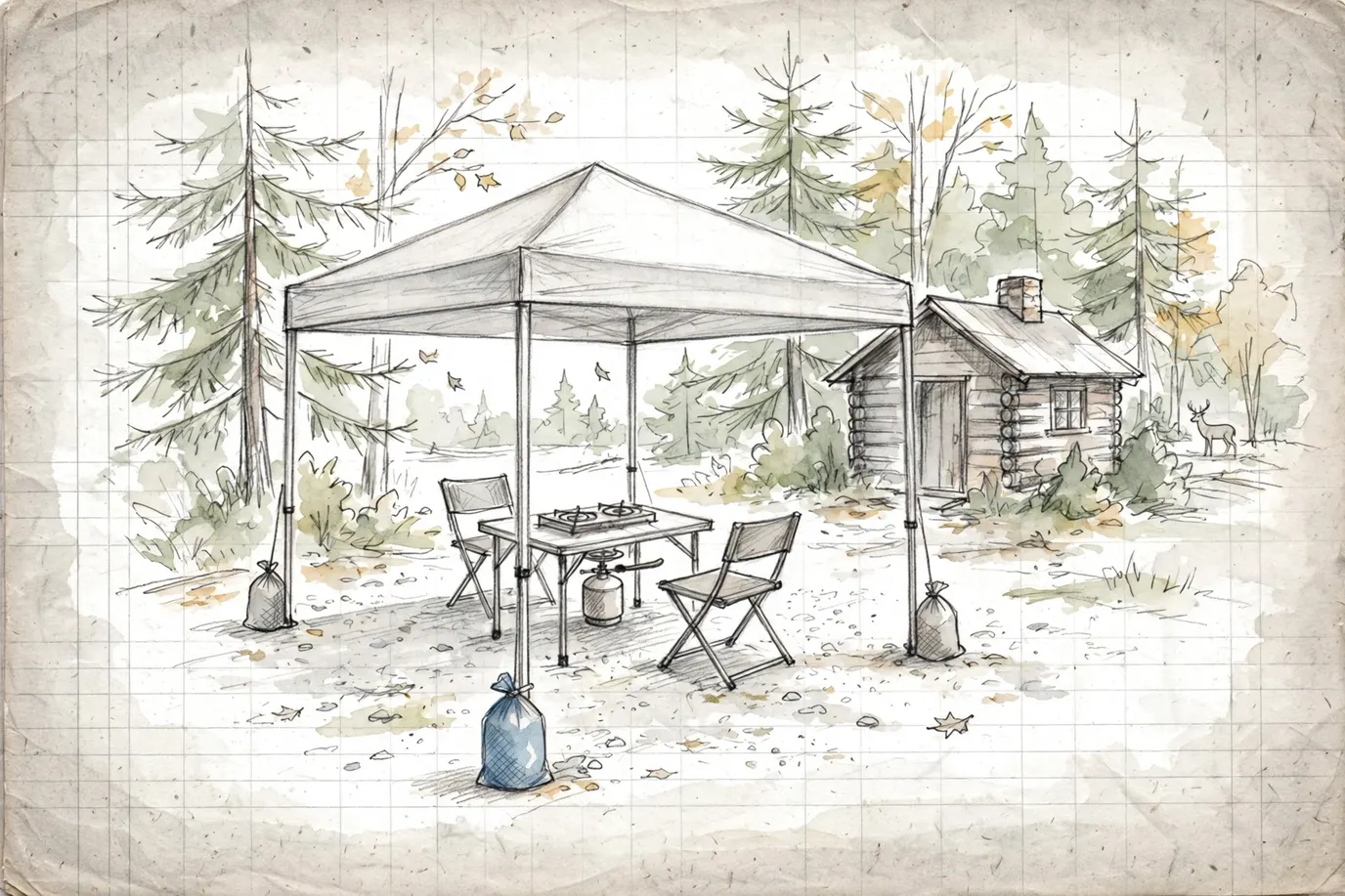
A canopy tent is a roof on a folding frame. It gives shade and a dry spot for the camp stove, the folding table or the lawn chairs. It has no floor, and nobody sleeps in it. Pick one by shade area first, leg style second, and how you'll hold it down third. The size printed on the bag tells you less than you'd think. (Of all the roofs at Hemlock Run, it's the only one that comes with wheels and a zipper.)
We earn a commission if you buy through our links, at no cost to you. Disclosure
| Model | Frame | Size | Shade area | Peak height | Top fabric | Amazon |
|---|---|---|---|---|---|---|
Coleman Skyshade Screen Dome 8x8Canopy More specs
| Fiberglasslisting | Otherlisting | 25.8 sq ftlisting | 80 inlisting | — | Check price |
| Steellisting | Otherlisting | 30.7 sq ftlisting | — | — | Check price | |
| — | Otherlisting | 36 sq ftlisting | 79 inlisting | — | Check price | |
| — | Otherlisting | 42.25 sq ftlisting | — | — | Check price | |
Gazelle Tents G4 Deluxe GazeboCanopy More specs
| — | Otherlisting | 46.5 sq ftlisting | — | 210D Oxfordlisting | Check price |
| Steellisting | Otherlisting | 49 sq ftlisting | — | — | Check price | |
| — | — | 60 sq ftlisting | 85 inlisting | — | Check price | |
Impact 040000003 Slant Leg Canopy 10x10Canopy More specs
| Steellisting | 10x10listing | 62 sq ftlisting | 96 inlisting | 210Dlisting | Check price |
Impact 040000001 Slant Leg Canopy 10x10Canopy More specs
| Steellisting | 10x10listing | 62 sq ftlisting | 96 inlisting | 210Dlisting | Check price |
Impact 283010001 Slant Leg CanopyCanopy More specs
| Steellisting | 10x10listing | 62 sq ftlisting | 96 inlisting | 210Dlisting | Check price |
Abccanopy Pop Up Canopy 8x8 with 2 SidewallsCanopy More specs
| — | Otherlisting | 64 sq ftlisting | 100.8 inlisting | — | Check price |
| — | Otherlisting | 64 sq ftlisting | — | — | Check price | |
| Steellisting | 10x10listing | 64 sq ftlisting | 103 inlisting | 150D polyesterlisting | Check price | |
| — | Otherlisting | 64 sq ftlisting | — | 400D Oxfordlisting | Check price | |
E-Z UP Sierra II 10x10Canopy | Steellisting | 10x10listing | 64 sq ftlisting | — | — | Check price |
| — | 10x10listing | 64 sq ftlisting | — | 150D oxfordlisting | Check price | |
Coleman Screen Canopy Tent 10.5x9Canopy More specs
| Steellisting | Otherlisting | 73 sq ftlisting | — | — | Check price |
Caravan V Series 12x12Canopy | Steellisting | 12x12listing | 81 sq ftlisting | 109 inlisting | 150D polyesterlisting | Check price |
| — | 10x10listing | 96 sq ftlisting | — | — | Check price | |
| — | 10x10listing | 96 sq ftlisting | — | — | Check price | |
| Steellisting | 10x10listing | 100 sq ftlisting | — | — | Check price | |
| — | 10x10listing | 100 sq ftlisting | — | — | Check price | |
| — | 10x10listing | 100 sq ftlisting | — | — | Check price | |
| — | 10x10listing | 100 sq ftlisting | — | — | Check price | |
Best Choice Products 10x10 Pop Up CanopyCanopy More specs
| — | 10x10listing | 100 sq ftlisting | — | — | Check price |
Best Choice Products 10x10 Pop Up Canopy with SidewallCanopy More specs
| — | 10x10listing | 100 sq ftlisting | — | — | Check price |
Big Agnes Sage Canyon Shelter PlusCanopy More specs
| — | 10x10listing | 100 sq ftlisting | — | — | Check price |
Big Agnes Sage Canyon Shelter PlusCanopy More specs
| — | 10x10listing | 100 sq ftlisting | — | — | Check price |
| Steellisting | 10x10listing | 100 sq ftlisting | 110 inlisting | 150D polyesterlisting | Check price | |
| Steellisting | 10x10listing | 100 sq ftlisting | — | — | Check price | |
| Steellisting | 10x10listing | 100 sq ftlisting | — | — | Check price | |
Coleman Oasis Pop-Up Canopy 10x10Canopy More specs
| Steellisting | 10x10listing | 100 sq ftlisting | — | — | Check price |
Coleman Oasis Pop-Up Canopy 10x10 with ShadewallCanopy More specs
| Steellisting | 10x10listing | 100 sq ftlisting | — | — | Check price |
| — | 10x10listing | 100 sq ftlisting | — | 300D silver-coatedlisting | Check price | |
E-Z UP ES100S 10x10Canopy More specs
| — | 10x10listing | 100 sq ftlisting | 137 inlisting | — | Check price |
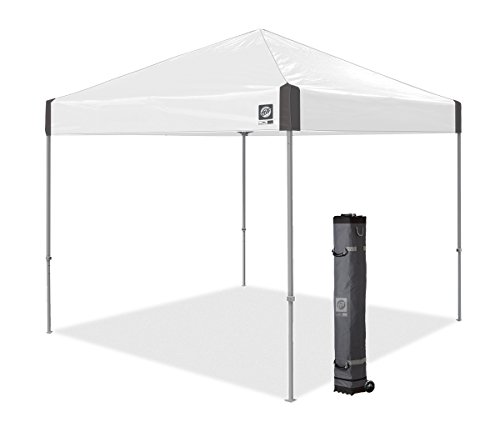
E-Z UP Pyramid 10x10Canopy | — | 10x10listing | 100 sq ftlisting | 125 inlisting | — | Check price |
E-Z UP Pyramid 10x10Canopy | — | 10x10listing | 100 sq ftlisting | 125 inlisting | — | Check price |
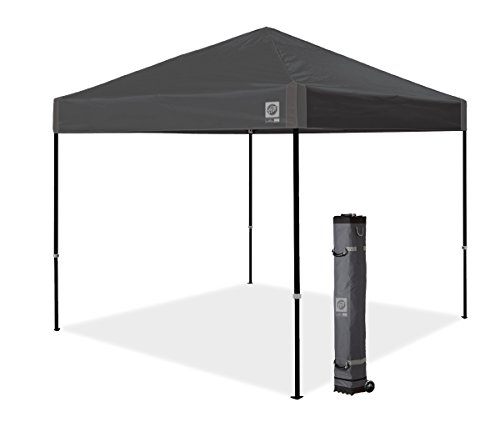
E-Z UP Ambassador 10x10Canopy | — | 10x10listing | 100 sq ftlisting | 114 inlisting | — | Check price |
E-Z UP Ambassador 10x10Canopy | — | 10x10listing | 100 sq ftlisting | 114 inlisting | — | Check price |
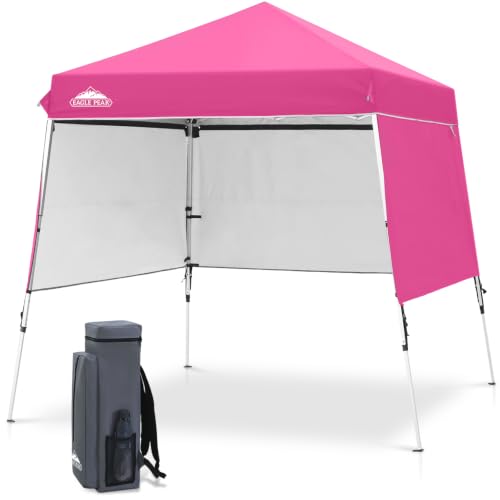
Eagle Peak 10x10 Heavy Duty Commercial CanopyCanopy More specs
| — | 10x10listing | 100 sq ftlisting | — | — | Check price |


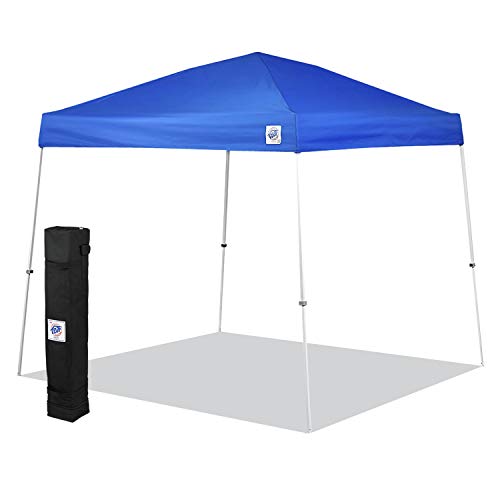



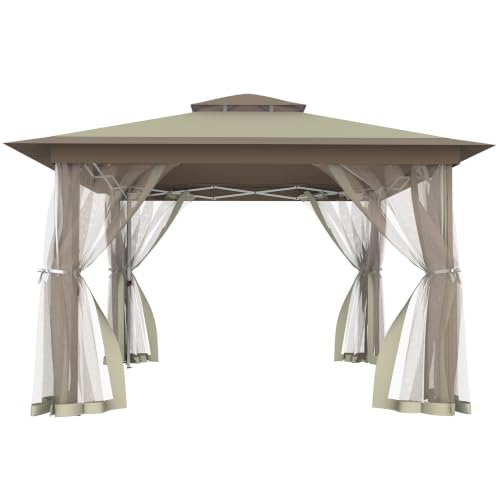
Gojooasis 10x10 Patio Gazebo CanopyCanopy More specs
| — | 10x10listing | 100 sq ftlisting | — | — | Check price |
|---|---|---|---|---|---|---|
Gojooasis 10x10 Patio Gazebo Canopy GrayCanopy More specs
| — | 10x10listing | 100 sq ftlisting | — | — | Check price |
Gojooasis 10x10 Patio Gazebo Canopy RedCanopy More specs
| — | 10x10listing | 100 sq ftlisting | — | — | Check price |
Goplus 10x10 Pop-Up Canopy with Mesh NettingCanopy More specs
| — | 10x10listing | 100 sq ftlisting | — | — | Check price |
Kampkeeper Pop-Up Canopy with Screen Walls 10x10Canopy More specs
| — | 10x10listing | 100 sq ftlisting | — | — | Check price |
Kampkeeper Pop-Up Canopy with 2 Sidewalls 10x10Canopy More specs
| — | 10x10listing | 100 sq ftlisting | — | — | Check price |
Kampkeeper Pop-Up Canopy with 2 Sidewalls 10x10Canopy More specs
| — | 10x10listing | 100 sq ftlisting | — | 210D polyesterlisting | Check price |
Outsunny 210D Oxford Pop Up Canopy with Netting 10x10Canopy More specs
| — | — | 100 sq ftlisting | 100.8 inlisting | 210D Oxfordlisting | Check price |
Outsunny Pop Up Canopy with Netting 10x10Canopy More specs
| — | 10x10listing | 100 sq ftlisting | 104.4 inlisting | — | Check price |
Outsunny Pop Up Canopy with Netting 10x10Canopy More specs
| — | — | 100 sq ftlisting | 104.4 inlisting | — | Check price |
Ozark Trail Instant Gazebo 10x10Canopy More specs
| Steellisting | 10x10listing | 100 sq ftlisting | — | heavy-duty polyesterlisting | Check price |
unp Easy Beach Tent Pop Up Canopy 10x10Canopy More specs
| — | 10x10listing | 100 sq ftlisting | — | — | Check price |
VEVOR Pop Up Canopy with 3 Sidewalls 10x10Canopy More specs
| — | 10x10listing | 100 sq ftlisting | — | — | Check price |
| Steellisting | — | 100 sq ftlisting | — | — | Check price | |
Campros CP CP Screen House 12 x 10 FtCanopy More specs
| — | Otherlisting | 120 sq ftlisting | 90 inlisting | 190T polyesterlisting | Check price |
Campros CP CP Screen House 12 x 10 FtCanopy More specs
| — | Otherlisting | 120 sq ftlisting | 90 inlisting | 190T polyesterlisting | Check price |
| — | Otherlisting | 120 sq ftlisting | — | 300 denier polyesterlisting | Check price | |
Eagle Peak 11x11 Pop Up Gazebo with NettingCanopy More specs
| — | Otherlisting | 121 sq ftlisting | — | 150D oxfordlisting | Check price |
Mastercanopy Pop Up Gazebo with Netting Screen Walls 11x11Canopy More specs
| — | 10x10listing | 121 sq ftlisting | — | 150D polyesterlisting | Check price |
Campros CP CP Screen House 13 x 13 FtCanopy More specs
| — | 13x13listing | 134 sq ftlisting | 86 inlisting | 190T polyesterlisting | Check price |
Campros CP CP Screen House 13 x 13 FtCanopy More specs
| — | 13x13listing | 134 sq ftlisting | 86 inlisting | 190T polyesterlisting | Check price |
Coleman Gazebo Event ShelterCanopy More specs
| Steellisting | Otherlisting | 140 sq ftlisting | 89.8 inlisting | — | Check price |
| — | Otherlisting | 140 sq ftlisting | — | — | Check price | |
Campros CP CP Screen House 12 x 12 FtCanopy More specs
| — | 12x12listing | 144 sq ftlisting | 92 inlisting | 190T polyesterlisting | Check price |
Campros CP CP Screen House 12 x 12 FtCanopy More specs
| — | 12x12listing | 144 sq ftlisting | 92 inlisting | 190T polyesterlisting | Check price |
| — | 12x12listing | 144 sq ftlisting | — | 150D silver-coatedlisting | Check price | |
Eagle Peak 12x12 Pop Up Canopy with AwningCanopy More specs
| — | 12x12listing | 144 sq ftlisting | — | — | Check price |
| Steellisting | 12x12listing | 144 sq ftlisting | — | — | Check price | |
| — | 12x12listing | 144 sq ftlisting | 90 inlisting | — | Check price | |
| Steellisting | — | 150 sq ftlisting | 134 inlisting | 300D polyesterlisting | Check price | |
Coleman Oasis Pop-Up Canopy 13x13Canopy More specs
| Steellisting | 13x13listing | 169 sq ftlisting | — | — | Check price |
| — | 13x13listing | 169 sq ftlisting | 115 inlisting | — | Check price | |
Coleman Oasis Instant Pop-Up CanopyCanopy More specs
| Steellisting | 13x13listing | 169 sq ftlisting | — | — | Check price |
Crown Shades 13x13 Pop Up CanopyCanopy More specs
| — | 13x13listing | 169 sq ftlisting | — | 150D silver-coatedlisting | Check price |
Eagle Peak 13x13 Pop Up CanopyCanopy More specs
| Steellisting | 13x13listing | 169 sq ftlisting | — | — | Check price |
Eagle Peak 13x13 Canopy with Mesh NettingCanopy More specs
| — | 13x13listing | 169 sq ftlisting | — | — | Check price |
Eagle Peak 13x13 Pop Up CanopyCanopy More specs
| — | 13x13listing | 169 sq ftlisting | — | — | Check price |
Eagle Peak 13x13 Pop Up CanopyCanopy More specs
| — | 13x13listing | 169 sq ftlisting | — | — | Check price |
Outsunny Pop Up Canopy with 4 Sidewalls 10x20Canopy More specs
| — | 10x20listing | 186.24 sq ftlisting | — | — | Check price |
Hoteel 10x20 Pop-Up Canopy Hexagonal FrameCanopy More specs
| Steellisting | 10x20listing | 200 sq ftlisting | — | 420D Oxfordlisting | Check price |
Quictent Pop Up Canopy with 6 Cathedral Sidewalls 10x20Canopy More specs
| — | 10x20listing | 200 sq ftlisting | — | 420D Oxford, silver coatedlisting | Check price |
unp Easy Beach Tent Pop Up Canopy 15x15Canopy More specs
| — | Otherlisting | 225 sq ftlisting | — | — | Check price |
| — | 10x10listing | 230 sq ftlisting | — | — | Check price | |
| Steellisting | 10x10listing | — | — | 300D PU polyesterlisting | Check price | |
| Steellisting | 10x10listing | — | — | — | Check price | |
| — | 10x10listing | — | — | — | Check price | |
| — | 10x10listing | — | — | — | Check price | |
| — | 10x20listing | — | — | — | Check price | |
| — | 10x10listing | — | — | — | Check price | |
Abccanopy Enclosed Pop Up Canopy 10x10 with Zippered WallsCanopy More specs
| Steellisting | 10x10listing | — | — | — | Check price |
Abccanopy Heavy Duty Pop Up Canopy with Storage Sidewall 10x10Canopy More specs
| — | 10x10listing | — | — | — | Check price |
Alpha Camp 13x9ft Screen Tent House RoomCanopy More specs
| — | Otherlisting | — | — | — | Check price |
Alvantor Screen House Room 12x12Canopy More specs
| Fiberglasslisting | 12x12listing | — | 90 inlisting | — | Check price |
Alvantor Screen House Hexagon 10x10Canopy More specs
| Fiberglasslisting | 10x10listing | — | 84 inlisting | — | Check price |
Alvantor Screen House Room 15x15Canopy More specs
| Fiberglasslisting | Otherlisting | — | 102 inlisting | — | Check price |
| — | 10x10listing | — | — | — | Check price | |
| — | 12x12listing | — | — | — | Check price | |
Alvantor Screen House Room 12x12Canopy More specs
| Fiberglasslisting | 12x12listing | — | 90 inlisting | — | Check price |
Alvantor Screen House Room 12x12Canopy More specs
| Fiberglasslisting | 12x12listing | — | 90 inlisting | — | Check price |
Alvantor Pop Up Screen Tent House RoomCanopy More specs
| — | — | — | — | — | Check price |
Alvantor Pop Up Screen Tent House RoomCanopy More specs
| Fiberglasslisting | — | — | — | — | Check price |
Alvantor Pop Up Igloo Screen HouseCanopy More specs
| Fiberglasslisting | Otherlisting | — | — | — | Check price |
Alvantor Screen House Mesh Tent 10x10Canopy More specs
| — | 10x10listing | — | 84 inlisting | — | Check price |
Alvantor 4-in-1 Pop Up Screen House 6x6Canopy More specs
| — | Otherlisting | — | — | — | Check price |
Alvantor 2-in-1 Pop Up Screen House GazeboCanopy More specs
| — | Otherlisting | — | — | — | Check price |
Aoxun 12x12 Pop Up Gazebo Screen TentCanopy More specs
| Fiberglasslisting | 12x12listing | — | — | 300D Oxfordlisting | Check price |
Aoxun Pop Up Canopy 10x20 with 6 SidewallsCanopy More specs
| — | 10x20listing | — | — | 210D polyester PUlisting | Check price |
| Steellisting | 10x20listing | — | — | 420D Oxfordlisting | Check price | |
Aoxun Pop Up Canopy 10x20 with Mesh WindowsCanopy More specs
| — | 10x20listing | — | — | 420D Oxfordlisting | Check price |
Aoxun Pop Up Canopy 10x30 with 6 SidewallsCanopy More specs
| — | Otherlisting | — | — | 210D polyester PUlisting | Check price |
| Steellisting | 10x10listing | — | 125 inlisting | — | Check price | |
| Steellisting | 10x10listing | — | — | 150D polyesterlisting | Check price | |
| Steellisting | 12x12listing | — | — | 150D polyesterlisting | Check price | |
Caravan V Series 2 10x10Canopy | Steellisting | 10x10listing | — | — | — | Check price |
| — | 10x10listing | — | 108 inlisting | 150D polyesterlisting | Check price | |
Caravan Haven Sport HVS130 12 ft CanopyCanopy More specs
| Steellisting | Otherlisting | — | — | 300D polyesterlisting | Check price |
Caravan V-Series 2 12x12 with SidewallsCanopy More specs
| Steellisting | 12x12listing | — | — | — | Check price |
Clam Quick-Set Pavilion 12.5' Screen TentCanopy More specs
| — | Otherlisting | — | — | — | Check price |
Clam Escape Screen Tent 11.5 FtCanopy More specs
| Fiberglasslisting | Otherlisting | — | — | 210D poly-oxfordlisting | Check price |
Clam Pavilion Screen Tent 12.5 FtCanopy More specs
| Fiberglasslisting | Otherlisting | — | — | 210D poly-oxfordlisting | Check price |
Clam Venture Screen Tent 9 x 9 FtCanopy More specs
| Fiberglasslisting | Otherlisting | — | — | 210D poly-oxfordlisting | Check price |
| — | Otherlisting | — | — | — | Check price | |
Clam Adventure Screen Tent 9 x 9 Ft GrayCanopy More specs
| — | Otherlisting | — | — | — | Check price |
Clam Quick-Set Pavilion 12.5' Screen Tent BrownCanopy More specs
| — | Otherlisting | — | — | — | Check price |
| — | 10x20listing | — | — | 420D Oxfordlisting | Check price | |
| — | 10x10listing | — | — | 420D Oxfordlisting | Check price | |
Cobizi 10x10 Heavy Duty Pop Up Canopy with SidewallsCanopy More specs
| — | 10x10listing | — | — | 420Dlisting | Check price |
Cobizi 10x20 Pop Up Canopy with 6 SidewallsCanopy More specs
| Steellisting | 10x20listing | — | — | — | Check price |
Cobizi 10x15 Heavy Duty Pop Up Canopy with Mosquito NettingCanopy More specs
| Steellisting | 10x15listing | — | — | 420D Oxfordlisting | Check price |
Cobizi 10x20 Pop Up Canopy with 6 SidewallsCanopy More specs
| — | 10x20listing | — | — | — | Check price |
Cobizi 10x10 Pop Up Canopy with Glow StripsCanopy More specs
| — | 10x10listing | — | — | — | Check price |
Cobizi 10x15 Pop Up Canopy with 4 SidewallsCanopy More specs
| Steellisting | 10x15listing | — | — | 420D PU-coated Oxfordlisting | Check price |
Cobizi 10x20 Pop Up Canopy with 6 SidewallsCanopy More specs
| — | 10x20listing | — | — | 210D Oxfordlisting | Check price |
Cobizi 10x10 Pop Up Canopy with Sidewalls GreyCanopy More specs
| — | 10x10listing | — | — | — | Check price |
| Steellisting | 10x15listing | — | — | 420D Oxfordlisting | Check price | |
| Steellisting | 10x20listing | — | — | — | Check price | |
Cobizi 10x10 Pop Up Canopy with 4 Removable SidewallsCanopy More specs
| — | 10x10listing | — | — | — | Check price |
| — | 12x12listing | — | — | — | Check price | |
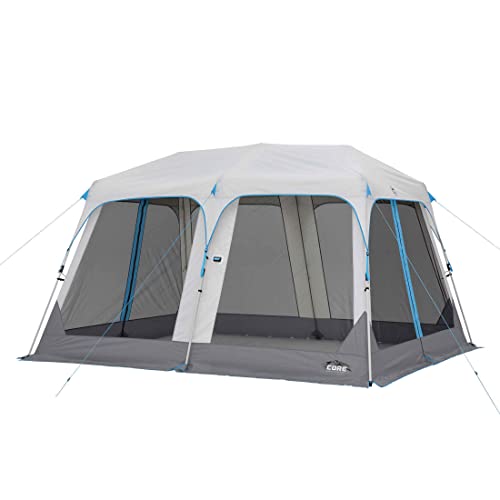
Core 12 x 10 Instant Screen HouseCanopy More specs
| — | Otherlisting | — | 84 inlisting | 150D polyesterlisting | Check price |
Core 12x10 Lighted Instant Screen HouseCanopy More specs
| — | Otherlisting | — | 84 inlisting | 150D polyesterlisting | Check price |
Core 10 x 10 Center Push Instant CanopyCanopy More specs
| — | 10x10listing | — | — | 150D silver-coatedlisting | Check price |
Core 13 x 13 Center Push Eaved CanopyCanopy More specs
| — | 13x13listing | — | — | 150D silver-coatedlisting | Check price |
Core 10' x 30' Party Tent with 8 SidewallsCanopy More specs
| — | Otherlisting | — | — | polyethylene (PE)listing | Check price |
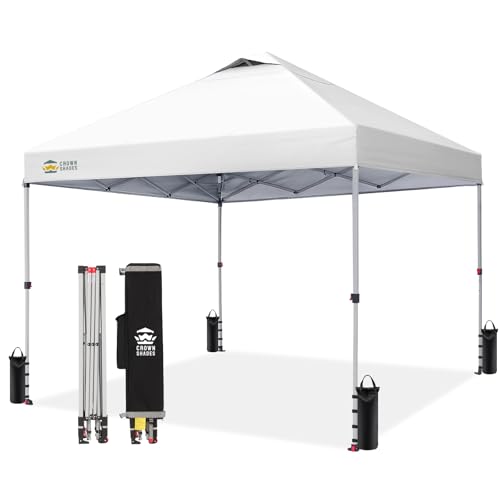
Crown Shades 10x10 One Push Pop Up CanopyCanopy More specs
| — | 10x10listing | — | — | 150Dlisting | Check price |
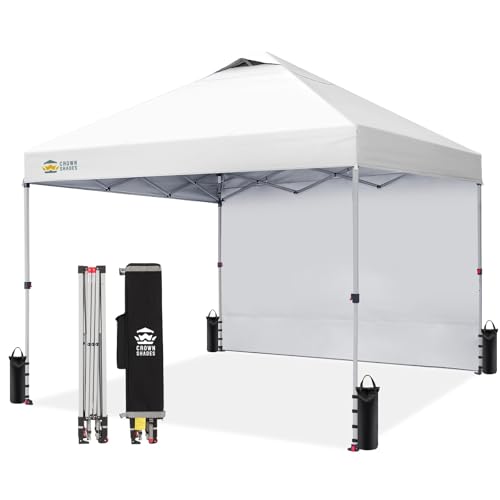
Crown Shades 10x10 Pop Up Canopy with Side WallCanopy More specs
| — | 10x10listing | — | — | 150D silver-coatedlisting | Check price |
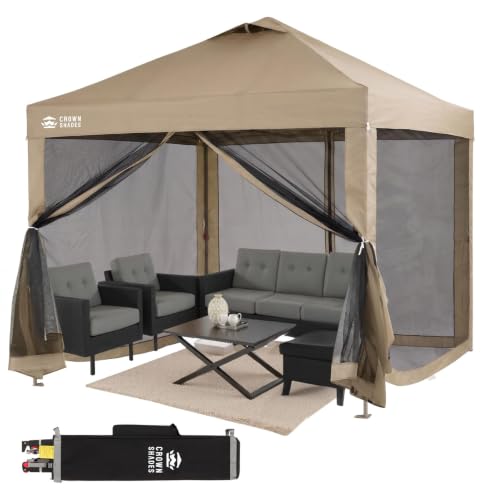
Crown Shades Gazebo 10x10 with Mosquito NettingCanopy More specs
| Steellisting | 10x10listing | — | — | 150D Oxfordlisting | Check price |
Crown Shades 8x8 Pop Up Canopy with Side WallCanopy More specs
| — | Otherlisting | — | — | 150D silver-coatedlisting | Check price |
Crown Shades 12x12 Pop Up Canopy with Side WallCanopy More specs
| — | 12x12listing | — | — | 150D silver-coatedlisting | Check price |
Crown Shades 10x10 Food Tent Pop Up CanopyCanopy More specs
| — | 10x10listing | — | — | 400Dlisting | Check price |
| — | 10x10listing | — | — | — | Check price | |
| — | 10x10listing | — | — | — | Check price | |
Crown Shades 10x10 Pop Up Canopy with Game NettingCanopy More specs
| — | 10x10listing | — | — | — | Check price |
| — | Otherlisting | — | — | 400D Oxfordlisting | Check price | |
| — | 10x10listing | — | — | — | Check price | |
Crown Shades 10x10 Commercial Pop Up Canopy with Side WallCanopy More specs
| — | 10x10listing | — | — | 400D PU coatedlisting | Check price |
E-Z UP Vantage 10x10Canopy | Steellisting | 10x10listing | — | 137 inlisting | — | Check price |
E-Z UP Patriot ONE-UP 10x10Canopy More specs
| Steellisting | 10x10listing | — | — | — | Check price |
Eagle Peak 10x10 Pop Up CanopyCanopy More specs
| Steellisting | 10x10listing | — | — | 150D oxfordlisting | Check price |
| Steellisting | Otherlisting | — | — | 150D oxfordlisting | Check price | |
Eagle Peak 8x8 Backpack CanopyCanopy More specs
| Steellisting | Otherlisting | — | — | 190T Oxfordlisting | Check price |
Eagle Peak 10x10 Pop Up Canopy with SidewallCanopy More specs
| — | 10x10listing | — | — | 150D silver coated oxfordlisting | Check price |
| Steellisting | 12x12listing | — | — | 150D oxfordlisting | Check price | |
Eagle Peak Day Tripper 8x8Canopy More specs
| Aluminumlisting | Otherlisting | — | — | — | Check price |
Eagle Peak 10x10 Compact Slant Leg CanopyCanopy More specs
| Steellisting | 10x10listing | — | — | 190T Oxfordlisting | Check price |
Eagle Peak 8x8 Pop Up Canopy with SidewallCanopy More specs
| — | Otherlisting | — | — | 150D silver coated oxfordlisting | Check price |
| Steellisting | 10x10listing | — | — | 420D PU-coatedlisting | Check price | |
| — | 10x10listing | — | — | — | Check price | |
Eagle Peak 10x10 Canopy and Folding Table BundleCanopy More specs
| — | 10x10listing | — | — | 150D oxfordlisting | Check price |
Eagle Peak 6.6x6.6 Pop Up Canopy with SidewallCanopy More specs
| — | Otherlisting | — | — | 150D silver coated oxfordlisting | Check price |
Eagle Peak 6x4 Pop Up CanopyCanopy More specs
| Steellisting | Otherlisting | — | — | 150D oxfordlisting | Check price |
Eagle Peak 6x4 Pop Up Canopy with 4 SidewallsCanopy More specs
| Steellisting | Otherlisting | — | — | 150D oxfordlisting | Check price |
Eagle Peak 8x8 Pop Up Canopy with SidewallCanopy More specs
| Steellisting | Otherlisting | — | — | 190T Oxfordlisting | Check price |
Eagle Peak Heavy Duty 10x10 with 4 SidewallsCanopy More specs
| — | 10x10listing | — | — | — | Check price |
East Oak Pop-Up Screen House 10x10Canopy More specs
| — | 10x10listing | — | — | — | Check price |
East Oak Pop Up Screen House 6x6Canopy More specs
| — | Otherlisting | — | — | — | Check price |
East Oak Pop Up Screen House 12x12Canopy More specs
| — | 12x12listing | — | — | — | Check price |
East Oak Pop-Up Screen House 4x4Canopy More specs
| — | Otherlisting | — | — | — | Check price |
East Oak Pop-Up Screen House 6x6Canopy More specs
| — | Otherlisting | — | — | — | Check price |
East Oak Pop-Up Screen House 6x6Canopy More specs
| — | Otherlisting | — | — | — | Check price |
East Oak Screen House 10x10 with Floor MatCanopy More specs
| — | 10x10listing | — | — | — | Check price |
East Oak Screen House 12x12 with Floor MatCanopy More specs
| — | 12x12listing | — | — | 300D Oxfordlisting | Check price |
East Oak Screen House 10x10 with Sun Shade SailsCanopy More specs
| — | 10x10listing | — | — | — | Check price |
East Oak Screen House 10x10 with Sun Shade SailsCanopy More specs
| — | 10x10listing | — | — | — | Check price |
East Oak Screen House 6x6 with Sun Shade SailsCanopy More specs
| — | Otherlisting | — | — | — | Check price |
East Oak Screen House 12x12 with Sun Shade SailsCanopy More specs
| — | 12x12listing | — | — | — | Check price |
East Oak 12x12 Pop Up Canopy with MeshCanopy More specs
| — | 12x12listing | — | — | — | Check price |
East Oak 6x6 Pop Up Canopy with MeshCanopy More specs
| — | Otherlisting | — | — | — | Check price |
East Oak 10x10 Pop Up Canopy with Mesh WallsCanopy More specs
| — | 10x10listing | — | — | — | Check price |
| — | — | — | — | — | Check price | |
| Steellisting | Otherlisting | — | — | 350GSM PVClisting | Check price | |
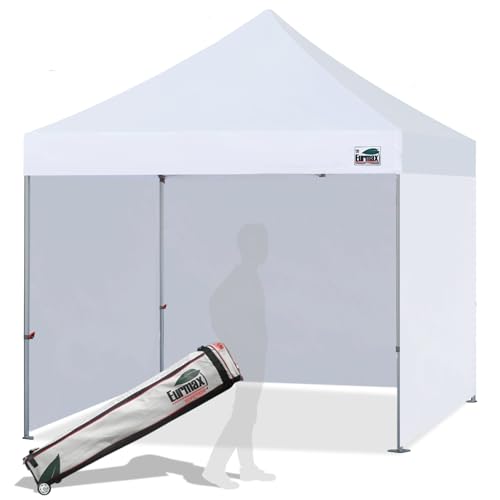
Eurmax Superior 10x10Canopy | — | 10x10listing | — | — | — | Check price |
Eurmax Superior 10x10 with Side WallsCanopy More specs
| — | 10x10listing | — | — | — | Check price |
Eurmax 10x10 Commercial Pop Up CanopyCanopy More specs
| — | 10x10listing | — | — | — | Check price |
| — | 10x10listing | — | — | — | Check price | |
Eurmax 10x10 Canopy with AwningCanopy More specs
| Steellisting | 10x10listing | — | — | — | Check price |
Eurmax 10x10 Booth CanopyCanopy More specs
| — | 10x10listing | — | 133 inlisting | — | Check price |
Eurmax 10x20 Commercial Pop Up CanopyCanopy More specs
| — | 10x20listing | — | 132 inlisting | — | Check price |
| — | 10x15listing | — | 132 inlisting | — | Check price | |
| — | 10x20listing | — | 132 inlisting | — | Check price | |
Eurmax 10x15 Commercial Pop Up CanopyCanopy More specs
| — | 10x15listing | — | 132 inlisting | — | Check price |
| — | 10x10listing | — | — | — | Check price | |
Eurmax 10x10 Commercial Canopy with 4 WallsCanopy More specs
| — | 10x10listing | — | — | — | Check price |
| — | 10x10listing | — | — | — | Check price | |
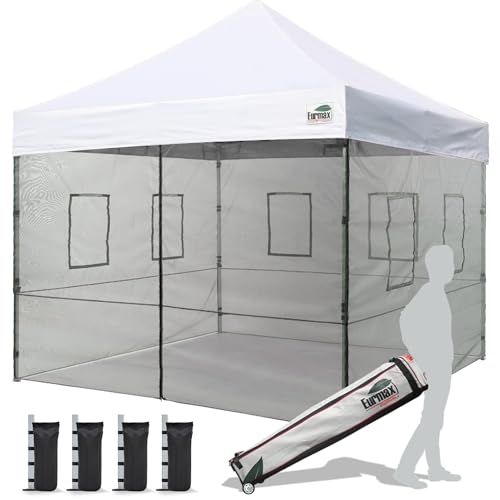
Eurmax 10x10 Canopy with Food Service WallsCanopy More specs
| — | 10x10listing | — | — | — | Check price |
| — | 10x10listing | — | — | — | Check price | |
Ever Advanced Pop Up Gazebo Screen House 11.5 ftCanopy More specs
| — | Otherlisting | — | — | 200D polyesterlisting | Check price |
Ever Advanced Pop Up Screen House 11.5 x 9.8 ftCanopy More specs
| Fiberglasslisting | Otherlisting | — | — | — | Check price |
Ever Advanced Pop Up Screen House 11.5 x 9.8 ftCanopy More specs
| Fiberglasslisting | Otherlisting | — | — | — | Check price |
| — | Otherlisting | — | — | — | Check price | |
Ever Advanced Magnetic Screen House 11x9 ftCanopy More specs
| — | Otherlisting | — | 90 inlisting | — | Check price |
Gazelle Tents G6 Cool Top GazeboCanopy More specs
| — | — | — | — | 210 denier Oxfordlisting | Check price |
Gazelle Tents G5 5-Sided Gazebo TriTech MeshCanopy More specs
| — | Otherlisting | — | — | 210D Oxford polyesterlisting | Check price |
Gazelle Tents G6 6-Sided Gazebo TriTech MeshCanopy More specs
| — | Otherlisting | — | — | 210D Oxford polyesterlisting | Check price |
GCI Outdoor LevrUp Pop-Up Canopy 10x10Canopy More specs
| — | 10x10listing | — | — | — | Check price |
| — | Otherlisting | — | — | — | Check price | |
Gojooasis Patio Gazebo 10x10 with Mosquito NettingCanopy More specs
| — | 10x10listing | — | — | — | Check price |
Gojooasis Patio Gazebo 10x10 with Mosquito NettingCanopy More specs
| — | 10x10listing | — | — | — | Check price |
| — | Otherlisting | — | — | — | Check price | |
| — | 10x10listing | — | — | — | Check price | |
Goplus 10x10 Pop-Up Canopy with 1 SidewallCanopy More specs
| — | 10x10listing | — | — | — | Check price |
| — | 10x10listing | — | — | — | Check price | |
| — | 10x10listing | — | — | — | Check price | |
Goplus 11x11 Pop-Up Screen GazeboCanopy More specs
| — | Otherlisting | — | — | — | Check price |
| — | 10x10listing | — | — | — | Check price | |
| — | 10x10listing | — | — | — | Check price | |
| — | 10x10listing | — | — | — | Check price | |
| — | Otherlisting | — | — | — | Check price | |
Hoteel 10x20 Pop-Up Canopy with SidewallsCanopy More specs
| — | 10x20listing | — | — | — | Check price |
Hoteel 10x10 Pop-Up Canopy GrayCanopy More specs
| — | 10x10listing | — | — | 420D oxfordlisting | Check price |
Hoteel 10x20 Pop-Up Canopy with 6 SidewallsCanopy More specs
| Steellisting | 10x20listing | — | — | 420D oxfordlisting | Check price |
Hoteel 10x15 Pop-Up Canopy with 4 SidewallsCanopy More specs
| Steellisting | 10x15listing | — | — | 420D oxfordlisting | Check price |
Hoteel 10x10 Pop-Up Canopy with 4 SidewallsCanopy More specs
| — | 10x10listing | — | — | 420D Oxfordlisting | Check price |
Impact 8x8 Pop-Up Canopy Carnival Tent KitCanopy More specs
| Steellisting | Otherlisting | — | 132 inlisting | 500D polyesterlisting | Check price |
| Aluminumlisting | 10x10listing | — | — | 210D polyesterlisting | Check price | |
Impact 10x10 Pop-Up Canopy Carnival Tent KitCanopy More specs
| Steellisting | 10x10listing | — | — | 500D polyesterlisting | Check price |
| Steellisting | 10x10listing | — | — | 500D polyesterlisting | Check price | |
| Steellisting | Otherlisting | — | — | 500D polyesterlisting | Check price | |
Impact 10x10 Canopy Kit with 4 SidewallsCanopy More specs
| Steellisting | 10x10listing | — | — | 400Dlisting | Check price |
| Steellisting | 10x20listing | — | — | 500D polyesterlisting | Check price | |
Impact Straight-Leg Pop-Up Canopy 10x10Canopy More specs
| Steellisting | 10x10listing | — | 132 inlisting | — | Check price |
| Steellisting | Otherlisting | — | — | 210D polyesterlisting | Check price | |
Impact 6x6 Pop Up TentCanopy More specs
| Steellisting | Otherlisting | — | — | 210D polyurethane coated polyesterlisting | Check price |
| Steellisting | 10x20listing | — | — | — | Check price | |
| Steellisting | 10x10listing | — | — | 150D Oxford silver-coatedlisting | Check price | |
Kampkeeper Pop Up Canopy with 2 Sidewalls 10x10Canopy More specs
| — | 10x10listing | — | — | — | Check price |
Kampkeeper Pop Up Canopy with 2 Sidewalls 10x10Canopy More specs
| — | 10x10listing | — | — | — | Check price |
Kampkeeper Pop Up Canopy with 1 Sidewall 10x10Canopy More specs
| — | 10x10listing | — | — | — | Check price |
Kodiak Canvas Screen House 10x14Canopy More specs
| — | Otherlisting | — | — | 8.5 oz rip-stop poly-cotton canvaslisting | Check price |
Mastercanopy 10x10 Pop Up Canopy Vented TopCanopy More specs
| — | 10x10listing | — | — | — | Check price |
Mastercanopy 10x10 Pop Up Canopy with 1 SidewallCanopy More specs
| — | 10x10listing | — | — | — | Check price |
| — | 10x10listing | — | — | — | Check price | |
| — | 10x10listing | — | — | — | Check price | |
Mastercanopy Pop Up Canopy with Netting Walls 10x10Canopy More specs
| Steellisting | 10x10listing | — | — | — | Check price |
Mastercanopy Pop Up Canopy with Church Windows 10x20Canopy More specs
| — | 10x20listing | — | — | — | Check price |
Mastercanopy Pop Up Gazebo Screen Room 10x10Canopy More specs
| — | 10x10listing | — | 90 inlisting | — | Check price |
Mastercanopy Slant Leg Gazebo Canopy with Netting 10x10Canopy More specs
| — | — | — | — | — | Check price |
| — | 13x13listing | — | — | — | Check price | |
| — | — | — | — | — | Check price | |
| — | — | — | — | — | Check price | |
| — | — | — | — | — | Check price | |
Outsunny Hexagonal Pop Up Gazebo 13x13Canopy More specs
| Steellisting | 13x13listing | — | — | — | Check price |
Outsunny Patio Gazebo with Netting 9.6x9.6Canopy More specs
| Steellisting | Otherlisting | — | — | — | Check price |
Outsunny Hexagon Screen House Pop Up 12x12Canopy More specs
| — | 12x12listing | — | — | — | Check price |
| Steellisting | 10x20listing | — | — | — | Check price | |
| Steellisting | Otherlisting | — | — | — | Check price | |
| — | Otherlisting | — | — | — | Check price | |
Outsunny Double Roof Pop Up Canopy 330x330 cmCanopy More specs
| Steellisting | Otherlisting | — | — | — | Check price |
Outsunny Heavy Duty Pop Up Canopy with Sidewall 10x10Canopy More specs
| — | 10x10listing | — | — | — | Check price |
Outsunny Pop Up Canopy with 2 Half Sidewalls 10x10Canopy More specs
| — | 10x10listing | — | — | — | Check price |
| Steellisting | Otherlisting | — | — | — | Check price | |
| Steellisting | Otherlisting | — | — | — | Check price | |
Outsunny Pop Up Canopy with Sidewalls 10x10Canopy More specs
| — | 10x10listing | — | — | 210D Oxford, silver and PU coatedlisting | Check price |
Outsunny Patio Gazebo with Double Roof 10x12Canopy More specs
| Steellisting | Otherlisting | — | — | — | Check price |
| — | 10x10listing | — | — | 210D Oxfordlisting | Check price | |
Outsunny Pop Up Canopy with Sidewalls 9.6x9.6Canopy More specs
| — | Otherlisting | — | — | 210D Oxford, silver coatedlisting | Check price |
| — | Otherlisting | — | — | — | Check price | |
Quictent Pop up Canopy 10x10 with 4 Window SidewallsCanopy More specs
| — | 10x10listing | — | — | — | Check price |
Quictent Pop up Screened Canopy 8x8Canopy More specs
| — | Otherlisting | — | — | — | Check price |
| Steellisting | Otherlisting | — | — | — | Check price | |
| Steellisting | Otherlisting | — | — | — | Check price | |
| Steellisting | Otherlisting | — | — | — | Check price | |
| — | Otherlisting | — | — | — | Check price | |
| Steellisting | Otherlisting | — | — | — | Check price | |
| — | Otherlisting | — | — | — | Check price | |
| Steellisting | Otherlisting | — | — | — | Check price | |
Quictent Heavy Duty Pop up Canopy with 3 Sidewalls 10x10Canopy More specs
| — | 10x10listing | — | — | 600D PU coatedlisting | Check price |
Quictent Privacy Pop Up Canopy with 4 Sidewalls 10x10Canopy More specs
| — | 10x10listing | — | — | — | Check price |
| Steellisting | Otherlisting | — | — | — | Check price | |
| — | Otherlisting | — | — | — | Check price | |
| — | Otherlisting | — | — | — | Check price | |
Quictent Privacy Pop Up Canopy 6.6x6.6 with 4 SidewallsCanopy More specs
| — | Otherlisting | — | — | — | Check price |
Quictent Pop Up Canopy Without Sidewall 10x10Canopy More specs
| — | 10x10listing | — | — | — | Check price |
| Steellisting | Otherlisting | — | — | — | Check price | |
| Steellisting | Otherlisting | — | — | — | Check price | |
Quictent Pop Up Canopy 10x20 Open DesignCanopy More specs
| — | 10x20listing | — | — | 420Dlisting | Check price |
| — | 10x20listing | — | — | 500D silver coatedlisting | Check price | |
| — | Otherlisting | — | — | — | Check price | |
| Steellisting | 10x20listing | — | — | — | Check price | |
| Steellisting | Otherlisting | — | — | — | Check price | |
| — | 10x20listing | — | — | — | Check price | |
Quictent Heavy Duty Pop up Canopy 10x20 with 3 SidewallsCanopy More specs
| — | 10x20listing | — | — | 600D PU coatedlisting | Check price |
| — | Otherlisting | — | — | — | Check price | |
| Steellisting | 10x10listing | — | — | woven polyethylenelisting | Check price | |
| — | Otherlisting | — | — | — | Check price | |
| Steellisting | Otherlisting | — | — | 300 denier polyesterlisting | Check price | |
| Steellisting | 10x20listing | — | — | — | Check price | |
| Steellisting | 10x20listing | — | — | — | Check price | |
| — | Otherlisting | — | — | — | Check price | |
Sunnyglade Gazebo Canopy Soft Top 10x10Canopy More specs
| — | 10x10listing | — | — | polyesterlisting | Check price |
| — | — | — | — | — | Check price | |
Tangkula Gazebo Canopy 10x30 with 6 SidewallsCanopy More specs
| — | Otherlisting | — | — | — | Check price |
| Steellisting | 10x10listing | — | — | — | Check price | |
| — | Otherlisting | — | — | — | Check price | |
| — | Otherlisting | — | — | — | Check price | |
| — | 10x10listing | — | — | — | Check price | |
| — | Otherlisting | — | — | — | Check price | |
Tangkula Pop Up Canopy with Sidewalls 10x20Canopy More specs
| — | 10x20listing | — | — | — | Check price |
Tangkula Pop Up Gazebo with Netting 6.7x6.7Canopy More specs
| — | Otherlisting | — | — | 210D polyesterlisting | Check price |
Tangkula Party Tent with 4 Sidewalls 10x20Canopy More specs
| — | 10x20listing | — | — | — | Check price |
Tangkula Pop up Canopy with Sidewall 10x10 Vented TopCanopy More specs
| — | 10x10listing | — | — | — | Check price |
Tangkula Pop Up Canopy with 2 Sidewalls 10x10Canopy More specs
| Steellisting | 10x10listing | — | — | — | Check price |
Tangkula Pop Up Canopy Center Lock 7x7Canopy More specs
| — | Otherlisting | — | — | — | Check price |
Tangkula Pop Up Canopy 6x4 with Half SidewallCanopy More specs
| — | Otherlisting | — | — | — | Check price |
Tangkula Pop Up Canopy Center Lock 10x30Canopy More specs
| — | Otherlisting | — | — | — | Check price |
Tangkula Pop Up Canopy 6x4 with Half SidewallCanopy More specs
| — | Otherlisting | — | — | — | Check price |
Tangkula Pop Up Canopy Center Lock 9x9Canopy More specs
| — | Otherlisting | — | — | — | Check price |
| — | Otherlisting | — | — | — | Check price | |
| — | 12x12listing | — | — | — | Check price | |
| — | 12x12listing | — | — | — | Check price | |
| — | Otherlisting | — | — | — | Check price | |
VEVOR Pop Up Gazebo Screen Tent 12x12Canopy More specs
| — | 12x12listing | — | — | 300D oxfordlisting | Check price |
VEVOR Pop Up Gazebo Screen Tent 6x6Canopy More specs
| — | Otherlisting | — | — | 300D oxfordlisting | Check price |
VEVOR Pop Up Gazebo Screen Tent 11.5x11.5Canopy More specs
| — | Otherlisting | — | — | — | Check price |
VEVOR Pop Up Gazebo Screen Tent 10x10Canopy More specs
| — | 10x10listing | — | — | 300D oxfordlisting | Check price |
VEVOR Pop up Gazebo Screen Tent 12x12Canopy More specs
| — | 12x12listing | — | 86.4 inlisting | — | Check price |
VEVOR Pop up Gazebo Screen Tent 10x10Canopy More specs
| — | 10x10listing | — | 86.4 inlisting | — | Check price |
VEVOR Pop up Screen House Tent 10x9.2Canopy More specs
| — | Otherlisting | — | — | — | Check price |
VEVOR Screen House Tent 6x6Canopy More specs
| — | Otherlisting | — | — | — | Check price |
Vingli Pop Up Canopy with Nettings 10x20Canopy More specs
| — | 10x20listing | — | — | — | Check price |
Vingli Slant Leg Pop Up Canopy 6x6 with 1 SidewallCanopy More specs
| — | Otherlisting | — | — | — | Check price |
| — | 10x20listing | — | — | — | Check price | |
| Steellisting | 10x20listing | — | — | — | Check price | |
| — | 10x10listing | — | — | — | Check price | |
| — | Otherlisting | — | — | — | Check price | |
| — | Otherlisting | — | — | — | Check price | |
Vingli Slant Leg Pop Up Canopy 5x5 with 1 SidewallCanopy More specs
| — | Otherlisting | — | — | — | Check price |
| — | Otherlisting | — | — | — | Check price | |
| Steellisting | Otherlisting | — | — | — | Check price | |
| — | Otherlisting | — | — | — | Check price |


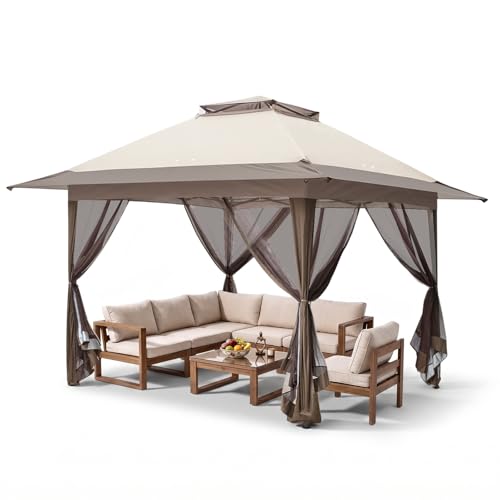


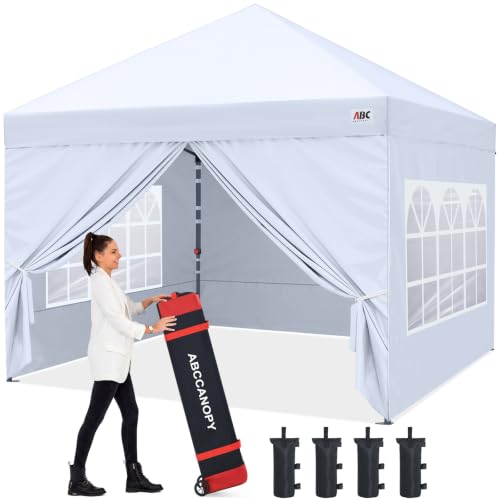


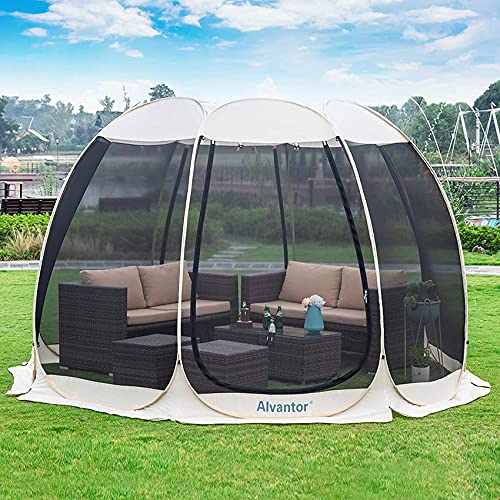


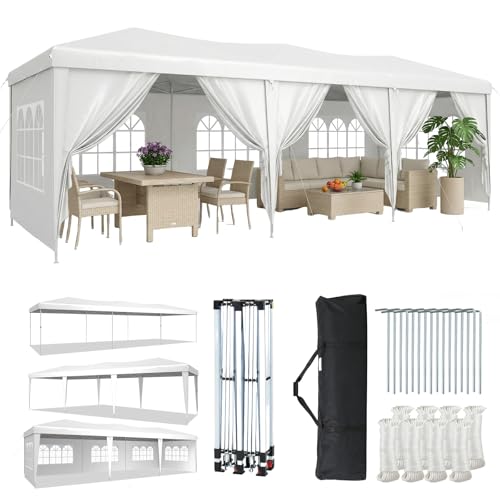














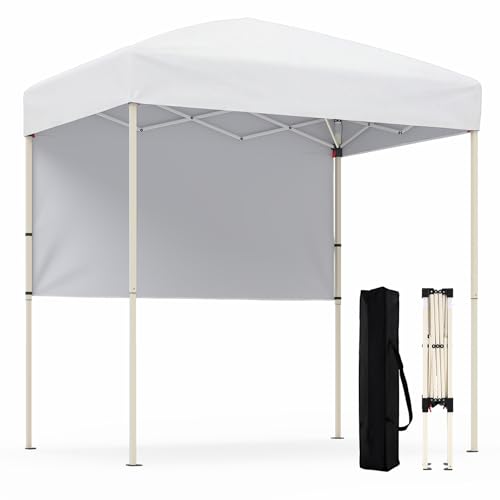


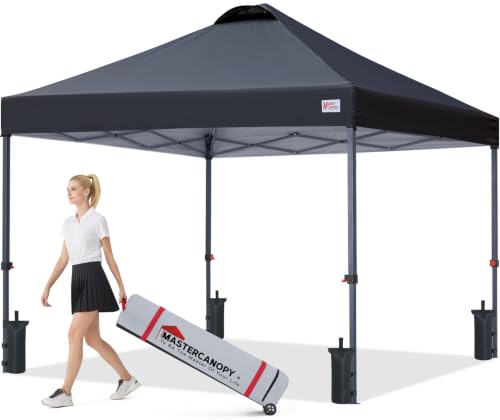


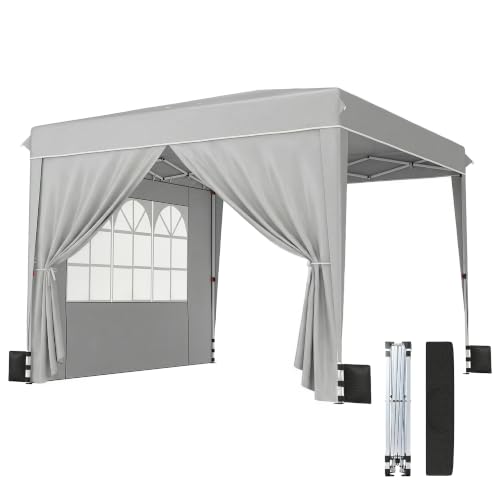


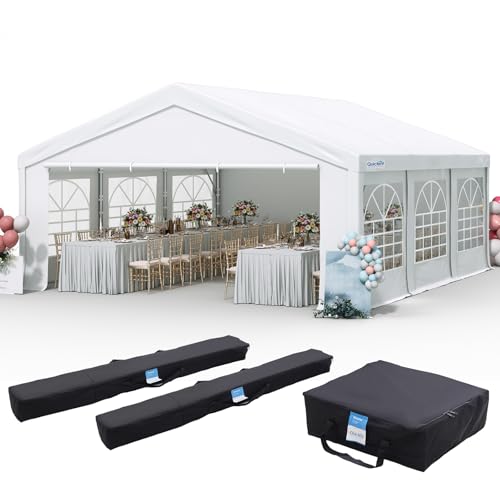


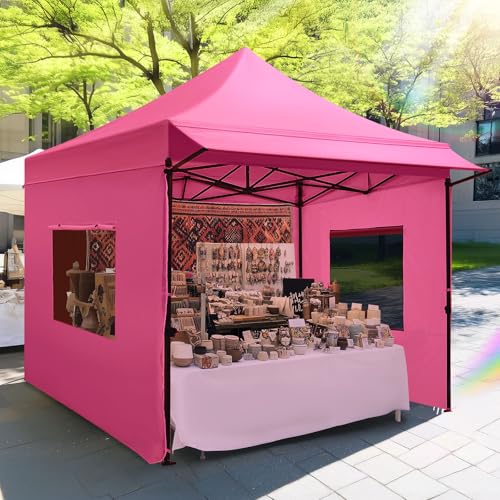


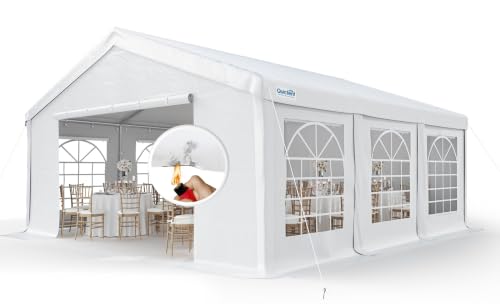


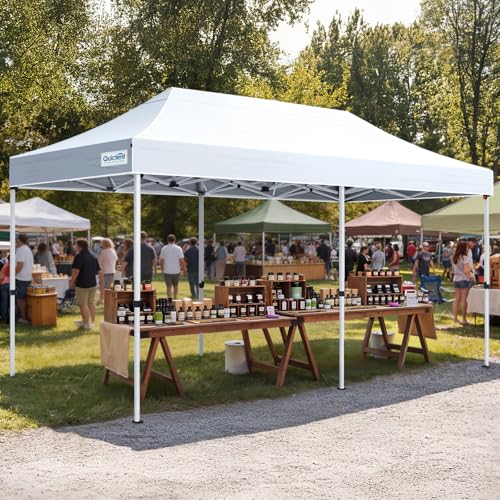
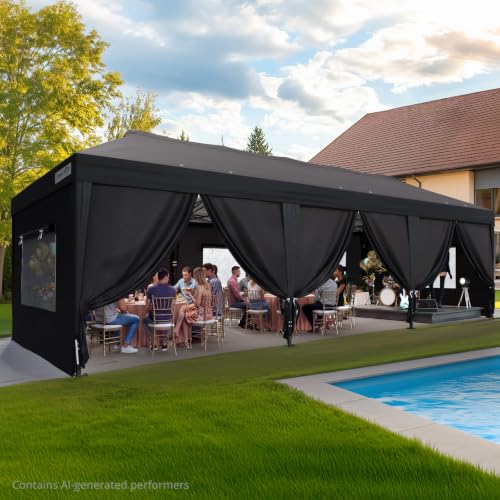


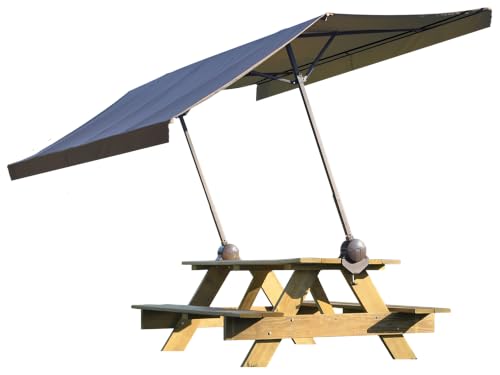


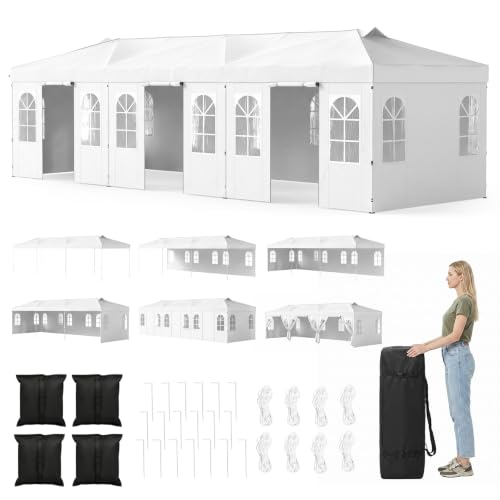


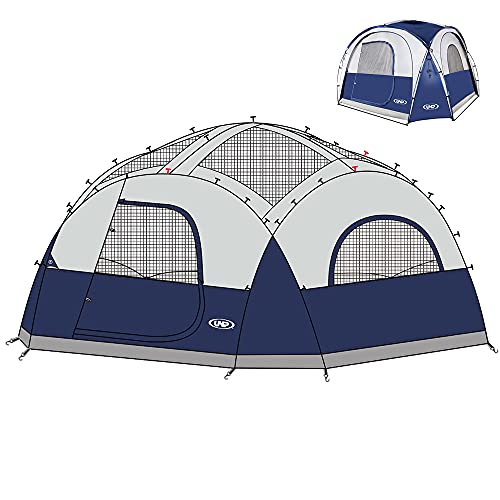


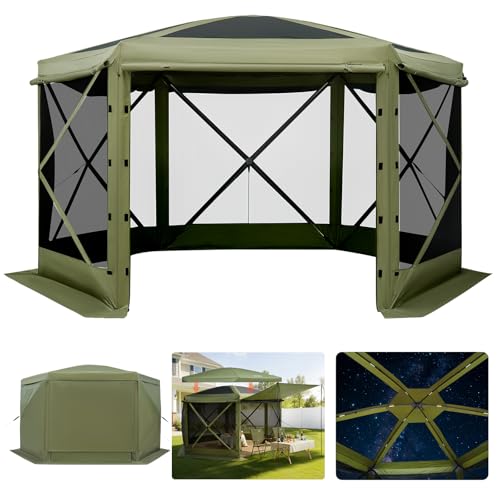
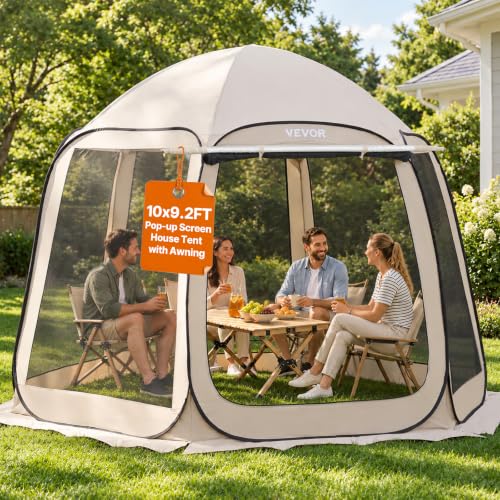


What’s in this listEvery pop-up canopy we track on Amazon US, by shade area. “—” means neither the maker nor the Amazon listing states it.
What a canopy tent is, and what it isn't
A canopy tent is a fabric top on a one-piece folding frame. One maker's FAQ describes the frame as unfolding like an accordion. You put the top on once, and it stays on the frame for every setup after that. The legs telescope, so you pick the height.
There's no floor, and there are no walls unless you add them. That same maker calls its shelters temporary and says not to leave them up for long stretches or unattended. Its tops are water resistant, not waterproof, and their main job is shade. Rule of thumb: a canopy is a porch roof you carry to the porch.
"Pop up canopy," "pop up canopy tent," "camping canopy" and "portable canopy tent" all mean the same thing on most listings. The words change. The frame doesn't.
Here's what one does at a deer camp:
- Cook station: shade and a dry roof over the camp table and stove
- Meat shade: Penn State Extension says to keep a deer carcass out of direct sunlight and cool it to 35 to 40°F, so shade helps, but it isn't a refrigerator
- Early-season camps: September bowhunting and spring turkey camps, when the sun is the problem
- Off-season: ball games, tailgates and the family reunion that somehow always lands on your weekend
The table on this page lists every pop-up canopy we track on Amazon US, largest shade area first. It shows the size, shade area, peak height, top fabric, UPF, sidewalls, vent, fire rating and frame as the maker or the Amazon listing states them; values read from the listing are marked. UPF and fire rating appear only when the maker states them. If neither lists a value, you get a dash, not a guess.
What to look at when you pick a canopy tent
Here's the order I'd check things in. Measure twice, buy once.
Read the size as the footprint at the legs
The size in the table is the footprint where the legs meet the ground, leg to leg. That's how makers state it. On a straight-leg frame the top is the same size as the footprint. On a slant-leg frame the legs splay out, so the top is smaller than the base. Makers that sell slant legs usually list both numbers. Look for the second one.
Shade area is the number that covers your chairs
Shade area is the square footage actually under the roof. One maker's slant-leg 10x10 lists 64 square feet of shaded area. Quick math: that's an 8 by 8 roof standing on a 10 by 10 footprint. A straight-leg 10x10 shades the full 100.
So two canopies with the same size on the bag can shade very different amounts of ground. The table sorts by shade area for that reason. Set your camp table and chairs out on the lawn and measure around them before you buy. A tape measure has never once lied to me.
Straight legs or slant legs changes footprint, stability and fit
A canopy maker's own comparison puts it this way. Slant legs have a wider stance, which the maker calls inherently more stable in bad weather. Straight legs take up less ground and let you set two canopies right next to each other, the way vendors line up at a farmers' market.
For a camp, I'd think about what you'll add later. One of that maker's camping enclosures is listed for straight-leg canopies only, and its screen enclosure comes in a separate angled-leg version. Accessories follow the leg style, not the size.
Peak height is the top; valance clearance is where your head meets it
The table shows peak height, the highest point of the roof. That's not the number your forehead finds. The valance is the fabric skirt around the edge, and valance clearance is how high it hangs.
One maker's slant-leg 10x10 lists a 9 ft 1 in peak and 6 ft 1 in of valance clearance at its tallest setting. That's three feet of difference between the middle and the edge. Leg height settings vary too; the same model has three, 3 inches apart. I'm 63. I've hit my head on enough things to read the valance number first.
Top fabric: denier is thread thickness, coatings do the rest
Tops are listed by fabric and denier, written like "210D." One canopy maker defines denier as the weight in grams of 9,000 meters of a single thread. Higher denier means thicker yarn, which that maker ties to tear and abrasion resistance.
The same maker sorts its own lineup by it: 150D to 300D for lighter, occasional use, 300D for its medium-duty canopies and 500D for heavy-duty ones. It also says coatings matter for water, UV, mildew and flame resistance, and that bound or taped seams keep water out at the stitching. Denier is the frame of the house. The coating is the paint.
UPF says how much sun gets through the roof
UPF (ultraviolet protection factor) is how much UV a fabric lets reach you. The Skin Cancer Foundation says a UPF 50 fabric blocks 98 percent of the sun's rays and lets 2 percent through. It also says fabric that's wet or stretched loses some of its protection.
Shade isn't the whole answer, either. The CDC says UV reflects off water, cement, sand and snow, and recommends sunscreen and protective clothing even in the shade. UV is strongest from 10 a.m. to 4 p.m. daylight saving time, which happens to be exactly when everybody wants to sit under the canopy.
A vented top lets wind through instead of lifting the frame
The table marks whether the top has a vent, usually a raised cap at the peak. One maker's FAQ says vented tops let wind pass through, which reduces tilt. Its dome model adds wind vents for stability. A roof with no vent is a kite that hasn't been introduced to the wind yet.
Sidewalls are add-ons with a wind cost
The table counts sidewalls included in the box; zero means none. On one maker's canopies the walls zip together: three for a partial enclosure, four for a full one. Walls block low sun, rain and the neighbor's campfire smoke.
They also catch wind. The same maker's wind guide says sidewalls increase pressure and block airflow, so on a windy day keep them open or take them off. Mesh walls are a different job, and they get their own page: the screen tent.
Fire rating means slower to burn, not fireproof
The table shows the fire rating the maker states. CPAI-84 and NFPA 701 are the two fire-resistance requirements you'll see listed most for canopy tops. Read them as a warning label, not a promise.
One maker's instructions say its fabrics meet CPAI-84 but may burn if left in continuous contact with any flame. Spraying anything else on the fabric may make the flame resistance stop working. The same sheet says not to build fires inside the shelter enclosure. Commercial buyers who need a stated rating for an event permit should look at the heavy-duty canopy tent page.
Frame material and weight decide who carries it
Frames are steel or aluminum. The table shows which the maker or the listing states, and weight only when the maker lists it. One maker's light-duty steel 10x10 is listed under 40 lb and folds to 53 inches, on wheels.
Here's the thing. A canopy rides in the truck, then it rides from the truck to the spot. Lift the bag at chest height in your head before you click anything. If your back has an opinion, listen to it.
Canopy sizes and styles, and when to choose which
The same frame idea comes in a few shapes. Each one has its own page:
- 10x10 canopy: the common size, four legs, one table and a few chairs
- 10x20 canopy: six legs, a long roof for a camp kitchen and a meat table together
- Screen tent: mesh walls for bug season
- Heavy-duty canopy tent: thicker frames and fabric for weekly or commercial use
- Beach canopy: built for sand and sun, a different anchoring problem
If you're torn between a canopy and a hard-roofed backyard gazebo, there's a canopy vs gazebo guide.
How to set up a canopy tent
One maker's instructions boil down to this, and most pop-up frames work the same way:
- Set the folded frame in the center of the spot you want shaded.
- With a partner, lift it until all four legs are slightly off the ground and walk backward to open it partway.
- The first time only, drape the top over the frame and fasten its corners and straps.
- Open the frame fully and push each corner slider up until it locks.
- Lift two adjacent legs at once and pull the inner legs out until the buttons click at the height you want. Make all four legs match.
- Stake or weight every leg before anything goes underneath.
The same instructions warn about pinching your fingers as the frame opens. Hands on the legs, not in the scissor joints. That's a shop rule too.
How to anchor a canopy so it stays put
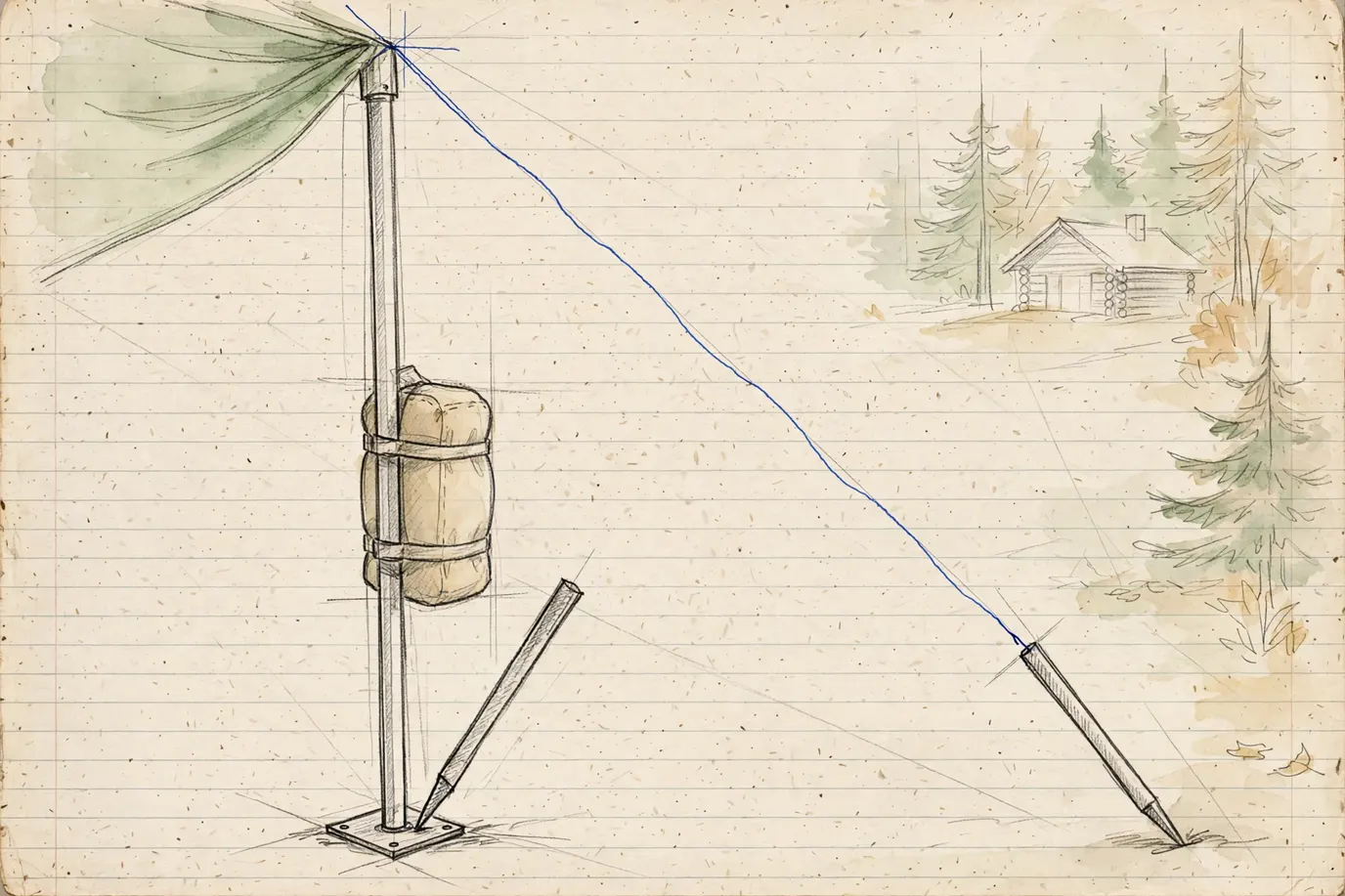
Every set of canopy instructions I've read says the same thing first: always stake or weight it down. My one opinion on this page: weight every leg before you put anything under the roof, even on a still morning. The reason is in the maker's wind guide. Wind hits the top, not just the legs, and a canopy with nothing on the feet has nothing holding the top.
What the anchors look like:
- Stakes on soft ground: driven deep and angled away from the canopy, per the maker's wind guide; spiral stakes in sand or loose soil
- Weights on hard ground: weight bags or plates on pavement, gravel pads and decks
- Guy lines: from the top corners, run outward to stakes, firm but not cranked tight
- How much weight: that guide says around 24 lb per leg works in light wind and 40 to 50 lb is safer in moderate wind
UC Irvine's safety office says to follow the maker's weighting guidance, and without it, use 40 lb per leg on a 10x10. It lists tables, coolers and vehicles as anchors to avoid, because they trip people and often don't weigh enough. Danny once argued the drinks cooler counts as a weight. It doesn't. The drinks cooler goes down by noon.
Know when to quit. The maker's wind guide says to take the canopy down early if the wind keeps building, and names 35 to 40 mph as the point to take it down.
How to fold a canopy tent and store it dry
Folding is setup in reverse, with one more rule about water.
- Pull every stake and take off the weights.
- Drop each leg to its lowest setting.
- Release the slider pin at each corner and let the top of the frame down.
- With a partner, lift the frame slightly and walk toward each other, shaking it gently until it closes.
- Slide the bag over it and zip.
Then the care part, from the same maker's sheets. Let the top and frame dry completely before storage, or the fabric mildews. Clean with mild soap and water, not detergent. A wipe of silicone spray on the frame keeps it sliding, especially in damp weather, and loose bolts get a slight tightening. That's a Saturday-afternoon fix, not a new canopy.
Canopy safety: lightning, wind and flame
Don't use a canopy in a lightning storm. The National Weather Service says tents and picnic shelters are not safe places; get in a vehicle or building and wait 30 minutes after the last thunder.
Keep flames and heaters out from under the fabric. Never run a fuel-burning heater, stove or lantern inside an enclosed canopy; the CPSC warns that carbon monoxide from camping heaters, lanterns and stoves kills people in tents and campers every year.
Who should skip a canopy tent
- You need to sleep in it: that's a camping tent; a canopy has no floor
- It stays up all season: the makers call these temporary shelters, not to be left up or unattended
- Your camp is a windy, exposed ridge: one maker's sheet says not to use its shelters in potentially windy or rainy weather
- You'll set it up alone every time: most frames are a two-person job
If none of that is you, buy the shade you need, then buy the weights. In my experience, the weights are the part people remember to buy the second time.
Brands in this list
Related
Questions people ask
How do you set up a canopy tent?
With two people. Set the folded frame where you want the shade, lift it slightly and walk backward to open it partway. The first time, fit the top over the frame; it stays on after that. Open it fully, lock the slider pin at each corner, raise two adjacent legs at a time until the leg buttons click, then stake or weight every leg before you put anything under it.
How do you fold a canopy tent?
Take off the stakes and weights, then drop every leg to its lowest setting. Release the slider pin at each corner. With a partner, lift the frame slightly and walk toward each other, shaking it gently, until it closes. Keep your fingers off the trusses as they fold. Let the top and frame dry completely before they go in the bag.
How do you anchor a canopy so it doesn't blow away?
Stake or weight every leg, every time. Drive stakes deep and angle them away from the canopy, and use spiral stakes in sand. On pavement, use weight bags. One canopy maker's guide puts around 24 lb per leg as enough for light wind and 40 to 50 lb for moderate wind, with guy lines from the top corners. Take it down when gusts keep building.
Is a canopy tent waterproof?
Usually not. One major maker says plainly that its tops are water resistant, not waterproof, and built mainly for shade. Its instructions say not to rely on the shelter in heavy or prolonged rain, and to use a seam sealer if the top drips. A wet top also has to dry completely before storage, or it mildews.
Sources
- E-Z UP: Frequently asked questions — accessed 2026-10-22
- E-Z UP: Spectator canopy instructions (setup, takedown, care and important information) — accessed 2026-10-22
- E-Z UP: Patriot instruction sheet (care and maintenance, CPAI-84 warning) — accessed 2026-10-22
- E-Z UP: Vantage 10' x 20' instructions — accessed 2026-10-22
- E-Z UP: Which is better, straight leg or slant leg pop-up tent? — accessed 2026-10-22
- E-Z UP: What does 500D mean in canopy tent fabric? — accessed 2026-10-22
- E-Z UP: How to secure a canopy tent in high winds — accessed 2026-10-22
- E-Z UP: Vista canopy specifications (angle leg, shaded area, peak height, valance clearance) — accessed 2026-10-22
- E-Z UP: Camping Cube 6.4 (available for straight leg canopies) — accessed 2026-10-22
- E-Z UP: Dome 10' x 10' canopy specifications (wind vents, weight, folded length) — accessed 2026-10-22
- UC Irvine Environmental Health & Safety: Canopy safety reference guide — accessed 2026-10-22
- Skin Cancer Foundation: Beyond sunscreen, UPF clothing provides excellent sun protection — accessed 2026-10-22
- CDC: Sun safety — accessed 2026-10-22
- National Weather Service: Lightning safety outdoors — accessed 2026-10-22
- CPSC: Portable heaters and camping equipment (carbon monoxide) — accessed 2026-10-22
- Penn State Extension: Proper care and handling of venison from field to table — accessed 2026-10-22