Fire & Lighting · Gear type
Headlamps
A headlamp is a small light on a strap that puts the beam wherever you look and leaves both hands free. The right one isn't the brightest box on the shelf. It's the one with a low mode that lasts all week, a beam shaped for what you do, and a battery you can actually keep alive. Read the spec sheet the way the industry wrote it, and the numbers start making sense. (I own more headlamps than socks. This page is me finally putting that to use.)

We earn a commission if you buy through our links, at no cost to you. Disclosure
| Model | Pack of | Max output | Beam distance | Max runtime | Power | Amazon |
|---|---|---|---|---|---|---|
Acebeam H30 HeadlampHeadlamp More specs
| — | 4,000 lumenslisting | — | — | Rechargeablelisting | Check price |
Acebeam H30 4000 Lumen Headlamp with Red and Green LEDsHeadlamp More specs
| — | 4,000 lumenslisting | — | — | — | Check price |
Acebeam H18 Right Angle HeadlampHeadlamp More specs
| — | 4,000 lumenslisting | 531 ftlisting | — | — | Check price |
Fenix HP35RHeadlamp More specs
| — | 4,000 lumenslisting | — | — | Rechargeablelisting | Check price |
Fenix HP35RHeadlamp More specs
| — | 4,000 lumenslisting | 1,476 ftlisting | — | Rechargeablelisting | Check price |
Fenix HP35R SARHeadlamp More specs
| — | 4,000 lumenslisting | 1,476 ftlisting | — | Rechargeablelisting | Check price |
sofirn HS41Headlamp | — | 4,000 lumenslisting | 1,066 ftlisting | 708 hourslisting | Rechargeablelisting | Check price |
Wurkkos HD50Headlamp More specs
| — | 4,000 lumenslisting | 785 ftlisting | — | Rechargeablelisting | Check price |
Ledlenser H19R CoreHeadlamp More specs
| — | 3,500 lumenslisting | 984 ftlisting | — | — | Check price |
Ledlenser H21RHeadlamp | — | 3,500 lumenslisting | 1,247 ftlisting | — | — | Check price |
sofirn HS23Headlamp More specs
| — | 3,320 lumenslisting | 629 ftlisting | 350 hourslisting | Rechargeablelisting | Check price |
sofirn HS43Headlamp More specs
| — | 3,200 lumenslisting | 603 ftlisting | — | Rechargeablelisting | Check price |
sofirn HS45Headlamp | — | 3,200 lumenslisting | 731 ftlisting | 210 hourslisting | Rechargeablelisting | Check price |
Coast XPH40R HeadlampHeadlamp More specs
| — | 3,000 lumenslisting | — | 72 hourslisting | Rechargeablelisting | Check price |
Fenix HP30R v2.0Headlamp More specs
| — | 3,000 lumenslisting | — | — | Rechargeablelisting | Check price |
Imalent HT50 HeadlampHeadlamp More specs
| — | 3,000 lumenslisting | — | — | — | Check price |
Nitecore HC75 UHEHeadlamp More specs
| — | 3,000 lumenslisting | 630 ftlisting | — | — | Check price |
Nitecore HC75 UHEHeadlamp More specs
| — | 3,000 lumenslisting | 627 ftlisting | — | Rechargeablelisting | Check price |
OLIGHT Perun 3Headlamp More specs
| — | 3,000 lumenslisting | 525 ftlisting | 480 hourslisting | Rechargeablelisting | Check price |
ThruNite TH50Headlamp More specs
| — | 2,750 lumenslisting | 951 ftlisting | — | Rechargeablelisting | Check price |
Coast XPH34R HeadlampHeadlamp More specs
| — | 2,700 lumenslisting | — | — | Rechargeablelisting | Check price |
Coast TPH34R HeadlampHeadlamp More specs
| — | 2,700 lumenslisting | — | — | Rechargeablelisting | Check price |
Nitecore HC35Headlamp | — | 2,700 lumenslisting | 438 ftlisting | — | Rechargeablelisting | Check price |
Nitecore HC35Headlamp | — | 2,700 lumenslisting | 440 ftlisting | — | Rechargeablelisting | Check price |
Ledlenser H15R CoreHeadlamp | — | 2,500 lumenslisting | 820 ftlisting | 80 hourslisting | Rechargeablelisting | Check price |
Ledlenser H15R CoreHeadlamp More specs
| — | 2,500 lumenslisting | 820 ftlisting | 80 hourslisting | — | Check price |
sofirn HS22Headlamp More specs
| — | 2,500 lumenslisting | 853 ftlisting | — | Rechargeablelisting | Check price |
Wurkkos HD17Headlamp More specs
| — | 2,500 lumenslisting | 721 ftlisting | — | Rechargeablelisting | Check price |
Nextorch hiStar 2300Headlamp More specs
| — | 2,300 lumenslisting | 840 ftlisting | — | Rechargeablelisting | Check price |
Fenix HM65R V2Headlamp More specs
| — | 2,200 lumenslisting | 755 ftlisting | — | — | Check price |
Fenix HM65R V2.0Headlamp More specs
| — | 2,200 lumenslisting | 753 ftlisting | — | Rechargeablelisting | Check price |
sofirn HS21Headlamp More specs
| — | 2,200 lumenslisting | — | — | Rechargeable built-inlisting | Check price |
sofirn HS21Headlamp More specs
| — | 2,200 lumenslisting | — | — | Rechargeablelisting | Check price |
Energizer Jeep HM-2100Headlamp More specs
| — | 2,100 lumenslisting | — | — | — | Check price |
sofirn 2100 Lumen RechargeableHeadlamp More specs
| — | 2,100 lumenslisting | — | — | Rechargeablelisting | Check price |
Blukar LED Rechargeable Headlamp 2000LHeadlamp More specs
| — | 2,000 lumenslisting | — | — | Rechargeablelisting | Check price |
Blukar LED Rechargeable Headlamp 2000LHeadlamp More specs
| — | 2,000 lumenslisting | — | — | Rechargeablelisting | Check price |
Coast WPH34R HeadlampHeadlamp More specs
| — | 2,000 lumenslisting | — | — | Rechargeable built-inlisting | Check price |
Coast WPH34R HeadlampHeadlamp More specs
| — | 2,000 lumenslisting | — | — | Rechargeable built-inlisting | Check price |
Coast WPH20R HeadlampHeadlamp More specs
| — | 2,000 lumenslisting | — | — | Rechargeablelisting | Check price |


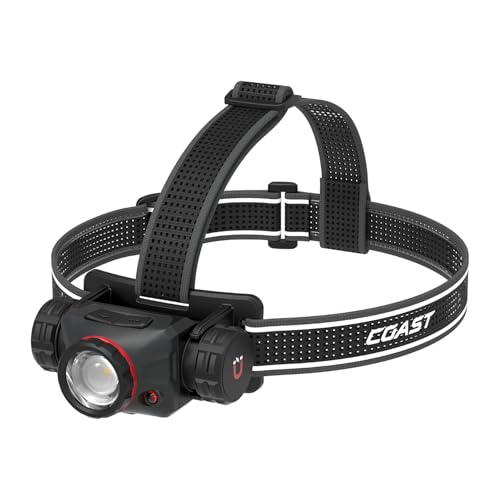


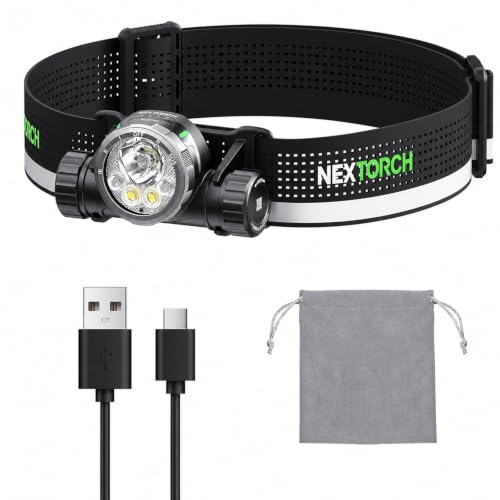


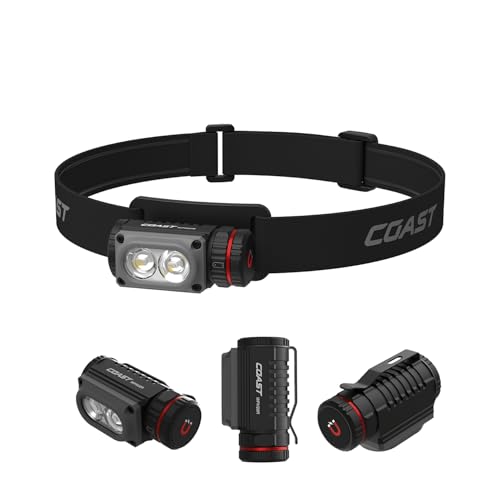
Coast WPH32R HeadlampHeadlamp More specs
| — | 2,000 lumenslisting | 591 ftlisting | — | Rechargeablelisting | Check price |
|---|---|---|---|---|---|---|
Nitecore HC65 UHEHeadlamp More specs
| — | 2,000 lumenslisting | 729 ftlisting | 82 hourslisting | Rechargeablelisting | Check price |
Nitecore HC65 UHEHeadlamp | — | 2,000 lumenslisting | — | — | Rechargeablelisting | Check price |
Nitecore HC65M UHEHeadlamp More specs
| — | 2,000 lumenslisting | 729 ftlisting | 82 hourslisting | Rechargeablelisting | Check price |
Nitecore HC65 MCTHeadlamp More specs
| — | 2,000 lumenslisting | 846 ftlisting | 154 hourslisting | Rechargeablelisting | Check price |
Silva Free S 2000Headlamp | — | 2,000 lumenslisting | — | — | — | Check price |
Silva Free 2000Headlamp | — | 2,000 lumenslisting | — | — | — | Check price |
sofirn HS40Headlamp | — | 2,000 lumenslisting | 574 ftlisting | — | Rechargeablelisting | Check price |
Streamlight ProTac 2.0 89001Headlamp | — | 2,000 lumenslisting | 791 ftlisting | — | Rechargeablelisting | Check price |
Wurkkos HD20Headlamp More specs
| — | 2,000 lumenslisting | — | — | Rechargeablelisting | Check price |
Fenix HM61R V3.0Headlamp More specs
| — | 1,800 lumenslisting | 639 ftlisting | — | Rechargeablelisting | Check price |
Nitecore NU53Headlamp More specs
| — | 1,800 lumenslisting | 573 ftlisting | 153 hourslisting | Rechargeablelisting | Check price |
Nitecore NU45Headlamp More specs
| — | 1,700 lumenslisting | 564 ftlisting | 86 hourslisting | Rechargeablelisting | Check price |
Fenix HP25R v2.0Headlamp More specs
| — | 1,600 lumenslisting | 951 ftlisting | 400 hourslisting | Rechargeablelisting | Check price |
Fenix HP25R v2.0 BundleHeadlamp More specs
| — | 1,600 lumenslisting | 951 ftlisting | 400 hourslisting | Rechargeablelisting | Check price |
Fenix HM65R-T V2.0Headlamp | — | 1,600 lumenslisting | 555 ftlisting | 600 hourslisting | Rechargeablelisting | Check price |
Fenix HM60R V2.0Headlamp More specs
| — | 1,600 lumenslisting | 555 ftlisting | 292 hourslisting | Rechargeablelisting | Check price |
Fenix HM60R V2.0Headlamp More specs
| — | 1,600 lumenslisting | 558 ftlisting | — | Rechargeablelisting | Check price |
Fenix HM75RHeadlamp More specs
| — | 1,600 lumenslisting | 732 ftlisting | — | Rechargeablelisting | Check price |
Fenix HM70RHeadlamp More specs
| — | 1,600 lumenslisting | 610 ftlisting | 100 hourslisting | Rechargeablelisting | Check price |
Ledlenser HF8R Core RGBHeadlamp More specs
| — | 1,600 lumenslisting | 689 ftlisting | — | — | Check price |
Nitecore HC60 UHEHeadlamp More specs
| — | 1,600 lumenslisting | 513 ftlisting | 200 hourslisting | Rechargeablelisting | Check price |
Nitecore HC70 UHEHeadlamp | — | 1,600 lumenslisting | 512 ftlisting | — | — | Check price |
Nitecore HC60 UHEHeadlamp | — | 1,600 lumenslisting | 515 ftlisting | — | — | Check price |
| — | 1,500 lumenslisting | — | — | Rechargeable removable celllisting | Check price | |
Coast WPH30R HeadlampHeadlamp More specs
| — | 1,500 lumenslisting | — | — | Rechargeable built-inlisting | Check price |
LitezAll Kodiak 1500Headlamp | — | 1,500 lumenslisting | 371 ftlisting | 40 hourslisting | Rechargeablelisting | Check price |
Optimal Ventures LITEBAND Multi-Beam BundleHeadlamp More specs
| — | 1,500 lumenslisting | 300 ftlisting | — | Rechargeablelisting | Check price |
Petzl NAO RLHeadlamp More specs
| — | 1,500 lumenslisting | 656 ftlisting | — | Rechargeablelisting | Check price |
Police Security 97856Headlamp | — | 1,500 lumenslisting | 279 ftlisting | — | — | Check price |
sofirn H35RHeadlamp More specs
| — | 1,500 lumenslisting | 367 ftlisting | — | Rechargeable built-inlisting | Check price |
sofirn 1500 Lumen Red Light HeadlampHeadlamp More specs
| — | 1,500 lumenslisting | — | — | Rechargeablelisting | Check price |
Ledlenser H7R SignatureHeadlamp | — | 1,400 lumenslisting | 1,214 ftlisting | — | Rechargeablelisting | Check price |
Nitecore NU43Headlamp More specs
| — | 1,400 lumenslisting | 426 ftlisting | — | Rechargeablelisting | Check price |
Fenix HP12R-THeadlamp More specs
| — | 1,300 lumenslisting | 654 ftlisting | — | Rechargeablelisting | Check price |
Nextorch Estar 1300Headlamp More specs
| — | 1,300 lumenslisting | 673 ftlisting | — | Rechargeablelisting | Check price |
Coast FL95R HeadlampHeadlamp More specs
| — | 1,250 lumenslisting | — | — | Rechargeablelisting | Check price |
OLIGHT Perun 3 MiniHeadlamp More specs
| — | 1,250 lumenslisting | 509 ftlisting | — | Rechargeablelisting | Check price |
Coast XPH30R HeadlampHeadlamp More specs
| — | 1,200 lumenslisting | — | 28 hourslisting | Rechargeablelisting | Check price |
Coast FL97R HeadlampHeadlamp More specs
| — | 1,200 lumenslisting | — | — | Rechargeablelisting | Check price |
Coast CH1000R Headlamp 3-PackHeadlamp More specs
| 3listing | 1,200 lumenslisting | 623 ftlisting | — | Rechargeablelisting | Check price |
Fenix HM55RHeadlamp More specs
| — | 1,200 lumenslisting | 573 ftlisting | 141 hourslisting | Rechargeablelisting | Check price |
Fenix HM53RHeadlamp More specs
| — | 1,200 lumenslisting | 516 ftlisting | — | Rechargeablelisting | Check price |
Ledlenser HF7RHeadlamp More specs
| — | 1,200 lumenslisting | 689 ftlisting | — | — | Check price |
LHKNL TG-T069Headlamp | — | 1,200 lumenslisting | — | — | Rechargeable built-inlisting | Check price |
LHKNL TG-T069Headlamp | — | 1,200 lumenslisting | — | — | Rechargeable built-inlisting | Check price |
Mankerlight E03H IIIHeadlamp | — | 1,200 lumenslisting | — | — | — | Check price |
Petzl Swift RLHeadlamp | — | 1,200 lumenslisting | — | — | Rechargeablelisting | Check price |
Petzl Swift RL ClassicHeadlamp | — | 1,200 lumenslisting | — | — | Rechargeablelisting | Check price |
Silva Free 1200Headlamp | — | 1,200 lumenslisting | — | — | — | Check price |
sofirn H25SHeadlamp | — | 1,200 lumenslisting | — | — | Rechargeablelisting | Check price |
Wuben H1 ProHeadlamp More specs
| — | 1,200 lumenslisting | 410 ftlisting | — | Rechargeablelisting | Check price |
Wurkkos HD10Headlamp | — | 1,200 lumenslisting | 423 ftlisting | — | Rechargeablelisting | Check price |
Coast RL35R HeadlampHeadlamp More specs
| — | 1,100 lumenslisting | — | — | Rechargeablelisting | Check price |
EverBrite 1100LM Magnetic Rechargeable HeadlampHeadlamp More specs
| — | 1,100 lumenslisting | — | — | Rechargeable built-inlisting | Check price |
LHKNL TG-T069 / TG-T12601 4-PackHeadlamp | 4listing | 1,100 lumenslisting | — | — | Rechargeable built-inlisting | Check price |
LHKNL TG-T12601 6-PackHeadlamp | 6listing | 1,100 lumenslisting | — | 10 hourslisting | Rechargeable built-inlisting | Check price |
LHKNL TG-T069 6-PackHeadlamp | 6listing | 1,100 lumenslisting | — | — | Rechargeable built-inlisting | Check price |
LHKNL TG-T069 + TG-T12601 8-PackHeadlamp | 8listing | 1,100 lumenslisting | — | — | Rechargeable built-inlisting | Check price |
LHKNL TG-T069 + TG-T12601 6-PackHeadlamp | 6listing | 1,100 lumenslisting | — | 10 hourslisting | Rechargeable built-inlisting | Check price |
LHKNL TG-T069 + TG-T12601 6-PackHeadlamp | 6listing | 1,100 lumenslisting | — | 10 hourslisting | Rechargeable built-inlisting | Check price |
LHKNL TG-T069Headlamp | — | 1,100 lumenslisting | — | 10 hourslisting | Rechargeable built-inlisting | Check price |
sofirn HS10Headlamp | — | 1,100 lumenslisting | 423 ftlisting | — | Rechargeablelisting | Check price |
Boruit HP440 Rechargeable HeadlampHeadlamp More specs
| — | 1,020 lumenslisting | — | — | Rechargeablelisting | Check price |
Acebeam H16 HeadlampHeadlamp | — | 1,000 lumenslisting | 342 ftlisting | 58 hourslisting | AAlisting | Check price |
Boruit HP360 Rechargeable HeadlampHeadlamp More specs
| — | 1,000 lumenslisting | 328 ftlisting | — | Rechargeablelisting | Check price |
Coast RL20R HeadlampHeadlamp More specs
| — | 1,000 lumenslisting | — | — | Rechargeablelisting | Check price |
Coast FL85R HeadlampHeadlamp More specs
| — | 1,000 lumenslisting | — | 18 hourslisting | Rechargeable built-inlisting | Check price |
Coast WPH10R HeadlampHeadlamp More specs
| — | 1,000 lumenslisting | — | — | Rechargeablelisting | Check price |
Coast FLX10R HeadlampHeadlamp More specs
| 2listing | 1,000 lumenslisting | — | — | Rechargeablelisting | Check price |
Cosoos Rechargeable Motion Sensor Headlamp 1000 LumenHeadlamp More specs
| — | 1,000 lumenslisting | — | — | Rechargeablelisting | Check price |
EverBrite 1000LM Rechargeable HeadlampHeadlamp More specs
| — | 1,000 lumenslisting | 400 ftlisting | — | Rechargeable built-inlisting | Check price |
Fenix HL45RHeadlamp More specs
| — | 1,000 lumenslisting | 720 ftlisting | — | Hybrid (rechargeable + AAA)listing | Check price |
Fenix HL45RHeadlamp More specs
| — | 1,000 lumenslisting | 722 ftlisting | — | Hybrid (rechargeable + AAA)listing | Check price |
klarus HM1Headlamp | — | 1,000 lumenslisting | 886 ftlisting | 70 hourslisting | Rechargeablelisting | Check price |
Ledlenser MH11Headlamp More specs
| — | 1,000 lumenslisting | 1,050 ftlisting | — | Rechargeablelisting | Check price |
Ledlenser H7R CoreHeadlamp | — | 1,000 lumenslisting | 820 ftlisting | — | — | Check price |
LitezAll Kodiak Konvoy 1000Headlamp | — | 1,000 lumenslisting | 147 ftlisting | — | Rechargeablelisting | Check price |
Nebo Transcend 1000Headlamp More specs
| — | 1,000 lumenslisting | — | 27.5 hourslisting | Rechargeablelisting | Check price |
Optimal Ventures LITEBAND PROHeadlamp | — | 1,000 lumenslisting | — | — | Rechargeablelisting | Check price |
| — | 1,000 lumenslisting | — | — | Rechargeablelisting | Check price | |
Optimal Ventures LITEBAND PRO Multi-BeamHeadlamp More specs
| — | 1,000 lumenslisting | 225 ftlisting | — | Rechargeablelisting | Check price |
Streamlight ProTac 61305Headlamp More specs
| — | 1,000 lumenslisting | — | — | — | Check price |
SureFire Maximus HS3-AHeadlamp | — | 1,000 lumenslisting | — | — | Rechargeablelisting | Check price |
Nebo MYCRO 900+Headlamp More specs
| — | 900 lumenslisting | — | — | Rechargeablelisting | Check price |
Petzl Swift RLHeadlamp | — | 900 lumenslisting | 492 ftlisting | 100 hourslisting | Rechargeablelisting | Check price |
Wurkkos HD12Headlamp More specs
| — | 850 lumenslisting | 344 ftlisting | — | — | Check price |
Coast FLX40R HeadlampHeadlamp More specs
| — | 800 lumenslisting | — | — | Rechargeable built-inlisting | Check price |
Fenix HL32R-THeadlamp More specs
| — | 800 lumenslisting | — | 20 hourslisting | Rechargeablelisting | Check price |
Fenix HL18R-T V2.0Headlamp More specs
| — | 800 lumenslisting | 408 ftlisting | — | Hybrid (rechargeable + AAA)listing | Check price |
Fenix HL18R-T V2Headlamp More specs
| — | 800 lumenslisting | 410 ftlisting | — | Hybrid (rechargeable + AAA)listing | Check price |
klarus HM5Headlamp | — | 800 lumenslisting | — | 105 hourslisting | Rechargeablelisting | Check price |
LitezAll 800 Lumen LED HeadlampHeadlamp | — | 800 lumenslisting | — | — | — | Check price |
Mankerlight E03H IIIHeadlamp | — | 800 lumenslisting | — | — | Rechargeablelisting | Check price |
Nebo IllumaTrace Blood TrackerHeadlamp | — | 800 lumenslisting | — | 5 hourslisting | — | Check price |
Police Security Ryder Twin PowerHeadlamp | — | 800 lumenslisting | 262 ftlisting | — | Hybrid (rechargeable + AAA)listing | Check price |
Wuben H4Headlamp More specs
| — | 800 lumenslisting | 341 ftlisting | 50 hourslisting | Rechargeablelisting | Check price |
Black Diamond Storm+ 750Headlamp More specs
| — | 750 lumenslisting | — | — | Rechargeable built-inlisting | Check price |
Coast RL10R HeadlampHeadlamp More specs
| — | 750 lumenslisting | — | — | Rechargeablelisting | Check price |
Nebo Einstein 750Headlamp More specs
| — | 750 lumenslisting | — | 60 hourslisting | AAAlisting | Check price |
Black Diamond Icon 700 HeadlampHeadlamp More specs
| — | 700 lumenslisting | — | — | AAlisting | Check price |
Coast FL75 HeadlampHeadlamp More specs
| — | 700 lumenslisting | — | — | — | Check price |
Coast FLX7 HeadlampHeadlamp More specs
| — | 700 lumenslisting | — | — | AAAlisting | Check price |
EverBrite 700 Lumens Rechargeable HeadlampHeadlamp More specs
| — | 700 lumenslisting | 328 ftlisting | — | Rechargeable built-inlisting | Check price |
Fenix HM50R v2.0 Power BundleHeadlamp More specs
| — | 700 lumenslisting | — | 42 hourslisting | Rechargeablelisting | Check price |
Fenix HM50R v2.0Headlamp More specs
| — | 700 lumenslisting | — | 42 hourslisting | Rechargeablelisting | Check price |
LitezAll SWYPE 700Headlamp | — | 700 lumenslisting | — | — | Rechargeablelisting | Check price |
Nitecore NU33Headlamp More specs
| — | 700 lumenslisting | 441 ftlisting | 147 hourslisting | Rechargeable built-inlisting | Check price |
Silva Explore 5Headlamp More specs
| — | 700 lumenslisting | 377 ftlisting | 50 hourslisting | Rechargeable built-inlisting | Check price |
Boruit HP400 Rechargeable HeadlampHeadlamp More specs
| — | 650 lumenslisting | 328 ftlisting | — | Rechargeablelisting | Check price |
Police Security MORF L650Headlamp | — | 650 lumenslisting | — | — | — | Check price |
Princeton Tec Apex IndustrialHeadlamp | — | 650 lumenslisting | — | 12 hourslisting | — | Check price |
Streamlight ProTac 61304Headlamp More specs
| — | 635 lumenslisting | — | — | — | Check price |
Streamlight ProTac 61306Headlamp More specs
| — | 635 lumenslisting | — | — | — | Check price |
Coast FL85 HeadlampHeadlamp More specs
| — | 615 lumenslisting | 600 ftlisting | 13 hourslisting | — | Check price |
Police Security Elite BlackoutHeadlamp | — | 615 lumenslisting | 689 ftlisting | 7 hourslisting | — | Check price |
EverBrite 600LM Motion Sensor HeadlampHeadlamp More specs
| — | 600 lumenslisting | — | — | Rechargeable built-inlisting | Check price |
Ledlenser MH10Headlamp More specs
| — | 600 lumenslisting | 492 ftlisting | — | — | Check price |
Ledlenser MH8Headlamp More specs
| — | 600 lumenslisting | — | 60 hourslisting | — | Check price |
Ledlenser H8RHeadlamp More specs
| — | 600 lumenslisting | 492 ftlisting | — | Rechargeablelisting | Check price |
Ledlenser HF4R SignatureHeadlamp More specs
| — | 600 lumenslisting | — | — | — | Check price |
Nebo CurvBeam 600Headlamp More specs
| — | 600 lumenslisting | — | — | — | Check price |
Nebo CurvBeam 600 FlexHeadlamp More specs
| — | 600 lumenslisting | — | — | Hybrid (rechargeable + AAA)listing | Check price |
Nitecore NU27Headlamp More specs
| — | 600 lumenslisting | 402 ftlisting | — | Rechargeablelisting | Check price |
Nitecore NU27Headlamp | — | 600 lumenslisting | — | — | Rechargeablelisting | Check price |
Nitecore HA23 UHEHeadlamp | — | 600 lumenslisting | 432 ftlisting | 97 hourslisting | AAAlisting | Check price |
Nitecore HA19Headlamp More specs
| — | 600 lumenslisting | 426 ftlisting | 90 hourslisting | AAlisting | Check price |
Police Security Breakout COBHeadlamp More specs
| — | 600 lumenslisting | — | — | — | Check price |
Coast RL10 HeadlampHeadlamp More specs
| — | 560 lumenslisting | — | — | AAAlisting | Check price |
| — | 550 lumenslisting | 312 ftlisting | — | AAAlisting | Check price | |
Police Security Twin Power 550Headlamp | — | 550 lumenslisting | 492 ftlisting | 14 hourslisting | Hybrid (rechargeable + AAA)listing | Check price |
Princeton Tec Vizz Tactical MPLSHeadlamp More specs
| — | 550 lumenslisting | — | — | — | Check price |
Princeton Tec VizzHeadlamp More specs
| — | 550 lumenslisting | — | — | AAAlisting | Check price |
Princeton Tec VIZZ 550 RGBHeadlamp More specs
| — | 550 lumenslisting | — | 75 hourslisting | AAAlisting | Check price |
Cyclops Hades Horizon HeadlampHeadlamp More specs
| — | 500 lumenslisting | — | — | Rechargeablelisting | Check price |
EverBrite Clip-On Hat Light HeadlampHeadlamp More specs
| — | 500 lumenslisting | 460 ftlisting | — | Rechargeablelisting | Check price |
Ledlenser H5RHeadlamp | — | 500 lumenslisting | 656 ftlisting | 45 hourslisting | Rechargeablelisting | Check price |
Ledlenser HF4R CoreHeadlamp More specs
| — | 500 lumenslisting | 427 ftlisting | 35 hourslisting | Rechargeablelisting | Check price |
Nicron D10 MiniHeadlamp More specs
| — | 500 lumenslisting | — | — | — | Check price |
Nitecore NU30Headlamp More specs
| — | 500 lumenslisting | 426 ftlisting | 97 hourslisting | Rechargeablelisting | Check price |
Petzl IKO COREHeadlamp | — | 500 lumenslisting | — | — | Hybrid (rechargeable + AAA)listing | Check price |
Silva Trail Runner Free 2 HybridHeadlamp | — | 500 lumenslisting | — | — | Rechargeablelisting | Check price |
Silva Trail Runner Free 2 UltraHeadlamp | — | 500 lumenslisting | — | — | — | Check price |
Silva Discover HybridHeadlamp More specs
| — | 500 lumenslisting | — | — | Hybrid (rechargeable + AAA)listing | Check price |
Silva Discover 500Headlamp More specs
| — | 500 lumenslisting | 262 ftlisting | 25 hourslisting | Hybrid (rechargeable + AAA)listing | Check price |
Smiling Shark E1 Glasses HeadlampHeadlamp More specs
| — | 500 lumenslisting | — | — | Rechargeablelisting | Check price |
sofirn H25LRHeadlamp More specs
| — | 500 lumenslisting | — | — | Rechargeablelisting | Check price |
BioLite Dash 450Headlamp More specs
| — | 450 lumenslisting | 295 ftlisting | 60 hourslisting | Rechargeablelisting | Check price |
Luxpro XP405US Flip-UpHeadlamp | — | 450 lumenslisting | — | 30 hourslisting | Rechargeablelisting | Check price |
Petzl Tikka COREHeadlamp More specs
| — | 450 lumenslisting | — | — | Rechargeablelisting | Check price |
Petzl ACTIKHeadlamp More specs
| — | 450 lumenslisting | — | — | — | Check price |
Petzl ARIA 1 RGBHeadlamp More specs
| — | 450 lumenslisting | — | — | Hybrid (rechargeable + AAA)listing | Check price |
Petzl ARIA 1 RGBHeadlamp More specs
| — | 450 lumenslisting | — | — | Hybrid (rechargeable + AAA)listing | Check price |
Petzl ARIA 1 RGBHeadlamp More specs
| — | 450 lumenslisting | — | — | Hybrid (rechargeable + AAA)listing | Check price |
Petzl ARIA 2 RGBHeadlamp More specs
| — | 450 lumenslisting | — | — | Hybrid (rechargeable + AAA)listing | Check price |
Princeton Tec Axis Li RechargeableHeadlamp More specs
| — | 450 lumenslisting | — | — | Rechargeablelisting | Check price |
Princeton Tec Snap 450 RW SoloHeadlamp More specs
| — | 450 lumenslisting | — | — | — | Check price |
Silva Trail Runner Free 2Headlamp More specs
| — | 450 lumenslisting | — | — | AAAlisting | Check price |
Silva Seek 450 CordHeadlamp | — | 450 lumenslisting | — | — | Rechargeable built-inlisting | Check price |
klarus HM1Headlamp | — | 440 lumenslisting | — | 70 hourslisting | Rechargeablelisting | Check price |
Silva Seek 420Headlamp More specs
| — | 420 lumenslisting | — | — | Hybrid (rechargeable + AAA)listing | Check price |
Coast XPH25R HeadlampHeadlamp More specs
| — | 410 lumenslisting | — | — | Rechargeablelisting | Check price |
BioLite Range 400Headlamp | — | 400 lumenslisting | 295 ftlisting | 200 hourslisting | Rechargeablelisting | Check price |
Black Diamond Storm 400Headlamp More specs
| — | 400 lumenslisting | — | — | AAAlisting | Check price |
Black Diamond Storm 400Headlamp More specs
| — | 400 lumenslisting | — | — | AAAlisting | Check price |
Black Diamond Storm 400Headlamp More specs
| — | 400 lumenslisting | — | — | AAAlisting | Check price |
Black Diamond Spot 400-R HeadlampHeadlamp More specs
| — | 400 lumenslisting | — | — | Rechargeable built-inlisting | Check price |
Cyclops Eflex 400 Lumen HeadlampHeadlamp | — | 400 lumenslisting | — | — | Rechargeablelisting | Check price |
Energizer Rechargeable Headlamp S400Headlamp More specs
| — | 400 lumenslisting | — | — | Rechargeablelisting | Check price |
Energizer LED Rechargeable Headlamp 400 LumensHeadlamp More specs
| — | 400 lumenslisting | — | 15 hourslisting | Rechargeablelisting | Check price |
EverBrite 400LM Ultralight HeadlampHeadlamp More specs
| — | 400 lumenslisting | — | — | Rechargeable built-inlisting | Check price |
Ledlenser MH5Headlamp More specs
| — | 400 lumenslisting | — | — | — | Check price |
Nitecore NU25 MCTHeadlamp More specs
| — | 400 lumenslisting | 432 ftlisting | — | Rechargeablelisting | Check price |
Nitecore NU25 ULHeadlamp More specs
| — | 400 lumenslisting | 432 ftlisting | — | Rechargeablelisting | Check price |
Silva Trail Runner Free HHeadlamp More specs
| — | 400 lumenslisting | — | 12 hourslisting | Hybrid (rechargeable + AAA)listing | Check price |
Silva Trail Runner Free 37809Headlamp | — | 400 lumenslisting | 262 ftlisting | — | AAAlisting | Check price |
Silva MR400Headlamp | — | 400 lumenslisting | — | — | AAAlisting | Check price |
OLIGHT EasyWaveHeadlamp More specs
| — | 380 lumenslisting | 184 ftlisting | — | AAAlisting | Check price |
Petzl Swift LTHeadlamp More specs
| — | 380 lumenslisting | — | — | Rechargeablelisting | Check price |
| — | 375 lumenslisting | — | — | — | Check price | |
Luxpro 374 Lumen LED HeadlampHeadlamp | — | 374 lumenslisting | — | 10 hourslisting | AAAlisting | Check price |
LitezAll Brite BandHeadlamp More specs
| — | 370 lumenslisting | — | — | Rechargeablelisting | Check price |
Energizer PRO-360 HeadlampHeadlamp More specs
| — | 360 lumenslisting | — | — | AAAlisting | Check price |
EverBrite 360LM Ultralight HeadlampHeadlamp More specs
| — | 360 lumenslisting | 228 ftlisting | — | Rechargeable built-inlisting | Check price |
Nitecore NU25 (2017)Headlamp More specs
| — | 360 lumenslisting | 264 ftlisting | — | Rechargeablelisting | Check price |
Nitecore NU20 ClassicHeadlamp More specs
| — | 360 lumenslisting | 357 ftlisting | 97 hourslisting | Rechargeablelisting | Check price |
Luxpro LP735Headlamp More specs
| — | 355 lumenslisting | — | — | — | Check price |
Black Diamond Spot 350Headlamp More specs
| — | 350 lumenslisting | — | — | AAAlisting | Check price |
Black Diamond Spot 350Headlamp More specs
| — | 350 lumenslisting | — | — | AAAlisting | Check price |
Black Diamond Cosmo 350Headlamp More specs
| — | 350 lumenslisting | — | — | AAAlisting | Check price |
Cosoos Rechargeable Headlamp 2-PackHeadlamp More specs
| 2listing | 350 lumenslisting | — | — | Rechargeable built-inlisting | Check price |
Cyclops Force XP HeadlampHeadlamp More specs
| — | 350 lumenslisting | — | — | AAAlisting | Check price |
EverBrite 350LM Rechargeable HeadlampHeadlamp More specs
| — | 350 lumenslisting | 196 ftlisting | — | Rechargeable built-inlisting | Check price |
EverBrite 350 Lumen Rechargeable Headlamp 2-PackHeadlamp More specs
| 2listing | 350 lumenslisting | — | — | Rechargeable built-inlisting | Check price |
| 2listing | 350 lumenslisting | — | — | Rechargeablelisting | Check price | |
Petzl TikkaHeadlamp More specs
| — | 350 lumenslisting | 230 ftlisting | — | Hybrid (rechargeable + AAA)listing | Check price |
| — | 350 lumenslisting | 311 ftlisting | — | — | Check price | |
JETBeam HP35Headlamp More specs
| — | 335 lumenslisting | 295 ftlisting | — | — | Check price |
Coast HL7 HeadlampHeadlamp More specs
| — | 330 lumenslisting | — | — | AAAlisting | Check price |
Energizer Hardcase LED HeadlampHeadlamp More specs
| — | 325 lumenslisting | — | — | AAlisting | Check price |
Nightstick NSP-4400BHeadlamp More specs
| — | 320 lumenslisting | — | — | AAAlisting | Check price |
Silva Seek 320Headlamp More specs
| — | 320 lumenslisting | — | — | Hybrid (rechargeable + AAA)listing | Check price |
BioLite Luci Beam Headlamp and FlashlightHeadlamp More specs
| — | 300 lumenslisting | — | 30 hourslisting | Rechargeable built-inlisting | Check price |
Black Diamond Astro 300Headlamp | — | 300 lumenslisting | — | — | AAAlisting | Check price |
Cyclops Trio 300 HeadlampHeadlamp More specs
| 3listing | 300 lumenslisting | — | — | AAAlisting | Check price |
Energizer Vision HD+ HeadlampHeadlamp More specs
| — | 300 lumenslisting | 180 ftlisting | 4 hourslisting | AAAlisting | Check price |
EverBrite 300LM HeadlampHeadlamp More specs
| — | 300 lumenslisting | 328 ftlisting | — | — | Check price |
EverBrite 2-Pack LED Headlamp 300 LumensHeadlamp More specs
| 2listing | 300 lumenslisting | — | — | — | Check price |
Lepro Rechargeable 5-Mode HeadlampHeadlamp More specs
| — | 300 lumenslisting | 500 ftlisting | 30 hourslisting | Rechargeablelisting | Check price |
Lepro Dual Power 2-PackHeadlamp More specs
| 2listing | 300 lumenslisting | — | — | Hybrid (rechargeable + AAA)listing | Check price |
LitezAll SWYPEHeadlamp More specs
| — | 300 lumenslisting | 459 ftlisting | — | Rechargeablelisting | Check price |
Luxpro LP323Headlamp More specs
| — | 300 lumenslisting | — | — | AAAlisting | Check price |
Luxpro LP345V2Headlamp More specs
| — | 300 lumenslisting | — | 28 hourslisting | AAAlisting | Check price |
Optimal Ventures LITEBAND FlexHeadlamp | — | 300 lumenslisting | — | — | AAAlisting | Check price |
Petzl TikkinaHeadlamp More specs
| — | 300 lumenslisting | — | — | — | Check price |
Streamlight 3AA HAZ-LO 61200Headlamp | — | 270 lumenslisting | 492 ftlisting | — | AAlisting | Check price |
| 2listing | 260 lumenslisting | 262 ftlisting | — | — | Check price | |
Energizer Vision HD+ HeadlampHeadlamp | — | 260 lumenslisting | 262 ftlisting | — | — | Check price |
| — | 250 lumenslisting | — | — | AAAlisting | Check price | |
LitezAll Quattro 2-PackHeadlamp More specs
| 2listing | 250 lumenslisting | — | — | Rechargeablelisting | Check price |
Nebo Mycro 250 2-PackHeadlamp More specs
| 2listing | 250 lumenslisting | — | — | Rechargeablelisting | Check price |
Nightstick USB-4510FHeadlamp More specs
| — | 250 lumenslisting | — | — | Rechargeablelisting | Check price |
Silva SMINIHeadlamp More specs
| — | 250 lumenslisting | — | — | Rechargeable built-inlisting | Check price |
Silva SMINI FlyHeadlamp More specs
| — | 250 lumenslisting | — | — | Rechargeable built-inlisting | Check price |
Streamlight USB HAZ-LO 61460Headlamp More specs
| — | 250 lumenslisting | 292 ftlisting | 13 hourslisting | Rechargeablelisting | Check price |
Streamlight USB HAZ-LO 61463Headlamp More specs
| — | 250 lumenslisting | 292 ftlisting | 13 hourslisting | Rechargeablelisting | Check price |
Luxpro LP322Headlamp More specs
| — | 235 lumenslisting | — | — | AAAlisting | Check price |
Nightstick NSP-4607BHeadlamp More specs
| — | 235 lumenslisting | 299 ftlisting | — | AAAlisting | Check price |
Streamlight Enduro Pro HAZ-LO 61424Headlamp More specs
| — | 235 lumenslisting | — | 5 hourslisting | AAAlisting | Check price |
Police Security MORF R230Headlamp | — | 230 lumenslisting | — | — | Rechargeablelisting | Check price |
LitezAll Briteband Low ProfileHeadlamp | — | 210 lumenslisting | — | — | AAAlisting | Check price |
Energizer Pro200 Headlamp 5-PackHeadlamp | 5listing | 200 lumenslisting | 165 ftlisting | — | AAAlisting | Check price |
Ledlenser MH3Headlamp | — | 200 lumenslisting | — | 35 hourslisting | Rechargeablelisting | Check price |
LitezAll QuattroHeadlamp More specs
| — | 200 lumenslisting | — | — | AAAlisting | Check price |
LitezAll 5-Mode 200 Lumen HeadlampHeadlamp More specs
| — | 200 lumenslisting | — | — | — | Check price |
| 2listing | 200 lumenslisting | — | — | AAAlisting | Check price | |
Nightstick XPP-5460GCXHeadlamp More specs
| — | 200 lumenslisting | 348 ftlisting | — | AAAlisting | Check price |
Nightstick XPR-5552GHeadlamp More specs
| — | 200 lumenslisting | — | 40 hourslisting | Rechargeablelisting | Check price |
Police Security Connector COBHeadlamp | — | 200 lumenslisting | 82 ftlisting | — | — | Check price |
| 3listing | 200 lumenslisting | — | — | — | Check price | |
Princeton Tec Byte TacticalHeadlamp More specs
| — | 200 lumenslisting | — | — | — | Check price |
Princeton Tec ByteHeadlamp | — | 200 lumenslisting | — | — | — | Check price |
Princeton Tec FredHeadlamp More specs
| — | 200 lumenslisting | — | 41 hourslisting | — | Check price |
Streamlight Trident 61050Headlamp More specs
| — | 200 lumenslisting | — | — | — | Check price |
Streamlight SeptorHeadlamp More specs
| — | 200 lumenslisting | — | — | AAAlisting | Check price |
Streamlight Enduro Pro 61421Headlamp | — | 200 lumenslisting | 312 ftlisting | — | AAlisting | Check price |
Streamlight Enduro Pro USB 61436Headlamp More specs
| — | 200 lumenslisting | 299 ftlisting | 48 hourslisting | Rechargeablelisting | Check price |
UCO BetaHeadlamp | — | 200 lumenslisting | — | 70 hourslisting | AAAlisting | Check price |
Nightstick XPP-5454GHeadlamp More specs
| — | 190 lumenslisting | — | — | — | Check price |
Foxelli USB-C LED Headlamp 180 LumensHeadlamp More specs
| — | 180 lumenslisting | 300 ftlisting | 40 hourslisting | Rechargeablelisting | Check price |
Foxelli Rechargeable LED Headlamp 2-PackHeadlamp More specs
| 2listing | 180 lumenslisting | 300 ftlisting | 40 hourslisting | Rechargeablelisting | Check price |
Foxelli Rechargeable LED Headlamp 2-PackHeadlamp More specs
| 2listing | 180 lumenslisting | 300 ftlisting | 40 hourslisting | Rechargeablelisting | Check price |
Foxelli Rechargeable LED Headlamp 2-PackHeadlamp More specs
| 2listing | 180 lumenslisting | 300 ftlisting | 40 hourslisting | Rechargeablelisting | Check price |
Foxelli Rechargeable LED Headlamp 2-PackHeadlamp More specs
| 2listing | 180 lumenslisting | 300 ftlisting | 40 hourslisting | Rechargeablelisting | Check price |
Foxelli Rechargeable LED Headlamp 2-PackHeadlamp More specs
| 2listing | 180 lumenslisting | 300 ftlisting | 40 hourslisting | Rechargeablelisting | Check price |
Foxelli Rechargeable LED Headlamp 2-PackHeadlamp More specs
| 2listing | 180 lumenslisting | 300 ftlisting | 40 hourslisting | Rechargeablelisting | Check price |
Foxelli Rechargeable LED Headlamp 2-PackHeadlamp More specs
| 2listing | 180 lumenslisting | 300 ftlisting | 40 hourslisting | Rechargeablelisting | Check price |
Foxelli Rechargeable LED Headlamp 2-PackHeadlamp More specs
| 2listing | 180 lumenslisting | 300 ftlisting | 40 hourslisting | Rechargeablelisting | Check price |
Nightstick XPP-5452GHeadlamp More specs
| — | 180 lumenslisting | — | — | AAAlisting | Check price |
Nightstick NSP-4608BCHeadlamp More specs
| — | 180 lumenslisting | — | — | — | Check price |
Streamlight Bandit 61702Headlamp | — | 180 lumenslisting | — | — | Rechargeablelisting | Check price |
Streamlight Bandit 61706Headlamp More specs
| — | 180 lumenslisting | — | 10 hourslisting | Rechargeablelisting | Check price |
Streamlight Bandit Pro 61710Headlamp | — | 180 lumenslisting | — | 21 hourslisting | Rechargeablelisting | Check price |
Foxelli Kids Headlamp USB-CHeadlamp More specs
| — | 160 lumenslisting | 200 ftlisting | 30 hourslisting | Rechargeablelisting | Check price |
Foxelli Rechargeable Headlamp 2-PackHeadlamp More specs
| 2listing | 160 lumenslisting | 200 ftlisting | 30 hourslisting | Rechargeablelisting | Check price |
Foxelli Rechargeable Headlamp 2-PackHeadlamp More specs
| 2listing | 160 lumenslisting | 200 ftlisting | 30 hourslisting | Rechargeablelisting | Check price |
Cyclops 150-Lumen Rechargeable Motion Sensor HeadlampHeadlamp More specs
| — | 150 lumenslisting | — | — | Rechargeablelisting | Check price |
LitezAll Economy Headlamp 3-PackHeadlamp | 3listing | 150 lumenslisting | 52 ftlisting | — | AAAlisting | Check price |
Streamlight Argo 61301Headlamp More specs
| — | 150 lumenslisting | — | 30 hourslisting | AAAlisting | Check price |
Cyclops Ranger CREE XPE HeadlampHeadlamp More specs
| — | 126 lumenslisting | — | 5 hourslisting | AAAlisting | Check price |
Streamlight Double Clutch 61601Headlamp More specs
| — | 125 lumenslisting | — | — | Rechargeablelisting | Check price |
Streamlight Double Clutch 61600Headlamp More specs
| — | 125 lumenslisting | — | — | Rechargeablelisting | Check price |
Boruit H09 Red Light HeadlampHeadlamp More specs
| — | 120 lumenslisting | 328 ftlisting | — | AAAlisting | Check price |
Ledlenser H3.2Headlamp | — | 120 lumenslisting | 328 ftlisting | — | AAAlisting | Check price |
Luxpro PulseHeadlamp | — | 120 lumenslisting | — | — | — | Check price |
Energizer Vision LED HeadlampHeadlamp More specs
| — | 100 lumenslisting | 115 ftlisting | — | AAAlisting | Check price |
Energizer Universal LED Headlamp 2-PackHeadlamp More specs
| 2listing | 100 lumenslisting | 131 ftlisting | — | AAAlisting | Check price |
Princeton Tec Quad TacticalHeadlamp | — | 78 lumenslisting | — | — | — | Check price |
Princeton Tec Quad Tactical MPLSHeadlamp | — | 78 lumenslisting | — | — | — | Check price |
LitezAll UltraliteHeadlamp | — | 60 lumenslisting | — | 12 hourslisting | — | Check price |
| — | 50 lumenslisting | 33 ftlisting | — | Rechargeable built-inlisting | Check price | |
| — | 50 lumenslisting | 98 ftlisting | 17 hourslisting | — | Check price | |
Streamlight Enduro 61400Headlamp | — | 50 lumenslisting | 217 ftlisting | 25 hourslisting | — | Check price |
Black Diamond Wiz Kid HeadlampHeadlamp | — | 40 lumenslisting | — | — | Rechargeable built-inlisting | Check price |
Ledlenser KIDLED2Headlamp More specs
| — | 40 lumenslisting | — | — | — | Check price |
Ledlenser Kidled4RHeadlamp More specs
| — | 40 lumenslisting | — | — | — | Check price |
Petzl e+LITEHeadlamp More specs
| — | 30 lumenslisting | — | — | — | Check price |
Acebeam H30 Nichia XHP70.2 HeadlampHeadlamp More specs
| — | — | — | — | Rechargeablelisting | Check price |
Black Diamond SpotLite 200Headlamp | — | — | — | — | — | Check price |
Blukar LED Rechargeable HeadlampHeadlamp More specs
| — | — | — | 20 hourslisting | Rechargeablelisting | Check price |
| — | — | — | — | — | Check price | |
Boruit B21 Rechargeable HeadlampHeadlamp | — | — | — | — | Rechargeablelisting | Check price |
Boruit RJ-3000 HeadlampHeadlamp | — | — | — | — | Rechargeablelisting | Check price |
Boruit RJ-2166 HeadlampHeadlamp | — | — | — | — | — | Check price |
Boruit B14 Rechargeable HeadlampHeadlamp | — | — | — | — | Rechargeablelisting | Check price |
Boruit B21 Rechargeable HeadlampHeadlamp | — | — | — | — | Rechargeablelisting | Check price |
Boruit BR01 HeadlampHeadlamp More specs
| — | — | 262 ftlisting | 36 hourslisting | AAAlisting | Check price |
Boruit Red Light Headlamp with ClipHeadlamp More specs
| — | — | — | — | Rechargeablelisting | Check price |
Boruit RJ-3000 Green HeadlampHeadlamp More specs
| — | — | — | — | Rechargeablelisting | Check price |
| — | — | — | — | Rechargeablelisting | Check price | |
Boruit RT400 HeadlampHeadlamp More specs
| — | — | — | — | — | Check price |
Boruit USB-C Rechargeable Headlamp with Red LightHeadlamp More specs
| — | — | — | — | Rechargeablelisting | Check price |
Boruit BR01 Red Light HeadlampHeadlamp More specs
| — | — | 262 ftlisting | 36 hourslisting | AAAlisting | Check price |
Cosoos Mini LED HeadlampHeadlamp More specs
| — | — | 100 ftlisting | — | AAlisting | Check price |
Cosoos Kids LED HeadlampHeadlamp | — | — | — | — | — | Check price |
Cosoos Rechargeable Headlamp 2-PackHeadlamp More specs
| 2listing | — | — | — | Rechargeablelisting | Check price |
Cyclops HL500 HeadlampHeadlamp More specs
| — | — | — | — | AAAlisting | Check price |
Energizer Vision HD+ HeadlampHeadlamp More specs
| — | — | — | — | — | Check price |
Energizer Vision HD+ HeadlampHeadlamp More specs
| — | — | — | — | AAAlisting | Check price |
Energizer Vision LED HeadlampHeadlamp More specs
| — | — | — | — | AAAlisting | Check price |
| — | — | — | — | Rechargeablelisting | Check price | |
Energizer PRO-315 HeadlampHeadlamp More specs
| — | — | — | — | AAAlisting | Check price |
Energizer PRO-260 HeadlampHeadlamp More specs
| — | — | — | — | AAAlisting | Check price |
Energizer PRO-400 Rechargeable HeadlampHeadlamp More specs
| — | — | — | — | Rechargeablelisting | Check price |
Energizer Jeep MP-450Headlamp More specs
| — | — | — | — | Rechargeablelisting | Check price |
Energizer MP-450 HeadlampHeadlamp More specs
| — | — | — | — | Rechargeablelisting | Check price |
Energizer LED Rechargeable Headlamp 2-PackHeadlamp More specs
| 2listing | — | — | — | Rechargeablelisting | Check price |
EverBrite 5-Pack LED HeadlampHeadlamp More specs
| 5listing | — | 67 ftlisting | — | — | Check price |
EverBrite 2-Pack LED Headlamp IPX4Headlamp More specs
| 2listing | — | — | 10.5 hourslisting | — | Check price |
Fenix HM23 V2Headlamp | — | — | — | 100 hourslisting | AAlisting | Check price |
| — | — | — | — | — | Check price | |
| 2listing | — | — | — | Rechargeablelisting | Check price | |
Ledlenser LED HeadlampHeadlamp | — | — | — | — | — | Check price |
Ledlenser H5R CoreHeadlamp | — | — | — | — | — | Check price |
Ledlenser HF4R CoreHeadlamp More specs
| — | — | — | — | — | Check price |
Ledlenser H7RHeadlamp | — | — | 1,148 ftlisting | — | — | Check price |
Ledlenser HF7R RGBHeadlamp More specs
| — | — | — | — | — | Check price |
Ledlenser HF7R ProHeadlamp More specs
| — | — | — | — | — | Check price |
Ledlenser HF4RHeadlamp More specs
| — | — | 427 ftlisting | — | — | Check price |
Ledlenser HF4R RGB CamoHeadlamp More specs
| — | — | — | — | — | Check price |
Lepro Rechargeable LED Headlamp 2-PackHeadlamp More specs
| 2listing | — | — | — | Rechargeablelisting | Check price |
Lepro Battery Powered Headlamp 2-PackHeadlamp More specs
| 2listing | — | 400 ftlisting | 22 hourslisting | AAAlisting | Check price |
Lepro Rechargeable Headlamp BundleHeadlamp More specs
| 2listing | — | 500 ftlisting | — | Rechargeablelisting | Check price |
Lepro Rechargeable Headlamp BundleHeadlamp More specs
| 2listing | — | 500 ftlisting | 15 hourslisting | Rechargeablelisting | Check price |
Lepro Battery Powered Headlamp BundleHeadlamp More specs
| 2listing | — | 500 ftlisting | 22 hourslisting | — | Check price |
Lepro Dual Power Motion SensorHeadlamp More specs
| — | — | — | — | Hybrid (rechargeable + AAA)listing | Check price |
Lepro Dual Power Motion Sensor 2-PackHeadlamp More specs
| 2listing | — | — | — | Hybrid (rechargeable + AAA)listing | Check price |
LHKNL Rechargeable Motion Sensor Headlamp 2-PackHeadlamp More specs
| 2listing | — | — | — | Rechargeable built-inlisting | Check price |
LHKNL Rechargeable Motion Sensor Headlamp 2-PackHeadlamp More specs
| 2listing | — | — | 10 hourslisting | Rechargeable built-inlisting | Check price |
LHKNL Motion Sensor Rechargeable HeadlampHeadlamp More specs
| 1listing | — | — | — | Rechargeable built-inlisting | Check price |
LHKNL 230° Wide Beam 2-PackHeadlamp More specs
| 2listing | — | 400 ftlisting | — | Rechargeablelisting | Check price |
| — | — | — | — | Rechargeablelisting | Check price | |
| — | — | — | — | — | Check price | |
LitezAll Rechargeable MicroHeadlamp | — | — | — | — | Rechargeablelisting | Check price |
LitezAll Nearly Invincible RechargeableHeadlamp More specs
| — | — | — | 75 hourslisting | Rechargeablelisting | Check price |
Luxpro LP323 2-PackHeadlamp More specs
| 2listing | — | — | — | — | Check price |
| — | — | — | — | — | Check price | |
| — | — | — | — | — | Check price | |
Nightstick NSP-4604BHeadlamp More specs
| — | — | — | — | AAAlisting | Check price |
Nightstick NSP-4610BHeadlamp More specs
| — | — | — | — | AAAlisting | Check price |
Nightstick XPP-5456GHeadlamp More specs
| — | — | 394 ftlisting | — | AAlisting | Check price |
Nightstick XPP-5458GHeadlamp More specs
| — | — | 394 ftlisting | — | AAlisting | Check price |
Nightstick NSP-4614BHeadlamp More specs
| — | — | — | — | AAAlisting | Check price |
Nightstick NSP-4616BHeadlamp More specs
| — | — | — | — | AAlisting | Check price |
Petzl ACTIK COREHeadlamp More specs
| — | — | — | — | Rechargeablelisting | Check price |
Princeton Tec Quad LEDHeadlamp | — | — | — | — | — | Check price |
Princeton Tec RemixHeadlamp More specs
| — | — | — | — | — | Check price |
Princeton Tec SyncHeadlamp More specs
| — | — | — | — | — | Check price |
| — | — | — | — | — | Check price | |
| — | — | — | 8 hourslisting | Rechargeablelisting | Check price | |
| 2listing | — | — | 8 hourslisting | Rechargeablelisting | Check price | |
| 2listing | — | — | — | Rechargeable built-inlisting | Check price | |
| — | — | — | 8 hourslisting | Rechargeablelisting | Check price | |
| 2listing | — | — | — | Rechargeable built-inlisting | Check price | |
Smiling Shark 7 LED 270° 2-PackHeadlamp More specs
| 2listing | — | — | 16 hourslisting | Rechargeable built-inlisting | Check price |
Smiling Shark 7 LED 270° 3-PackHeadlamp More specs
| 3listing | — | — | 16 hourslisting | Rechargeable built-inlisting | Check price |
Smiling Shark TD-0123-SHeadlamp | 1listing | — | — | 8 hourslisting | Rechargeablelisting | Check price |
Smiling Shark TS-4Headlamp | 1listing | — | — | — | Rechargeablelisting | Check price |
Smiling Shark TS-2Headlamp | 1listing | — | — | — | Rechargeablelisting | Check price |
Smiling Shark TS-6 2-PackHeadlamp | 2listing | — | — | — | Rechargeablelisting | Check price |
Smiling Shark TD-0123FHeadlamp More specs
| 1listing | — | — | 15 hourslisting | Rechargeable built-inlisting | Check price |
Smiling Shark TS-2 3-PackHeadlamp | 3listing | — | — | — | Rechargeablelisting | Check price |
Smiling Shark TS-4 3-PackHeadlamp | 3listing | — | — | — | Rechargeablelisting | Check price |
Smiling Shark TD-0123-SHeadlamp | — | — | — | 8 hourslisting | Rechargeablelisting | Check price |
Smiling Shark TS-6 3-PackHeadlamp | 3listing | — | — | — | Rechargeablelisting | Check price |
Smiling Shark WF-01 2-PackHeadlamp More specs
| 2listing | — | — | — | Rechargeablelisting | Check price |
sofirn H25LHeadlamp | — | — | — | — | Rechargeablelisting | Check price |
Streamlight Enduro Pro USB 61435Headlamp More specs
| — | — | — | — | Rechargeable built-inlisting | Check price |
| — | — | — | — | — | Check price |


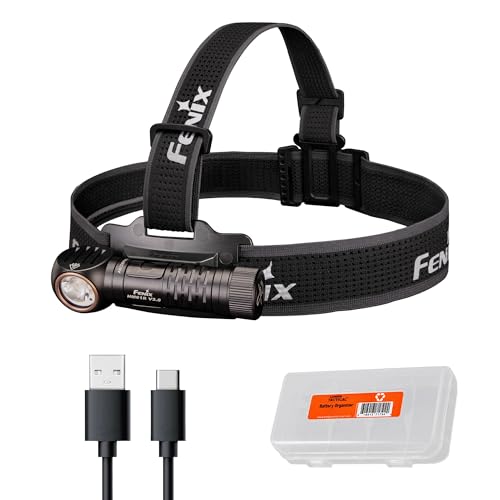


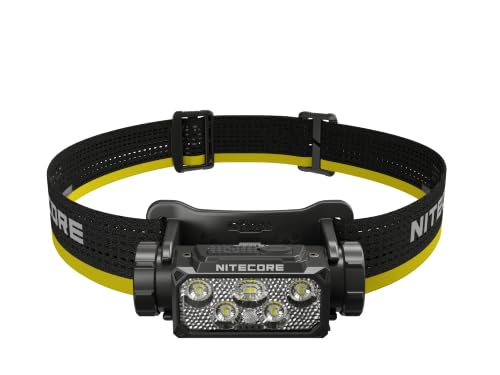


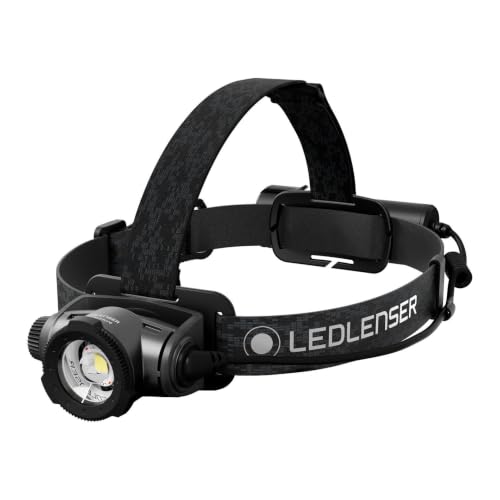


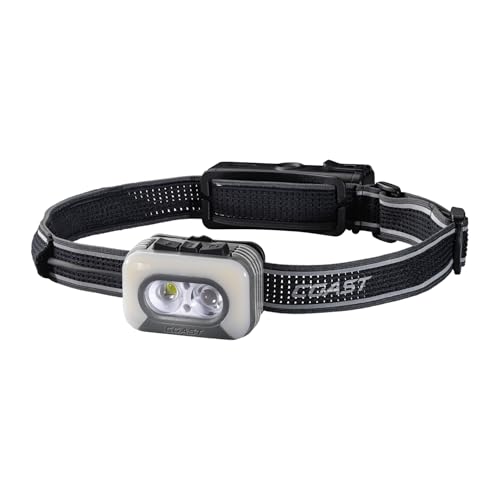


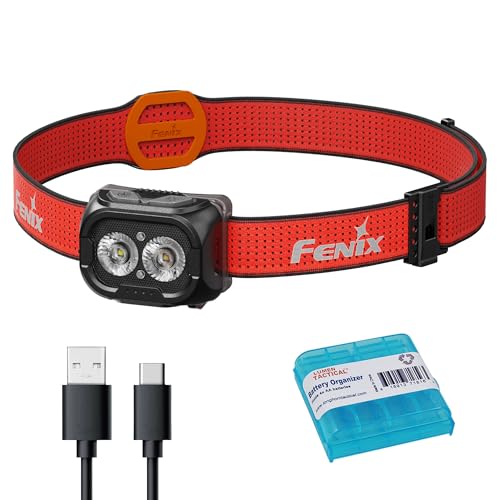


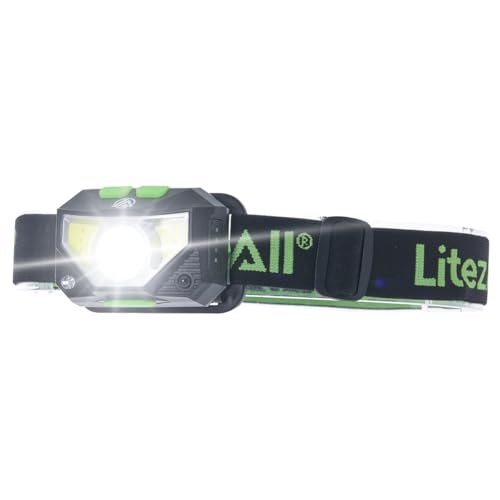
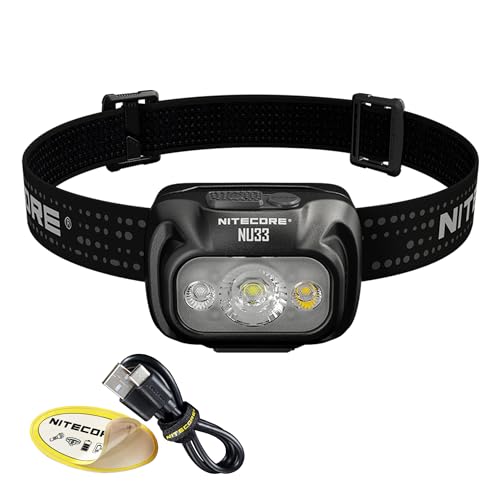


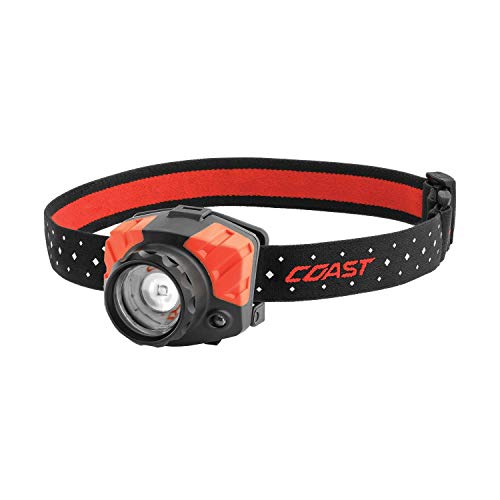


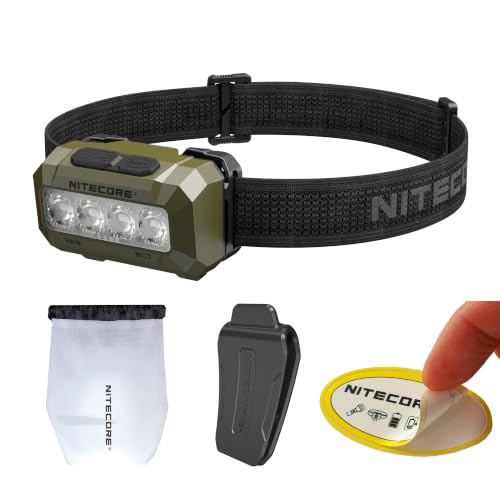


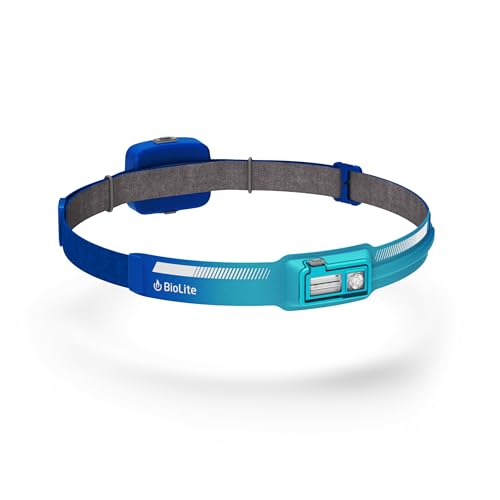


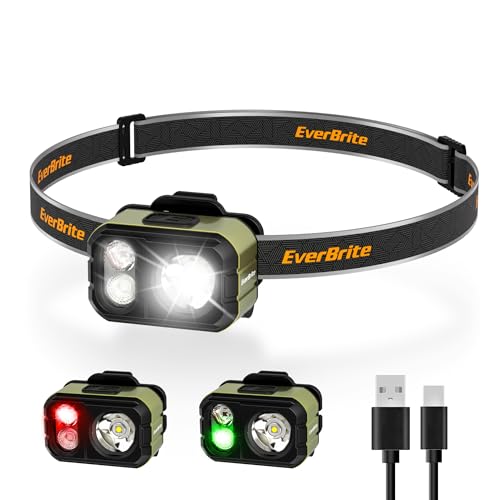


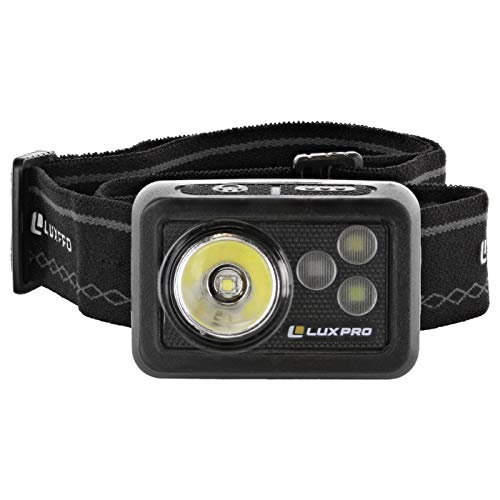


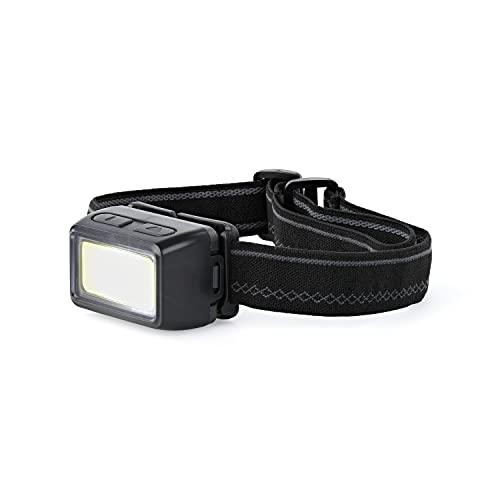


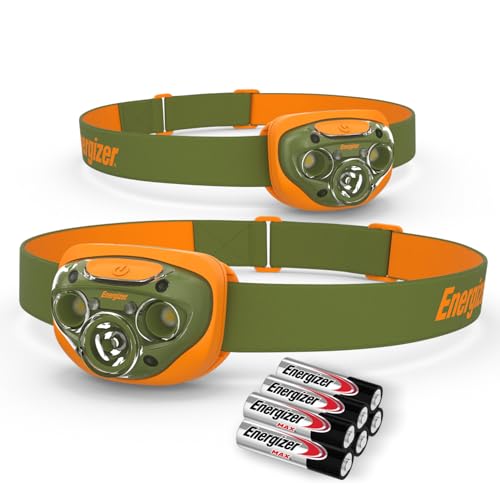


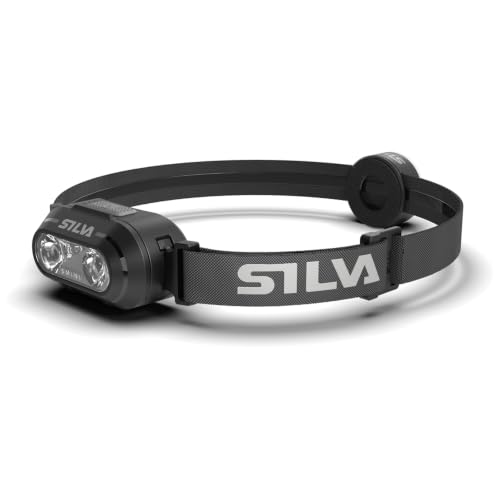


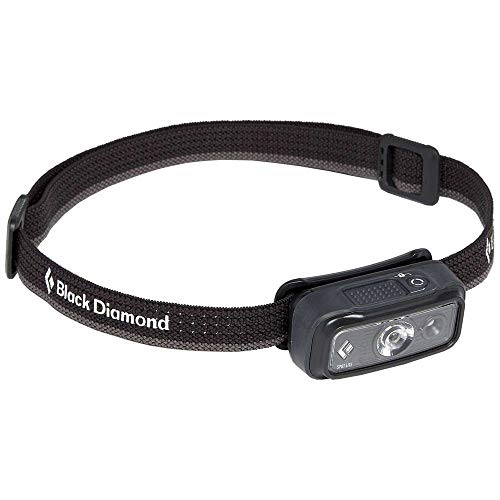
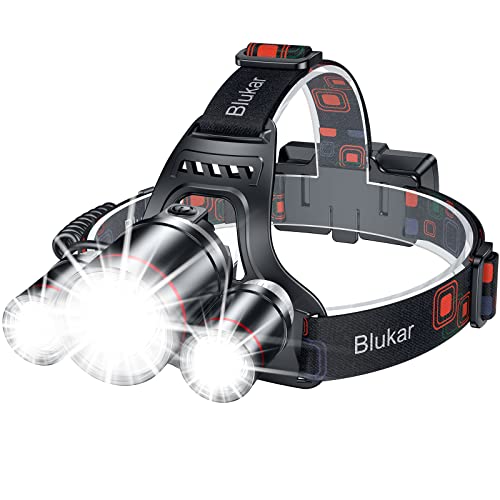


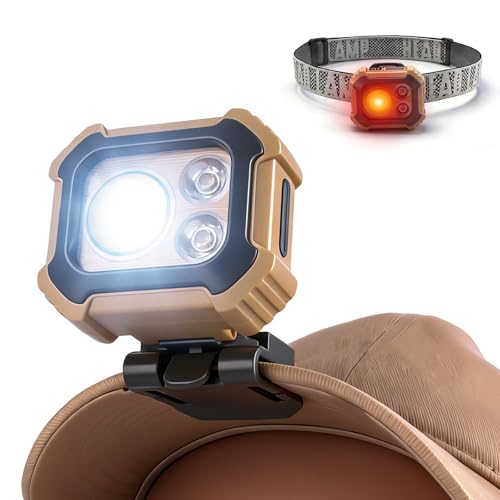


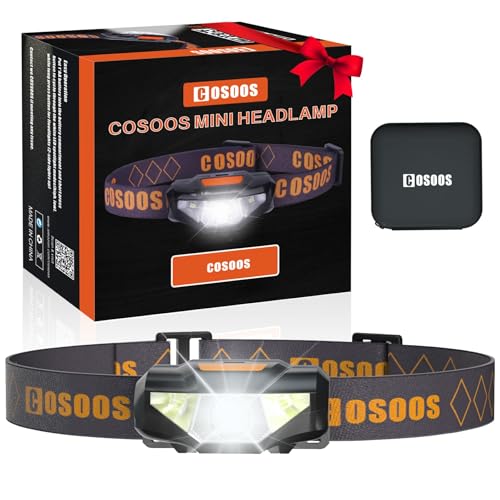


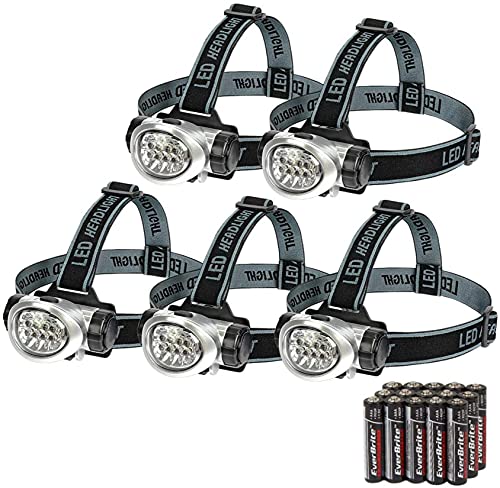


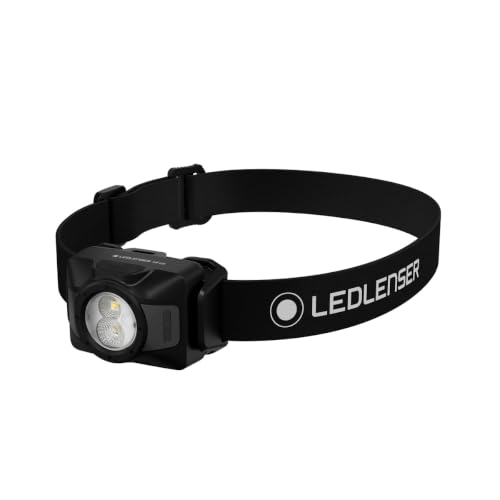


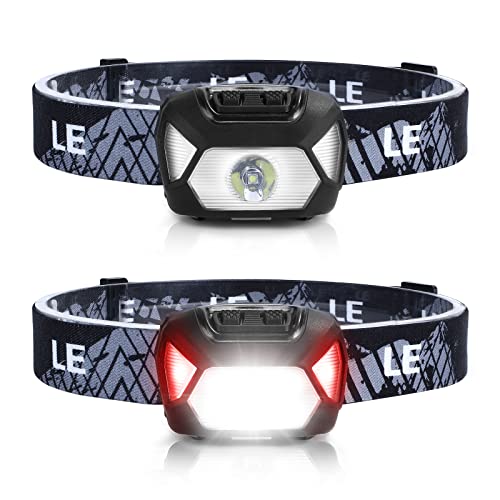


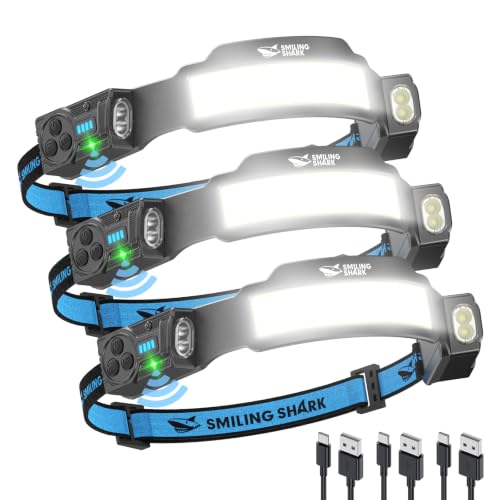


What’s in this listEvery headlamp we track on Amazon US, brightest stated output first. “—” means neither the maker nor the Amazon listing states it.
What a headlamp is, and what the box is promising
A headlamp is a light you wear: a lamp body, a strap, and a battery either inside the body or in a pack on the back of the strap. People search for it as a head flashlight, a headlamp flashlight or an LED headlamp. It's the same tool. Almost every one sold now runs on LEDs, so the useful questions are about light, battery and weather, not bulbs.
Here's what makes the spec sheets readable. Most makers test to a voluntary standard called ANSI/PLATO FL 1. Streamlight explains that it was written with the American National Standards Institute, the National Electrical Manufacturers Association, the Portable Lights trade group and 14 lighting companies. Each maker runs its own tests or hires a lab. If one claim on a package uses the standard, every claim on that package has to follow it.
Real talk: that's the closest thing to a fair fight you'll get on a shelf. It doesn't make anyone's numbers checked by a third party, but it does make two boxes speak the same language.
The table on this page lists headlamps sold on Amazon US, brightest stated output first. It shows output, beam distance, runtime, power source, red and green modes, water rating, beam type, tilt and weight. Weight is the maker's alone; the other columns use the maker's numbers first and the Amazon listing's where the maker is silent, marked as listing values. A dash means neither states it, and I'd rather show a dash than guess.
How to read a headlamp spec sheet
These are the columns in the table, in the order I'd look at them after a long day of being wrong about one of them.
Max output: lumens are a total, not a distance
Lumens measure all the light coming out of the lamp in every direction. Under FL 1 it's measured in an integrating sphere, a hollow ball that catches every bit of the beam. It says nothing about where that light goes.
One maker's guide puts basic jobs (reading, cooking, walking in the dark) at 150 to 250 lumens. The same maker says over 400 lumens is for route-finding and rough terrain. In camp, the high mode is mostly for finding the one tent stake Walt kicked into the leaves.
The catch is that "max" is the top mode only. The Black Diamond blog points out that a brighter light run on a medium setting lasts longer. So read max output as headroom, not as the light you'll live in.
Beam distance: the moonlight line
Beam distance is how far out the beam still delivers 0.25 lux. Streamlight's FL 1 presentation compares 0.25 lux to a full moon "on a clear night in an open field". Past that point you have light, just not much of it.
Makers don't walk a tape measure out into a field. They measure peak beam intensity in candela (the brightness of the hottest part of the beam), then use the inverse square law to work out the distance. The square root in that formula has a practical meaning. To double the beam distance, a lamp needs four times the candela.
Makers report beam distance in meters. Our table converts it to feet. For close work, the same maker's guide says 30 to 60 meters is plenty, which is roughly 100 to 200 feet. A long throw matters when you're scanning a field edge or a far trail marker. It matters a lot less when you're looking for the coffee.
Max runtime: measured to 10%, not to dark
This is the column people misread most, and I include myself. FL 1 runtime starts 30 seconds after you switch on with fresh batteries. It stops when output falls to 10% of that starting level. The lamp may keep glowing well past that point, but it's no longer the light on the box.
Our table lists the longest runtime the maker or the listing states, which is nearly always the lowest mode. One maker's spec sheet shows how wide that gap gets. Its lamp makes 400 lumens on high for 2.5 hours on AAA cells, and 6 lumens on low for 200 hours. Same lamp, same batteries. The highest number in each column comes from opposite ends of the switch.
Here's my one opinion for this page: read the middle of the runtime table, not the ends. The reason is in the 10% rule. The low mode is too dim for walking, and the high mode is a sprint. The setting you'll use most is somewhere between, so check the maker's mode-by-mode chart before you trust a headline number.
Power: which battery you're signing up for
The power column says how the lamp is fed:
- Rechargeable built-in: a sealed lithium-ion battery, charged by USB
- Rechargeable removable cell: a pack or cell you can pull out and swap
- AAA or AA: disposable or rechargeable cells you buy anywhere
- Hybrid: a rechargeable pack or standard AAA cells in the same lamp
FL 1 tests use fresh batteries of the type sold with the product. Petzl adds that the battery brand you buy can change how a lamp performs against the rated numbers. The whole charging, storage and cold-weather story lives on the rechargeable headlamp page.
Red light and green light: modes for keeping your eyes
The red light column marks lamps with a red mode, as the maker or the listing states it. The National Park Service explains why that matters. Night vision depends on a chemical in your eyes that builds up over 20 to 40 minutes, and a few seconds of bright light breaks it down again. Deep red light doesn't trigger that breakdown.
Green shows up less often in the table. Princeton Tec says green gives more contrast and suits spotting animals at a distance and reading fine map detail. If red is the main reason you're shopping, the red light headlamp page covers the modes, the controls and what deer actually see.
Water rating: splash, dunk or swim
FL 1 borrows its water ratings from the IEC 60529 standard. Streamlight's presentation lays them out:
- IPX4: water splashed from any direction has no harmful effect
- IPX7: survives temporary immersion, tested in a reservoir about 1 meter deep
- IPX8: survives continuous immersion under conditions the maker states, tougher than IPX7
Every test sample has to work normally right after the test and again 30 minutes later. For IPX4, some water inside is allowed as long as the lamp keeps working. IPX4 covers November rain. IPX7 or IPX8 covers the creek crossing where your foot finds the one wet rock. (Ask me how I know.)
Beam: spot, flood or both
The beam column says which patterns the lamp throws. Princeton Tec describes them this way. A flood is a wide, even beam for close tasks that lets your side vision work. A spot is a narrow beam for distance, and it suggests hunters may want a spot for scanning distant areas.
Spots usually use more power and run shorter, per the same article. A dual beam does both at once and also tends to run shorter. A lamp with both modes on separate settings gives you the choice. For camp chores, flood is the mode you'll leave on.
Tilting head: aim without bending your neck
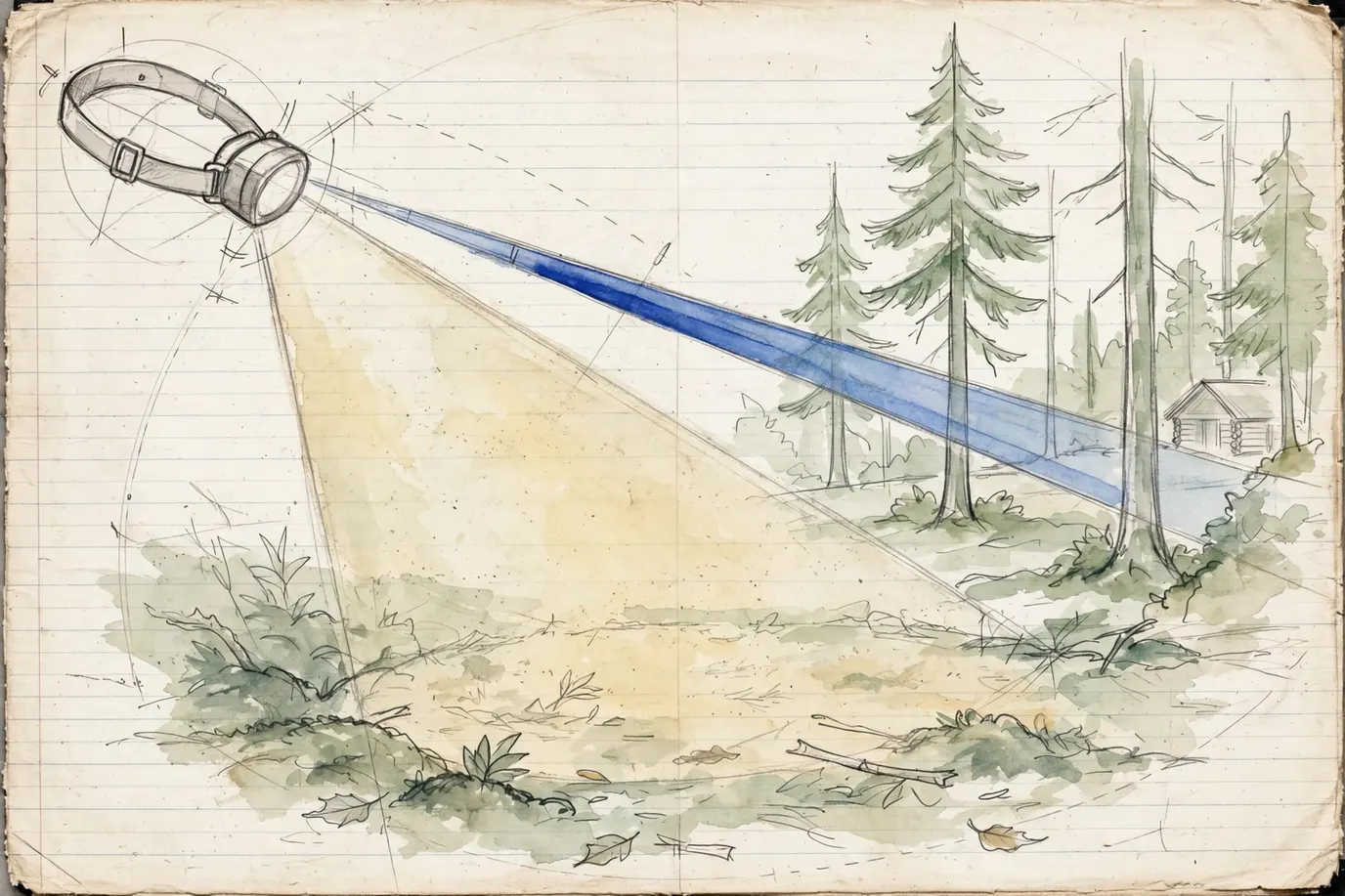
A tilting head means the lamp body pivots on its mount, so you can point the beam at your boots or straight ahead without craning. It sounds small. It's not small after an hour of tying a tarp at a funny angle.
Weight and pack count
Weight is listed in ounces from the maker when the maker gives it. A lamp with its battery in a rear pack spreads the weight around your head, and a lamp with everything up front puts it all on your forehead. The pack column matters too, because multi-pack listings are common in this type. Two lights in a box is a backup light, not a brighter one.
Kinds of headlamps and who each one fits
The sub-types split mostly by battery and by mode:
- Rechargeable: suits frequent use when you can charge between trips, per Black Diamond. Black Diamond describes its rechargeables as typically more powerful than its battery models.
- AAA or AA: suits long trips away from outlets, since spare cells weigh little and go in a pocket. For AA lamps, one maker rates its lithium AA cells from -40°F to 140°F.
- Hybrid: Petzl says its rechargeable pack suits frequent, heavy use and standard batteries suit occasional use, with a very long burn time.
- Red or RGB modes: for walking in before light and for camp at night, where white light would blind your crew.
For the walk to a stand or blind, I'd want a red mode, a spot for the field edge and a lockout. For camp, a wide flood and a long runtime on medium matter more than throw. Tracking at night is a separate job with its own lights, and those are on the blood tracking light page. Lighting a whole table is a lantern's job, and lanterns are on the camping lantern page.
Setup and care
A few habits do more for a headlamp than any upgrade.
Set the strap before the first trip
Adjust the strap at home with the hat you'll actually wear in November. A strap set over bare hair in August will slide over a fleece cap. Then put it on and walk around the yard. If the lamp bounces, tighten it now, not on the walk in.
Use the lockout in a pack
A headlamp that switches on in your pack spends the battery you needed at 5 a.m. One maker describes its digital lockout as protecting against accidental use when the lamp is stored in a pack or pocket. Learn the lock sequence at the kitchen table. Nobody learns it well in the dark.
Keep it warm when it's cold
Petzl says both standard and rechargeable batteries are sensitive below 32°F. Between 32°F and -4°F, burn time can drop by up to 50%. Its advice is to keep the lamp warm when it's not in use, for example in a pocket. An inside chest pocket beats the outside of the pack.
Dry it out and store it empty
One maker's IPX8 lamp notes that water may get into the battery compartment and the light will still work. It should then be dried out completely. For long storage, Petzl says to take the batteries out and keep them somewhere cool and dry, below 77°F. Leaving cells in a drawer lamp until spring is how you meet battery corrosion.
Who should skip this page
If you only need light at a picnic table, a lantern lights everyone at once and nobody has to look at anybody. If your whole night is walking a paved campground loop, a small handheld flashlight is fine. A headlamp earns its place when you need both hands, a light that follows your eyes, and a light that stays put while you work.
Walt held out for years. His position was that a flashlight works fine, and he's right, for anybody with three hands. Try carrying a seat cushion and two thermoses that way. These days he wears a headlamp to the stand and talks about it like it was his idea. I let him have that one. I've got plenty more.
Check your state wildlife agency for rules on carrying or using lights while hunting, because they vary.
The short version: pick the mode you'll use most, then the battery, then the beam. Max lumens can come last. It's the number most people check first, and in camp it's the one that matters least.
Brands in this list
Related
Questions people ask
How many lumens for a headlamp do I need?
For camp chores, reading and walking on a known trail, one maker's guide says 150 to 250 lumens is enough. The same maker puts route-finding and rough terrain at over 400 lumens. Remember the highest output usually runs for the shortest time, so check how long the medium mode lasts before you pay for the biggest number.
Is a head flashlight the same thing as a headlamp?
Yes. Head flashlight, headlamp flashlight and head torch all describe a light worn on the head with a strap. Nearly all of them today are LED headlamps. The specs that matter are the same: output in lumens, beam distance, runtime, power source and water rating.
How far does a headlamp shine?
Look for the beam distance figure. Under the ANSI/PLATO FL 1 standard it's the distance where the beam drops to 0.25 lux, about the light of a full moon on a clear night in an open field. Makers report it in meters; our table converts it to feet.
What does IPX4 mean on a headlamp?
IPX4 means water splashed at the light from any direction has no harmful effect, so rain and sweat are covered. IPX7 means it survives temporary immersion, tested in water about 1 meter deep. IPX8 means continuous immersion under conditions the maker states, which must be tougher than IPX7.
Should I carry spare batteries for a headlamp?
For AAA or AA headlamps, yes, and for a hybrid that takes both. Petzl says burn time can drop by up to 50% between 32°F and -4°F, so cold mornings use up batteries faster than the box suggests. A rechargeable-only light needs a charged backup or a power bank instead.
Sources
- Streamlight: ANSI information — accessed 2026-10-22
- Streamlight: ANSI/PLATO FL 1 Standard (presentation) — accessed 2026-10-22
- Black Diamond: Headlamp guide — accessed 2026-10-22
- Black Diamond: How to choose the best headlamp — accessed 2026-10-22
- Black Diamond: Spot 400 headlamp (product page, output and burn-time table) — accessed 2026-10-22
- Princeton Tec: Flood or spot? Choosing the right headlamp lighting mode — accessed 2026-10-22
- Princeton Tec: RGB in the wild, how red, green and blue light help hunters — accessed 2026-10-22
- Petzl: HYBRID CONCEPT, standard batteries or CORE rechargeable battery — accessed 2026-10-22
- Energizer: Ultimate Lithium AA sell sheet — accessed 2026-10-22
- National Park Service: Dark adaptation of the human eye and the value of red flashlights — accessed 2026-10-22