Brand · Archery & Bowhunting
Stan Releases
Stan releases are handheld release aids for compound bows: the part you hook to your D-loop and fire with your thumb, a hinge rotation or rising pressure. The Stan models listed on Amazon right now are three thumb releases (OnneX Clicker, SX4 and Axis), and the grid adds thumb and hinge releases from other brands. The short version: pick the firing style first, then the handle size, then the adjustments. (Uncle Walt asked if Stan was coming to camp this year. He wasn't kidding.)
We earn a commission if you buy through our links, at no cost to you. Disclosure
Stan on Amazon US
3 models- Bow release
Stan OnneX Clicker Thumb
- Type
- Handheld thumb
- Adjustable trigger
- Yes
- Fingers
- 3/4
- Bow release
Stan Axis Thumb Release
- Type
- Handheld thumb
- Fingers
- 3
- Bow release
Stan SX4 Thumb Release
- Type
- Handheld thumb
- Adjustable trigger
- Yes


Alternatives to Stan
- Bow release · T.R.U. Ball
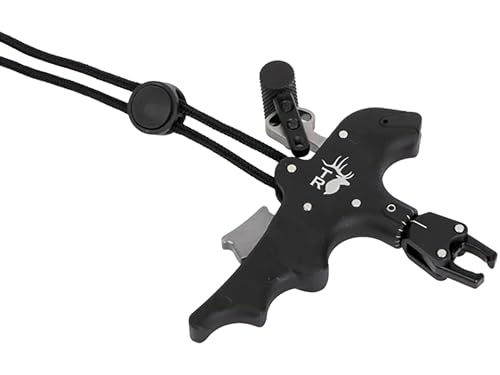
T.R.U. Ball Max Hunter 3 Finger
- Type
- Handheld thumb
- Adjustable trigger
- Yes
- Fingers
- 3
- Bow release · Trophy Ridge
Trophy Ridge Precise Pro 3-Finger
- Type
- Handheld thumb
- Adjustable trigger
- Yes
- Fingers
- 3
- Bow release · Trophy Ridge
Trophy Ridge Precise Pro 4-Finger
- Type
- Handheld thumb
- Adjustable trigger
- Yes
- Fingers
- 4
- Bow release · Tru-Fire
Tru-Fire Sear Hinge
- Type
- Hinge back tension
- Jaw / hook
- Sear
- Adjustable trigger
- Yes
- Bow release · Scott Archery
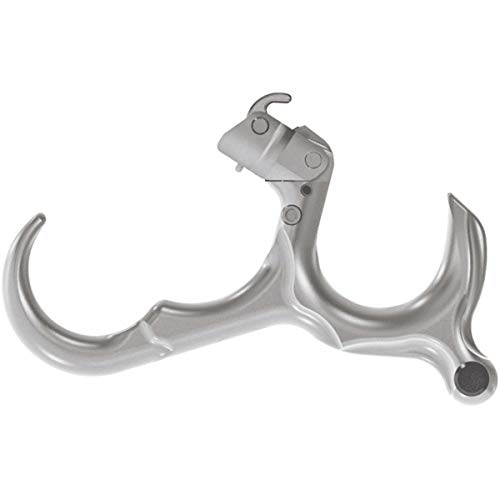
Scott Archery Ascent Micro Hinge 3
- Type
- Hinge back tension
- Jaw / hook
- Sear
- Adjustable trigger
- Yes
- Bow release · Sharrow
Sharrow Automatic Thumb Trigger 3 Finger
- Type
- Handheld thumb
- Adjustable trigger
- Yes
- Fingers
- 3
- Bow release · Scott Archery
Scott Archery Verge Hybrid Hinge
- Type
- Hinge back tension
- Jaw / hook
- Hook
- Adjustable trigger
- Yes
- Bow release · SAS
SAS CNC Aluminum Back Tension
- Type
- Hinge back tension
- Adjustable trigger
- Yes
- Fingers
- 3/4
- Bow release · Tru-Fire
Tru-Fire Synapse Dual Sear
- Type
- Handheld thumb
- Jaw / hook
- Sear
- Adjustable trigger
- Yes
- Bow release · Scott Archery
Scott Archery Apex Core Thumb
- Type
- Handheld thumb
- Adjustable trigger
- Yes
- Fingers
- 3/4
- Bow release · T.R.U. Ball
T.R.U. Ball Tactical Stalk'R 4 Finger
- Type
- Handheld thumb
- Adjustable trigger
- Yes
- Fingers
- 4
- Bow release · T.R.U. Ball
T.R.U. Ball Tactical Rave 3 Finger
- Type
- Handheld thumb
- Adjustable trigger
- Yes
- Fingers
- 3





How alternatives are pickedSame type of gear from other brands, closest first: same price tier as Stan’s own listings at our last check, then the most maker-published specs. No popularity, no paid placement.
What Stan makes for bowhunters
Stan makes one thing and goes deep on it: release aids for compound bows. Its own site sorts them into five groups:
- Thumb: handheld, fired by pressing a thumb barrel
- Hinge: handheld, fired by rotating the handle
- Resistance: handheld, fired by pressure building against the bow's back wall
- Index: fired with the index finger
- SX4: its own heading, a thumb release with a spring-assisted hook
The site also sells spare parts and merchandise (hats, hoodies, shirts, quivers), which this site doesn't list.
On this page, the Stan products in the grid are the ones available on Amazon right now: all thumb releases. The grid changes as listings come and go, so I'll write about the lines and what separates them, not about how many are listed this week. Below Stan's own products, the grid shows "Alternatives to Stan": thumb and hinge releases from other brands, so you can compare styles side by side.
Stan's About page credits the company with inventing the triggerless back tension release. Its product pages for the thumb, SX4 and resistance releases each say made in USA.
How a release aid works, in one minute
A release aid holds the bowstring (usually a D-loop tied onto it) so your fingers don't. You draw with the release, settle at anchor, and the release lets go of the loop when you fire it. Archery 360, the Archery Trade Association's site, lists four styles:
- Wrist strap index: a caliper on a padded strap, fired with the index finger like a trigger
- Handheld thumb: held in three or four fingers, fired with the thumb
- Hinge: held like a thumb release, fired by rotating the whole handle
- Tension-activated: fires as you pull harder into the cam's back wall
Archery 360 points out a useful detail about the thumb style: your anchor doesn't depend on the thumb, so moving the thumb doesn't move your anchor. With a wrist strap, the trigger finger's knuckle is part of the anchor, so finger movement can shift it.
Quick kitchen version: a thumb release is a light switch, a hinge is a dimmer knob. Both turn the light on. One tells you exactly when.
Lineup notes: Stan releases by line
OnneX Clicker Thumb
The OnneX Clicker is the thumb version of the OnneX family. Stan describes it as the evolution of the thumb button "with click": a click you hear and feel as you press, which the maker pitches for shot-sequence training. The page also says it uses the same ergonomics across all OnneX releases, so the handle feels the same whether you shoot the thumb, hinge or resistance version.
What comes in the box, per the maker:
- One OnneX body, assembled with a 3-finger attachment, medium thumb extension and medium thumb barrel
- Four finger attachments in total
- Short and long thumb extensions
- Small and large thumb barrels
- A 5/64-inch Allen key
On Amazon, the listing marks the trigger as adjustable and the finger count as 3/4, meaning it converts between three and four fingers. The listing variants come in sizes and in Sage and Heavy Metal finishes.
SX4
The SX4 gets its own heading on Stan's site. The maker's page is built around the hook: a spring-assisted hook that it says shortens the time between your decision to shoot and the string leaving, and keeps the hook in the same position every shot.
The adjustments, per the maker:
- Finger position
- Travel (how far the trigger moves before it fires)
- Tension (how hard you press)
- Thumb barrel position
Stan uses custom T10 Torx hardware on it, which the page says is meant to resist stripping. It lists interchangeable 3-finger and 4-finger setups, small and large aluminum barrels, a trainer lock, wrist strap compatibility, and sizes from small to extra extra large. The Amazon listing marks the trigger as adjustable.
Axis Thumb
The Axis is the plainest of the three. The maker describes an ergonomic 3-finger design, a short thumb extension and a small thumb barrel already installed, and a leather wrist strap attached with webbing. The page doesn't list sizes or extra finger pieces, and says other extensions aren't included. The Amazon listing matches: 3 fingers, with a wrist strap.
So the Axis is the one to look at if you want a thumb release that stays tied to your wrist on the walk in. (Uncle Walt likes anything with a strap. He's dropped enough gear in the leaves to form an opinion.)
Stan hinge, resistance and index releases
These are on Stan's site and not among its current Amazon listings in the grid:
- Hinge: Lynx Hinge and OnneX Hinge
- Resistance: OnneX Resistance, which the maker says uses a sear system and lists easy tension adjustment, the same finger and thumb parts as the OnneX Clicker, and made in USA
- Index: SoleX Index and SoleX Clicker
If the hinge or resistance style is what you're after, the alternatives in the grid include hinge releases from Tru-Fire and Scott Archery.
How to choose within the Stan lineup
Pick the firing style first
My one opinion on this page: decide how you want the shot to break before you compare models. Here's what actually changes. Archery 360 says a thumb release gives you command of each shot, and also warns that archers who know exactly when the shot breaks can start anticipating it, which is how target panic starts. A hinge or tension release breaks by surprise after steady pressure. The trade there is patience: get impatient and you'll "punch" it.
Hunters often go thumb because you can fire it on purpose when the deer steps into the gap. Target archers often go hinge for the surprise break. Neither is wrong. They're different tools for different problems.
Then pick the finger count and size
The Stan thumb releases split here:
- 3 fingers only: the Axis
- 3 or 4 fingers: the OnneX Clicker and the SX4, with swappable finger pieces
Four fingers spread the draw weight across more of your hand. Three leaves your pinky out, which some shooters find gives a cleaner thumb reach. As a physical therapist, I'll add one note: hands vary more than people think, and the "medium" glove you wear isn't a measurement of your palm. Archery 360 says a release has to fit your hand to work its best, and Stan sells the OnneX and SX4 in sizes for that reason.
Then decide how much adjustment you'll use
The SX4 and OnneX Clicker list adjustable tension and swappable thumb barrels and extensions. The SX4 also adjusts travel. More adjustment means more ways to make it fit, and more small screws to keep track of. If you'll set it once and leave it, the Axis's fixed layout is less to think about.
Handheld or strapped for the hunt
Archery 360 notes that a wrist strap release works with gloves and carries most of the draw weight on the strap, so your finger can relax. A handheld thumb release has no strap holding the weight; your fingers do that job. Stan's lineup sits on both sides of the line. The OnneX Clicker and SX4 are pure handhelds (the SX4 page says it's wrist strap compatible), and the Axis ships with a leather strap attached.
For a cold November sit, think about where the release lives between shots. On a lanyard, in a pocket, on your wrist: pick one and practice with it, because fumbling for a release with cold hands is the slowest part of any shot.
Clicker or no clicker
The click on the OnneX Clicker is feedback, not a firing change. Stan pitches it for shot-sequence training. If you're building a routine (draw, anchor, aim, press), an audible cue can help you notice where your sequence stalls. If you don't want a sound at full draw in a blind, that's worth knowing before you order.
The bow release page compares release styles and specs across brands.
Setup and practice notes from the maker
Use the trainer lock and a rope first
The SX4 lists a trainer lock, which Stan describes as a way to practice. A trainer lets you run your draw and shot sequence without the release letting go of a bow at full draw. Archery 360 recommends starting a hinge on a shot trainer or a string tied in a loop, because it's possible to fire before you reach full draw. The same habit is good with any new release.
Never dry-fire a bow. If a new release fires early, it should fire on a rope, not on your bow.
Set the thumb barrel where your thumb lands
Both the OnneX Clicker and the SX4 come with small and large thumb barrels, and the OnneX Clicker adds short and long extensions. The goal is the barrel sitting where your thumb rests naturally at anchor, so you press it without reaching. Change one part at a time and shoot a few arrows between changes. Then write the setting down, because "about where it was" is not a setting.
Tension and travel in small steps
On the models that adjust tension and travel, turn the screws in small steps. Heavier tension takes more thumb pressure to fire; more travel moves the trigger further before it breaks. Use the Allen key or Torx driver that came with it, and keep it in your bow case.
Alternatives to Stan in the grid
Stan has only a few releases on Amazon right now, so the grid adds releases from other brands below its own. They're the same product type, and the list includes both styles:
- Thumb releases from T.R.U. Ball, Trophy Ridge, Scott Archery and others, several listing a rotating head, which lets the head swivel to line up with the D-loop
- Hinge releases from Tru-Fire and Scott Archery, with sear or hook jaws per their listings
Compare them on the same fields as Stan's: firing style, finger count, whether the trigger adjusts, and the jaw type.
Where to buy Stan releases
The grid on this page links to the Stan listings on Amazon US. Stan also sells on its own site, along with spare parts. Check that the listing names the size, finger count and finish you want before you order. Stan's support page lists a service request form and a warranty policy document; read the warranty before you count on any coverage.
Style first, fingers second, screws last. Tape a note with your settings inside the release case and future you will have one less thing to argue with Uncle Walt about.
Where Stan shows up
Often compared
Questions about Stan
Are Stan releases good?
What the maker states is checkable: its thumb releases list adjustable tension, interchangeable finger pieces and thumb barrels, and say made in USA. The Amazon listings in the grid mark the trigger as adjustable on two of the three Stan models. Whether one suits you depends on the firing style you want, your hand size and how many adjustments you'll use.
Where are Stan releases made?
Stan's own product pages for the SX4, OnneX Clicker Thumb, Axis Thumb and OnneX Resistance each say made in USA. The company's support page lists an address in Auburn, New York.
What is the difference between the Stan OnneX and the SX4?
Both are thumb releases with interchangeable 3-finger and 4-finger setups, per the maker. The OnneX Clicker adds a click you hear and feel as you press, which Stan pitches for shot-sequence training, and it shares its body shape with the other OnneX releases. The SX4 page centers on a spring-assisted hook and adjustable finger position, travel, tension and thumb barrel.
Does Stan make hinge and back tension releases?
Yes. Stan's site lists hinge releases (Lynx Hinge and OnneX Hinge), an OnneX Resistance release, and index releases (SoleX Index and SoleX Clicker). Its About page credits Stan with inventing the triggerless back tension release. The Stan listings on Amazon right now are thumb releases; the grid's alternatives include hinges from other brands.
What size Stan release do I need?
Stan sells several of its releases in sizes; the SX4 page lists small through extra extra large, and the OnneX Clicker listings show sizes too. The Axis page doesn't list sizes. Size changes how far the thumb barrel sits from your fingers, so measure your hand against the maker's guidance before you order.
Sources
- Stan Outdoors: Home — accessed 2026-10-28
- Stan Outdoors: Thumb releases — accessed 2026-10-28
- Stan Outdoors: SX4 — accessed 2026-10-28
- Stan Outdoors: OnneX Clicker Thumb — accessed 2026-10-28
- Stan Outdoors: Axis Thumb — accessed 2026-10-28
- Stan Outdoors: OnneX Resistance — accessed 2026-10-28
- Stan Outdoors: Hinge releases — accessed 2026-10-28
- Stan Outdoors: Index releases — accessed 2026-10-28
- Stan Outdoors: About — accessed 2026-10-28
- Stan Outdoors: Customer support — accessed 2026-10-28
- Archery 360 (Archery Trade Association): Release aids — accessed 2026-10-28
- Archery 360 (Archery Trade Association): How to use a hinge release — accessed 2026-10-28