Brand · Archery & Bowhunting
Rinehart Targets: 3D Archery Targets, Blocks and Bags
A Rinehart target is a solid foam target, and the lineup splits three ways: life-size 3D animals (the Signature line and a few scale and competition models), foam cubes like the 18-1 and RhinoBlock, and X-Bow bag targets for crossbows. The short version: the shape tells you what you're practicing, the listing tells you which points and speeds it takes, and the inserts decide how long a 3D target lasts. (Uncle Walt calls every 3D target "the decoy". It isn't one. Rinehart makes those separately.)
We earn a commission if you buy through our links, at no cost to you. Disclosure
Rinehart Targets on Amazon US
20 models- Archery target
Rinehart Targets Signature Tom Turkey
- Type
- 3d animal
- Archery target
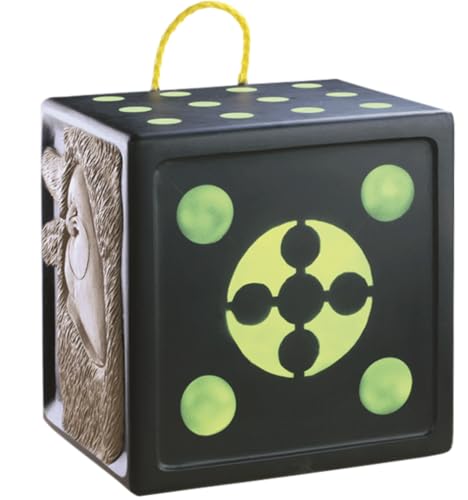
Rinehart Targets 18-1 Target
- Type
- Foam block
- Stops
- Broadheads and field points
- Speed rating
- 500 fps
- Archery target
Rinehart Targets RhinoBlock 6-Sided
- Type
- Foam block
- Stops
- Broadheads and field points
- Shooting sides
- 6
- Archery target
Rinehart Targets Field Target RFT 9"
- Type
- Foam block
- Stops
- Broadheads and field points
- Archery target
Rinehart Targets NASP 3-D Foam Target 19111
Check price - Archery target
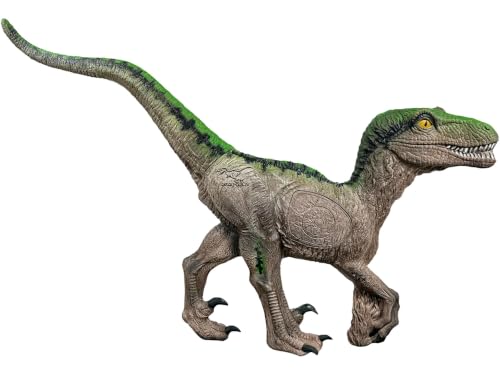
Rinehart Targets Signature Velociraptor
- Type
- 3d animal
- Archery target
Rinehart Targets 18" X-Bow Bag Target
- Type
- Bag
- Speed rating
- 450 fps
- Size
- 18 x 18 x 10
- Archery target
Rinehart Targets Signature Javelina
- Type
- 3d animal
- Archery target
Rinehart Targets Signature Big Jim
- Type
- 3d animal
- Archery target
Rinehart Targets 22" X-Bow Bag Target
- Type
- Bag
- Speed rating
- 450 fps
- Size
- 22 x 22 x 10
- Archery target
Rinehart Targets Competition 3D Grouse
- Type
- 3d animal
- Stops
- Broadheads and field points
- Archery target
Rinehart Targets Signature Antelope
- Type
- 3d animal
- Archery target
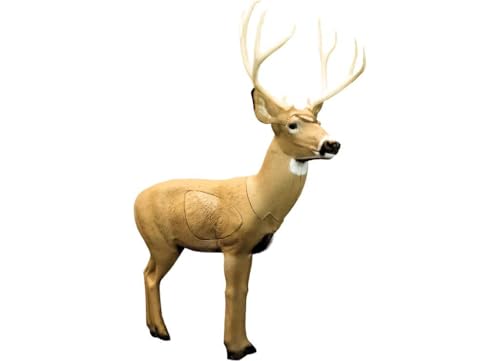
Rinehart Targets Signature Mule Deer
- Type
- 3d animal
- Archery target
Rinehart Targets Signature Strutting Turkey
- Type
- 3d animal
- Archery target
Rinehart Targets 1/3 Scale Woodland Elk
- Type
- 3d animal
- Archery target
Rinehart Targets Signature Coyote
- Type
- 3d animal
- Archery target
Rinehart Targets Signature Black Bear
- Type
- 3d animal
- Archery target
Rinehart Targets 1/2 Scale Bighorn Ram
- Type
- 3d animal
- Archery target
Rinehart Targets Standing Dahl Sheep
- Type
- 3d animal
- Archery target
Rinehart Targets Signature Groundhog
- Type
- 3d animal








What Rinehart makes for bowhunters
On this site, Rinehart Targets covers one product type: archery targets. Inside that one type, though, the lineup is wide. It splits into four groups you'll see in the grid above:
- Signature 3D animals: life-size foam animals, from a turkey to a black bear
- Scale and competition 3D targets: smaller-scale big game and a competition grouse
- Foam cubes: the 18-1, the RhinoBlock and the Field Target RFT 9-inch
- Bag targets: the 18-inch and 22-inch X-Bow bags for crossbows
The grid filters by type and changes as listings come and go. So I'll write about the groups and what separates them, not about how many are listed this week.
Most of the specs come from Amazon listings, and the grid marks them that way. Where a listing doesn't say, you'll see a dash. A dash isn't a zero. It's a blank cell in somebody else's spreadsheet.
Rinehart's own site also lists range targets for clubs and decoys. This site doesn't list those, so they're not in the grid.
The foam behind every Rinehart target
Here's what actually changes from one Rinehart target to the next: the shape. The foam is the common thread. Rinehart calls it solid self-healing foam and says the targets "can take hit after hit" without tearing. The maker also says arrow holes close up within 10 seconds, and that the foam resists damage from ultraviolet light.
Quick kitchen version of self-healing: it's a memory-foam pillow, not a slice of bread. Press your thumb into bread and the dent stays. Press it into the pillow and it comes back. That's the idea, at least as the maker describes it.
Rinehart also says no lubricant and no arrow puller are needed. I keep a puller in my bag anyway. It's for the arrows I put in the hay bale behind the target (more on backstops below).
Lineup notes: Rinehart 3D targets
The Signature line
The Signature targets are life-size 3D animals. Rinehart's about page says its first target was the Velociraptor, and that it later created the first patented locking inserts for its 3D targets. The Velociraptor is still in the grid, which tells you something about the brand's sense of humor.
The Signature animals in the grid, sorted by what you'd hunt with them in mind:
- Deer: Signature Big Jim and Signature Mule Deer
- Turkey: Signature Tom Turkey and Signature Strutting Turkey
- Bear: Signature Black Bear
- Other game: Signature Antelope, Signature Javelina, Signature Coyote and Signature Groundhog
- Not game: Signature Velociraptor
A 3D target is the closest you get to a real shot angle without a real animal. You practice from a stand, quartering away, at the yardages you actually hunt. A foam cube teaches you to hit a dot. A 3D deer teaches you where the dot is on a deer.
The listings for the Signature animals give the animal and the target type, and not much else. They don't state a point rating, so check the maker's page for the exact model before you put broadheads in one.
Scale and competition targets
A few 3D targets in the grid aren't life-size:
- 1/3 Scale Woodland Elk: an elk at a third of full size
- 1/2 Scale Bighorn Ram: a ram at half size
- Competition 3D Grouse: a small bird target; its listing names broadheads and field points
- Standing Dahl Sheep: a sheep on its feet, per the name
Quick math on scale targets. A 1/3-scale elk at 20 yards looks about like a full-size elk at 60 yards, because size on your eye shrinks in proportion to distance. That's useful practice if you want long-shot pictures in a short backyard. It's not a reason to take long shots at real elk.
The grid also carries the NASP 3-D Foam Target 19111. Its listing gives no specs, so there's nothing in the table to compare yet. Rinehart's home page lists a NASP bullseye target among its products.
Locking inserts: the part that wears out
On a 3D target, the vitals take most of the hits. Rinehart's answer is the locking insert: a foam piece in the high-impact area that comes out and gets replaced. The maker says the internal locking insert tubes make replacement easy, and that inserts extend the target's life.
Rinehart's site sells inserts by target name, for example the Signature Velociraptor, the Signature Black Bear and the 1/3 Signature Elk. Write the target's exact name somewhere you'll find it in two years. "The deer" is not a part number. (I have a spreadsheet column for target names. It's the only column nobody at camp has ever made fun of.)
More on 3D targets from other makers is on the 3D archery target page.
Lineup notes: Rinehart foam cubes
The Rinehart 18-1
The 18-1 is the target people search for by name. The maker gives it as 15 by 15 by 15 inches with 18 shooting sides, and says it takes broadheads, field points and even expandables. Its Amazon listing adds a 500 fps rating.
Eighteen sides on something called a cube sounds like a geometry mistake. The maker's point is simple: you rotate to a fresh face as you shoot, the way you'd turn a steak, and the wear spreads out.
The maker's page says it's light enough to carry by its own handle, for practice at the club, in the backyard or at hunting camp. Rinehart's about page calls it the archery industry's only target with a full-year guarantee.
The 18-1 guarantee, in plain words
Rinehart's warranty page lays out the terms:
- 12 months from the date of purchase
- All 18 sides must be worn so that an arrow goes in up to the nock
- Each face must show at least a 3-inch arrow group
- Not covered: the rope handle and paint, factory seconds, damage from neglect or bad storage
- Personal use only, not dealer or club ranges
You start a claim by calling or emailing Rinehart, and the remedy depends on returning the target to Rinehart or an authorized dealer. Keep the receipt with the target. A receipt in a drawer three states away is a philosophical receipt.
RhinoBlock and the Field Target RFT 9-inch
The RhinoBlock is a 6-sided block. Its listing gives 16 by 16 by 13 inches and names broadheads and field points. Fewer sides than the 18-1, larger faces.
The Field Target RFT 9-inch is the smallest cube in the grid. Its listing names broadheads and field points too, and gives no dimensions beyond the 9 in the name. It's a carry-anywhere target. Small targets are also easy to miss, so set it up with a big backstop behind it.
Foam blocks and cubes from other makers are on the archery target page.
Lineup notes: Rinehart X-Bow bag targets
The X-Bow bags are made for crossbows. Two sizes are in the grid:
- 18-inch X-Bow Bag: 18 by 18 by 10 inches, 450 fps rating per the listing
- 22-inch X-Bow Bag: 22 by 22 by 10 inches, 450 fps rating per the listing
Rinehart describes its bag targets as built for easy arrow removal, with multi-layer construction for compound and crossbow shooters. The maker's site also sells a replacement cover for the 18-inch X-Bow bag that fits over the existing cover.
The fps rating is the deciding spec here. The rating is the top speed the listing says the target is meant to take. Check your crossbow's stated speed against the target's rating before you shoot. More on crossbow targets is on the crossbow target page.
The X-Bow bag listings don't state a point rating. Use field points in a bag unless the maker's page for that exact bag says broadheads are fine.
How to choose within the Rinehart lineup
Start with the point you shoot
My one opinion on this page: pick the target by the point on your arrow, not by the animal on the box. Here's the reason, from the grid itself. Some Rinehart listings name broadheads and field points (the 18-1, RhinoBlock, Field Target RFT 9-inch and Competition 3D Grouse). The bag listings name a speed but no point type. The Signature listings name an animal but no point type. If you practice with broadheads before the season, start with the targets whose listing says so.
Then match the speed
For crossbows and fast compounds, compare your bow's stated speed (FPS, feet per second) to the target's rating. The 18-1 listing gives 500 fps. The X-Bow bags give 450. A dash means the listing doesn't say, which means check the maker before you shoot a fast bow into it.
Then decide what you're practicing
- Form and grouping: a cube or block, many faces, easy to rotate
- Shot angles and the vitals: a Signature 3D animal at hunting yardage
- Crossbow sight-in: an X-Bow bag rated for your crossbow's speed
- Long-range pictures in a short yard: a scale target
Then think about the insert
If you buy a 3D target, you're also buying into its inserts. Note the exact model name when you order. That's the name you'll need for the replacement.
The broadheads page covers the heads themselves. Other target makers on this site include Block, Bigshot and Morrell.
Backstops and backyard safety
A target is only half the setup. Archery 360 says the backstop should be larger than the target and able to stop arrows. Without a backstop, it says to allow 25 yards of clear space behind the target, and to keep that space even with a backstop if you can.
- Never shoot toward roads, houses or places where people walk or gather
- Set small targets low so you shoot at a downward angle and misses stay short
- Check your town or county rules before you set up a backyard range
- Keep broadheads in a closed case when they're not on an arrow
Walk behind your target before the first arrow and look at what's back there. Then shoot.
Who's behind Rinehart Targets
Rinehart's about page says John Rinehart started working with foam in 1997, after finding the targets he used didn't hold up. He founded Rinehart Targets in 1999. The first target was the Velociraptor, and the company later created the first patented locking inserts for its 3D targets.
In 2005, the page says, John stepped down and handed the company to his daughter, Barbara (Rinehart) McGovern, and her husband, James McGovern. The page also says Rinehart added its first bag target, the Rhino Bag, in 2013. The company calls itself family-owned, describes its products as American-made, and lists an address in Janesville, Wisconsin.
Write the model name, the purchase date and the warranty phone number on the bottom of the target in marker. Future you will be in a hurry and will thank present you.
Where Rinehart Targets shows up
Questions about Rinehart Targets
Are Rinehart targets good?
What the maker and the listings state is checkable: Rinehart says its targets use a solid self-healing foam and that its 3D targets have replaceable locking inserts. The 18-1 and RhinoBlock listings name broadheads and field points, and the X-Bow bag listings give a 450 fps rating. Whether one suits you depends on your points, your bow's speed and what you practice. The grid lists those values.
What is the Rinehart 18-1?
The 18-1 is a foam cube with 18 shooting sides. The maker gives it as 15 by 15 by 15 inches and says it takes broadheads, field points and expandables. Its Amazon listing gives a 500 fps rating. Rinehart backs it with a 12-month guarantee: shoot out all 18 sides under the warranty's conditions and the maker replaces it.
Can you shoot broadheads into a Rinehart target?
The 18-1, RhinoBlock, Field Target RFT 9-inch and Competition 3D Grouse listings name both broadheads and field points. The maker's 18-1 page adds expandables. The X-Bow bag listings don't state a point rating, so check the maker's page for a bag before you put broadheads in it.
Can you replace the insert on a Rinehart 3D target?
Yes, on the 3D targets. Rinehart says its 3D targets use internal locking insert tubes for quick replacement of the high-impact area, and its site sells inserts for named models such as the Signature Velociraptor, Signature Black Bear and 1/3 Signature Elk. Order the insert by the target's exact name.
Where are Rinehart targets made?
Rinehart describes itself as a family-owned company making American-made products. Its site lists an address in Janesville, Wisconsin. The about page says John Rinehart founded the company in 1999, after starting work on the foam in 1997.
Sources
- Rinehart Targets: About Rinehart — accessed 2026-10-28
- Rinehart Targets: Why Rinehart — accessed 2026-10-28
- Rinehart Targets: Home page and target categories — accessed 2026-10-28
- Rinehart Targets: 18-1 (Eighteen to One) — accessed 2026-10-28
- Rinehart Targets: 18-1 warranty — accessed 2026-10-28
- Archery 360 (Archery Trade Association): Is it safe to shoot in my yard? — accessed 2026-10-28