What Zippo makes for hunters and campers
On this site, Zippo covers two product types:
- Lighters: the windproof pocket lighter in many finishes and designs, plus a rechargeable candle lighter
- Tinder and matches: Tinder Shreds, Typhoon Matches and cedar fire starters
Zippo's own product pages list more: butane torch and arc inserts for the windproof case, hand warmers, multipurpose and utility lighters, a torch, and camping gear like a fire-starting multi-tool and a bellows. This site doesn't list all of those. The grid above filters by type and changes as listings come and go, so I'll write about the kinds of Zippo and what separates them, not about how many dragons are listed this week.
Most specs here come from Amazon listings, and the grid marks those values. Where a listing doesn't say, the grid shows a dash.
Lineup notes: the Zippo lighter
The windproof lighter
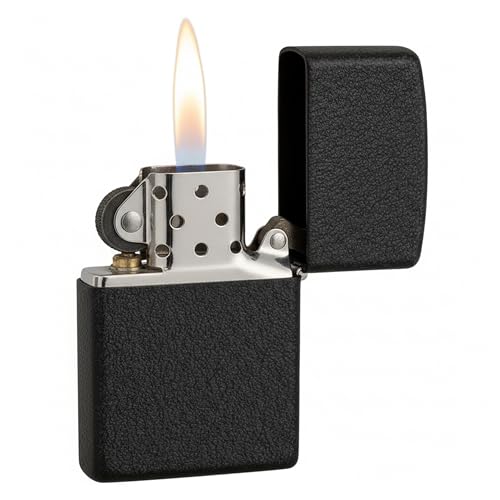
This is the one. A metal case with a hinged lid, and inside it a removable insert: a chimney around the wick, a flint wheel, a flint pushed up by a spring, and packing that holds the fuel under a felt pad. Every windproof Zippo in the grid lists the same three facts: lighter fluid, a wick and refillable.
Zippo's product pages describe it as all metal construction with a windproof design, and say made in USA. Zippo's history page says the first one was produced in 1933 in Bradford, Pennsylvania.
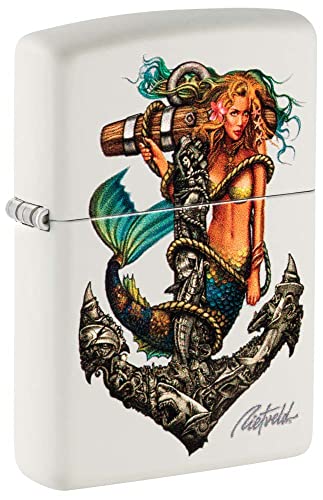
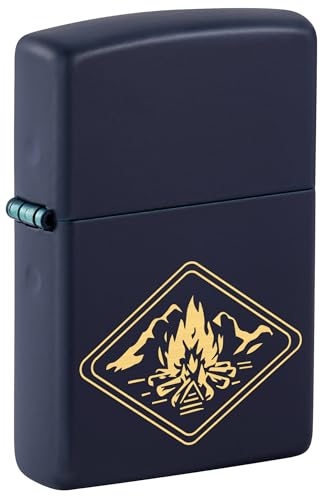
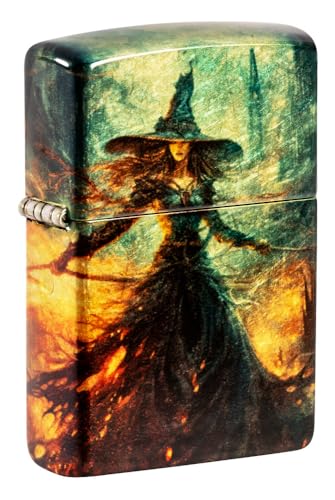
The designs in the grid run from plain finishes like Street Chrome and Black Crackle to engraved and printed cases: flags, firefighters, dragons, aces, a fighter plane's shark teeth, a campfire. Under the art it's the same lighter. If you're buying for a hunting buddy, buy the design. If you're buying for yourself, buy the finish you won't mind scratched, because it will get scratched.
Finishes and what they mean
The finish name sits in the listing title, usually right after the design. The ones in the grid fall into a few families:
- Chrome: Street Chrome, Brushed Chrome, Satin Chrome
- High Polish: in brass and in colors
- Matte: Black Matte, Green Matte, Purple Matte, White Matte
- Black Crackle: the textured black one
- Brass: Brushed Brass, Street Brass, Tumbled Brass
Zippo's own warranty covers how the lighter works. The look of the case is a separate question, so if the finish matters, read the product page for that exact finish. (Renee says a shiny lighter on the dinner table counts as decor. I say it counts as a lighter. We've agreed to disagree since 2011.)
The rechargeable candle lighter
The odd one in the grid. Its listing names an electric arc, rechargeable, no fuel at all. Zippo's page for it says it charges by micro USB, needs a safety lock button pressed within two seconds of sliding the switch, and shuts the arc off on its own after 10 seconds. An arc lights what it touches: a candle wick, a lantern mantle, a stove burner. It won't light a log. The electric lighter page covers arc lighters across brands.
Zippo butane inserts and the arc insert
People search for a "Zippo torch lighter" and a "Zippo arc lighter." Here's how those work, per Zippo's own pages:
- Butane torch inserts: single and double torch versions that slide into a windproof case in place of the wick insert. You adjust flame height at the bottom with a flat screwdriver, a dime or a paper clip.
- Arc insert: a rechargeable insert that makes an electric arc instead of a flame, charges by micro USB, and cuts off after 10 seconds of continuous use.
Zippo notes that some torch inserts from certain date codes may not fit its Armor cases. Its pages list a two-year repair window for these inserts. This site doesn't list Zippo's inserts. For the types across brands, see the torch lighter page and the refillable butane lighter page.
Butane safety from Zippo's insert page: fill in a well-ventilated area, aim the valve away from your body, and wait at least 2 minutes before you light it. Escaped butane is extremely flammable.
Lineup notes: Zippo fire starters
Tinder Shreds
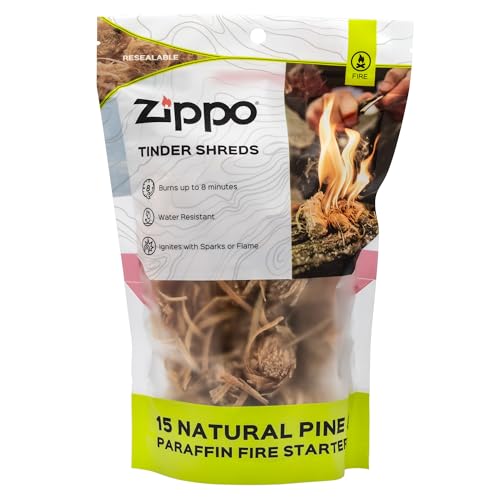
Zippo's Tinder Shreds listing describes wood wool tinder, natural, sold in packs, and gives a burn time in minutes per piece. Wood wool is shaved wood fiber. You fluff a pinch of it, light it, and lay small kindling over it. That's the whole trick.
Cedar fire starters
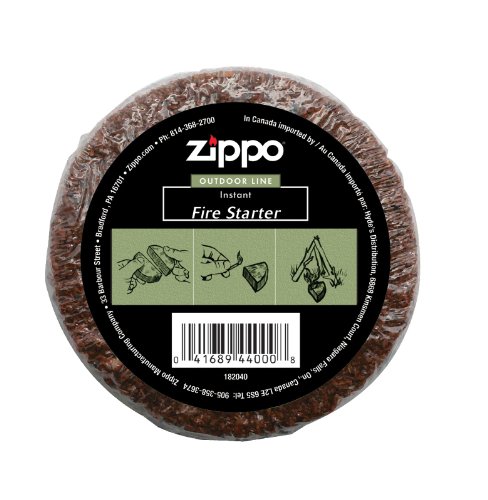
The grid has a single Cedar Campfire Starter and a set of four. The single starter's listing describes wax and wood fiber and lists a burn time in the tens of minutes. A cedar starter goes under the kindling and keeps burning while the kindling catches. On a wet November morning, that's the difference between a fire and a pile of smoky sticks.
Typhoon Matches
The Typhoon Matches listing calls them stormproof matches, in a tube with a strike pad, and gives a count per pack and a short burn time per match. Zippo's own page for them covers swapping the replaceable strike pad under the rubber end cover, and points to the instruction manual for the safety warnings. Read it before the first trip.
Matches and a lighter in the same kit is the plan I like. Two different ways to make a flame means one bad morning doesn't take out both. The fire starters page covers tinder, starters and matches across brands.
How to choose within the Zippo lineup
Wick, butane or arc first
That's the real choice, and the grid's fuel field does the sorting:
- Wick and lighter fluid: the classic windproof lighter; refill it, trim the wick, swap the flint
- Butane: a torch insert in the same case, or a butane lighter from the torch lighter page
- Arc: no flame, no fuel, a battery that needs charging
A wick lighter runs on a can of fluid and spare flints and wicks. An arc lighter runs on a charged battery and a cable. A butane insert runs on a butane can. Think about which of those three you'll actually have in the truck.
Then fill habits
My one opinion on this page: fill a windproof Zippo the night before the hunt, not the week before. Zippo's own instructions say lighter fluid will evaporate even when the lighter isn't used, to keep the lid closed, and that it's a good idea to refuel before each outing.
I learned this one the slow way. The lighter sat in the truck console from Halloween to opening day, and it made one tiny blue flicker, then nothing. The matches lit the stove. The lighter got a talking-to.
Then the finish and the design
Once the lighter type is settled, the rest is looks. Pick the finish for how it'll be carried and the design for who's carrying it. Gift-giving tip from Renee: engrave the initials, not the year. The year is how old it'll make you feel.
Care and refills for the windproof Zippo
Filling
Zippo's steps, short version:
- Pull the insert out of the case
- Lift the felt pad (an unfolded paper clip helps)
- Saturate the packing slowly, until fuel reaches the top of the packing
- Don't overfill
- Wipe the lighter and your hands dry before you light it
Zippo warns that lighter fluid is flammable, that the fuel can must be closed with no spilled fuel nearby before you light it, and that a lighter with fuel on the outside shouldn't go in a pocket or near skin.
Flint
Zippo says flints wear down with normal use and must be replaced periodically. A wheel that spins freely but throws no spark usually means a new flint. The swap: unscrew the spring at the bottom of the insert, tip out the old flint, drop in a new one, screw the spring back as far as it goes. If the wheel sticks, turn it backward a few times.
Wick
The wick turns black from carbon over time. Zippo says to pull it up with tweezers until clean wick shows, trim it even with the chimney, and do that once or twice a year. After two or three trims, it's time for a new wick, which threads through the packing in an S pattern.
Safety
Keep lighters and matches where children can't reach them. The U.S. Fire Administration's advice is to never leave lighters or matches where children can reach them and to keep them locked up in a high place.
Before any campfire, check the fire restrictions where you are. Smokey Bear's guide says to build at least 15 feet from tents, clear a 10-foot area around the ring, and keep water and a shovel close.
Zippo vs BIC
Both make pocket lighters, and they show up in the same searches. They're different kinds of lighter:
- Zippo windproof: metal case, lighter fluid and a wick, refilled by you, replaceable flints and wicks, a lifetime guarantee on windproof pocket lighters
- BIC pocket lighter: BIC's FAQ says it runs on butane, isn't designed to be refilled or repaired, and uses child-resistant features; when it's empty or damaged, you replace it
BIC's own history page says the company was founded in 1944 and launched its first full-size pocket lighter with an adjustable flame in 1973. If you want a lighter you maintain for years, that's Zippo's side of the grid. If you want a lighter you replace, that's BIC's. Plenty of camps keep both. The BIC brand page has its lineup.
Zippo facts
Here's what I could verify on Zippo's own pages:
- First lighter: produced in 1933 in Bradford, Pennsylvania, after founder George G. Blaisdell started the design in late 1932
- Family: Blaisdell's daughters inherited the business after he died in 1978; his grandson George B. Duke is chairman and Grant B. Duke is president and CEO
- Guarantee: an "it works or we fix it free" lifetime warranty on all Zippo windproof pocket lighters
- Where made: Zippo's windproof lighter product pages say made in USA
- Repairs: a repair form on Zippo's site, for windproof lighters and for other products
Fill it the night before, carry a spare flint taped inside the lid of the fire kit, and keep the matches anyway. The fire doesn't care which one lit it.