Brand · Fire & Lighting
Fukkuda Electric Candle Lighter
Fukkuda makes one thing on this site: an electric candle lighter, a USB-rechargeable arc lighter that makes a small electric arc instead of a flame. It burns no fuel, so there's nothing to refill, and it lights what you hold in the arc: a candle wick, a lantern wick, a stove burner. Because the Fukkuda lineup here is a single model, the grid adds alternatives from other brands: butane torch lighters and another arc lighter. (Renee says one lighter is a number I've never owned. She's right.)
We earn a commission if you buy through our links, at no cost to you. Disclosure
fukkuda on Amazon US
1 models- Lighter
fukkuda Electric Candle Lighter
- Fuel / ignition
- Electric (arc/plasma)
- Flame
- Arc

Alternatives to fukkuda
- Lighter · Tomolo
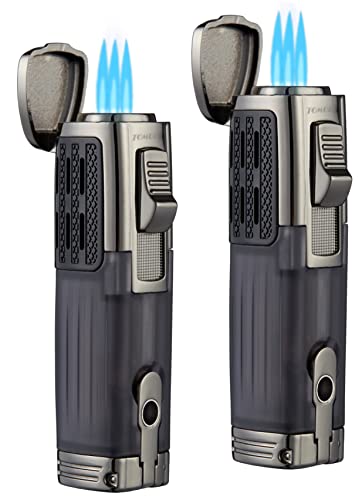
Tomolo Triple Jet Torch Lighter 2-Pack
- Pack of
- 2
- Fuel / ignition
- Butane
- Flame
- Torch/jet
- Lighter · Tomolo
Tomolo Quad Jet Torch Lighter
- Fuel / ignition
- Butane
- Flame
- Torch/jet
- Jets
- 4
- Lighter · Tomolo
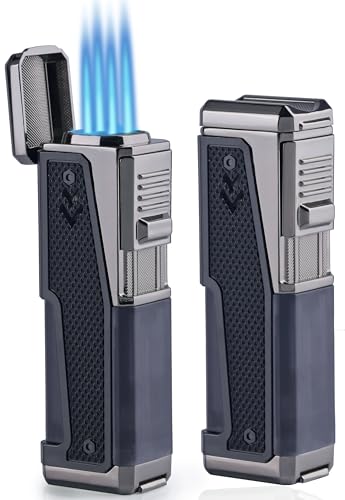
Tomolo Quad Jet Torch Lighter 2-Pack
- Pack of
- 2
- Fuel / ignition
- Butane
- Flame
- Torch/jet
- Lighter · Xikar
Xikar ELX Double Jet
- Fuel / ignition
- Butane
- Flame
- Torch/jet
- Jets
- 2
- Lighter · Vertigo
Vertigo Cyclone Triple Torch 3-Pack
- Pack of
- 3
- Fuel / ignition
- Butane
- Flame
- Torch/jet
- Lighter · Vertigo
Vertigo Cyclone Triple Torch 3-Pack
- Pack of
- 3
- Fuel / ignition
- Butane
- Flame
- Torch/jet
- Lighter · Guevara
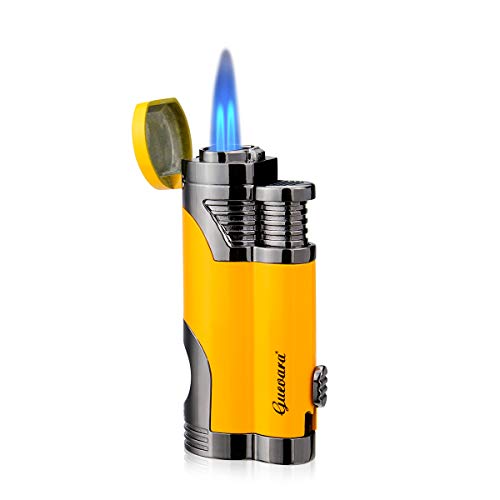
Guevara Butane Torch Lighter with Punch
- Fuel / ignition
- Butane
- Flame
- Torch/jet
- Jets
- 2
- Lighter · Guevara
Guevara 2-Jet Cigar Torch Lighter
- Fuel / ignition
- Butane
- Flame
- Torch/jet
- Jets
- 2
- Lighter · Guevara
Guevara 4-Jet Torch Lighter with Punch
- Fuel / ignition
- Butane
- Flame
- Torch/jet
- Jets
- 4
- Lighter · Guevara
Guevara Triple Jet Cigar Torch with Punch
- Fuel / ignition
- Butane
- Flame
- Torch/jet
- Jets
- 3
- Lighter · Black Beard Fire Starter
Black Beard Fire Starter Black Beard Arc Lighter
- Fuel / ignition
- Electric (arc/plasma)
- Flame
- Arc
- Lighter · Black Beard Fire Starter
Black Beard Fire Starter Black Beard Arc Lighter
- Fuel / ignition
- Electric (arc/plasma)
- Flame
- Arc
- Lighter · Urgrette
Urgrette Triple Jet Torch Lighter 2-Pack
- Pack of
- 2
- Fuel / ignition
- Butane
- Flame
- Torch/jet
- Lighter · Tomolo
Tomolo Quad Flame Cigar Torch Lighter
- Fuel / ignition
- Butane
- Flame
- Torch/jet
- Jets
- 4






How alternatives are pickedSame type of gear from other brands, closest first: same price tier as fukkuda’s own listings at our last check, then the most maker-published specs. No popularity, no paid placement.
What Fukkuda makes for hunters and campers
On this site, Fukkuda is one type of gear, lighters, and one model: the Electric Candle Lighter. Its listing describes:
- Fuel type: electric (arc/plasma), no butane
- Flame type: an arc, not a flame
- Power: rechargeable
That's the whole lineup in the grid. Because one product is a short list, the theme adds "Alternatives to fukkuda" under it: butane torch lighters from other brands and one other rechargeable arc lighter. I'll walk through both below, so you can see where a candle lighter fits and where something else fits better.
The specs come from the Amazon listing, and the grid marks those values. Where the listing doesn't say, the grid shows a dash. An empty cell is a question for the listing, not an answer.
What an arc lighter is, in plain words
A regular lighter burns fuel. An arc lighter burns nothing. A small battery feeds a circuit that pushes electricity across a gap between two tiny metal tips, called electrodes, and the electricity jumps the gap as a bright, crackling arc. The TSA's page calls it a heating element, which is the plain way to say it: it's very hot, in a very small spot.
You light something by putting it into that spot. A candle wick, the wick of an oil lantern, the edge of a fire starter cube. There's no flame to reach past the tip, so the arc lights only what touches it.
As a union electrician, I've spent most of my working life making sure electricity stays inside the box. This is the one tool where you let it out on purpose, a quarter inch at a time.
The electric lighter page explains arc lighters across brands.
Lineup notes: the Fukkuda electric candle lighter
A candle lighter is shaped for reaching
The listing calls it a candle lighter, and that tells you its shape: a long neck that puts the arc down inside a jar candle without your knuckles following it. At deer camp, the same reach works on a lantern wick behind its glass, a stove burner you don't want to lean over, or a pilot light at the back of an old cabin heater.
It's a different tool from a pocket lighter. A long neck doesn't ride well in a jacket pocket next to a phone. It rides well in a drawer by the stove or in a camp kitchen box.
Rechargeable, no fuel to buy
The listing says it's rechargeable. There's no butane can to carry, no tank to purge and refill, and no fuel smell in the kitchen box. The trade is the one every battery tool has: when the battery runs out, the tool stops, and you can't top it off from a can at the gas station. You need a USB port and time.
What the listing doesn't say
The Fukkuda listing in the grid doesn't give a number of lights per charge, a charging time, a water rating or a windproof claim in the data. So I won't. If you need one of those numbers, read the current listing for the exact model before you order.
How it compares with the alternatives in the grid
The alternatives under the Fukkuda model come from other brands, and they split into three groups by fuel and flame type.
Another rechargeable arc lighter
The Black Beard Arc Lighter, from Black Beard Fire Starter, is the other electric arc lighter in the grid. Its maker calls it windproof, waterproof and rechargeable, and says on its product page that it gives 300+ ignitions per charge. It's a pocket-shaped arc lighter built for a fire kit, where the Fukkuda model is a long-necked candle lighter. Same power source, different job. The Black Beard brand page has the rest of that lineup.
Single-jet butane torch lighters
Several alternatives are refillable butane torches with one jet: a Single Jet Butane Lighter 2-Pack from Honest, the Silver Jet Flame Lighters from Clipper, and three single-jet torches from Colibri, the Rally, the EVO Angled and the Firebird Sidewinder. A torch pushes butane through a small nozzle, so the flame comes out blue, narrow and pointed, and it reaches a little past the tip. That's the difference from an arc that matters at a fire ring.
The Colibri, Clipper and Honest brand pages cover those lineups.
Multi-jet torches
Guevara's torches in the grid list two, three or four jets, and Colibri's Firebird Afterburner lists three. More jets make a wider flame from the same tank, which helps on damp tinder and empties the tank sooner. Wider and thirstier, the same deal as a bigger cooler that needs more ice.
A soft-flame lighter
The Classic Large Reusable Lighter from Clipper lists butane fuel and a soft flame, the ordinary yellow flame of a pocket lighter, sold in a large multi-pack. A soft flame bends in the wind. It's also the simplest flame there is, and a box of them in the cabin means nobody has to ask where the lighter went. (Somebody still asks. Usually Walt. Usually while holding one.)
How to choose between an arc lighter and a butane lighter
Start with what you light
This is the deciding question, and it's simpler than the grid makes it look.
- Candles, lantern wicks, stove burners, pilot lights: a long-necked lighter reaches them; the arc or a soft flame works
- A fire starter cube or a tinder bundle you can lift: an arc or a torch works
- Kindling stacked in a fire ring: a flame that reaches under the stack; a torch is the usual tool
- A wet, windy morning: check what the maker claims about wind and water, and believe only what the maker states
The torch lighters page covers flame types and jet counts across brands. The refillable butane lighter page covers the soft-flame and torch lighters you refill from a can.
Then the power source
A rechargeable arc lighter needs a charge. A butane lighter needs butane. Both run out; they just run out differently.
Butane boils at 31°F, according to the CDC's NIOSH guide, so on a frosty morning a cold butane lighter has little gas to burn. Colibri's refill instructions say to let a lighter reach room temperature before lighting it. An arc lighter has a battery instead, and Zippo lists an operating and storage range of -4°F to 120°F for the batteries in its own arc lighters. Check the range in your lighter's own instructions. Either way, an inside pocket is warmer than a truck dashboard in November.
Then the backup
Here's my one opinion for this page, and it's about the drawer, not the lighter: a rechargeable lighter that's stored for the off-season wants a charging date written down. Zippo's instructions for its rechargeable candle lighter say batteries self-discharge, and tell owners to charge fully before long storage and at least every three months when the lighter isn't in use. So the lighter you put away in March is the lighter you charge in June and September. Write the date on a piece of tape on the lighter. Renee says my tape labels are the only filing system I keep up with.
For a fire you can't do without, carry a second way to light it. The fire starters page and the ferro rod page cover the battery-free ones.
Charging, cleaning and storage
Charging
Charge an arc lighter like any lithium-ion tool. The US Fire Administration's battery tips say:
- Temperature: don't charge below 32°F or above 105°F
- Instructions: use certified products and follow the maker's instructions
- Storage: room temperature when possible, not in direct sun or a hot car
- Warning signs: stop using a battery that smells, changes color or shape, leaks, gets too hot or makes odd noises
- Disposal: not in the trash; take it to a battery recycling location
Zippo's arc lighter instructions add two habits worth copying for any brand: use only the cable that came with the lighter, and unplug it by the plug, not the cord. Its instructions also say the lighter arrives partly charged and should be fully charged before first use. Your lighter's own manual decides the details.
Cleaning the tips
Arc lighters gather dust and soot on the electrodes, especially candle lighters that spend their life near wax. Zippo's instructions say that if the arc won't form between the two electrodes, debris may be the cause, and to clear it gently with a non-metallic item such as a toothpick. Switch the lighter off first. No metal tools in the gap.
Storage at camp
Keep it dry and out of the sun. Zippo tells owners to keep its arc lighters away from intense heat, sunlight, moisture and liquids, and to stop using one that gets unusually hot, smells or is damaged. A zip bag in the kitchen box does the job. A cabin windowsill in July does not.
Safety with any lighter
Keep lighters out of children's reach. The US Fire Administration says never to leave lighters or matches where children can reach them, and to keep them up high in a locked cabinet.
The CPSC's federal standard for multi-purpose lighters, the kind used for candles, grills and camp stoves, requires child resistance like that of cigarette lighters. Whatever the lighter, don't defeat its lock or safety switch.
Keep your fingers away from the arc and the tip. Switch it off and let the tip cool before it goes back in the drawer.
Taking a lighter on a trip
Flying to a hunt is where lighters get complicated, and the TSA's pages are plain about it:
- Arc and electronic lighters: allowed in carry-on bags with special instructions, not allowed in checked bags; you must prevent the heating element from switching on, for example with a protective case, a cover or a lock on the button
- Torch lighters: not allowed in carry-on bags and not allowed in checked bags
The TSA also says the final decision rests with the officer at the checkpoint. Check the pages again before each trip, since rules change. Driving is simpler: keep the lighter in a closed box, not loose on the seat.
Fukkuda facts
The listing covers the product, and that's what this page sticks to: an electric arc candle lighter, rechargeable, no butane. Company details like where it's based, who owns it and a warranty aren't in our data, so I've left them out rather than guess.
Walt asked if the lighter needed Wi-Fi. It doesn't. He looked disappointed, because he had a speech ready.
Keep it charged, keep it in the drawer, and the candle on the cabin table lights on the first try.
Where fukkuda shows up
Questions about fukkuda
Is the Fukkuda electric candle lighter good?
What can be checked is what its listing states: an electric arc instead of a flame, USB rechargeable, no butane. That makes it a fit for candles, lantern wicks and stove burners, the jobs a candle lighter is shaped for. Whether it suits you depends on what you light and where. Compare it with the butane torches and the other arc lighter in the grid by fuel type and flame type.
How do you charge an arc lighter?
With a USB cable, following the instructions that come with the lighter. Zippo's instructions for its own rechargeable candle lighter say to charge it fully before first use and to use only the cable that came with it. The US Fire Administration says not to charge lithium-ion batteries below 32°F or above 105°F. Charge it inside, on a table.
Can I take an electric candle lighter on a plane?
The TSA's What Can I Bring page lists arc and electronic lighters as allowed in carry-on bags with special instructions and not allowed in checked bags. It says you must prevent the heating element from switching on by accident, for example with a protective case, a cover or a lock on the button. The final call rests with the officer at the checkpoint.
Does an arc lighter work in the cold?
An arc lighter runs on a battery, not on butane, so the cold question is about the battery. Zippo gives a battery operating and storage range of -4°F to 120°F for its own arc lighters. Butane boils at 31°F, per the CDC's NIOSH guide, which is why a butane torch can struggle on a frosty morning. Keep either kind in an inside pocket.
Can an electric candle lighter start a campfire?
It lights what you can hold in the arc, so it can light a fire starter cube or a tinder bundle you bring up to it. It won't reach under a stack of kindling the way a flame does. For the fire ring, many campers carry a butane torch or a ferro rod as well. The grid's alternatives include butane torch lighters.
Where can I buy the Fukkuda electric candle lighter?
The product grid on this page links to the Fukkuda listing on Amazon US, with alternatives from other brands under it. Read the listing for the color, the pack and the charging details before you order. Some lighters may not ship to every address; Amazon shows that at checkout.
Sources
- TSA: What can I bring? Arc lighters, electronic lighters — accessed 2026-10-23
- TSA: What can I bring? Torch lighters — accessed 2026-10-23
- Zippo: Rechargeable candle lighter instructions — accessed 2026-10-23
- Zippo: Arc lighter repair FAQs and guidance — accessed 2026-10-23
- Black Beard Fire Starter: Black Beard Arc Lighter — accessed 2026-10-23
- Colibri: Lighter care and refilling — accessed 2026-10-23
- CDC NIOSH Pocket Guide to Chemical Hazards: n-Butane — accessed 2026-10-23
- US Fire Administration: Lithium-ion battery safety — accessed 2026-10-23
- US Fire Administration: Fire safety for children — accessed 2026-10-23
- US Consumer Product Safety Commission: Federal safety standard for multi-purpose lighters — accessed 2026-10-23