Fire & Lighting · Gear type
Ferro Rod
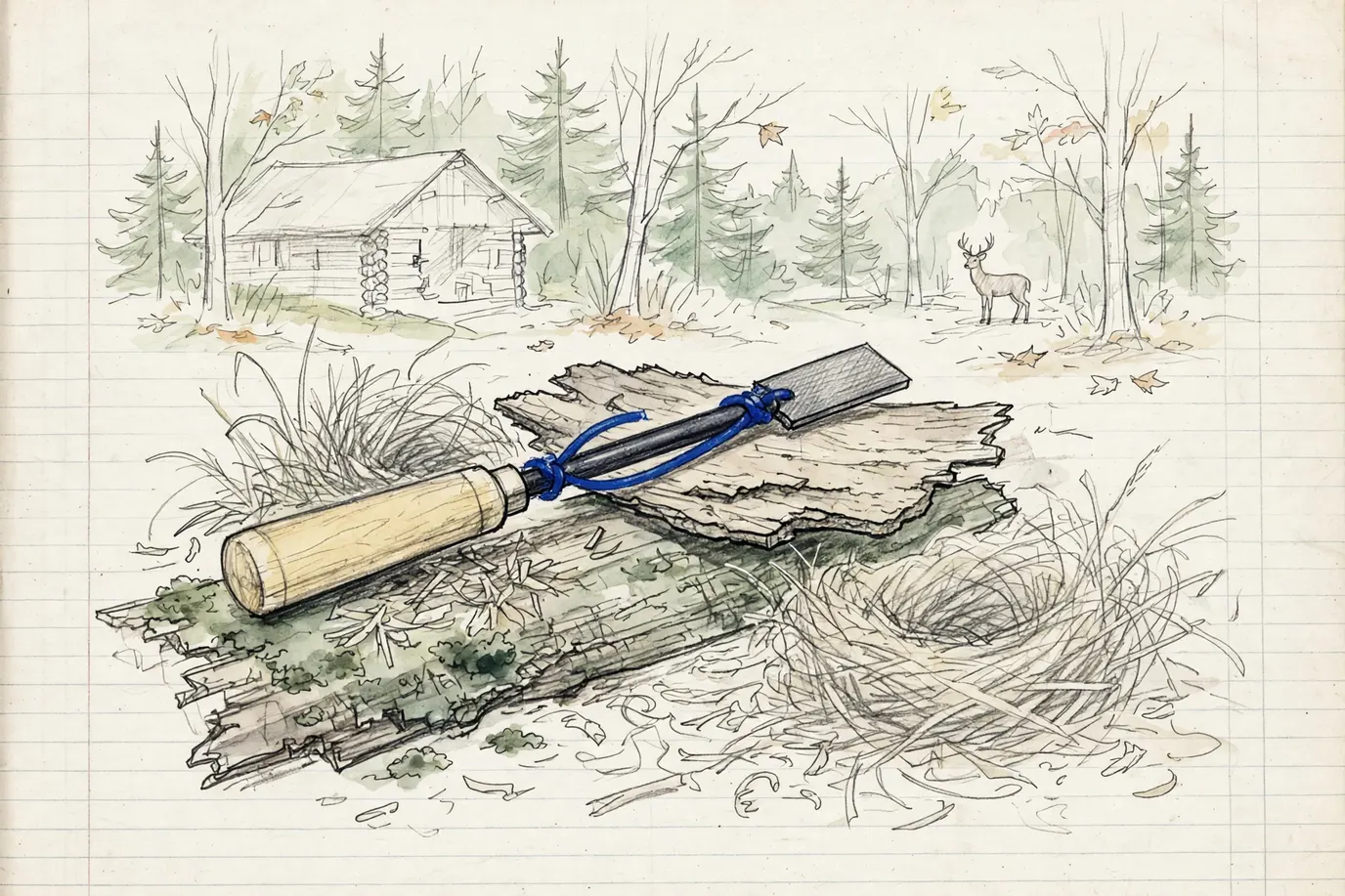
A ferro rod is a stick of ferrocerium, a man-made alloy that sheds burning shavings when you scrape it with a hard edge. It works wet, it doesn't run out of fuel, and it lights tinder, not logs. The choice comes down to three things: how thick the rod is, how long it is and what you strike it with. Get those right and the rest is practice. (Renee says I treat a ferro rod like jewelry. I wear it on a lanyard, so she has a point.)
We earn a commission if you buy through our links, at no cost to you. Disclosure
| Model | Handle | Rod length | Rod diameter | Striker included | Amazon |
|---|---|---|---|---|---|
Black Beard Fire Starter Ferro Rod Fire Starter Extra LargeFire starter More specs
| — | 5 inlisting | 0.5 inlisting | — | Check price |
Exotac fireROD XLFire starter More specs
| — | — | 0.5 inlisting | — | Check price |
Überleben Hexå Original Ferro RodFire starter More specs
| — | 6 inlisting | 0.5 inlisting | Yeslisting | Check price |
Überleben Hexå PRO Ferro RodFire starter More specs
| — | — | 0.5 inlisting | Yeslisting | Check price |
Überleben Kräftig Grip Ferro RodFire starter More specs
| Woodlisting | — | 0.5 inlisting | Yeslisting | Check price |
UCO Titan Fire Striker Ferro RodFire starter More specs
| — | — | 0.5 inlisting | Yeslisting | Check price |
Light My Fire Flint Fire Starter ArmyFire starter More specs
| Plasticlisting | — | 0.375 inlisting | Yeslisting | Check price |
Überleben Zünden Original Ferro RodFire starter More specs
| Woodlisting | — | 0.375 inlisting | Yeslisting | Check price |
Überleben Zünden PRO Ferro RodFire starter More specs
| Woodlisting | — | 0.375 inlisting | Yeslisting | Check price |
Exotac polySTRIKER XLFire starter More specs
| — | — | 0.3125 inlisting | Yeslisting | Check price |
Exotac fireRODFire starter More specs
| — | — | 0.3125 inlisting | — | Check price |
Überleben Ferro Rod Fire Starter with Hardwood HandleFire starter More specs
| Hardwoodlisting | 2.9 inlisting | 0.3 inlisting | Yeslisting | Check price |
Light My Fire Flint Fire Starter ScoutFire starter More specs
| Plasticlisting | — | 0.256 inlisting | Yeslisting | Check price |
Exotac nanoSTRIKER XLFire starter More specs
| — | — | 0.25 inlisting | Yeslisting | Check price |
Exotac polySTRIKERFire starter More specs
| — | — | 0.1875 inlisting | Yeslisting | Check price |
Coghlan's Flint Striker FirestarterFire starter More specs
| — | — | — | — | Check price |
Solo Stove Fire Striker Ferrocerium RodFire starter More specs
| — | — | — | Yeslisting | Check price |
Überleben Leicht Fire Starter NecklaceFire starter More specs
| — | — | — | Yeslisting | Check price |

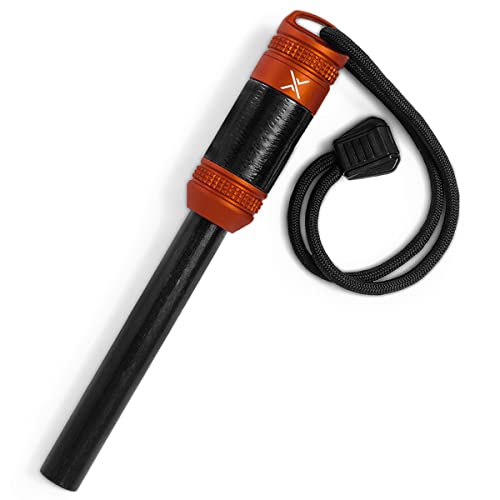


What’s in this listFerrocerium rods, thickest stated rod first. “—” means neither the maker nor the Amazon listing states it.
What a ferro rod is
Ferrocerium is an alloy built around mischmetal, a mix of rare-earth metals that Gun Digest says is too soft to spark well on its own, so it's blended with iron and magnesium compounds. Wikipedia credits the Austrian chemist Carl Auer von Welsbach with inventing it in 1903. Scrape it with something harder and it sheds shavings that catch fire in the air. You've used it already, by the way: the "flint" in a cigarette lighter is a tiny piece of ferrocerium.
A ferro rod is just a bigger version, usually set in a handle with a striker tied on. It goes by a few names on the box:
- Ferrocerium rod: the full name
- Ferro rod fire starter: the same thing with its job spelled out
- Fire steel: a name some makers use
- Flint fire starter: a common label, even though there's no flint in it
That last one matters if you're shopping by name. Wikipedia explains that real flint and steel works backward from a ferro rod: hard stone chips burning specks off a steel striker. With ferrocerium, the rod is what gives up the burning bits. A product called a "flint and steel fire starter" is, more often than not, a ferro rod with an old-fashioned name.
What a ferro rod isn't: a way to light a log. Every spark has to land on tinder that's ready to catch, and the group page on fire starters covers tinder, the other types and campfire basics. This page sticks to the rod.
How to strike a ferro rod without scattering your tinder
Most people hold the rod still and swing the striker down it like they're peeling a carrot. It throws a nice shower. It also knocks the tinder pile across the fire ring. Ask me how I know.
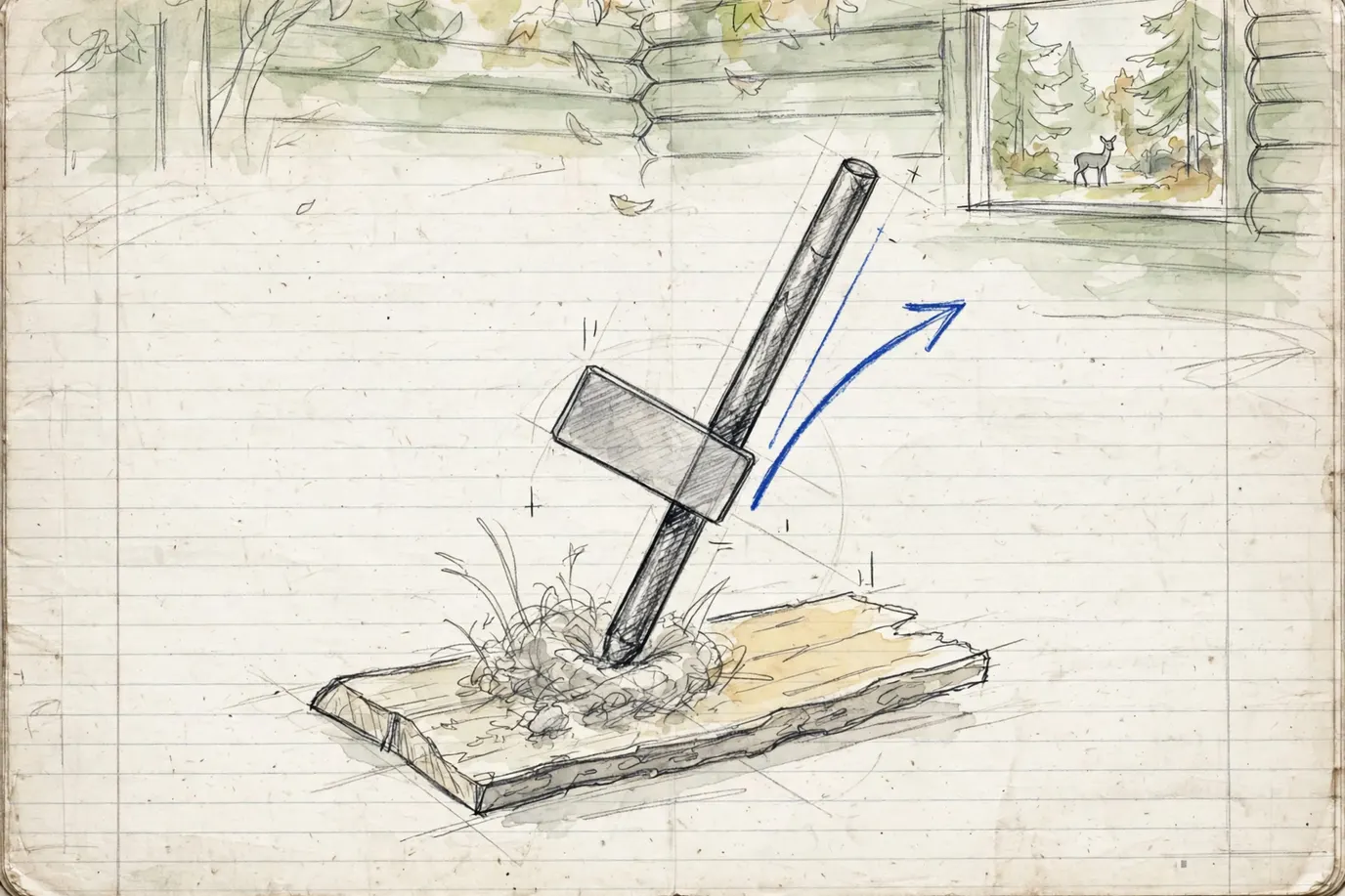
Off Grid's tip is to flip that around: hold the striker still and pull the rod back. A knife maker's fire-starting guide teaches the same move. Their steps, close enough:
- Build the tinder pile first, with more than you think you need.
- Plant the rod tip right at or in the edge of the tinder.
- Set the striker on the rod at about 45 degrees, the angle a rod maker's own guide gives.
- Press hard. That same guide says the point is to take off as much material as you can.
- Hold the striker still and pull the rod back toward you in one firm, controlled stroke.
- Use the full length of the rod each time.
Off Grid adds a detail I like: hold the striker underneath the rod so the sparks go into the center of the bundle. Slow, deliberate strokes beat fast, frantic ones; the knife maker's guide puts it as quality over quantity.
My one opinion on this page: learn the pull-back strike before you spend extra on a fancier rod. The reason is in both guides. The technique keeps the tinder in place and puts the sparks where you aimed, and that matters more than a fraction of an inch of rod. A great rod struck badly is a fireworks show with no fire.
What to look at when you pick a ferro rod
The table on this page lists ferrocerium rods, thickest stated rod first. It shows the type, rod length and diameter, whether a striker or tinder comes with it, the handle material, weight, pack count, the spark-temperature figure and whether the maker says it works wet. The maker's figures come first and the Amazon listing's fill gaps (marked as listing values), except that weight and works wet is the maker's claim only. A dash means neither states it.
Pick rod diameter first, because it sets how long the rod lasts
Diameter is the number I'd check first. A thicker rod has more ferrocerium to scrape away, and makers' strike ratings climb with it. On their own pages, one maker rates a 1/2-inch rod for more than 20,000 strikes, and another rates a 5/16-inch rod for up to 10,000. A third, compact rod is rated at 3,000.
Those ratings aren't measured the same way, so don't compare them to the strike. The pattern is the useful part: thin rods are for a keychain or a pocket, thick rods are for a pack that goes out every season. Diameters on the box are often fractions or millimeters; the table converts them to inches.
Rod length sets the stroke
A longer rod lets you pull a longer stroke, and a longer stroke throws more burning metal into the tinder. The rod maker's guide says to drag the striker the whole length. A short rod in a big glove leaves your knuckles very close to the tinder, which is a bad place for knuckles. Mid-length rods are the usual compromise between a pocket and a good stroke.
Striker included, or strike with your knife
The table shows whether a striker comes in the package. If it doesn't, you'll use the spine of a knife, which is what the knife maker's guide demonstrates, with the spine facing down toward the tinder. Try your knife on the rod at home before you count on it.
A tied-on striker is the bigger convenience. Rods and loose strikers have a way of living in different pockets.
Handle material and a lanyard
Handles in this group are wood, paracord, G10 or plastic, and the table says which. A bigger handle is easier to pull hard with cold hands. Paracord wraps can be unwound for cord. One maker's lanyard hides a flammable inner strand you can pull out as emergency tinder, which is the kind of feature I'd pay attention to and then never need. (Walt says that describes most of my gear.)
Plain rod or magnesium combo
The Type column separates a plain ferro rod from a magnesium block with a ferro insert. The combo gives you a fuel source in the same tool: shave the magnesium into a small pile, then spark it. That's handy with damp tinder. If you want the combo, the magnesium fire starter page goes into it; a plain rod is lighter and simpler.
Works wet and spark temperature are maker claims
The Works wet column says yes only when the maker says so, and ferrocerium itself handles water well. One rod maker's guide says it isn't bothered by rain, snow, heat or submersion. Another maker markets its rod for any weather at any altitude.
Spark temperature appears in the table when the maker or the listing states it. One maker quotes 2,980 °C (5,400 °F). Most quote a figure in that range, so it rarely separates one rod from the next.
Tinder included, weight and pack count
A ferro rod kit adds tinder, and the table flags it. One maker's rod handle has a sealed capsule for tinder tabs or cotton balls. Weight is in ounces where the maker gives it; pack count tells you if it's one rod or a pair. Kits get their own page: the fire starter kit page.
Hard rods and soft rods throw different sparks
Not all ferro rods behave the same, and the box rarely tells you which kind you have. Gun Digest lays out the split:
- Harder rods (more iron): lots of sparks, easy to aim, the sparks quit burning once they leave the rod, and the rod wears slowly
- Softer rods (more magnesium, sometimes called mischmetal rods): bigger burning flakes that keep burning and can even light paper, but they're harder to aim and wear faster
Gun Digest's author leans toward the harder rods for their life and aim, and suggests trying both. Fair advice. The table doesn't have a hardness column, because makers don't publish one.
Ferro rod vs magnesium vs lighter
These three get compared a lot, and they aren't really rivals.
A lighter is the fastest flame there is on a dry evening. The knife maker's guide lists its weak spots: it runs out of fuel and struggles in high wind. Matches crumble and get wet.
A ferro rod doesn't run out of fuel and doesn't care if it's wet. Its weak spot is you, standing there with damp tinder and cold fingers.
Magnesium is a booster. Mother Earth News describes shaving a pile about the size of a quarter, holding the tool within an inch of it at about 45 degrees, and striking. In wind, shave the pile into a small hollow so it stays put. The shavings burn fast, so the tinder has to be right there.
Jess's take, from the other side of the table: "The striker doesn't make the spark. You're just peeling the rod." She said it while drinking my coffee, which is its own kind of physics.
Care and storage
A ferro rod needs very little. Keep the striker with it, keep it in the kit, and use the whole length so it wears evenly. Its maker says the rod is usable down to the core.
Some handles take replacement rods. One maker sells refills that thread into the same body, so the handle outlives the rod. On a one-piece rod, the tool is done when the rod is.
Ferro rod safety
Sparks land outside the tinder pile more often than you'd like. Strike only on cleared ground, with water and a shovel within reach, and never leave the fire.
Smokey Bear's guide says to keep the fire at least 15 feet from tents and brush, never use flammable liquid to get it going, and drown, stir and drown it again until it's cool to the back of your hand. The National Park Service warns that gray coals can stay hot for hours and reignite in wind. Keep ferro rods and the rest of the fire kit out of children's reach.
Burn bans come and go with the weather and differ by state; your state wildlife agency or the land manager can tell you what's allowed.
Who should skip a ferro rod
If every fire you build is in a cabin woodstove or a campground ring ten steps from the truck, a lighter and a box of matches cover you. A ferro rod earns its place when you go farther from the truck than you'd like to walk back for a lighter: a long hike to a stand, a backcountry elk camp, the emergency bag. And if you won't practice at least once, skip it for now; buy a second lighter instead.
The rod is the easy part. Strike it in the backyard this weekend, before you need it in the dark. Then hang it on the lanyard next to the headlamp, and the spare headlamp, and the spare for the spare.
Brands in this list
Related
Questions people ask
Ferro rod vs magnesium: which is better?
They do different jobs. A ferro rod makes the spark; a magnesium block makes a small, very hot fuel pile that the spark lights. Mother Earth News describes shaving a quarter-sized pile of magnesium first, then striking the sparking insert. Magnesium helps with damp tinder, but it adds a step. Many tools combine the two on one block.
Ferro rod vs lighter: which should I carry?
Carry both. A knife maker's fire-starting guide notes that lighters run out of fuel and struggle in high wind, while a ferro rod doesn't run out. The lighter is faster on a dry evening. The ferro rod is the backup that still works after the lighter got dunked or emptied. Neither one lights a fire without good tinder.
Does a ferro rod work when wet?
Yes. One rod maker's guide says rain, cold, snow and even submersion don't affect ferrocerium. Shake or wipe the rod off and strike. What won't work is wet tinder, so keep a dry supply in a sealed bag or tin. The Works wet column in the table shows only what each maker claims.
How long does a ferro rod last?
Makers rate rods in strikes, and thicker rods carry higher ratings. One maker rates its 1/2-inch rod for 20,000+ strikes; another rates a 5/16-inch rod for up to 10,000. Ratings aren't measured the same way across brands, so treat them as rough. A rod is usable down to its core, per its maker.
Is a flint and steel fire starter the same as a ferro rod?
Usually not, though the names get mixed. Wikipedia's ferrocerium entry explains that traditional flint and steel works in reverse: hard flint chips burning bits off a steel striker. With ferrocerium, the rod is what sheds the burning bits. Many products sold as flint fire starters are actually ferro rods.
Sources
- UCO Gear: Ferrocerium rod basics — accessed 2026-10-22
- Gerber: How to use a fire starter — accessed 2026-10-22
- Off Grid: Survival tip, a better way to strike a ferro rod — accessed 2026-10-22
- Gun Digest: Demystified, ferrocerium and mischmetal fire starter rods — accessed 2026-10-22
- Wikipedia: Ferrocerium — accessed 2026-10-22
- Exotac: fireROD V2 — accessed 2026-10-22
- Light My Fire: Swedish FireSteel scout 2in1 — accessed 2026-10-22
- Mother Earth News: Magnesium fire starting tool — accessed 2026-10-22
- Smokey Bear (USDA Forest Service): How to maintain and extinguish your campfire — accessed 2026-10-22
- National Park Service: Campfires — accessed 2026-10-22