Archery & Bowhunting · Gear type
Youth Bow Arrows
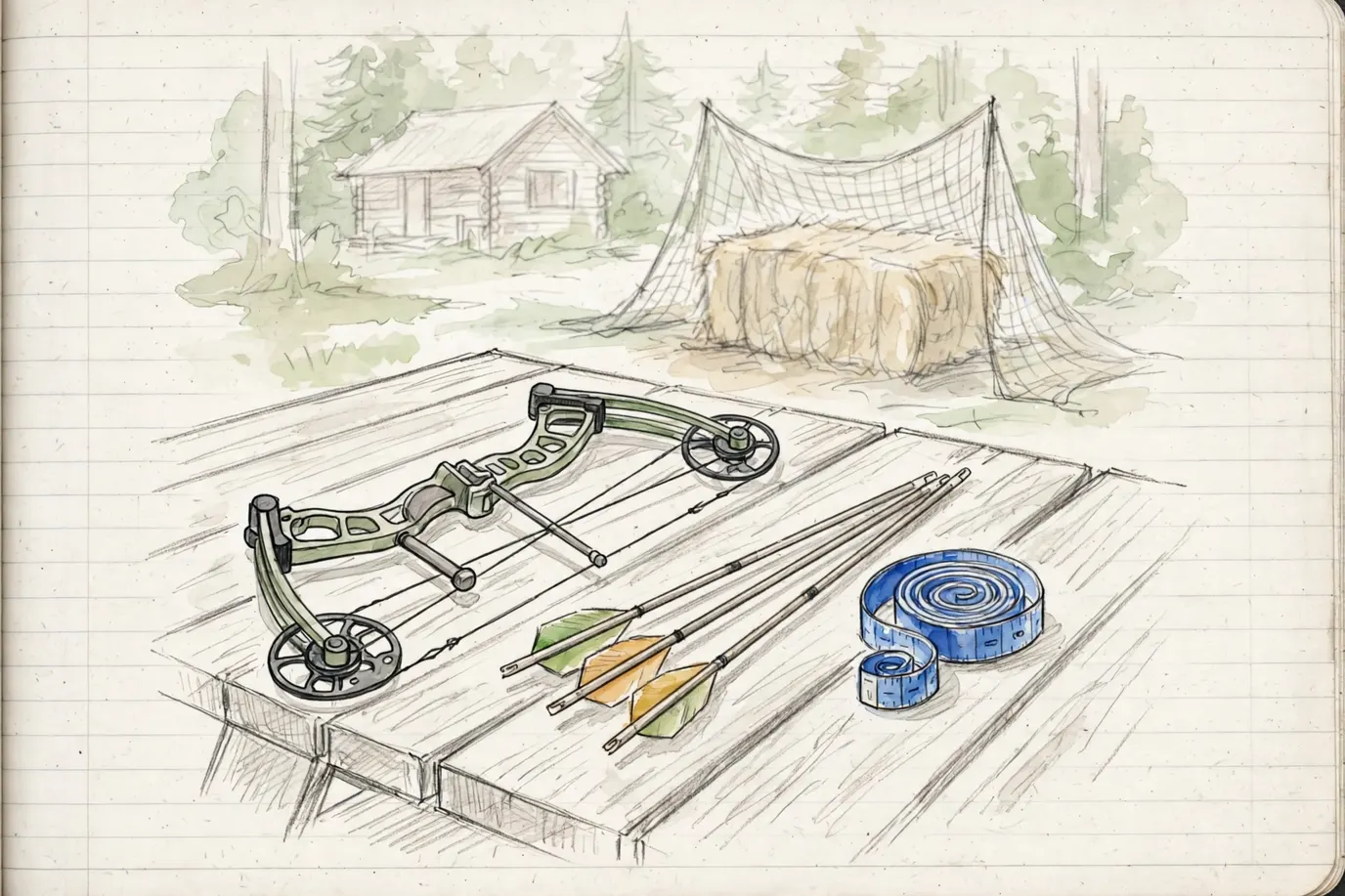
Youth bow arrows have one job before any other: fit the child and the bow they're actually shooting. That means a measured draw length, an arrow that's never too short, and a spine picked for a light draw weight. Carbon, aluminum and fiberglass all show up in youth packs, and each trades durability, weight and price differently. (I'm a physical therapist. I measure people for a living. It still took me two tries on Walt's tape measure, which reads in inches and opinions.)
We earn a commission if you buy through our links, at no cost to you. Disclosure
| Model | Shaft | Spine | Diameter (ID) | Arrows per pack | Amazon |
|---|---|---|---|---|---|
Ameyxgs 27in Fiberglass Sucker Arrows 6-PackArrow More specs
| Fiberglasslisting | — | — | 6listing | Check price |
Bear Archery Youth Safetyglass ArrowsArrow More specs
| Fiberglasslisting | — | — | 3listing | Check price |
Carbon Express Thunder ExpressArrow More specs
| Fiberglassmaker | — | — | 3listing | Check price |
Lwano 31" Fiberglass Training ArrowsArrow More specs
| Fiberglasslisting | 700listing | — | 12listing | Check price |
Lwano 28in Fiberglass Blunt Tip ArrowsArrow More specs
| Fiberglasslisting | — | — | 12listing | Check price |
Lwano 28 Inch Fiberglass Youth ArrowsArrow More specs
| Fiberglasslisting | — | — | 12listing | Check price |
Nika Archery Fiberglass Youth Arrows 26 inArrow More specs
| Fiberglasslisting | — | 0.197 inlisting | 12listing | Check price |
October Mountain Products Fiberglass 26 in Youth ArrowArrow More specs
| Fiberglasslisting | — | — | 36listing | Check price |
Pandarus Youth Carbon Practice Arrows 30 inArrow More specs
| Carbonlisting | 350listing | 0.245 inlisting | 12listing | Check price |
Pandarus Youth Carbon Practice Arrows 30 inArrow More specs
| Carbonlisting | 500listing | 0.245 inlisting | 12listing | Check price |
Pandarus Fiberglass Target Arrows 28 inArrow More specs
| Fiberglasslisting | 700listing | 0.197 inlisting | 12listing | Check price |
Pandarus Youth Safetyglass ArrowsArrow More specs
| Fiberglasslisting | — | 0.175 inlisting | 12listing | Check price |


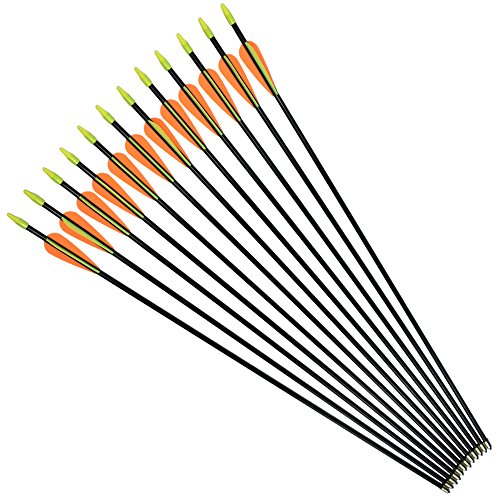


What’s in this listArrows sold for youth bows. “—” means neither the maker nor the Amazon listing states it.
What makes youth bow arrows different
The shared basics of an arrow (shaft, insert, point, nock, fletching) are on the hunting arrows page. Youth bow arrows have to handle three things adult arrows mostly don't: a light draw weight, an archer who is still growing, and a lot of misses while they learn.
Each of those changes the pick. A light bow needs a softer spine. A growing archer needs an arrow that's never too short. And a beginner needs a shaft that survives hitting the frame of the target, the grass and occasionally the fence.
The table on this page lists arrows their maker sells for youth bows. It shows shaft material, spine, diameter, straightness, arrows per pack and fletching, as the maker or the Amazon listing states them (the table marks listing values). When neither states a value, it shows as a dash. That isn't a flaw in the arrow, but it is a reason to ask the shop before you buy.
What to look at when you pick youth bow arrows
Here's what actually changes from one youth pack to the next, in the order I'd check it.
Measure the draw length before anything else
Draw length is how far the archer pulls the string. Archery 360's draw length article says it decides arrow length and can even affect spine, so it comes first.
The home starting point is a wingspan measurement. Have the child stand with arms out, measure from the tip of one middle finger, across the back, to the other, and divide by 2.5. Archery 360 calls that number a great starting point, then says to fine-tune it. Its youth article says a shop technician measures draw length and draw weight, and that the arrow's spine and length are then matched to both.
(Uncle Walt once had his wingspan taken in a flannel shirt and a down vest. The vest added an inch. The vest did not shoot the bow.)
Too long is a nuisance, too short is a hazard
An arrow that's a little long flies fine. An arrow that's too short can come off the back of the rest at full draw. Archery 360's primer is flat about it: a too-short arrow is a safety problem, so don't cut them that way. Its dry-fire article adds that arrows that are too short or too light are one way a bow can effectively be dry-fired, which can damage the bow and hurt the archer.
So leave room to grow. For new recurve archers, Easton's tuning guide recommends cutting 1/2 to 1 inch longer than the measured length. A beginner's draw tends to lengthen as strength and form come along, and the extra keeps the arrow ahead of the rest.
School programs take this to its logical end. The National Archery in the Schools Program equipment guide specifies one aluminum arrow for every student, 30 inches long, unmodified. Every archer gets the same full-length shaft.
Spine for a light bow, and for the next bow
Spine is how much the shaft bends. Archery 360's primer says a bow with a light draw weight needs a softer arrow, and that on the label a higher spine number usually means more flex. It also says to keep the same spine unless you change the bow, such as its draw weight.
That last line matters for kids more than anyone. A young archer's draw weight goes up as they get stronger. Archery 360's youth article says to start with a less expensive bow because young archers build strength and will need a heavier draw weight later. When the draw weight goes up, check the spine again.
Some youth compounds have highly adjustable cams, Archery 360's draw length article notes, so the bow can grow with the archer. The arrows don't adjust. A bow turned up a few pounds and a draw length stretched an inch can leave last year's arrows too weak or too short. The bows are on the youth compound bow page and the youth recurve bow page.
Carbon, aluminum or fiberglass
All three show up in youth packs. Here's how they compare:
- Carbon: Archery 360's youth article calls it the most durable option and great for beginners. Its primer adds that carbon returns to shape when it bends, but can crack on a hard hit without showing it.
- Aluminum: as straight and consistent as carbon, for less money, per Archery 360, but less durable; it bends from hard impacts. Archery 360's material guide says aluminum is mainly for high-level indoor shooters or beginners who need a more durable arrow.
- Fiberglass: one youth arrow maker describes its fiberglass arrows as designed for youth archers and safer than wood, with a weighted target point for front-of-center balance.
- Wood: Archery 360 says wood can warp and is less consistent than other materials.
The material column in the table tells you which one you're looking at. For a backyard target, durability usually wins. For a youth hunting setup, spine and weight win.
The weight floor still applies to light bows
Light bows still have a minimum arrow weight. The AMO minimum chart reprinted in Easton's tuning guide never drops below 150 grains, even for the lightest bows on it. Total weight means the whole arrow: shaft, insert, point, fletching and nock.
Archery 360 lists too-light arrows among the causes of a dry-fire, on any bow. If the bow's manual lists a minimum, that's the number.
Nock fit matters more on a light bow
Light bows are where nock fit matters most. Easton singles out bows pulling 30 lb or less, which covers almost every youth bow, and says the snap fit of the nock on the string can be very critical there.
Archery 360's primer gives the plain test. The right nock makes an audible click on the string and comes off with a light tap. A nock that's too tight hurts accuracy. A nock that's too loose can let the arrow come off the string while the archer is drawing, which is unsafe. Nock sizes are on the nocks page.
Fletching and points for practice
Archery 360's primer says vanes are usually preferred on compounds and modern recurves with a raised rest, and feathers suit traditional bows shot off the shelf. Youth bows follow the same rule: match the fletching to how the bow holds the arrow.
For practice, youth arrows carry target points. The school program arrow uses a short, tapered, glued-in target point. Broadheads come much later, and only on arrows spined and weighted for them.
Youth arrows for a compound or a recurve
The bow decides more than the child does.
- Youth compound with a rest: vanes, a spine matched to the bow's current draw weight, and a length checked whenever the cams get adjusted.
- Youth recurve off the shelf: feathers, and a spine for the weight at the child's draw length. Archery 360 notes that the farther you draw a recurve, the heavier it gets, so the weight on the limb isn't always the weight on the fingers.
- School-style bow with a full-length arrow: one standard arrow, as the program specifies.
Draw weights and fit for the bows themselves are on their own pages. This page is about the arrows.
Store and carry them like real arrows
Youth target arrows are still arrows. Oregon's wildlife department recommends storing bows in a case and all arrows in a sturdy case or quiver, and its rule for any arrow is to check for nicks, splits and fragments. Wisconsin DNR adds the habit that matters most for a young archer moving toward hunting: use the arrows the maker recommends for the bow, and handle them carefully.
A simple routine helps. Arrows go back in the quiver or tube after every end, the bow goes back in its case, and a cracked or bent arrow goes in a separate "retired" bag that nobody shoots from.
Plan for the first year, not the next five
Archery 360's youth article recommends renting a bow and trying it on the range before buying. That's good advice for arrows too. A child's draw length and draw weight both change, and a dozen arrows spined for this spring may not fit next fall.
My approach: buy a modest pack, write the draw length, draw weight and spine on the arrow tube, and re-measure at the start of each season. (My handwriting on arrow tubes is better than my handwriting on prescriptions. Low bar.)
From the backyard to a first hunt
Moving a young archer from target arrows to hunting arrows means new spine, new weight and broadheads, which brings in a different set of pages: hunting arrows and broadheads. Many states set a minimum draw weight and other rules for archery deer hunting. Check your state wildlife agency before the season.
Range rules for young archers
Arrows are only as safe as the habits around them.
- A backstop: the school program requires a safety backstop net any time archery is going on.
- An adult who knows the basics: Archery 360 suggests parents watch lessons until they know basic form and safety procedures.
- A safe direction: Oregon's wildlife department says to nock an arrow only when it's safe to shoot, always point it in a safe direction, and never shoot straight up.
- No dry-firing: never draw and release the string without an arrow, per Wisconsin DNR and Oregon's wildlife department. Archery 360 says most dry-fires happen while inexperienced people handle a bow, so don't let a friend "just try" pulling it.
Targets that stop light arrows are on the archery target page.
Who should skip youth bow arrows
A teenager who has outgrown a youth bow and shoots an adult draw weight needs adult arrows spined for that bow. Start on the compound bow arrows page or the recurve arrows page. And if the child shoots in a school program, the program specifies its own standard arrow.
Inspect every arrow before every session
Check every youth arrow for cracks, bends, splits and damaged nocks before each session, and retire any that are questionable. Oregon's wildlife department says arrows leave the bow under very high pressure and a weakened arrow can cause serious injury.
Measured draw length, never cut short, spine for today's bow, a nock that clicks. Write it on the tube and check it again next season.
Brands in this list
Related
Questions people ask
What size arrows does a youth bow need?
The length comes from the child's draw length, measured at a shop, and the spine comes from the bow's draw weight and that length. Archery 360's draw length article gives a starting point: wingspan from middle fingertip to middle fingertip, divided by 2.5. Then a technician fine-tunes it. Never go shorter than the measured length.
Can kids shoot adult arrows?
Only if the spine and length suit the child's bow, and usually they don't. An adult hunting arrow is spined for a much heavier draw weight, and cutting it down makes it stiffer still. Archery 360 also warns that arrows shouldn't be cut too short. Buy arrows spined for the youth bow's actual draw weight instead.
Are carbon or fiberglass arrows better for kids?
Both are sold for young archers. Archery 360 calls carbon the most durable option and great for beginners. One youth arrow maker describes its fiberglass arrows as safer than wood and fits a weighted target point for balance. Aluminum is as straight as carbon for less money but bends on hard hits. Inspect any of them before every session.
What arrows do school archery programs use?
The National Archery in the Schools Program uses one standard aluminum arrow for every student. According to its equipment guide, the shaft is 30 inches long, must be unmodified, and carries a short, tapered, glued-in target point. The program also requires a safety backstop net any time archery is going on.
How tight should the nock be on a youth bow?
Snug, with a click. Archery 360 says the right nock makes an audible click on the string and comes off with a light tap. Easton's guide calls nock fit very critical on bows of 30 lb and under. A nock that's too loose can let the arrow fall off the string while the child is drawing, which is unsafe.
Sources
- Archery 360 (Archery Trade Association): How to start your child in archery — accessed 2026-10-22
- Archery 360 (Archery Trade Association): Archery Lingo: Draw Length — accessed 2026-10-22
- Archery 360 (Archery Trade Association): Arrows 101 — accessed 2026-10-22
- Archery 360 (Archery Trade Association): Archery Lingo: Dry-Fire — accessed 2026-10-22
- Archery 360 (Archery Trade Association): Should your arrows be carbon, aluminum or wood? — accessed 2026-10-22
- Easton: Arrow Tuning and Maintenance Guide (incl. AMO minimum recommended arrow weights) — accessed 2026-10-22
- Archery 360 (Archery Trade Association): Compounds vs. recurve bows — accessed 2026-10-22
- Kentucky High School Athletic Association: Official NASP equipment identification — accessed 2026-10-22
- Feradyne: youth fiberglass target arrow product page (material and weighted point) — accessed 2026-10-22
- Oregon Department of Fish and Wildlife: Bow shooting safety — accessed 2026-10-22
- Wisconsin DNR: Archery and crossbow safety tips — accessed 2026-10-22