Archery & Bowhunting · Gear type
Bow Sight
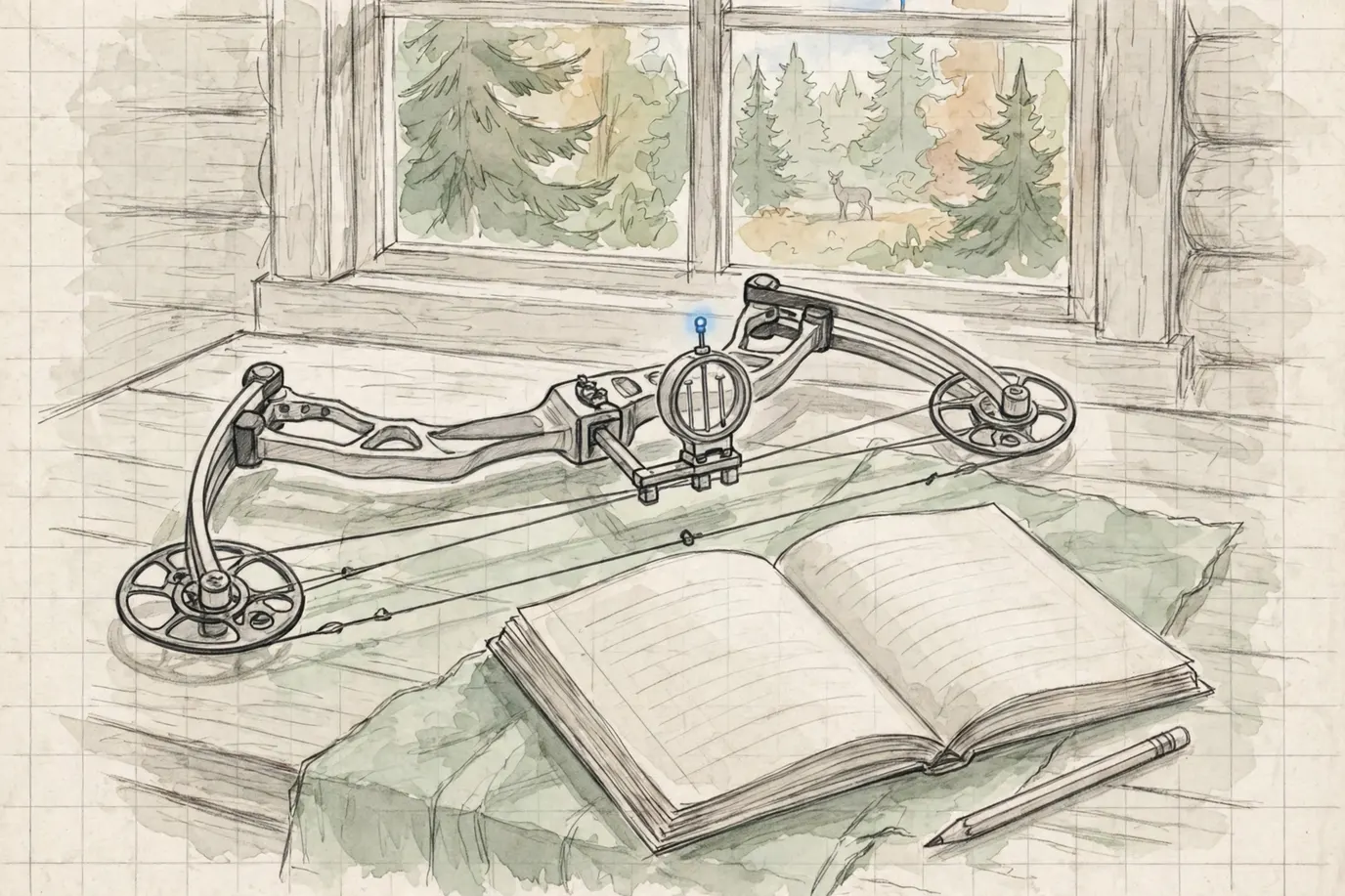
A bow sight is the ring of glowing pins on the side of your riser that tells you where the arrow will land at a set distance. The main choice is how it handles distance: several fixed pins, one pin you move, or a mix of both. After that, pin size, light and the mount do most of the deciding. The short version: pick the type for how you hunt, then the pin size for your eyes and your light. (Mine need more light every year. I've stopped arguing with them.)
We earn a commission if you buy through our links, at no cost to you. Disclosure
| Model | Hand | Type | Pins | Pin size | Sight light | Mount | Amazon |
|---|---|---|---|---|---|---|---|
B3 Archery Exact Hunter 4-Pin SightBow sight More specs
| — | Fixed pinlisting | 4listing | — | Yeslisting | — | Check price |
B3 Archery Exact Hunter 4-Pin DovetailBow sight More specs
| — | Fixed pinlisting | 4listing | — | Yeslisting | Dovetaillisting | Check price |
| Rightlisting | — | — | — | — | — | Check price | |
B3 Archery Exact Hunter 4-Pin PicatinnyBow sight More specs
| — | Fixed pinlisting | 4listing | — | Yeslisting | Picatinnylisting | Check price |
| — | — | — | — | — | Dovetaillisting | Check price | |
| Leftlisting | — | — | — | Yeslisting | — | Check price | |
Bear Archery Attack 1-PinBow sight | Ambidextrouslisting | — | 1listing | 0.019 inlisting | Yesmaker | — | Check price |
| Leftlisting | — | — | 0.019 inlisting | — | — | Check price | |
| Leftlisting | Fixed pinlisting | 3listing | 0.019 inlisting | — | — | Check price | |
| — | Fixed pinlisting | 3listing | 0.019 inlisting | — | Dovetaillisting | Check price | |
Black Gold Ascent Verdict AssaultBow sight | Rightlisting | Fixed pinlisting | 3listing | — | — | — | Check price |
CBE Tactic Micro 5 Pin Bow SightBow sight | Ambidextrouslisting | Fixed pinlisting | 5listing | 0.019 inlisting | Yeslisting | — | Check price |
CBE Engage Micro Bow Sight .019"Bow sight | Right or leftlisting | Fixed pinlisting | 5listing | 0.019 inlisting | Yeslisting | Dovetaillisting | Check price |
CBE Engage Micro Bow Sight .010"Bow sight | Right or leftlisting | Fixed pinlisting | 5listing | 0.01 inlisting | Yeslisting | Dovetaillisting | Check price |
CBE CX5 Carbon Bar 5-Pin SightBow sight | Ambidextrouslisting | Fixed pinlisting | 5listing | 0.019 inlisting | Yeslisting | Dovetaillisting | Check price |
| Leftlisting | — | 2listing | 0.019 inlisting | — | — | Check price | |
| Rightlisting | — | 2listing | 0.01 inlisting | — | — | Check price | |
| Leftlisting | — | 3listing | 0.019 inlisting | — | — | Check price | |
Dead Ringer The Wheel 4 Pin SightBow sight | — | — | 4listing | 0.019 inlisting | Yeslisting | — | Check price |
| — | Fixed pinlisting | 5listing | 0.01 inlisting | — | Dovetaillisting | Check price | |
Dead Ringer Quick Draw Bow SightBow sight | — | Fixed pinlisting | 5listing | 0.01 inlisting | Yeslisting | — | Check price |
| — | Fixed pinlisting | 5listing | 0.01 inlisting | Yeslisting | Picatinnylisting | Check price | |
Garmin Xero A1 Bow Sight Left-HandedBow sight | Leftlisting | Digital rangefindinglisting | — | — | — | — | Check price |
Garmin Xero A1i PROBow sight | Rightlisting | Digital rangefindinglisting | — | — | — | — | Check price |
Garmin Xero A1i BundleBow sight | Rightlisting | Digital rangefindinglisting | — | — | — | — | Check price |
Garmin Xero A1 BundleBow sight | Rightlisting | Digital rangefindinglisting | — | — | — | — | Check price |
IQ Micro 5-PinBow sight More specs
| Leftmaker | Fixed pinmaker | 5maker | 0.019 inmaker | Nomaker | — | Check price |
Lwano 5 Pin Rheostat LightBow sight | Ambidextrouslisting | Fixed pinlisting | 5listing | 0.019 inlisting | Yeslisting | — | Check price |
Lwano 5-Pin AluminumBow sight | — | Fixed pinlisting | 5listing | 0.019 inlisting | — | — | Check price |
Lwano 5-Pin AluminumBow sight | — | Fixed pinlisting | 5listing | 0.019 inlisting | — | — | Check price |
| Leftlisting | Fixed pinlisting | 5listing | — | — | — | Check price | |
sanlida Dragon X9 5 PinBow sight More specs
| Rightlisting | Fixed pinlisting | 5listing | 0.019 inlisting | Yeslisting | — | Check price |
sanlida Hero10 Target ScopeBow sight More specs
| — | — | — | — | — | — | Check price |
SAS 3-Pin .029 CNCBow sight More specs
| Ambidextrouslisting | Fixed pinlisting | 3listing | 0.029 inlisting | — | — | Check price |
SAS 5-Pin .029 LEDBow sight | — | Fixed pinlisting | 5listing | 0.029 inlisting | Yeslisting | — | Check price |
SAS 5-Pin .029 LEDBow sight | Ambidextrouslisting | Fixed pinlisting | 5listing | 0.029 inlisting | Yeslisting | — | Check price |
SAS 5-Pin .019 Micro AdjustBow sight | — | Fixed pinlisting | 5listing | 0.019 inlisting | Yeslisting | — | Check price |
SAS CNC Target Sight T ShapeBow sight More specs
| Ambidextrouslisting | — | 1listing | — | — | — | Check price |
SAS Essence .019Bow sight | — | Fixed pinlisting | 5listing | 0.019 inlisting | Yeslisting | — | Check price |
SAS Aries 3-PinBow sight More specs
| — | Fixed pinlisting | 3listing | 0.029 inlisting | — | — | Check price |






Sharrow Recurve Aluminum SightBow sight More specs
| Rightlisting | — | — | — | — | — | Check price |
|---|---|---|---|---|---|---|---|
Sharrow Essential 5-PinBow sight | Rightlisting | Fixed pinlisting | 5listing | 0.019 inlisting | Yeslisting | — | Check price |
Sharrow Optical Fiber Aiming Point Scope SightBow sight More specs
| — | — | — | — | — | — | Check price |
Sharrow 7 Pin Retinal SightBow sight | Rightlisting | Fixed pinlisting | 7listing | 0.019 inlisting | — | — | Check price |
Sharrow Recurve Single Pin SightBow sight More specs
| Ambidextrouslisting | — | 1listing | — | — | — | Check price |
Sharrow Compound Single Pin 4X LensBow sight More specs
| — | — | 1listing | — | — | — | Check price |
Sharrow 5 Pin .019 Fiber OpticBow sight | — | Fixed pinlisting | 5listing | 0.019 inlisting | — | — | Check price |
Sharrow 5 Pin .019 Fiber OpticBow sight | — | Fixed pinlisting | 5listing | 0.019 inlisting | — | — | Check price |
Sharrow Recurve T Shape SightBow sight More specs
| — | — | — | — | — | — | Check price |
Sharrow 7 Pin .019 Fiber OpticBow sight | Ambidextrouslisting | Fixed pinlisting | 7listing | 0.019 inlisting | — | — | Check price |
Sharrow 1 Pin Micro-AdjustableBow sight | — | Single pin sliderlisting | 1listing | 0.019 inlisting | Yeslisting | — | Check price |
Sharrow 1 Pin Sight with LensBow sight More specs
| — | — | 1listing | 0.019 inlisting | Yeslisting | — | Check price |
Sharrow Carbon Bar T Shape Single Pin TargetBow sight More specs
| — | Single pin sliderlisting | 1listing | 0.019 inlisting | Yeslisting | — | Check price |
Sharrow Carbon Bar Single Pin TargetBow sight More specs
| Ambidextrouslisting | Single pin sliderlisting | 1listing | 0.019 inlisting | Yeslisting | Dovetaillisting | Check price |
Spot Hogg Hogg-It MRT 5 PinBow sight | Rightlisting | Fixed pinlisting | 5listing | 0.019 inlisting | — | Dovetaillisting | Check price |
Spot Hogg Hunter MRT 5 PinBow sight | Rightlisting | Fixed pinlisting | 5listing | 0.01 inlisting | — | — | Check price |
Spot Hogg Hogg-It MRT 3 PinBow sight | Rightlisting | Fixed pinlisting | 3listing | 0.019 inlisting | — | Dovetaillisting | Check price |
Spot Hogg Fast Eddie Double PinBow sight | Rightlisting | Fixed pinlisting | 2listing | 0.019 inlisting | — | — | Check price |
| Rightlisting | Fixed pinlisting | 3listing | 0.01 inlisting | — | Dovetaillisting | Check price | |
Spot Hogg Fast Eddie XL Double PinBow sight | Leftlisting | Fixed pinlisting | 2listing | 0.019 inlisting | — | Dovetaillisting | Check price |
Spot Hogg Hunter MRT 3 PinBow sight | Rightlisting | Fixed pinlisting | 3listing | 0.01 inlisting | — | — | Check price |
Spot Hogg Fast Eddie XL Single PinBow sight | Rightlisting | Fixed pinlisting | 1listing | 0.019 inlisting | — | Dovetaillisting | Check price |
Spot Hogg Fast Eddie MRT Single PinBow sight | Rightlisting | Fixed pinlisting | 1listing | 0.01 inlisting | — | — | Check price |
| Rightlisting | Fixed pinlisting | 3listing | 0.01 inlisting | — | — | Check price | |
Spot Hogg Fast Eddie PM Single PinBow sight | Rightlisting | Fixed pinlisting | 1listing | 0.019 inlisting | — | Picatinnylisting | Check price |
Spot Hogg Boonie Dovetail 3 PinBow sight | Rightlisting | Fixed pinlisting | 3listing | 0.01 inlisting | — | Dovetaillisting | Check price |
| Rightlisting | Fixed pinlisting | — | 0.01 inlisting | — | — | Check price | |
| Rightlisting | Fixed pinlisting | — | 0.019 inlisting | — | Picatinnylisting | Check price | |
Spot Hogg Boonie DT ROTI Double PinBow sight | Rightlisting | Fixed pinlisting | 2listing | 0.01 inlisting | — | Dovetaillisting | Check price |
| Rightlisting | Fixed pinlisting | 2listing | 0.019 inlisting | — | Dovetaillisting | Check price | |
| Rightlisting | Fixed pinlisting | 2listing | 0.01 inlisting | — | Picatinnylisting | Check price | |
| Ambidextrouslisting | Fixed pinlisting | 3listing | — | — | Dovetaillisting | Check price | |
Toparchery Recurve Single Pin SightBow sight More specs
| — | — | 1listing | — | — | — | Check price |
Topoint Archery 3 Pin Bow SightBow sight More specs
| Ambidextrouslisting | Fixed pinlisting | 3listing | — | — | — | Check price |
Topoint Archery 3 Pin Bow SightBow sight | Ambidextrouslisting | Fixed pinlisting | 3listing | — | — | — | Check price |
Topoint Archery 3 Pin Bow SightBow sight | Ambidextrouslisting | Fixed pinlisting | 3listing | — | — | — | Check price |
Topoint Archery Pro 5 Pins CNCBow sight | Ambidextrouslisting | Fixed pinlisting | 5listing | 0.019 inlisting | Yeslisting | — | Check price |
Trophy Ridge Drive 1-Pin SliderBow sight | Rightlisting | Single pin sliderlisting | 1listing | 0.029 inlisting | Yeslisting | — | Check price |
Trophy Ridge React Pro 5-PinBow sight | Leftlisting | Fixed pinlisting | 5listing | 0.019 inlisting | — | — | Check price |
Trophy Ridge Peak 5-PinBow sight | Rightlisting | Fixed pinlisting | 5listing | 0.019 inlisting | — | — | Check price |
Trophy Ridge React One Pro 1-PinBow sight | Rightlisting | Single pin sliderlisting | 1listing | 0.019 inlisting | — | — | Check price |
Trophy Ridge Fix 5-PinBow sight | Ambidextrouslisting | Fixed pinlisting | 5listing | 0.019 inlisting | Yeslisting | — | Check price |
Trophy Ridge React H5 5-PinBow sight | Leftlisting | Fixed pinlisting | 5listing | 0.019 inlisting | Yeslisting | — | Check price |
Trophy Ridge React H4 4-PinBow sight | — | Fixed pinlisting | 4listing | 0.019 inlisting | Yeslisting | — | Check price |
Trophy Ridge Alpha React 1-PinBow sight | — | Single pin sliderlisting | 1listing | 0.019 inlisting | — | — | Check price |
Trophy Ridge Hotwire 3-PinBow sight | Rightlisting | Hybridlisting | 3listing | 0.019 inlisting | Yeslisting | — | Check price |
Trophy Ridge Stacked 5 PinBow sight | Rightlisting | Fixed pinlisting | 5listing | — | — | — | Check price |
Trophy Ridge Digital React Trio ProBow sight | Rightlisting | — | 3listing | 0.019 inlisting | — | — | Check price |
Trophy Ridge Fatal 3-PinBow sight | Ambidextrouslisting | Fixed pinlisting | 3listing | 0.019 inlisting | — | — | Check price |
Trophy Ridge Ridgeline 5-PinBow sight | Ambidextrouslisting | Fixed pinlisting | 5listing | 0.019 inlisting | — | — | Check price |
Trophy Ridge Gem 3-PinBow sight | — | Fixed pinlisting | 3listing | 0.019 inlisting | — | — | Check price |
Trophy Ridge SWFT TrioBow sight | Leftlisting | Fixed pinlisting | 3listing | 0.019 inlisting | Yeslisting | — | Check price |
Trophy Ridge React 5 MaxBow sight | — | Fixed pinlisting | 5listing | — | Yeslisting | — | Check price |
TRUGLO Pendulum Treestand SightBow sight | Ambidextrouslisting | — | — | — | Yeslisting | — | Check price |
TRUGLO Accu-Strike Pro 5-PinBow sight | — | Fixed pinlisting | 5listing | 0.019 inlisting | Yeslisting | — | Check price |
TRUGLO Storm G2 5-PinBow sight | Ambidextrouslisting | Fixed pinlisting | 5listing | — | — | — | Check price |
TRUGLO Range-Rover Single-PinBow sight | Rightlisting | Single pin sliderlisting | 1listing | 0.019 inlisting | — | — | Check price |
TRUGLO Carbon Hybrid 5-PinBow sight | Ambidextrouslisting | Fixed pinlisting | 5listing | — | — | — | Check price |
TRUGLO Carbon Hybrid 5-PinBow sight | — | Fixed pinlisting | 5listing | — | — | — | Check price |
TRUGLO Covert 4 PinBow sight | Ambidextrouslisting | Hybridlisting | 4listing | 0.019 inlisting | — | — | Check price |
TRUGLO Range-Rover Single-PinBow sight | Leftlisting | Single pin sliderlisting | 1listing | 0.019 inlisting | — | — | Check price |
TRUGLO Carbon XS XtremeBow sight | Ambidextrouslisting | Fixed pinlisting | 5listing | — | — | — | Check price |
TRUGLO Veros 5-PinBow sight | — | Fixed pinlisting | 5listing | — | — | — | Check price |
TRUGLO Catalyst 5-PinBow sight | — | Fixed pinlisting | 5listing | 0.019 inlisting | Yeslisting | — | Check price |
| — | Fixed pinlisting | 5listing | 0.01 inlisting | — | — | Check price | |
Viper Diamondback 5 Pin VDBMT15Bow sight | — | Fixed pinlisting | 5listing | — | — | — | Check price |
Viper Venom Short DriveBow sight | — | Fixed pinlisting | 5listing | 0.015 inlisting | — | Dovetaillisting | Check price |












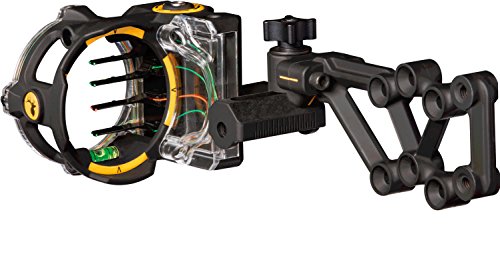


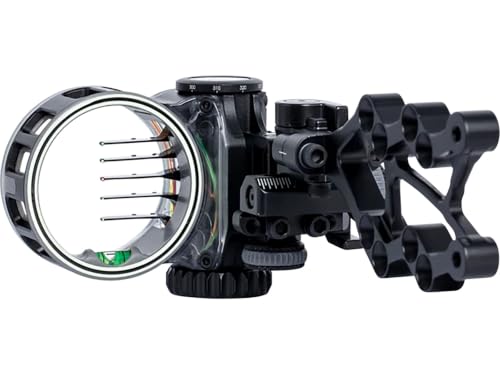


What’s in this listEvery bow sight we track on Amazon US — fixed-pin, single-pin, hybrid and rangefinding. “—” means neither the maker nor the Amazon listing states it.
What a bow sight does on a hunting bow
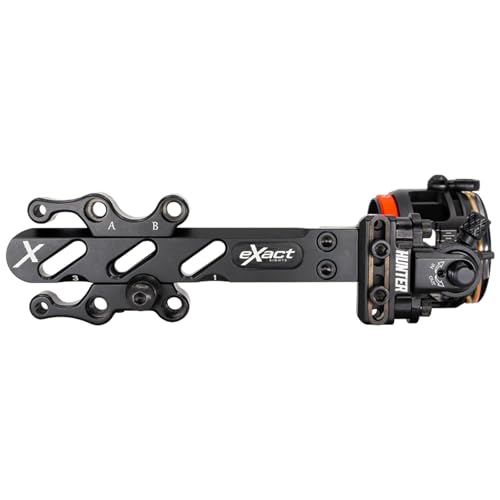
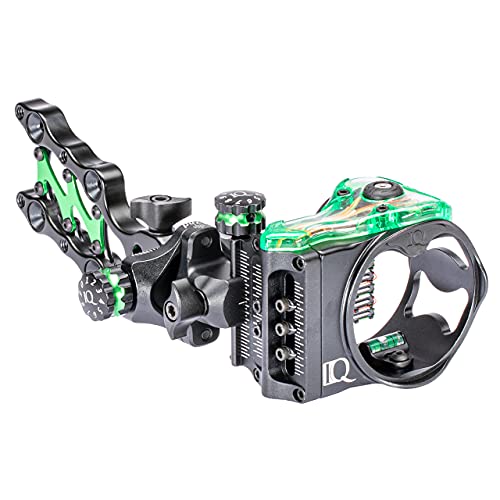
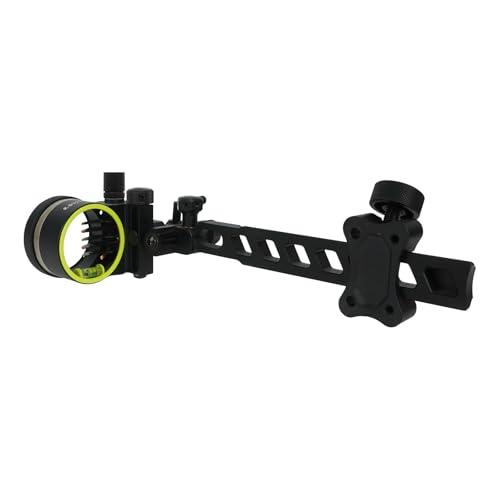
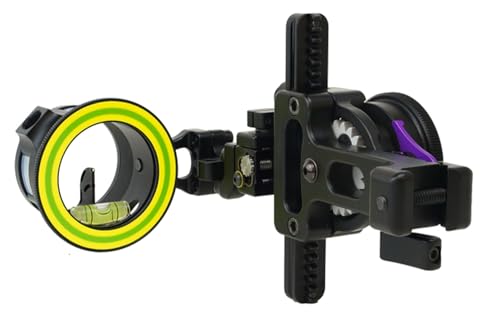
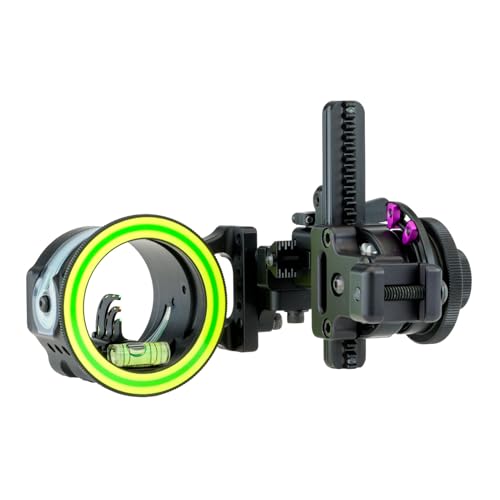
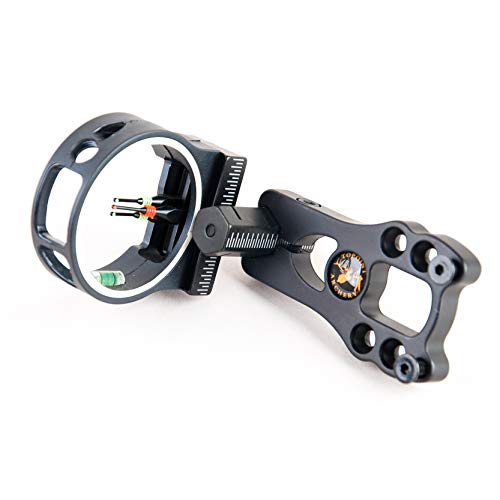
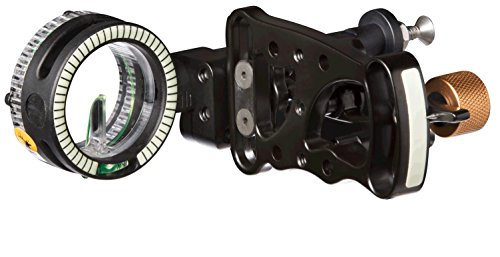
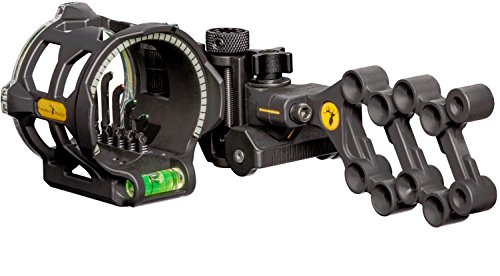
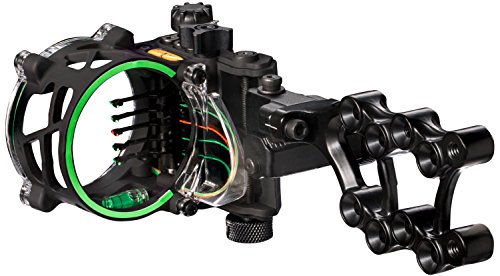
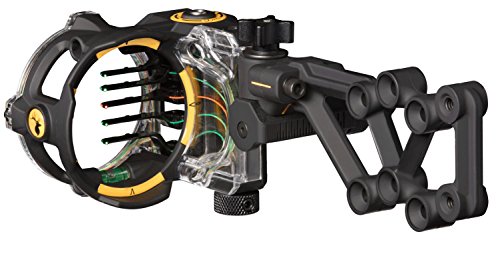
A hunting bow sight is a round housing with small fiber-optic pins, bolted to the riser. Each pin stands for a distance. You draw, look through the peep sight on your string, center the housing in the peep and put the right pin on the spot you want to hit.
Unlike a rifle scope, a bow sight usually has no magnification. The pins glow because the fiber collects daylight and carries it to the tip. That's why the same sight can look bright at noon and faint at last light.
Here's what actually changes from one sight to the next: how it handles distance, how big and bright the pins are, and how it attaches to your bow. The table on this page lists them by the maker's data first and the Amazon listing's where the maker is silent (marked as listing values). When neither states a value, you'll see a dash.
Bow sight types and how each one handles distance
There are five types in the table's Type column. The first three cover nearly every compound bow sight you'll see on a deer stand.
- Fixed pin: several pins, each locked at one distance
- Single-pin slider: one pin, and you move the housing to the yardage
- Hybrid: fixed pins plus a dial or slider for longer shots
- Digital rangefinding: a built-in rangefinder places a lit aiming dot
- Thermal: a heat-imaging sight; the maker's spec sheet tells you more
Fixed-pin sights: one pin per distance
Fixed-pin sights usually come with three to seven pins, often set 10 yards apart: 20, 30, 40, 50. Many new archers start here because there are few moving parts and nothing to adjust once the pins are set. If a deer steps from 20 to 30 yards while you're at full draw, you just use a lower pin. The trade-offs are clutter in thick cover and the chance of grabbing the wrong pin when your heart's going. More on these is on the fixed-pin bow sight page.
Single-pin sliders: one pin you move
A single-pin sight has one pin and a sight tape printed with yardages. You range the deer, slide or dial the housing to that number, then draw. You always aim dead on, never between pins, and the view of the deer stays open. The catch: if the deer moves after you draw, you hold over by feel or let down and reset. The single-pin bow sight page covers the setup.
Hybrids: fixed pins with a dial for long shots
A hybrid keeps three to five fixed pins and lets one of them ride a dial or slider past your last fixed distance. Plenty of hunters run three pins for shots under 50 yards and dial the rest. The common mistake is forgetting to return the dial to its zero mark before the next close shot. The dial mechanism gets its own page: dial bow sight.
Digital and thermal sights
Digital sights build in a rangefinder and place the aiming dot for the measured range. Fog, rain, glare and battery life in the cold can all work against them. Rules on electronic sights vary a lot between states, so read the regulations before you buy one. They have their own pages: rangefinder bow sight and thermal bow sight.
What to look at when you pick a bow sight
These follow the columns in the table, in the order I'd check them.
Pins: count them for how far you'll shoot
The Pins column is how many aiming points sit in the housing. Quick math: if your top pin is 20 yards and the pins are 10 yards apart, a 3-pin covers 20 to 40, a 5-pin covers 20 to 60, and a 7-pin reaches 80.
On paper, more pins means more options. In practice, every pin past your longest ethical shot is just one more thing inside the ring. Five pins at 20 through 60 is a common whitetail layout. Pins also double as a rough range check: a deer that fits neatly between two pins gives you a hint of its distance. Faster bows sometimes start the top pin at 30 yards instead of 20.
Pin size: thinner aims finer, thicker stays visible
Pin size is the pin's diameter in thousandths of an inch. The usual sizes are .010, .019 and .029. Smaller numbers mean thinner pins.
The trade is light against precision. A bigger pin carries more light and stays easier to see at dawn and dusk, right when deer move. A big pin can also cover too much of the target at long range, so a thin pin lets you pick a smaller spot. A .010 pin suits shots past 60 yards. A .019 or .029 suits close shots and eyes that need help. The .019 sits in the middle.
Age matters too. Larger pins are easier to see as eyes decline, and one western bowhunter who'd had retina surgery wrote that a .010 nearly vanishes in low light. (I'm 36, and I'm already writing pin sizes in bigger handwriting.)
Sight light: extra glow, and a battery to remember
The Sight light column says whether the maker includes a light. It's a small battery-powered unit that shines into the fiber so pins glow when daylight can't do it. Some sights come with one; others have a mount point and sell the light separately.
Some makers sell the light as a separate add-on. One lists a rheostat sight light, a light whose brightness you dial up or down, to fit the adapter built into its sight.
And a battery is a battery. Danny once counted nine headlamps in the cabin, three with dead batteries, none on Walt's head. A sight light joins that club unless somebody owns it. Check it the night before the opener, not on the stand.
Several states restrict battery-powered sight lights or any electronic device on a bow, some only in certain hunts. Check your state wildlife agency before you hunt with one.
Magnification: most hunting sights have none
Most hunting sights have no lens, and the table shows magnification only when the maker or the listing states a lens included. If you want one, check your state's rules first; at least one western state bars scopes on a bow during archery seasons.
Mount: bracket, dovetail or integrated
The Mount column is how the sight attaches to the riser. A 2-hole bracket is the classic: a plate that bolts to the bow, with the sight bar clamped to it. Newer dovetail and Picatinny systems mount the sight straight to a matching rail on the riser. That skips the separate bracket, makes a more solid joint and centers the sight side to side on the bow. Integrated means the mount is built into the sight or the bow. Check which systems your riser accepts before you order.
The sight bar sets how far the pins sit from your eye, and that changes what you see. The farther a pin is from your eye, the smaller it looks. A longer bar gives a finer-looking pin; a shorter one gives a bigger, brighter-looking dot.
For: compound, recurve or crossbow
The For column says what kind of bow the maker built the sight for. Most bow sights are made for compounds. Some fit recurves too, and a few are listed for crossbows. A sight for a recurve has its own page: recurve bow sight. Crossbow scopes are a different tool, covered on the crossbow scope page.
Hand: match the bow, not your writing hand
Sights come in right-hand and left-hand versions, because the housing has to sit on the correct side of the riser. Buy the sight for your bow's hand, which isn't always the hand you write with. (Ask a left-eye-dominant right-hander how that conversation went at the shop.) The Hand column shows what the maker or the listing states.
Weight: it's held out at arm's length
Weight is listed in ounces. A few extra ounces on the front of the bow don't sound like much at the counter. Hold the bow out for a full minute while a deer decides what it's doing, and you'll know exactly where those ounces went. Metal housings hold their adjustments better than plastic ones, which can flex or drift, so lighter isn't always the better trade.
Line up the peep, the housing and the level
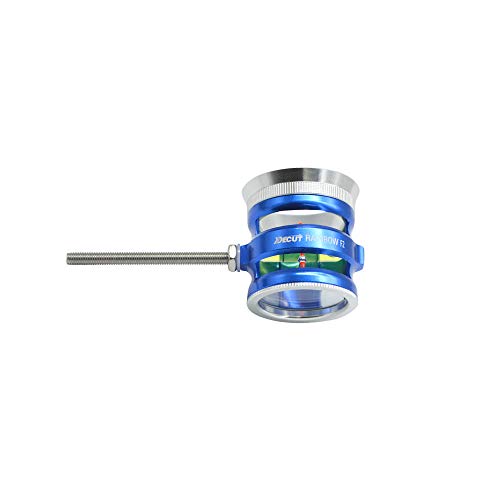
Every bow sight works with a peep sight, the small ring tied into your string. At full draw, you look through the peep and center the round housing inside it, two circles nested together. Then glance at the bubble level, fix any tilt, and settle the pin on the spot.
The bubble matters more than it looks. A bow tilted to one side throws arrows left or right. If the housing never fits your peep the same way twice, the peep may be the wrong size for the housing. Peeps are on the peep sight page.
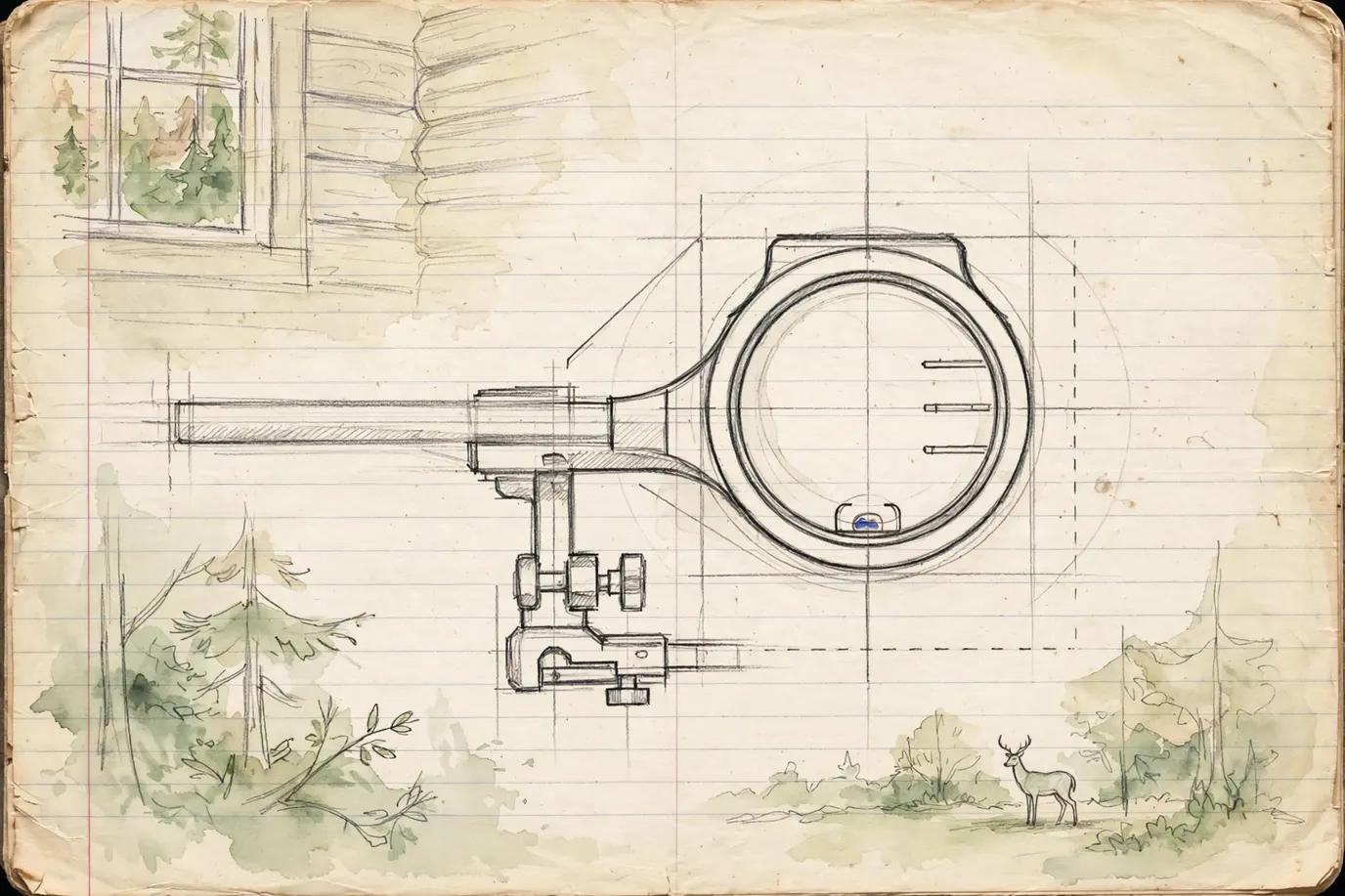
Level the sight before you trust it
A bubble level only tells the truth after it's calibrated. Archery 360 breaks leveling into three axes:
- First axis: the sight bar itself, so moving the sight up or down doesn't push arrows left or right
- Second axis: the bubble level, so a centered bubble means a level bow
- Third axis: the housing swinging like a door on hinges, which shows up on steep uphill and downhill shots
You can do this at home with leveling tools, or a pro shop can do it. Check the third axis by shooting at a steep downhill angle. For a right-handed archer, groups that land right mean swinging the sight toward you, and groups that land left mean swinging it away. Not every sight adjusts all three; the maker's page will say.
How to sight in a bow sight
The rule that trips everyone up: follow the arrow. If the group lands low, move the sight down. If it lands left, move it left. It feels backward the first time. Moving the sight down makes you raise the bow to put the pin back on the spot, and that raises the arrow.
- Level the sight and set up at 10 to 20 yards with a large target.
- Aim the top pin at one spot and shoot a three-arrow group.
- Move the whole housing toward the group in small steps.
- Fix left and right first, then up and down.
- Step back to 20 yards and repeat with the same pin.
- Set each lower pin at its own distance, 10 yards apart.
Expect two or three adjustments per direction. More than that usually means you're overcorrecting. A sight with clicked micro-adjustments and a lock makes the small moves repeatable.
Who should skip a bow sight
If you shoot a traditional bow off the shelf and aim by feel, a sight changes how you shoot, not just what you see. Keep shooting instinctively, or start with the recurve sight page before you drill holes in a nice riser. And if you hunt only with a crossbow, you need a scope, not a pin sight.
Everyone else: pick the type for how you hunt, the pin size for your eyes, and level it before you sight it in. Then write your pin yardages in the logbook. Walt will want to know which pin you used.
Brands in this list
Related
Questions people ask
How do you sight in a compound bow?
Start close, around 10 to 20 yards, aim the top pin at one spot and shoot a three-arrow group. Then move the sight toward the group: arrows low, move the sight down; arrows left, move it left. Make small moves, square up left and right first, then up and down, and only step back once the group is centered.
How do you adjust a bow sight?
Follow the arrow. Move the whole sight housing in the direction your group landed, using the windage and elevation adjustments, before you touch individual pins. On a multi-pin sight, set each lower pin at its own distance after the top pin is right. Expect two or three small moves per direction; more than that usually means you're overcorrecting.
Single pin vs multi pin bow sight: which is better for hunting?
Neither wins everywhere. A fixed multi-pin sight lets you switch distance at full draw by using a different pin, which helps when a deer keeps walking. A single-pin slider gives a clean view and an exact yardage, but you set it before you draw. Stand and thick-cover hunters often lean single pin; open-country stalkers often lean multi-pin.
Do bow sights have magnification?
Most hunting bow sights don't. They're a housing with fiber-optic pins, not a rifle scope. Some sights accept a lens, and the table on this page shows magnification only when the maker or the listing states one. Check your state's rules too, since some states restrict scopes or electronic devices on a bow.
Can a right-handed bow sight go on a left-handed bow?
Usually not. Sights are sold in right-hand and left-hand versions so the housing sits on the correct side of the riser for the bow. Order the sight for the hand your bow is built for, and check the maker's listing if you're unsure. The Hand column in the table shows what the maker or the listing states.
Sources
- MeatEater: Archery 101, how to choose a bow sight — accessed 2026-10-22
- Bear Archery (Trophy Ridge): Single pin vs multi pin bow sights — accessed 2026-10-22
- goHUNT: Single pin vs multi pin bow sights — accessed 2026-10-22
- Bowhunting.com: Single pin vs multi pin bow sight, which works best — accessed 2026-10-22
- Grand View Outdoors: Selecting a bowsight — accessed 2026-10-22
- goHUNT: The bowsight pin diameter debate, what size is right for you — accessed 2026-10-22
- Archery 360 (Archery Trade Association): Why sight leveling is important and how it's done — accessed 2026-10-22
- Archery 360 (Archery Trade Association): Focus on the peep, form tips for beginners part 2 — accessed 2026-10-22
- Nock On Archery: Bow sight mistakes — accessed 2026-10-22
- Feradyne Outdoors: IQ Micro 5-Pin Retina Lock sight (hand versions, light adapter) — accessed 2026-10-22
- Huntin' Fool: Common archery regulations for western states — accessed 2026-10-22