Archery & Bowhunting · Gear type
Compound Bow Arrow Rest
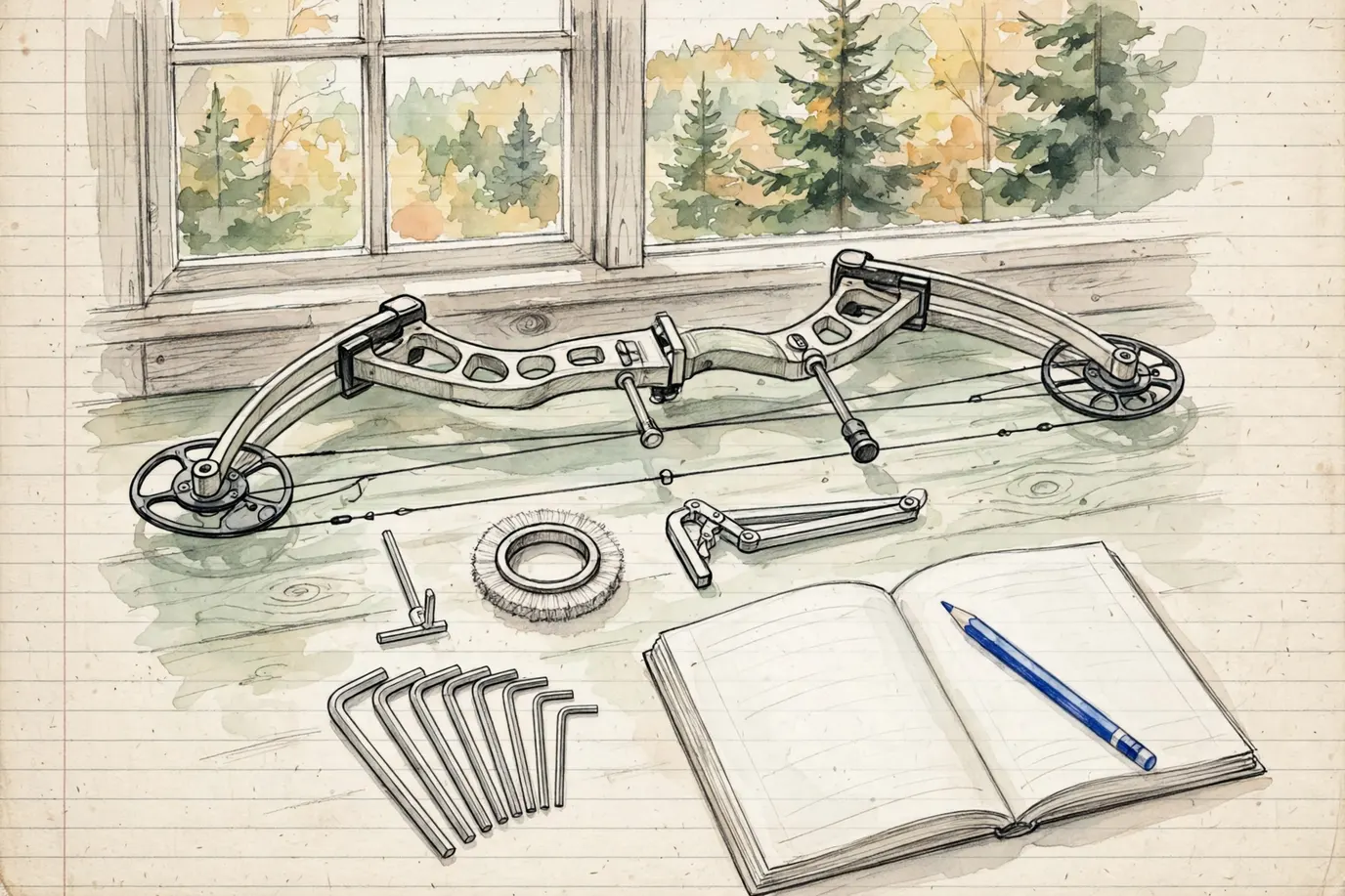
A compound bow arrow rest holds the arrow in line with the string until it leaves the bow, and it's the one accessory every compound needs. The main choice is the family: a blade that supports the arrow all the way out, a brush ring that holds it on all sides, or a drop-away that falls clear at the shot. Pick by how you hunt, then check the mount, hand and adjustment. (Picking the family takes an evening. Tuning it takes a weekend and a pot of coffee.)
We earn a commission if you buy through our links, at no cost to you. Disclosure
| Model | Hand | Type | Drop-away drive | Full containment | Windage/elevation adjust | Amazon |
|---|---|---|---|---|---|---|
Ameyxgs Drop Away Arrow Rest with Locking StructureArrow rest More specs
| Rightlisting | Drop-awaylisting | — | — | — | Check price |
Ameyxgs Aluminum Adjustable Blade Arrow RestArrow rest More specs
| Right or leftlisting | Blade launcherlisting | — | — | — | Check price |
Ameyxgs Drop Away Arrow Rest AdjustableArrow rest More specs
| Rightlisting | Drop-awaylisting | — | — | — | Check price |
Ameyxgs CNC Drop Away Arrow RestArrow rest More specs
| Rightlisting | Drop-awaylisting | — | — | — | Check price |
Ameyxgs Compound Bow Arrow RestArrow rest More specs
| Rightlisting | Drop-awaylisting | — | — | — | Check price |
Ameyxgs Drop Away Arrow Launcher RestArrow rest More specs
| — | Drop-awaylisting | — | — | — | Check price |
Ameyxgs Aluminum Launcher Arrow RestArrow rest More specs
| Rightlisting | Blade launcherlisting | — | — | — | Check price |
Ameyxgs Drop Away Arrow Launcher RestArrow rest More specs
| — | Drop-awaylisting | — | — | — | Check price |
Ameyxgs Semi-Closed Bowfishing Arrow RestArrow rest More specs
| Right or leftlisting | — | — | — | — | Check price |
Ameyxgs Drop Away Arrow Rest Four-Way AdjustableArrow rest More specs
| Rightlisting | Drop-awaylisting | Cable drivenlisting | Yeslisting | — | Check price |
Lwano Whisker Biscuit Brush RestArrow rest More specs
| Ambidextrouslisting | Containment brushlisting | — | — | — | Check price |
Lwano Drop Fall-Away RestArrow rest More specs
| Rightlisting | Drop-awaylisting | — | Yeslisting | — | Check price |
New Archery Products FlipperArrow rest More specs
| Rightlisting | Stick onlisting | — | — | — | Check price |
Nika Archery Drop Away RHArrow rest More specs
| Rightlisting | Drop-awaylisting | — | — | — | Check price |
sanlida Dragon X9 Whisker BiscuitArrow rest More specs
| Ambidextrouslisting | Containment brushlisting | — | — | — | Check price |
sanlida Drop Away RestArrow rest More specs
| Rightlisting | Drop-awaylisting | — | — | — | Check price |
SAS Bowfishing Roller RestArrow rest More specs
| — | — | — | — | — | Check price |
Sharrow Drop Away RHArrow rest More specs
| Rightlisting | Drop-awaylisting | — | Yeslisting | — | Check price |
Sharrow Steel Plate Launcher RestArrow rest More specs
| Rightlisting | Blade launcherlisting | — | — | — | Check price |
Sharrow Steel Plate Launcher RestArrow rest More specs
| Rightlisting | Blade launcherlisting | — | — | — | Check price |
Sharrow Drop Away Launcher RestArrow rest More specs
| Rightlisting | Drop-awaylisting | — | — | — | Check price |
Sharrow Drop Away Launcher RestArrow rest More specs
| Rightlisting | Drop-awaylisting | — | — | — | Check price |
Sharrow Steel Plate Rest with 4 BladesArrow rest More specs
| Ambidextrouslisting | Blade launcherlisting | — | — | Yeslisting | Check price |
Sharrow Steel Plate Rest with 3 BladesArrow rest More specs
| Rightlisting | Blade launcherlisting | — | — | — | Check price |
Sharrow Drop Away Micro AdjustableArrow rest More specs
| Rightlisting | Drop-awaylisting | — | — | Yeslisting | Check price |
Sharrow Drop Away RestArrow rest More specs
| Rightlisting | Drop-awaylisting | — | — | — | Check price |
Sharrow Drop Away 4-Way AdjustableArrow rest More specs
| Rightlisting | Drop-awaylisting | — | — | — | Check price |
Toparchery Whisker Biscuit Capture BrushArrow rest More specs
| Ambidextrouslisting | Containment brushlisting | — | — | — | Check price |
AMS Bowfishing Wave Arrow RestArrow rest | Right or leftlisting | — | — | — | — | Check price |
AMS Bowfishing Tidal Wave Arrow RestArrow rest | Right or leftlisting | — | — | — | — | Check price |
AMS Bowfishing Zip Arrow RestArrow rest | Right or leftlisting | — | — | — | — | Check price |
Bicaster Cushion Plunger and Arrow RestArrow rest | — | — | — | — | — | Check price |
| Ambidextrouslisting | — | — | — | — | Check price | |
Bicaster Cushion Plunger and Arrow RestArrow rest | — | — | — | — | — | Check price |
Bicaster Cushion Plunger and Arrow RestArrow rest | — | — | — | — | — | Check price |
Bicaster Cushion Plunger and Arrow RestArrow rest | — | — | — | — | — | Check price |
Bicaster Left-Hand Magnetic Arrow RestArrow rest | Leftlisting | — | — | — | — | Check price |
| Leftlisting | — | — | — | — | Check price | |
| Right or leftmaker | Containment brushlisting | — | — | — | Check price | |
Cajun Bowfishing Roller Arrow RestArrow rest | — | — | — | — | — | Check price |


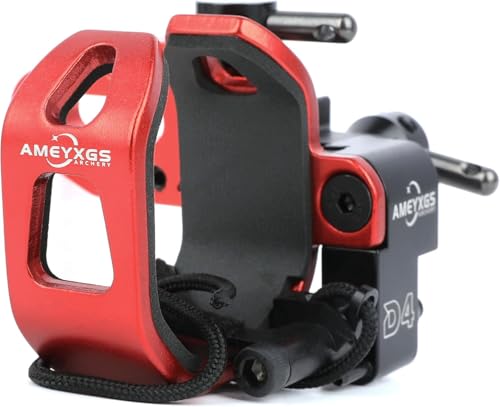


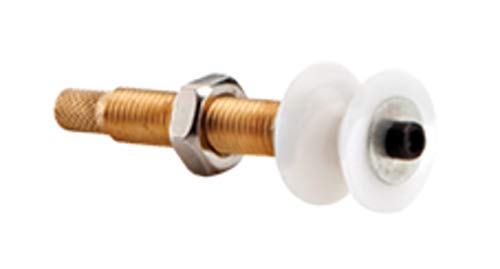
Cajun Bowfishing Quick Draw Arrow RestArrow rest | — | — | — | Yeslisting | — | Check price |
|---|---|---|---|---|---|---|
Hamskea Hybrid Hunter Pro Arrow RestArrow rest More specs
| Rightlisting | Drop-awaylisting | — | Yeslisting | Yeslisting | Check price |
Hamskea Hybrid Target Pro Arrow RestArrow rest | Rightlisting | — | — | — | Yeslisting | Check price |
| Leftlisting | — | — | — | Yeslisting | Check price | |
Hamskea Trinity Target Micro RH 211078Arrow rest | Rightlisting | Drop-awaylisting | — | — | — | Check price |
Hamskea Primer Arrow Rest 202772Arrow rest More specs
| Rightlisting | — | — | — | — | Check price |
Hamskea Epsilon COR Riser BracketArrow rest | Rightlisting | — | — | — | — | Check price |
Hamskea Everest Mathews Bracket RHArrow rest | Rightlisting | — | — | — | — | Check price |
Hamskea Everest Universal Bracket LHArrow rest | Leftlisting | — | — | — | — | Check price |
Hamskea Everest Universal Bracket RHArrow rest | Rightlisting | — | — | — | — | Check price |
Hamskea V2 Epsilon COR Riser BracketArrow rest | Rightlisting | — | — | — | Yeslisting | Check price |
Hamskea V2 Epsilon for 2020+ MathewsArrow rest | Rightlisting | — | — | — | Yeslisting | Check price |
Hamskea R7 RH IntegrateArrow rest | Rightlisting | — | — | — | — | Check price |
Hamskea R7 LH IntegrateArrow rest | Leftlisting | — | — | — | — | Check price |
Hamskea Everest RH IntegrateArrow rest | Rightlisting | — | — | — | Yeslisting | Check price |
Hamskea Everest LH IntegrateArrow rest | Leftlisting | — | — | — | Yeslisting | Check price |
Mathews QAD Ultra Rest HDXArrow rest | Leftlisting | — | — | — | — | Check price |
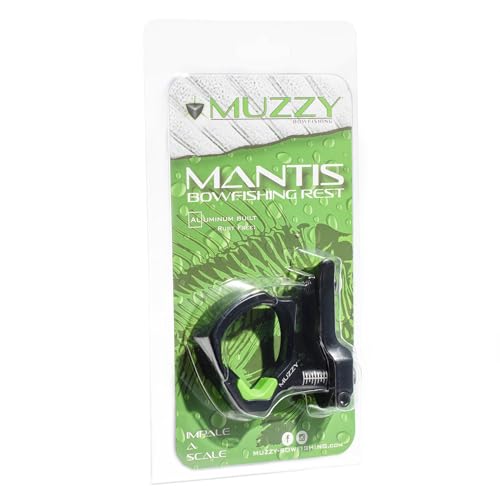
Muzzy Mantis II BowfishingArrow rest | — | — | — | Yeslisting | — | Check price |
New Archery Products CenterestArrow rest | Rightlisting | — | — | — | — | Check price |
New Archery Products Centerest FlipperArrow rest | Rightlisting | — | — | — | — | Check price |
| — | — | — | — | — | Check price | |
New Archery Products NighthawkArrow rest More specs
| Rightlisting | Drop-awaylisting | — | Yeslisting | — | Check price |
PSE Archery PosseArrow rest | Leftlisting | — | — | — | — | Check price |
QAD Ultra Rest HunterArrow rest More specs
| Rightlisting | Drop-awaylisting | — | Yeslisting | — | Check price |
QAD Ultra Rest HDX UHXBK-RArrow rest | Rightlisting | — | — | — | — | Check price |
QAD Ultra-Rest Pro HDXArrow rest | Rightlisting | Drop-awaylisting | — | — | — | Check price |
QAD Ultra-Rest Pro HDXArrow rest | Rightlisting | Drop-awaylisting | — | — | — | Check price |
QAD Ultra-Rest Pro HDXArrow rest | Leftlisting | Drop-awaylisting | — | — | — | Check price |
QAD Ultra-Rest for PSEArrow rest More specs
| Leftlisting | Drop-awaylisting | — | Yeslisting | — | Check price |
QAD Ultrarest Integrate R2Arrow rest | Rightlisting | Drop-awaylisting | — | Yeslisting | Nolisting | Check price |
QAD Ultrarest Integrate MX2Arrow rest More specs
| Rightlisting | Drop-awaylisting | — | Yeslisting | Yeslisting | Check price |
QAD UltraRest Integrate MX2 LHArrow rest | Leftlisting | Drop-awaylisting | — | — | — | Check price |
Ravin R18 Self-Aligning RestArrow rest | — | — | — | — | — | Check price |
Ravin Premium Arrow RestArrow rest | — | — | — | — | — | Check price |
Ravin Standard Arrow RestArrow rest | — | — | — | — | — | Check price |
Ripcord Ratchet Limb DrivenArrow rest | Rightlisting | — | Limb drivenlisting | — | Nolisting | Check price |
Ripcord Ratchet Cable DrivenArrow rest | Leftlisting | — | Cable drivenlisting | — | Nolisting | Check price |
Ripcord RAK Cable-DrivenArrow rest | Rightlisting | — | Cable drivenlisting | — | Nolisting | Check price |
SAS Brush CaptureArrow rest | Ambidextrouslisting | Containment brushlisting | — | Yeslisting | — | Check price |
SAS Brush Capture with Extra BrushesArrow rest | — | Containment brushlisting | — | Yeslisting | — | Check price |
SAS Brush CaptureArrow rest | Ambidextrouslisting | Containment brushlisting | — | Yeslisting | — | Check price |
SAS Long Bow Hair RestArrow rest | — | Stick onlisting | — | — | — | Check price |
SAS Long Bow Hair Rest 2-PackArrow rest | — | Stick onlisting | — | — | — | Check price |
Spot Hogg The EdgeArrow rest | Leftlisting | Blade launcherlisting | — | — | Yeslisting | Check price |
Trophy Ridge Quick Shot Whisker BiscuitArrow rest More specs
| Rightlisting | Containment brushlisting | — | — | — | Check price |
Trophy Ridge Kill Shot Whisker BiscuitArrow rest More specs
| Ambidextrouslisting | Containment brushlisting | — | — | — | Check price |
Trophy Ridge Whisker Biscuit OriginalArrow rest | Ambidextrouslisting | Containment brushlisting | — | — | — | Check price |
Trophy Ridge LevelArrow rest | — | Drop-awaylisting | Cable drivenlisting | Yeslisting | — | Check price |
Trophy Ridge SyncArrow rest | Rightlisting | Drop-awaylisting | Cable drivenlisting | Yeslisting | — | Check price |
Trophy Ridge Sync MDArrow rest More specs
| Rightlisting | Drop-awaylisting | Cable drivenlisting | Yeslisting | Yeslisting | Check price |
Trophy Ridge Whisker Biscuit V MaxArrow rest More specs
| Leftlisting | Containment brushlisting | — | Yeslisting | — | Check price |
Trophy Ridge Whisker Biscuit V ConArrow rest More specs
| Ambidextrouslisting | Containment brushlisting | — | Yeslisting | — | Check price |
Trophy Ridge Whisker Biscuit V Max IMSArrow rest More specs
| Rightlisting | Containment brushlisting | — | Yeslisting | — | Check price |
Trophy Ridge Propel Limb DrivenArrow rest | Rightlisting | — | Limb drivenlisting | Yeslisting | — | Check price |
Trophy Ridge Propel IMS Limb DrivenArrow rest | Rightlisting | — | Limb drivenlisting | — | — | Check price |
Trophy Ridge Propel Limb Driven LHArrow rest | Leftlisting | — | Limb drivenlisting | Yeslisting | — | Check price |
Trophy Ridge Whisker Biscuit ProArrow rest | Ambidextrouslisting | Containment brushlisting | — | — | — | Check price |
Trophy Ridge Whisker Biscuit ProArrow rest | — | Containment brushlisting | — | — | — | Check price |
TRUGLO StormArrow rest More specs
| Ambidextrouslisting | Containment brushlisting | — | Yeslisting | — | Check price |
TRUGLO Ez Rest BowfishingArrow rest | — | — | — | Yeslisting | — | Check price |
TRUGLO AG Surge Drop-AwayArrow rest | Leftlisting | Drop-awaylisting | — | — | — | Check price |



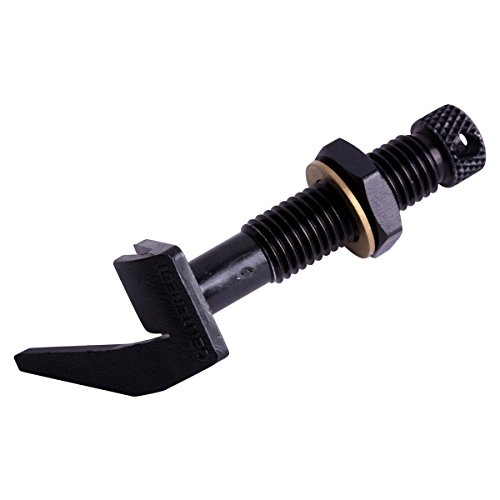


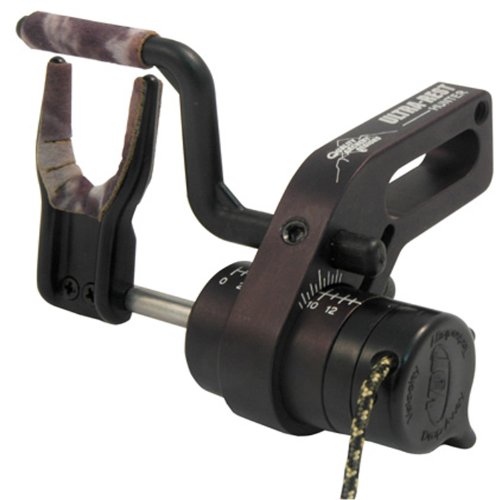
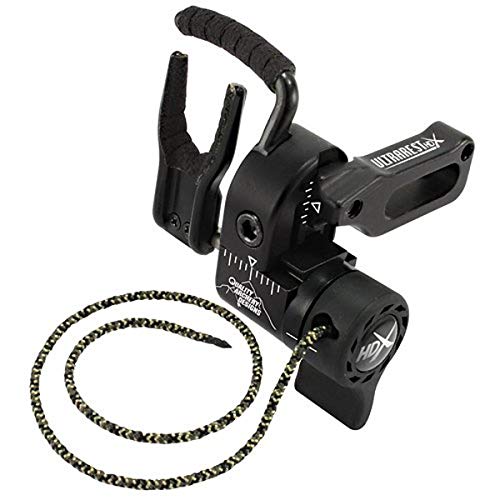


What’s in this listEvery arrow rest for compound bows we track on Amazon US — drop-aways, containment rests and blades. “—” means neither the maker nor the Amazon listing states it.
What the rest does on a compound
The rest is the small part that holds the front of the arrow while your release holds the back. Archery 360 calls it perhaps the most important accessory you put on your bow, because a well-tuned rest is what makes the arrow leave the same way every shot. Its target accessory guide puts the job simply: the rest guides the arrow from the moment of release until it leaves the bow.
Outdoor Life's compound anatomy guide adds the geography. The riser comes pre-drilled for the sight and rest, and the arrow shelf below is where a launcher arm lands after the shot. So the rest sits in a busy spot: just above the shelf, just behind the sight, right in front of your bow hand.
Hunters and target archers want different things from a rest. Carolina Sportsman's rest guide says simple containment rests, with few if any parts to malfunction or freeze, suit hunters in remote or very cold country. Archery 360's target accessory guide frames the target choice as drop-away or blade, and says both can be very accurate. That split runs through everything below.
Three families of compound bow arrow rest
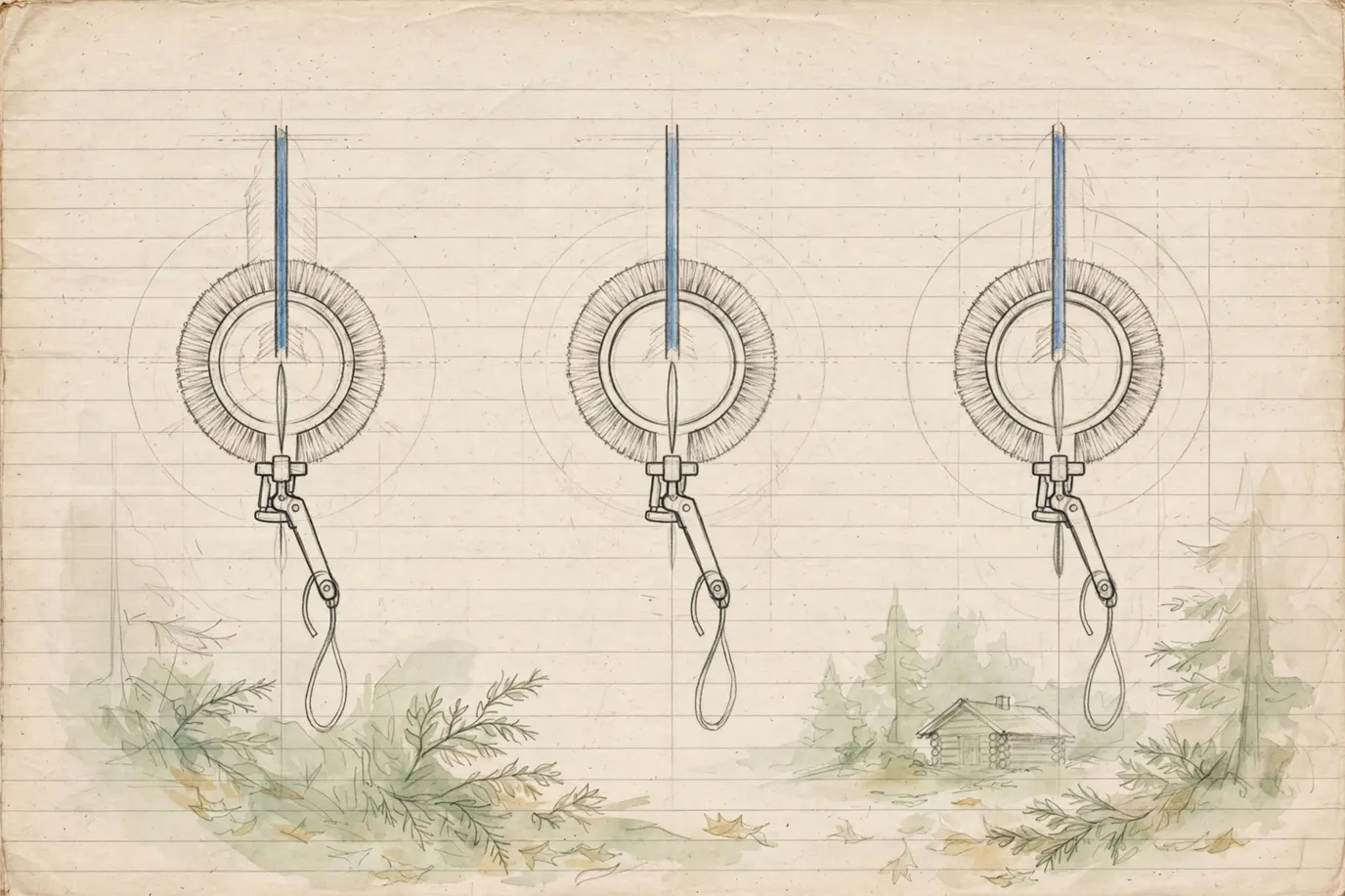
Archery 360 sorts compound rests into three families: launcher, full-capture and drop-away. Each one solves the "where does the arrow sit" problem differently.
Launcher or blade rests support the arrow all the way out
Prongs or a single thin blade hold the arrow from draw to release. Archery 360 calls this the oldest of the three: simple, reliable and affordable, with minimal contact with your vanes. Its catch for hunting is that nothing holds the arrow on, so it can fall off if you tilt the bow. That's why Archery 360 points it toward indoor shooting. Archery 360's target accessory guide names the blade as one of the two rest styles for a target compound, guiding the arrow along its whole path out of the bow.
Full-capture rests hold the arrow on every side
A ring of bristles, or a set of guides, surrounds the shaft. No moving parts. The arrow stays put at any angle, which is why stand hunters, stalkers and 3D shooters like them. The cost is contact all the way out, so the tune has to be good. The brush style has its own page: the whisker biscuit arrow rest page.
Drop-away rests get out of the way
A launcher arm rises as you draw and falls clear at the shot, driven by a cord tied to the cable or a limb. Archery 360 says they can be very accurate once set up correctly, and more complex to tune than other options. Cords, timing and the cocked styles hunters like are on the drop away arrow rest page, and limb-driven ones on the limb driven arrow rest page.
What about recurve rests
The "Type" column also lists stick-on and shelf rests. Those belong on traditional bows, which shoot off or just above the shelf, often with fingers. They're on the recurve arrow rest page. This page sticks to compounds.
Pick the family by how you hunt
Here's what actually changes from one hunter to the next, and the family I'd look at first.
- Tree stand or saddle, mostly sitting: full-capture or a drop-away you can cock up before the draw
- Ground blind: either; containment if you shift the bow a lot in tight quarters
- Spot-and-stalk or still-hunting: full-capture, or a drop-away with containment arms you can lock
- Backyard and 3D practice only: anything, including a blade
- Long shots and small groups as the goal: a drop-away, if you're willing to own the tuning
GOHUNT's rest guide sums up the hunting trade in one line: the more moving components, the more ways it can fail. Weigh that against full vane clearance. Neither side of the trade is wrong.
What to look at in a compound bow arrow rest
The table under this page lists every compound arrow rest we track, mixed across makers and families. It shows type, containment, activation, hand, adjustment and which bows each fits, as the maker or the Amazon listing states them, plus the maker's weight (the table marks values that come from the listing). When neither states a value, you get a dash.
Type tells you the family
Read the "Type" column first. It says drop-away, containment brush, blade or launcher, stick-on or shelf. Everything else on the row means something different depending on that one word.
Full containment means the arrow can't roll off
That column covers brush rests and some drop-aways with closing arms, but only when the maker or the listing states full capture. If you'll ever carry a nocked arrow through cover, this column beats every other one on the row.
Activation only applies to drop-aways
For a drop-away, the "Activation" column says what moves the arm: a cord to the cable, a cord to a limb, or a style you set by hand. Blades and brush rests leave it blank because nothing moves.
Hand has to match your bow
Most rests bolt to one side of the riser. A right-hand bow needs a right-hand rest unless the maker or the listing lists the rest as fitting both. The "Hand" column shows right, left, "right or left" (both versions sold) or ambidextrous.
"For" tells you which bows the maker means
The "For" column says whether a rest is sold for compounds, recurves or both. A rest built around cables and a release isn't automatically right for a finger-shot recurve, and the reverse is true too.
Weight sits right at your bow hand
Weight is in ounces where the maker states it. A few ounces at the riser are easy to ignore in the shop and easy to notice after holding at full draw for a while. Compare rests in the same family; a drop-away and a stick-on aren't in the same weight class.
Windage and elevation adjustment
Every rest needs to move left, right, up and down at least once. American Hunter's install guide has you center the arrow and set its height before anything else. The finer, dialed kind is what GOHUNT's rest guide calls a microtune rest, for archers who want to set the rest in very small steps; it says accuracy depends on how precisely those adjustments can be made and held. The table marks micro-adjust rests when the maker says so.
Noise dampening is a hunting spec
Some makers state felt, rubber or padding where the arrow rides or where an arm lands. The table can filter on it. Target shooters don't care. Deer at 20 yards do.
Mounting: standard hole or dovetail
Most compound rests bolt through a single threaded hole in the riser above the shelf. Outdoor Life notes that flagship bows from several makers now add dovetail slots in the riser for face-mounted rests, alongside that traditional hole.
Grand View Outdoors explains the difference. With a bolt-through mount, you have to get the rest level yourself, you may need a set screw, and the rest can rotate. A dovetail rest mounts directly to the back of the riser, which the article says makes it impossible for the rest to rotate up or down. The maker it covers also claims the rest levels itself when mounted that way.
The practical point: a dovetail rest only fits a bow with the dovetail, and a bolt-on rest needs the standard hole. Check your riser before you shop. The compound bow page covers the bows themselves.
Set center shot and launcher width
Center shot is where the arrow sits left to right. Easton's tuning guide gives the starting point for release shooters: line the tip of the arrow point up down the center of the bowstring. With a release, Easton says, the arrow mostly bends up and down, not sideways, so there's no need to offset it the way finger shooters do.
Easton also flags launcher width. On launcher-type rests, the support arm has to be narrow enough for the two lower vanes to pass over it without touching. That matters most with release aids, because the arrow often rides the rest for its full forward travel. With small-diameter shafts, Easton says, you may need a much narrower blade.
One more Easton note for skinny shafts with nocks that fit over the outside: the nock is wider than the shaft, so a slightly higher nocking point keeps it from hitting the rest.
Paper tune the rest, then leave it alone
Paper tuning is the test Easton calls the most common for compound archers with release aids. The setup is simple.
- Tape paper over a frame about 24 by 24 inches, at shoulder height.
- Put a target about 6 feet behind it.
- Stand about 4 to 6 feet from the paper.
- Shoot a fletched arrow level through the center.
- Read the tear.
A clean hole, point and fletching through the same spot, means good flight. A tear that's low or high points to the nocking point; Easton suggests moving it 1/16 inch at a time. For a right-handed release shooter, a tear to the right usually means moving the rest left in small steps, and a tear to the left means moving it right. If a high tear won't go away, Easton says check for vane contact with the rest. On launcher rests, a more flexible blade or less spring tension can help.
Make one change at a time. (I say this as someone who once made three changes at once and then spent an evening finding out which one mattered. It was the first one.)
Write the settings down
A tuned rest is a set of numbers, and numbers you don't write down turn into guesses by next fall. I keep mine in a spreadsheet, because of course I do. It has a tab called "rest," and it's the shortest tab I own.
What goes on it: which hole the rest is in, the windage and elevation marks, the nocking point height, the paper result and the date. If your drop-away has a cord, add where it sits on the cable. American Hunter's install guide suggests checking that the arm still rises fully after any cord change, which is easier when you know where it started.
Uncle Walt's version is a strip of masking tape inside his bow case that says "don't touch it." In fairness, nobody has.
Keep it tight through the season
A rest that moves takes your tune with it. Archery 360's storage guide says to check that the screws and bolts on the rest, sight and other parts are tight before storing your bow, since loose hardware can affect accuracy. I'd check before the season too, and after any trip where the bow rode in a truck.
Arrow length interacts with rest position. Archery 360's arrow length guide says where your rest sits on the shelf sets your minimum arrow length, so if you move to a rest that sits farther back, recheck your arrows before broadhead season.
Who doesn't need a new rest
If your bow came as a package with a rest, the arrow stays on it in the ways you hunt, and it paper tunes clean, you may not need another one. Upgrade when your hunting changes, say from a stand to stalking, not because a catalog arrived.
And if you shoot a recurve or longbow, this isn't your table. Head to the recurve arrow rest page.
If a drop-away cord has to be served into your cables, take it to a shop with a bow press. Archery 360 says that's why most archers have a shop install drop-aways. Everything else on a rest is a hex key and a pencil.
Brands in this list
Related
Questions people ask
Do you need an arrow rest on a compound bow?
Yes. Archery 360's target accessory guide says the rest guides your arrow from release until it leaves the bow, and Archery 360 calls the rest perhaps the most important accessory you put on your bow, since a properly tuned one helps the arrow fly the same way every shot. Many bows sold as packages include one.
What is the best arrow rest for hunting?
The one that matches how you hunt. Archery 360 says a full-capture rest keeps the arrow in place however you tilt the bow, a drop-away can be very accurate once set up but is more complex to tune, and a launcher suits indoor shooting because the arrow can fall off if you tilt the bow. Most deer hunters pick containment or a drop-away.
What's the difference between a blade rest and a drop-away?
Archery 360's compound accessory guide says a blade rest guides the arrow during its entire path out of the bow, while a drop-away gives complete clearance for the vanes. Both styles can deliver excellent accuracy, so it comes down to preference. For hunting, the blade's weak spot is that nothing holds the arrow on it when you move.
Will any arrow rest fit my compound bow?
No. Check three things. The mount: most rests bolt to the riser's standard rest hole, and some clamp onto a dovetail that only certain bows have. The hand: many rests come in right and left versions. And the shaft: brush rests are sized to arrow diameter. The table on this page lists each of those when the maker or the listing states it.
How do I know my arrow rest is set up right?
Paper tune it. Easton's tuning guide has you shoot a fletched arrow through paper from about 4 to 6 feet. A clean hole, with point and fletching through the same spot, means good flight. Up and down tears point to the nocking point; left and right tears with a release usually mean moving the rest in small steps.
Sources
- Archery 360 (Archery Trade Association): Which arrow rest is best for you? — accessed 2026-10-22
- Archery 360 (Archery Trade Association): Accessories for target compound bows — accessed 2026-10-22
- GOHUNT: How to select the best arrow rest for your next hunting setup — accessed 2026-10-22
- Carolina Sportsman: Choose the correct arrow rest for your bow — accessed 2026-10-22
- Outdoor Life: Parts of a compound bow — accessed 2026-10-22
- Grand View Outdoors: Dovetail rest mounting explained — accessed 2026-10-22
- Easton: Arrow Tuning and Maintenance Guide — accessed 2026-10-22
- NRA American Hunter: How to install a drop-away arrow rest — accessed 2026-10-22
- Archery 360 (Archery Trade Association): Archery Lingo: Arrow Length — accessed 2026-10-22
- Archery 360 (Archery Trade Association): Winterize your equipment the right way — accessed 2026-10-22